
Last Updated on October 11, 2026
If you’ve encountered Trouble Code P0611 on your OBD2 scanner, your vehicle may have a problem with its fuel injector control system. This code points to a performance issue involving the Fuel Injection Control Module (FICM) or the part of the engine computer responsible for controlling fuel injectors.
However, P0611 doesn’t automatically mean the module has failed. Low battery voltage, damaged wiring, poor electrical connections, or software problems can sometimes cause similar faults. Understanding the code can help you avoid replacing expensive parts unnecessarily.
In this guide, we’ll explain what Trouble Code P0611 means, what causes it, the common symptoms, how to diagnose it, and the best ways to fix it. Whether you’re a DIY car owner or a technician, you’ll know what to check before spending money on repairs.
What Is Trouble Code P0611?
Trouble Code P0611 is a generic powertrain diagnostic trouble code (DTC) that means Fuel Injector Control Module Performance. It appears when the vehicle’s control system detects that the fuel injector controller isn’t performing as expected.
The fuel injection control system manages when fuel injectors operate and, depending on the engine design, how they receive the electrical signals needed to deliver fuel.
Some vehicles, particularly certain diesel engines, use a separate Fuel Injection Control Module. Others have injector control functions built into the Powertrain Control Module (PCM) or Engine Control Module (ECM).
When the controller isn’t operating correctly, fuel delivery may be affected. This can cause rough idling, hard starting, engine misfires, or reduced power.
Keep in mind that P0611 identifies a control-system performance problem, not necessarily a defective fuel injector or failed control module. The exact diagnostic procedure depends on your vehicle’s make, model, engine, and year.
Quick Snapshot
Possible Causes of P0611:
- Malfunctioning Fuel Injection Control Module (FICM), where equipped
- Low or unstable electrical supply voltage
- Damaged, loose, or corroded wiring connections
- Faulty power or ground circuits
- PCM or ECM internal performance problems
- Injector circuit faults affecting controller operation
- Communication problems or incorrect module programming
Common Fixes for P0611:
- Repair battery, charging, or power supply problems
- Clean or repair damaged electrical connections
- Repair wiring or injector control circuits
- Update or reprogram module software when specified
- Replace a confirmed faulty FICM or PCM
What Causes Trouble Code P0611?
Finding the exact cause of Trouble Code P0611 requires checking the electrical and control systems involved in fuel injection. Although a failed module is one possibility, several other problems should be ruled out first.
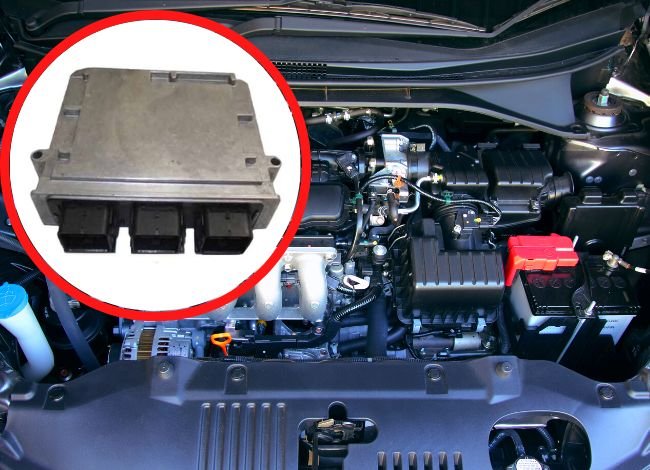
1. Faulty Fuel Injection Control Module (FICM)
On vehicles equipped with a separate FICM, internal electrical failures can prevent the module from controlling injectors properly. Heat, age, moisture, and damaged internal components may contribute to failure.
A faulty module may cause difficult starting, rough engine operation, or a no-start condition. However, the module should be tested before replacement.
2. Battery Voltage Problems
A weak battery, poor charging system, or excessive voltage drop can interfere with electronic control modules.
Some fuel injection systems need stable electrical power to operate correctly. If the supply voltage drops too far, particularly during engine cranking, the controller may fail to perform as expected.
Battery and charging system problems should be checked before assuming the FICM is defective.
3. Damaged or Corroded Wiring Harness
Damaged wiring between the control module, electrical supply, injectors, and grounding points can interrupt normal operation.
Look for loose connectors, corroded terminals, frayed insulation, or wires damaged by engine heat. These problems may cause intermittent faults that are difficult to reproduce.
4. Powertrain Control Module (PCM) Malfunction
The PCM manages important engine functions, including fuel injection control on many vehicles.
If its internal circuits or injector control functions malfunction, the system may store P0611. However, PCM failure should generally be considered only after checking the related power supply, grounds, wiring, and applicable diagnostic information.
5. Injector Circuit or Communication Problems
Some injector circuit faults can affect controller operation. Communication issues may also contribute to control-system problems on certain vehicles.
Modern vehicles use electronic networks to exchange information between control modules. A damaged connection or communication fault may interfere with this process.
For example, P2148 indicates a fuel injector group supply voltage circuit problem. Although it is different from P0611, accompanying injector-related codes can provide useful diagnostic clues.
6. Programming Errors
Incorrect software, corrupted calibration data, or incompatible replacement modules may affect injector control performance.
In some cases, a manufacturer-approved software update can correct a known problem. However, programming should only be performed when supported by the vehicle manufacturer’s service information.
Common Symptoms of P0611 Trouble Code
Symptoms vary depending on the vehicle and how severely the fuel injection control system is affected. Some vehicles may show only a warning light, while others develop noticeable driving problems.
- Check Engine Light: The engine warning light may illuminate when the fault is detected.
- Hard Starting or No Start: The engine may crank longer than normal or fail to start.
- Engine Misfires: Inconsistent injector operation may cause uneven combustion.
- Poor Fuel Efficiency: Incorrect fuel delivery may increase fuel consumption.
- Loss of Power: Acceleration may feel weak or unresponsive.
- Rough Idling: The engine may shake or run unevenly at idle.
- Engine Stalling: Severe control problems may cause the engine to shut off unexpectedly.
- Additional Trouble Codes: Related injector, voltage, or communication codes may appear alongside P0611.
Not every vehicle will experience these symptoms. A stored P0611 code may sometimes appear without an obvious change in engine performance.
How to Diagnose Trouble Code P0611
Diagnosing the P0611 trouble code requires a systematic approach. Start with basic checks before moving to electrical testing or module replacement.
Step 1: Use an OBD2 Scanner
Connect an OBD2 scanner to the diagnostic port, usually located beneath the dashboard. Read all stored, pending, and available manufacturer-specific codes.
Record the codes and freeze-frame information before clearing anything. This data may show the operating conditions when the problem occurred.
If you’re unfamiliar with how diagnostic codes work, our guide explaining what OBD2 is and how it works covers the basics.
For P0611, an advanced scanner with manufacturer-specific functions may be needed to access injector controller data and run additional tests.
Step 2: Check Battery and Charging Voltage
Use a digital multimeter to check battery voltage.
A healthy, fully charged 12-volt lead-acid battery typically measures around 12.6 volts with the engine off after resting. Many conventional charging systems operate around 13.5–14.8 volts while running, although readings vary with temperature, electrical load, and smart charging systems.
These are general reference values, not universal specifications.
If voltage is unusually low, inspect the battery, terminals, alternator, and charging connections. Voltage during engine cranking may also be important.
Step 3: Inspect Wiring and Connectors
Check accessible wiring and connectors associated with the injector control system.
Look for corrosion, loose plugs, damaged insulation, broken wires, and poor ground connections. Pay attention to areas exposed to heat, moisture, or vibration.
Do not disconnect or probe high-voltage injector control circuits while the system is powered. Diesel injector systems can contain hazardous electrical voltages and extremely high fuel pressure.
Step 4: Test the Fuel Injection Controller
Identify whether your vehicle uses a separate FICM or an integrated injector controller.
A technician may check module supply voltage, ground integrity, communication, and manufacturer-specific scan data.
For certain diesel engines, injector driver voltage testing may also be required. However, the correct test points and expected readings depend on the exact engine.
Never apply one vehicle’s FICM voltage specification to another vehicle without checking its service manual.
Step 5: Inspect the PCM
If the power supply, wiring, injector circuits, and other related components pass their tests, the PCM may require further diagnosis.
A technician can check module operation and determine whether software programming or replacement is necessary.
PCM replacement is generally expensive and may require programming, security-system setup, or other vehicle-specific procedures.
Step 6: Check Technical Service Bulletins (TSBs)
Before replacing expensive components, look for Technical Service Bulletins related to P0611 for your vehicle.
Manufacturer bulletins may describe known problems, updated diagnostic procedures, or approved software repairs.
You can search for manufacturer communications through the NHTSA vehicle lookup and applicable manufacturer service resources.
What to Avoid During Diagnosis
Even experienced mechanics can make mistakes when diagnosing electronic control problems. Avoid these common issues:
- Ignoring Related Codes: Injector circuit, voltage, or communication codes may help identify the actual fault.
- Overlooking Ground Connections: A poor ground can cause unstable module operation.
- Clearing Codes Too Early: Save freeze-frame data and other diagnostic information before erasing trouble codes.
- Assuming Every Vehicle Has a Separate FICM: Fuel injector control designs vary by manufacturer and engine.
- Skipping Applicable Software Updates: Some vehicles have manufacturer-approved programming fixes.
- Replacing Parts Without Testing: Installing a new PCM or FICM won’t solve damaged wiring or poor electrical supply.
How to Fix Trouble Code P0611
Once you’ve identified the cause, fixing Trouble Code P0611 becomes much easier. The correct repair depends on which component or circuit failed testing.
1. Repair Battery or Charging Problems
If testing reveals low voltage, correct the electrical supply problem first. This may involve charging or replacing a defective battery, repairing battery cables, or fixing a charging system fault.
After the repair, verify that the affected control modules receive the correct voltage during operation.
2. Repair Damaged Wiring
Clean corroded terminals, repair broken wiring, and secure loose connectors where appropriate.
Use manufacturer-approved wiring repair methods, especially on circuits carrying sensitive control signals or high injector-driver currents.
3. Replace a Confirmed Faulty FICM
If a vehicle uses a separate FICM and testing confirms internal failure, replacement or an approved repair may be necessary.
Some replacement modules require programming or configuration before they will operate correctly.
Pro Tip: Confirm module compatibility and programming requirements before purchasing a replacement FICM. A physically similar module may not work with your vehicle.
4. Check PCM Programming
If manufacturer diagnostic procedures identify a software problem, a qualified technician can perform the appropriate update.
If the PCM itself is confirmed defective, replacement and programming may be required.
5. Repair Related Injector Circuits
If additional trouble codes identify an injector wiring or driver circuit fault, repair that problem according to the manufacturer’s instructions.
Do not replace individual fuel injectors simply because P0611 is stored. This code alone does not identify a defective injector.
6. Clear Codes and Verify the Repair
After completing the repair, clear the diagnostic codes with a suitable scanner.
Start the engine and check whether the warning light or symptoms return. If the vehicle operates normally and is safe to drive, perform a road test following the applicable service procedure.
Finally, scan the system again. Remember that some faults require specific operating conditions before the diagnostic monitor runs.
Estimated Repair Cost for Trouble Code P0611
The cost to fix Trouble Code P0611 varies depending on the vehicle, the failed component, and local labor rates.
The following are broad U.S. repair-budget estimates, not confirmed quotes for a specific vehicle.
| Component/Service | Estimated Cost (USD) |
|---|---|
| Diagnostic Inspection | $100–$200+ |
| Battery or Connection Repair | $50–$300+ |
| Wiring Repair | $100–$500+ |
| FICM Repair or Replacement | $300–$1,200+ |
| PCM Reprogramming | $100–$300+ |
| PCM Replacement and Programming | $600–$1,800+ |
Note: These estimates are for general planning. Actual costs can be higher, especially for complex diesel systems. Some repairs may also overlap in labor. Request a written diagnosis and vehicle-specific estimate before approving expensive work.
Can You Drive With Trouble Code P0611?
Driving with P0611 isn’t recommended until you understand what caused it.
If the vehicle starts and runs normally, it may be possible to move it a short distance for diagnosis. However, there’s no guarantee that the engine will continue operating normally.
If the engine stalls, misfires severely, loses significant power, or becomes difficult to control, stop driving and arrange professional assistance.
A vehicle that stalls unexpectedly can create a dangerous situation, particularly in traffic. Towing is the safer option when engine operation is unreliable.
Final Thoughts on Trouble Code P0611
Dealing with Trouble Code P0611 can seem complicated, especially when the problem involves an electronic control module. But the code doesn’t automatically mean you need an expensive replacement.
Start with the basics: check the battery, electrical supply, wiring, and ground connections. Record all related trouble codes and follow the diagnostic procedures for your specific vehicle.
If you’re checking multiple codes, our OBD2 trouble code reference guide can help you understand what the other codes mean.
Most importantly, don’t replace the FICM or PCM without confirming the failure. Proper testing can prevent unnecessary repairs and help restore reliable engine performance.
Frequently Asked Questions About P0611
1. Can I still drive with Trouble Code P0611 active?
It’s best to avoid unnecessary driving until the problem is diagnosed. P0611 may cause poor performance, difficult starting, or unexpected stalling. If the engine runs badly or stalls, have the vehicle towed.
2. Is Trouble Code P0611 serious?
Yes, it can be. Some vehicles continue running normally, but others develop severe engine performance problems or fail to start. The code should be diagnosed promptly.
3. Will a weak battery trigger P0611?
A weak battery or unstable power supply can contribute to injector controller performance problems on certain vehicles. However, battery voltage alone cannot confirm the cause of P0611.
4. Do I need to replace the PCM if I get P0611?
No. A faulty PCM is only one possible cause. Wiring problems, voltage issues, software faults, or a separate injector control module may be responsible. Test the system before replacing the PCM.
5. Can P0611 be caused by water or corrosion?
Yes. Water intrusion or corrosion can damage connectors and electrical circuits associated with fuel injection control. Inspect exposed wiring and connectors for moisture or corrosion.
6. Will clearing the P0611 code fix the problem?
No. Clearing the code only removes stored diagnostic information and may turn off the Check Engine Light temporarily. If the underlying fault remains, P0611 can return when the system detects the problem again.