
You connect an OBD-II scanner because the check engine light is on—or perhaps it recently turned off. The scanner finds the same trouble code in more than one section. One result says “pending,” another says “stored,” and a third may identify it as “permanent.”
Does that mean the car has three separate problems?
Usually, no. The code number identifies the system or condition in which the computer detected a fault. The status describes where that fault currently sits in the diagnostic process. In other words, the code may remain the same while its status changes.
Understanding Pending vs Stored vs Permanent Codes helps you determine whether a fault has just appeared, has been confirmed, or is waiting for the vehicle to verify a repair. It can also prevent unnecessary parts replacement and repeated attempts to clear a code that cannot yet be erased.
Quick Answer
A pending code means the onboard diagnostic system detected a possible fault, but the problem may not have met the conditions required for full confirmation.
A stored code usually means the fault has been confirmed and recorded in the control module’s memory. Depending on the scanner, it may also be labeled “confirmed,” “current,” or, in some cases, “history.”
A permanent code is a protected record of a qualifying emissions-related fault. It cannot be manually erased with a standard scan tool or battery disconnection. The vehicle must verify that the underlying problem is gone before removing it.
These categories should be treated as stages or records of a diagnostic event—not as automatic proof that a particular component has failed.
The Code Status Journey
Imagine the vehicle’s computer as an inspector that continually tests emissions-related components and systems. It does not necessarily turn on the check engine light the moment it notices one unusual reading.
The typical journey looks like this:
Fault detected → Pending code → Fault confirmed → Stored code and possible warning light → Repair completed → Monitor passes → Code status clears
Not every fault follows this exact sequence. Some serious or “one-trip” faults may be confirmed during the first qualifying test. Others require the same problem to appear again before the malfunction indicator light, or MIL, is commanded on.
A qualifying confirmed emissions code may also create a permanent record. That stage will be covered in Part 2.
What Is a Pending Code?
A pending code is an early diagnostic warning. It means a monitor tested a system and detected a result outside its expected limits, but the computer may need more evidence before declaring a confirmed malfunction.
For many two-trip emissions faults, the first failed test creates a pending DTC. If the same monitor fails again during a later qualifying trip, the code can become confirmed or stored, and the check engine light may turn on.
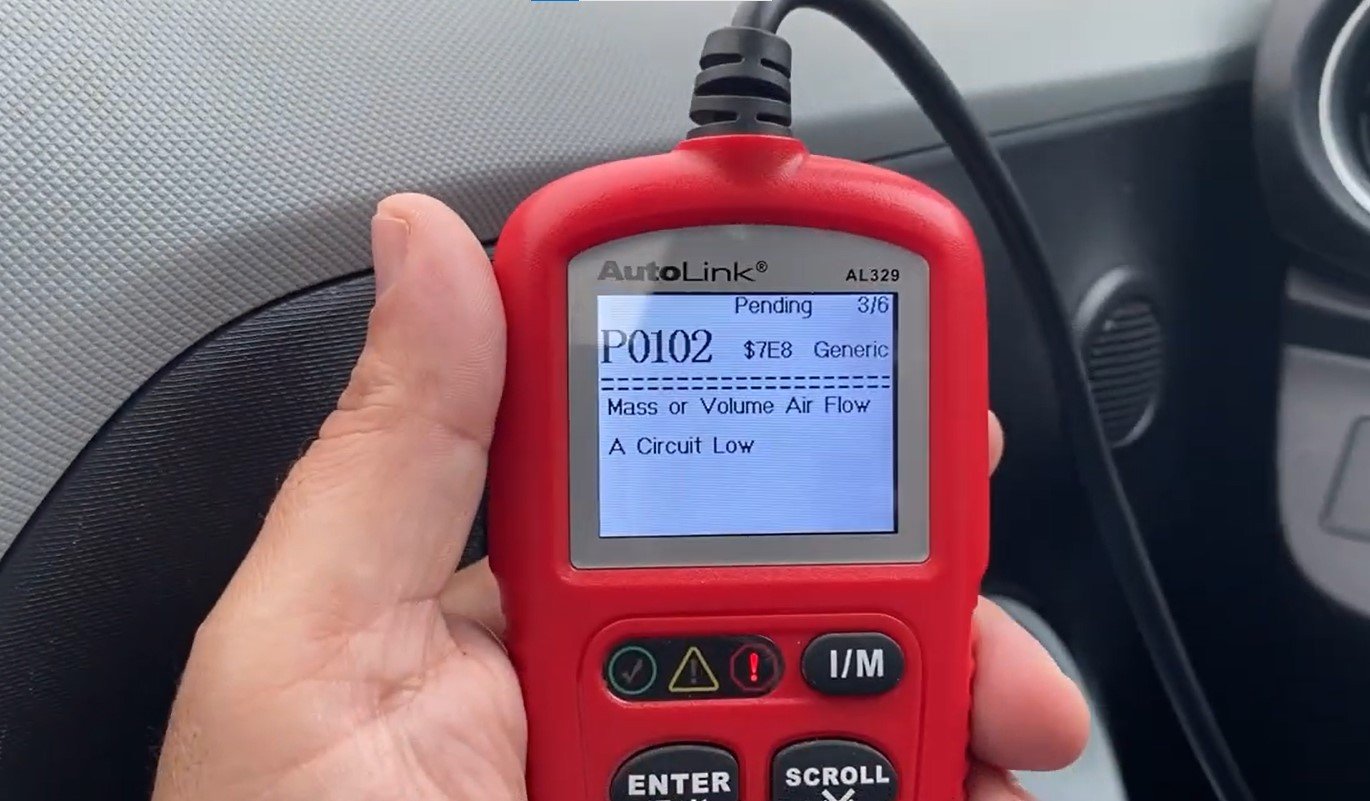
If the monitor runs again and the fault does not return, the pending code may disappear automatically. However, the exact logic varies by fault and manufacturer. Certain misfire and fuel-system pending codes may be handled differently because they can affect emissions or catalytic-converter operation more quickly.
A pending code does not always mean that a component needs replacement. It may be caused by an intermittent connection, a temporary operating condition, an early-stage failure, or a problem that only appears under specific temperatures and engine loads.
Still, it should not be ignored. Record the code before clearing anything, check for related symptoms, and scan the vehicle again after the relevant monitor has had an opportunity to run. If the same pending code returns, it becomes stronger evidence of a repeatable problem.
What Is a Stored Code?
A stored code generally means the control module has confirmed the fault and saved the DTC in memory. For standardized emissions diagnostics, confirmed codes are commonly retrieved through OBD Mode $03, while pending codes are associated with Mode $07.
A confirmed stored code often accompanies an illuminated check engine light, but the relationship is not always that simple. The light may turn off after the fault stops occurring, while the code remains in memory as a previous or history record. Codes in modules such as the ABS or airbag controller may also use different warning lights rather than the check engine light.
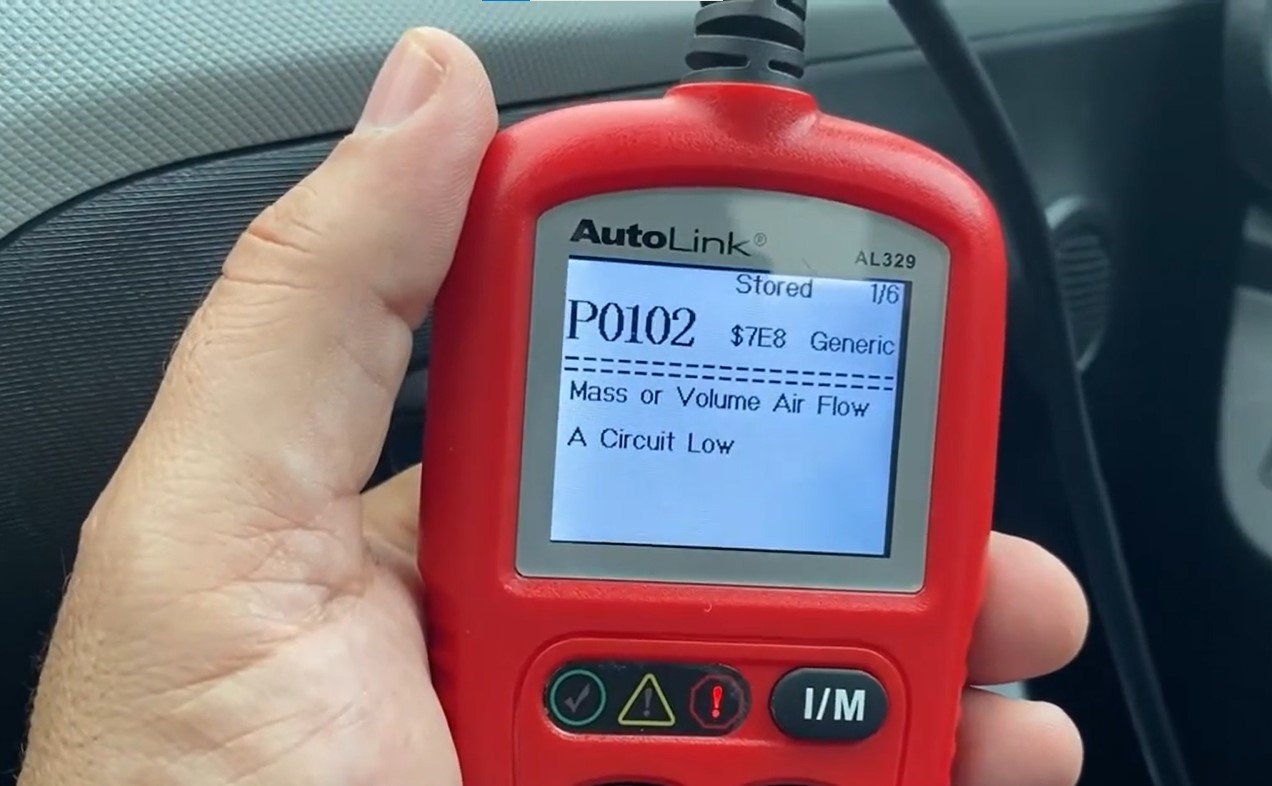
Scanner terminology adds another layer of confusion. One scanner may call a code “stored,” another may display “confirmed,” and a professional tool may separate current, history, and previously active codes. Always check the status label, warning-light condition, freeze-frame information, and vehicle-specific service information together.
Most stored codes can be cleared with a compatible scan tool after the repair. However, clearing the code does not repair the fault. If the problem remains, the monitor can detect it again and return the code.
This is the practical foundation of Pending vs Stored vs Permanent Codes: pending is an initial detection, while stored usually means the vehicle has collected enough evidence to confirm and record the problem.
What Is a Permanent Code?
A permanent diagnostic trouble code, or PDTC, is a protected record of a qualifying emissions-related fault that was previously confirmed by the vehicle’s onboard diagnostic system. It is normally retrieved through OBD Mode $0A.
A permanent code does not necessarily mean the fault is still active. It means the computer has not yet collected enough passing evidence to confirm that the original malfunction is gone.
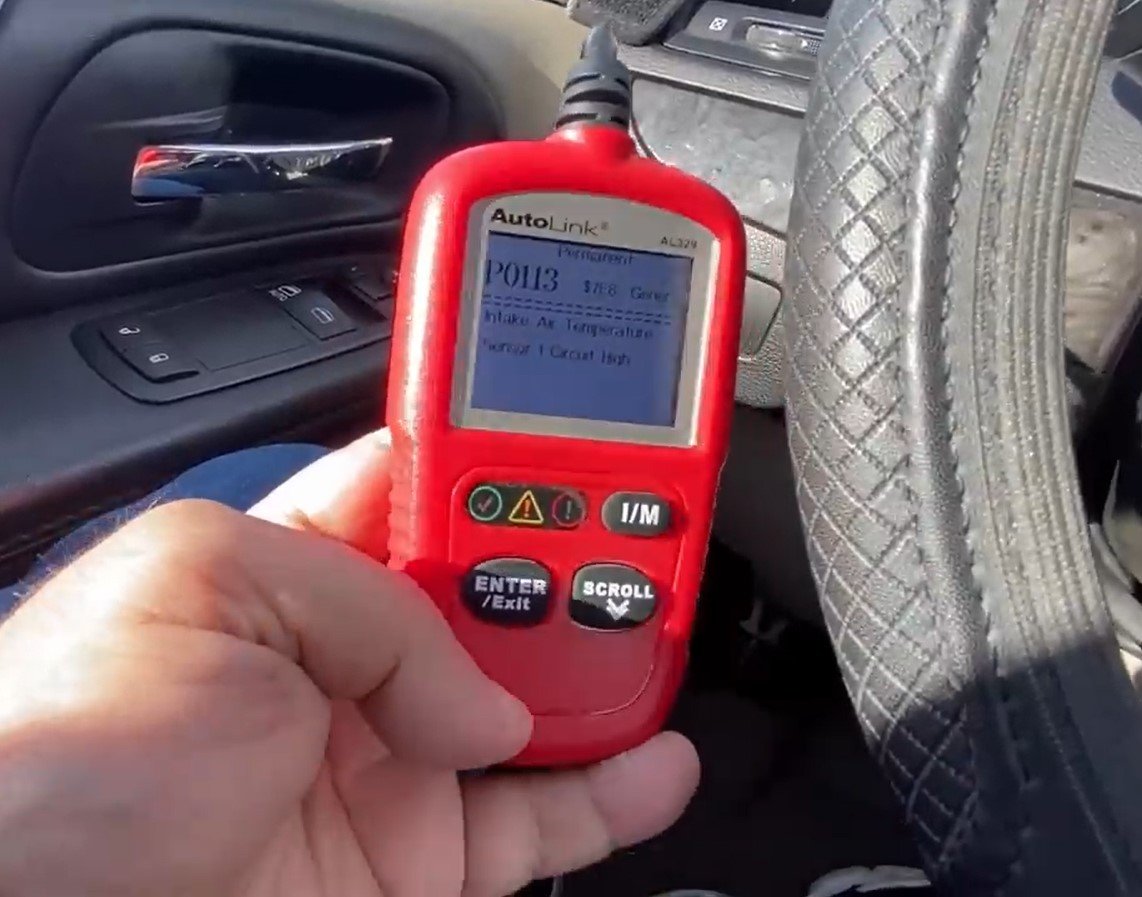
For example, imagine that a catalyst-efficiency problem causes a confirmed P0420 code and turns on the check engine light. After the underlying issue is repaired, a technician may clear the stored code with a scan tool. The light turns off, but P0420 may remain in the permanent-code section until the catalyst monitor runs again and accepts the system’s performance.
According to the California Bureau of Automotive Repair, permanent codes cannot be erased by disconnecting the battery or using a standard OBD scan tool. Only the vehicle’s OBD system can remove one after verifying that the previously identified problem is no longer present.
This protected memory prevents someone from temporarily hiding an emissions fault immediately before an inspection or vehicle sale. However, it can also confuse owners who have completed a legitimate repair and expect every code to disappear immediately.
Not every stored DTC becomes permanent. Permanent-code support, qualifying faults, and clearing logic vary by vehicle. The responsible monitor must be allowed to run under the conditions defined by the manufacturer, and there is no universal mileage number that guarantees removal.
Pending vs Stored vs Permanent Codes: Direct Comparison
| Code status | What it usually means | Check engine light | Manual clearing | How it disappears |
|---|---|---|---|---|
| Pending | A possible fault has been detected but may require confirmation | Usually off | Usually possible | May auto-clear if the fault does not return |
| Stored/confirmed | The fault met the vehicle’s confirmation criteria | Often on or recently on | Usually possible after diagnosis | Cleared with a scanner or aged out according to vehicle logic |
| Permanent | Protected evidence of a qualifying confirmed emissions fault | May be on or off | Not possible with a standard scanner | OBD system removes it after verifying the repair |
These are general definitions. Scanner wording is not perfectly consistent. Some tools use “stored” for any code held in memory, while others separate stored codes into current, confirmed, and history categories. A code’s label should therefore be interpreted alongside the warning-light status, readiness monitors, freeze-frame data, and current vehicle symptoms.
Can the Same DTC Appear in Multiple Categories?
Yes. The same code number can appear as pending, stored, and permanent because each category answers a different question.
Suppose an emissions monitor detects the fault once. The code may first appear as pending. If the monitor detects it again and the confirmation criteria are met, the same number may also become stored or confirmed. If it qualifies for permanent-code recording, another copy of that DTC is retained in protected memory.
Clearing the stored code removes the manually erasable record, but not the permanent one. If the underlying problem remains, the monitor can detect it again and create a new pending or confirmed entry. The scanner may then display the same DTC in more than one section.
Multiple listings do not automatically indicate multiple failed components. They may represent one problem viewed at different stages. This is why the comparison of Pending vs Stored vs Permanent Codes should begin with code status rather than the number of times the code appears.
A permanent-only code with no current or pending version, an off check engine light, and no symptoms may indicate that the repair-verification process is still incomplete. In contrast, a permanent code accompanied by a current or pending version suggests that the fault may still be present or has returned.
What the Check Engine Light Can—and Cannot—Tell You
The check engine light is important, but it does not show every detail stored in the computer.
A pending code usually does not turn on the light because the fault may still be waiting for confirmation. A stored or confirmed emissions code often commands the light on, although the light can later turn off if the malfunction stops occurring for the required number of trips.
A permanent code does not automatically keep the light illuminated. The light may be off while the computer waits for the repaired system’s monitor to complete a passing test.
That means “light off” and “no codes” are not the same result. Likewise, a code found in memory does not always prove that the fault is active now. The most useful diagnosis combines the warning-light condition with current, pending, stored, and permanent results.
If the check engine light is flashing or the vehicle is misfiring severely, losing substantial power, overheating, producing heavy smoke, or smelling strongly of fuel, stop driving when it is safe and arrange professional assistance. Those signs matter more urgently than the code-status label alone.
How to Clear Pending vs Stored vs Permanent Codes
Before clearing any DTC, save the code number, status, freeze-frame data, and readiness-monitor results. Erasing this information too early can remove valuable clues about when and why the fault occurred.
Clearing a Pending Code
A scan tool can usually clear a pending code, but immediate clearing is not always useful. First determine whether the fault was temporary or is beginning to repeat. If the relevant monitor runs again without detecting the problem, the pending code may disappear automatically. If it returns or becomes confirmed, diagnose the underlying system rather than repeatedly erasing it.
Clearing a Stored Code
Most stored or confirmed codes can be cleared with a compatible scanner after the repair. The warning light may turn off immediately, but the code will return if the fault remains.
Avoid disconnecting the battery as a shortcut. It may erase ordinary diagnostic information, reset readiness monitors, and remove learned settings without repairing anything. After clearing a stored code, recheck for pending codes and confirm that the relevant monitor completes successfully.
Clearing a Permanent Code
A permanent DTC cannot be manually deleted with a standard scanner or battery disconnection. Repair the original fault, confirm that no current or pending version remains, and allow the responsible monitor to run and pass.
The required conditions and time vary by vehicle and monitor. There is no universal number of miles that guarantees clearing. Use manufacturer-specific service information, and keep any road testing safe and legal. If the monitor is ready but the code remains, verify the result with a compatible professional scanner and check for applicable software updates or technical service bulletins.
What Should You Do for Each Status?
A pending-only code should be recorded and investigated if it returns, causes symptoms, or relates to a potentially damaging fault.
A stored/current code deserves prompt diagnosis, especially when the warning light is on. Remember that a DTC identifies a system or detected condition—not necessarily the component that must be replaced.
A permanent-only code with the light off and no current or pending faults usually calls for repair verification and monitor-status checking. When stored, pending, and permanent versions appear together, assume the problem may still be active until testing proves otherwise.
Readiness Monitors and Emissions Testing
Clearing codes resets many readiness monitors to “not ready.” A vehicle may therefore fail or be rejected from an emissions inspection even when the check engine light is off.
Inspection rules vary by location. California has a specific provision involving at least 200 miles and 15 warm-up cycles since codes were cleared, but that is an inspection exception—not a universal formula for erasing permanent codes. Check the current rules where the vehicle is registered.
Common Clearing Mistakes
The most common mistakes are replacing the part named in the code description without testing, clearing codes before saving diagnostic data, assuming every pending code is harmless, and believing the warning light being off means the computer is completely code-free.
Repeated clearing can also restart readiness testing and delay confirmation of a successful repair.
Frequently Asked Questions
Is a pending code serious?
Sometimes. It may be temporary, but a returning pending code can reveal an intermittent or developing problem.
Does a stored code mean the fault is active?
Not always. Depending on the scanner, it may represent a current, confirmed, or previous fault. Check the exact status and current symptoms.
Can one DTC have all three statuses?
Yes. The same fault can be represented as pending, stored, and permanent at different—or overlapping—stages of the diagnostic process.
Can a permanent code remain after repair?
Yes. It remains until the responsible monitor runs and verifies that the malfunction is no longer present.
Should I clear codes before an emissions test?
Usually not without a reason. Clearing resets readiness monitors and may prevent the vehicle from being ready for inspection.
Can a code tell me which part to replace?
No. A code provides a diagnostic direction. Wiring, connectors, leaks, operating conditions, or related components may create the same DTC.
Conclusion
The key to understanding Pending vs Stored vs Permanent Codes is separating the code number from its status. Pending means detected but not necessarily confirmed, stored usually means confirmed or recorded, and permanent means the vehicle still needs to verify the repair.
Save the diagnostic information, identify the root cause, and check readiness before clearing anything. A scanner can erase some records, but only a successful diagnosis and repair can prevent the fault from returning.