
Last Updated on May 7, 2026
If your check engine light is on but no codes appear on your scanner, it can feel confusing. In many cases, the issue is real, but the fault may be intermittent, pending, scanner-related, electrical, or tied to the vehicle computer itself. The source articles point to several common explanations, including temporary faults, weak scan tools, low battery voltage, emissions problems, and even ECU faults in some cases.
What Does the Check Engine Light Mean?
The check engine light is part of the vehicle’s onboard diagnostics system. It usually means the car’s computer has detected a problem affecting the engine, transmission, emissions system, ignition, or another critical system. One source also notes that this warning is often tied to emissions-related faults.
Check Engine Light On but No Codes: Main Causes
When the light is on but no codes are showing, the most likely explanation is not that the light is “fake.” It usually means the problem has not been captured clearly enough yet, the tool is not seeing the right data, or the fault is outside what the scanner is reading. The linked sources repeatedly point to intermittent faults, pending codes, scan-tool limitations, wiring or battery issues, ECU problems, and emissions-related faults.
Intermittent Faults
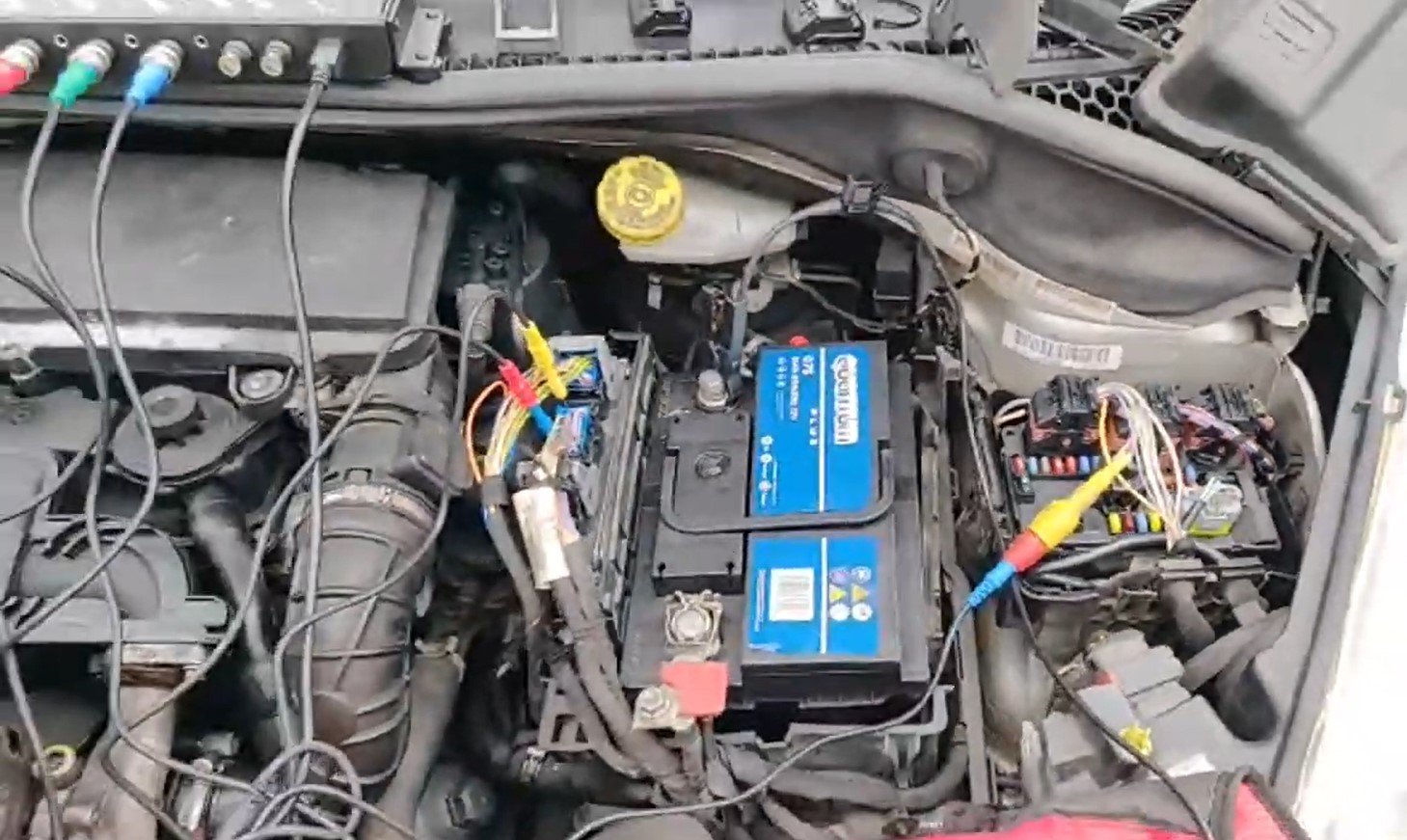
A temporary fault can trigger the light and then disappear before you scan the car. In that situation, the issue may clear itself fast enough that no stored code is visible when you check.
Pending Codes Not Yet Showing
Some faults begin as pending codes before they mature into confirmed trouble codes. A basic scanner may miss them, while a better scanner may display them.
Faulty or Incompatible OBD-II Scanner
Not every scanner reads every module or every type of code. One source specifically says older or cheaper scanners may fail to read all codes or may not work well with newer vehicles, which is one major reason drivers see a light without useful results.
Electrical Problems and Low Battery Voltage
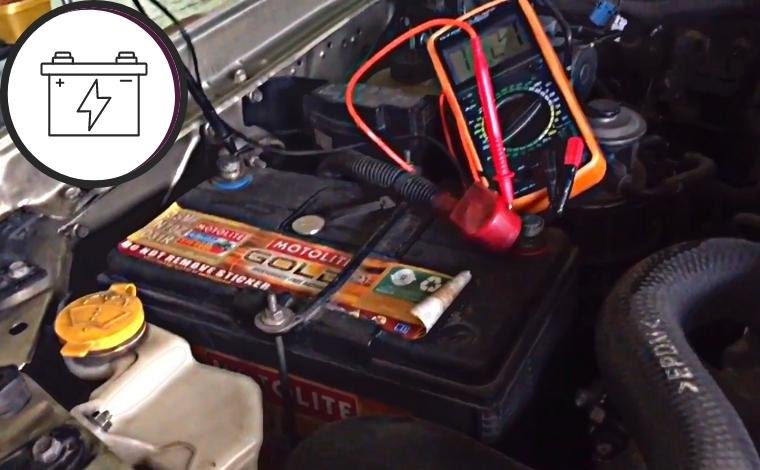
Loose battery terminals, corroded connections, damaged wiring, or low voltage can trigger the check engine light without leaving a clear stored code. Recent battery disconnection can also cause a temporary light in some cases.
ECU or Engine Computer Problems
In some vehicles, especially older ones, the engine computer itself can fail in a way that turns the light on without setting a readable code. The JustAnswer thread gives a real-world example where an expert suspected an internal engine computer fault after multiple scanners showed no codes while drivability problems were present.
Emissions System Issues
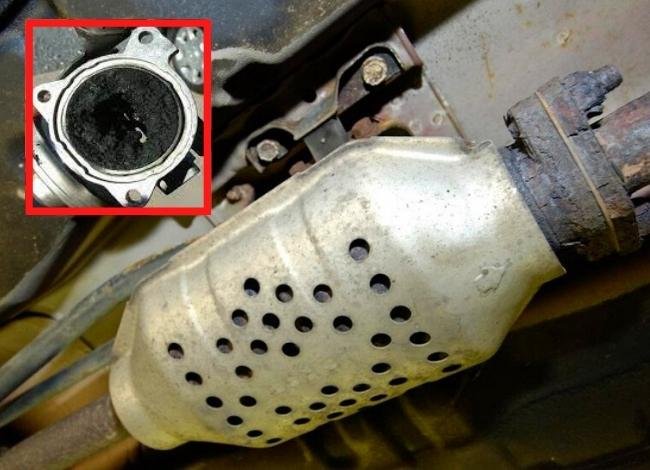
The check engine light often relates to the emissions system. The linked articles mention problems involving the catalytic converter, oxygen-sensor-related issues, ignition faults, fuel injection issues, and exhaust-system faults as common reasons for the warning light to appear.
Steady vs Flashing Check Engine Light
A steady check engine light usually means a persistent fault has been detected, often something emissions-related. A flashing light is more serious and may indicate catalytic-converter damage or another urgent issue. One source warns that if the light is flashing, you should stop driving as soon as it is safe because continuing may cause severe damage.
What to Do If the Check Engine Light Is On but No Codes Appear
If the light is steady and the car seems to drive normally, one source says you may be able to drive it home or to a repair shop. But if the engine struggles to accelerate, stalls, smells unusual, makes strange noises, smokes, or the light flashes, you should stop and get help.
Re-Scan With a Better Scanner
Start by scanning the vehicle again with a higher-quality, updated scanner that supports your make and model. This may reveal pending codes or module-specific faults that a cheaper tool missed.
Check Wiring, Battery, and Connections
Inspect the battery, battery terminals, grounds, and visible wiring. Look for looseness, corrosion, frayed wires, or signs of voltage problems. These simple checks are directly recommended in one of the source articles.
Watch for Symptoms Like Rough Idle, Stalling, or Power Loss
Pay attention to how the vehicle behaves. Symptoms like sputtering, rough idle, cutting off while driving, poor fuel economy, smoke, or weak acceleration can help narrow down the real cause. The JustAnswer case involved sputtering, stalling, and erratic idle despite no readable codes.
When to Reset the Light
Some vehicles allow you to reset the light by disconnecting the battery or using a scan tool with a reset function. But if the light comes back, the issue is still present and needs real diagnosis instead of repeated clearing.
When to See a Professional Mechanic
If a better scanner still finds nothing, or if the car has clear symptoms, take it to a professional. A shop may have better diagnostic tools, better module access, and the ability to test the ECU and electrical system more deeply.
How to Prevent This Problem in the Future
The sources recommend basic preventive steps: keep up with routine maintenance, use quality parts and fuel, and keep the battery and electrical system in good shape. These steps reduce the chance of intermittent faults and hard-to-trace check engine light problems.
Final Thoughts
A check engine light on but no codes situation does not always mean “nothing is wrong.” It can mean the problem is intermittent, pending, electrical, scanner-related, emissions-related, or in some cases tied to the engine computer itself. The safest approach is to rescan with a better tool, inspect the electrical system, note any drivability symptoms, and get professional help if the light stays on or the car runs poorly.
FAQs
Can a check engine light come on with no codes?
Yes. The linked sources say this can happen with intermittent faults, pending codes, weak scanners, electrical issues, low battery voltage, emissions problems, or ECU faults.
Why does my scanner show nothing if the light is on?
A cheap or outdated scanner may not read all codes or all modules. Also, the problem may only be pending or intermittent.
Is it safe to drive with the check engine light on but no codes?
It may be okay for a short trip if the light is steady and the car feels normal, but not if the light is flashing or the car runs badly.
Can a bad battery cause a check engine light with no codes?
Yes. One source specifically lists low battery voltage, recent battery disconnection, and electrical issues as possible causes.
Can the ECU cause the check engine light with no codes?
Yes, in some cases. The JustAnswer example describes an expert suspecting an internal engine computer fault when multiple scanners showed no codes but the vehicle still had serious running problems.