
Last Updated on November 7, 2026
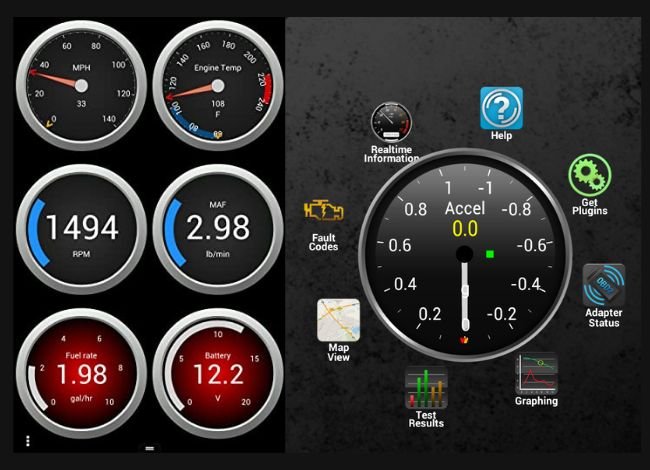 A phone and a compatible plug-in adapter can help you check the engine light or watch live data from your car. There are several OBD2 apps to choose from, including OBD Fusion and Torque Pro. In this OBD Fusion vs. Torque Pro comparison, the first difference is your phone. The next is which adapter and vehicle functions each app supports.
Quick Overview:
- Torque Lite: Free Android version with a smaller feature set.
- Torque Pro: Ian Hawkins’s paid Android app with customizable displays, graphs and logging.
- OBD Fusion: Paid app for iPhone, iPad and Android. Optional enhanced diagnostics are sold in the app for supported vehicles.
Torque Pro Review: OBD2 App for Android
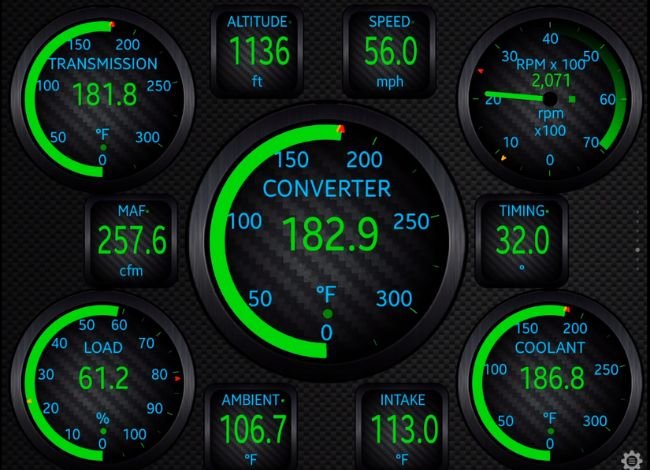
Ian Hawkins’s Torque Pro is an Android app for phones and tablets. Check the developer name if you see an app with a similar name on the App Store. Pair a compatible OBD2 adapter with the device and select it in the app’s connection settings. Torque Lite is a way to try basic functions on a compatible setup. Pro adds features such as more dashboard options, data graphs and exporting logs for later analysis.
You can read supported emissions-related trouble codes, clear them when appropriate and build a display around the readings you use most. For instance, keep engine speed and coolant temperature on one screen, or log a few readings to investigate a fault that only happens on a drive. Torque Pro lets you add supported custom parameter definitions. A custom parameter can show a manufacturer-specific value if you have the correct definition for the vehicle, but it does not give the app full access to every module.
OBD Fusion Review: OBD2 App for iOS and Android
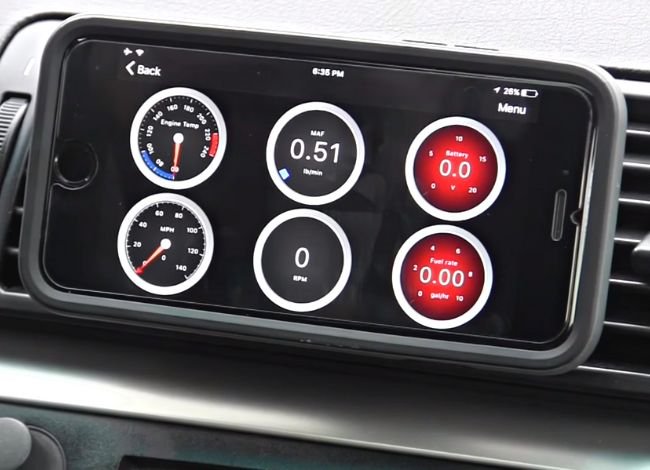
OCTech’s OBD Fusion works on supported iPhones, iPads and Android devices. As a diagnostic tool, it can read standard emissions codes, display freeze frame, check readiness and show live values the car makes available. It also lets you arrange your own dashboards, estimate fuel economy and record data as a CSV file. Saving a report or log is useful when a fault does not happen again by the time you get to the shop.
The base app handles generic OBD2 diagnostics. Paid enhanced packages can add data and codes for modules such as ABS, airbag, transmission and body control on supported vehicles. OCTech lists packages for select Ford, Toyota, Mazda, Nissan and other vehicles. Check the year, engine, market and module before buying one. Seeing engine codes in the base app does not establish that the enhanced package can read an airbag fault on that car.
OBD Fusion vs. Torque Pro: What’s the Difference?
Both apps can turn supported engine data into gauges or graphs. OBD Fusion covers Apple and Android devices and offers vehicle-specific diagnostic add-ons. Torque Pro is an Android option if you want to set up your own gauges and log data without buying a separate package for generic OBD2. Both apps depend on the adapter and the vehicle for the data they can display.
Compatibility:
For OBD Fusion, OCTech lists iOS and iPadOS 17 or later and Android 7.0 or later. Check the current store listing on the phone or tablet you’ll use. For iPhone or iPad, choose a supported Bluetooth Low Energy (BLE), Wi-Fi or Apple MFi adapter, such as the supported OBDLink MX+. A generic Classic Bluetooth ELM327 adapter that works with an Android phone usually will not connect to OBD Fusion on an iPhone.
On Android, OBD Fusion supports compatible Classic Bluetooth, BLE, Wi-Fi and certain USB adapters. USB requires a phone or tablet with USB host support and a supported adapter chipset. Torque Pro can use a compatible Bluetooth or Wi-Fi adapter on Android. For Wi-Fi, join the adapter’s network and select Wi-Fi as the connection type in Torque. Check the specific adapter’s instructions for the settings. The Veepeak OBDCheck BLE+ review covers a model that can be used with OBD Fusion on iOS and with Torque Pro on Android.
If you already own a dongle, check the exact model before buying an app. Two adapters from one brand can use different connection types or require different software. The BlueDriver and BAFX adapter comparison shows the difference between a dedicated app setup and a Classic Bluetooth adapter that uses compatible third-party apps.
Ease of Use:
For a first scan, plug in the adapter, follow the app’s pairing prompts and check whether it can connect to the vehicle with the ignition on. If it sees the adapter but cannot see the car, check the ignition position and the adapter’s supported protocols. Close any other diagnostic app that may be using the same adapter. Bluetooth settings, permissions and in-app adapter selection can vary by phone and model.
Keep the first dashboard simple. Start with the code and its freeze frame, then pick the few live readings that relate to the fault. For example, when a problem only occurs at operating temperature, logging coolant temperature alongside engine speed can help you place the event in context. Save the report before clearing a code because clearing can reset readiness and remove freeze-frame data.
App Costs and Add-ons:
Torque Lite is free and Torque Pro is a separate paid Android app. OBD Fusion is a paid download on both supported platforms. Its enhanced packages are separate in-app purchases. For the OBD Fusion vs. Torque Pro decision, check the cost of the adapter and any vehicle-specific add-on you actually need. A paid base app does not automatically add ABS, SRS or transmission module access.
Choose OBD Fusion if you have an iPhone or iPad, or if its enhanced package covers the system you need on your vehicle. On Android, Torque Pro is an option if your priorities are generic engine data, custom gauges and logging. Whichever app you pick, verify the phone, adapter and vehicle together before buying.