
Last Updated on September 6, 2025
An OBD2 (On-Board Diagnostics II) Bluetooth device is a small, plug-in scanner that connects to your car’s onboard computer system through the OBD2 port. This port is usually located under the dashboard, close to the steering wheel.
Instead of using cables, the Bluetooth-enabled OBD2 scanner communicates wirelessly with your smartphone, tablet, or laptop. Once connected, it allows you to run diagnostics, read trouble codes, and monitor real-time data directly from your car’s ECU (Engine Control Unit).
Key Functions of a Bluetooth OBD2 Scanner:
- Read and clear trouble codes (DTCs): Helps detect issues like check engine light errors.
- Live data monitoring: View RPM, fuel trims, oxygen sensor data, coolant temperature, and more.
- Emission system checks: See if your vehicle is ready for an emissions or smog test.
- Advanced diagnostics (in some models): Access ABS, transmission, and SRS data.
Why Bluetooth Instead of Wired?
- Convenience: No cables; just plug in and connect wirelessly.
- Compatibility: Works with Android, iOS, and Windows devices.
- Portability: Small size makes it easy to keep in the car.
- Cost-effective: Affordable compared to professional shop scanners.
In short, a Bluetooth OBD2 device acts as a bridge between your car and your smart device, giving you access to valuable diagnostic information with ease.
How to Pair an OBD2 Bluetooth Device with the Vehicle?
Pairing an OBD2 Bluetooth device with your car is a straightforward process if you follow the right steps. First, make sure your vehicle supports OBD2, which is standard in most cars built after 1996. Once confirmed, locate the OBD2 diagnostic port, usually found beneath the steering wheel or near the driver’s side dashboard.
Insert the Bluetooth OBD2 scanner firmly into the port. After plugging it in, turn the ignition key to the “ON” position but do not start the engine. This action powers the car’s onboard computer and the scanner at the same time.
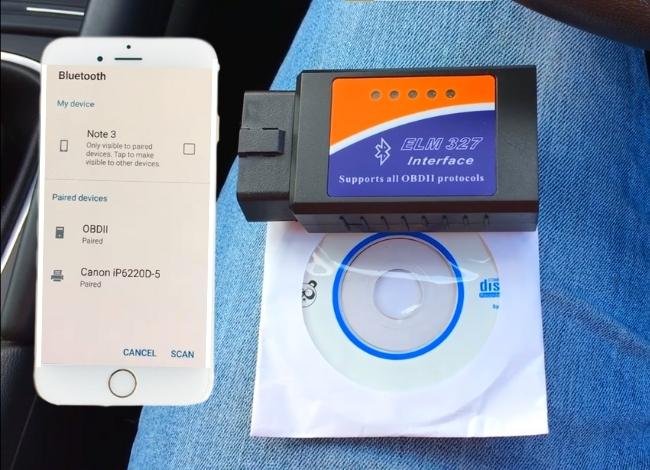
Next, open the Bluetooth settings on your smartphone or tablet. Enable Bluetooth, and wait for the scanner to appear in the list of available devices. The device might be displayed as “OBDII,” “ELM327,” or with a specific brand name. Select it and enter the pairing code when prompted.
Once the device is paired successfully, open your preferred OBD2 diagnostic app. From there, connect the app to the Bluetooth device and allow it to establish communication with the car’s ECU. If everything is set up correctly, you will be able to start reading fault codes, clearing errors, and monitoring live engine data directly from your phone.
Complete Step-by-Step Process of OBD2 Bluetooth Pairing
Pairing an OBD2 Bluetooth device with your car involves a series of steps that build upon one another. If you follow them in order, the process becomes smooth and hassle-free.
Step 1 – Check Vehicle Compatibility
Not every car can work with an OBD2 Bluetooth scanner, so this is the first and most important step. Vehicles made in the United States after 1996, and in Europe after 2001 for petrol engines or 2004 for diesel engines, generally support OBD2. To be absolutely sure, check your vehicle’s manual or look under the hood for a label that mentions “OBD2.” Without compatibility, no scanner—wired or wireless—will connect properly.
Step 2 – Locate and Connect the Device
The OBD2 port is usually positioned under the dashboard, near the steering wheel, though in some cars it might be slightly to the left or right of the driver’s side footwell. Once you find the port, plug in the Bluetooth scanner firmly. Most devices will show a light indicator to confirm that they are receiving power from the vehicle.
Step 3 – Turn On Ignition
Before pairing, turn the ignition key to the “ON” position. The engine does not need to be running, but the car’s electrical systems must be active so that the ECU (Engine Control Unit) can communicate with the scanner. This step ensures that the device is recognized by both the vehicle and your smartphone.
Step 4 – Adjust Device Settings on Your Phone
Go to your smartphone or tablet’s Bluetooth settings and enable Bluetooth. After a few seconds, the system will scan for nearby devices. Your OBD2 scanner should appear on the list—usually with names like “OBDII,” “ELM327,” or the brand name of your scanner.
Step 5 – Enter the Pairing Code
When you select the scanner from the list, the device will ask for a pairing code. Most OBD2 Bluetooth scanners use simple, universal codes such as 1234, 0000, 1111, or 9999. Enter one of these, and the device should successfully connect. If none of these work, refer to the product manual, as some branded scanners may use a unique code.
Step 6 – Connect Through an OBD2 App
Once pairing is successful, open a compatible OBD2 app on your smartphone. Popular choices include Torque (Android), Car Scanner ELM OBD2, BlueDriver, or OBDeleven. Inside the app, select the connected Bluetooth device and allow it to establish a link with the vehicle’s ECU. From there, you will be able to scan for trouble codes, monitor live sensor data, and even clear error codes if the app supports it.
Step 7 – Test the Connection
After the app connects, run a quick scan to ensure the device is functioning correctly. If you can view basic information like RPM, coolant temperature, or fuel trims, the connection is successful.
By following this complete step-by-step process, you not only ensure a stable Bluetooth connection but also guarantee accurate communication between your OBD2 scanner and your vehicle.
Why Does the OBD2 Bluetooth Scanner Fail to Pair?
Even though the pairing process is usually simple, many users face issues when trying to connect their OBD2 Bluetooth scanner. Understanding the reasons behind failed pairing can help you troubleshoot quickly.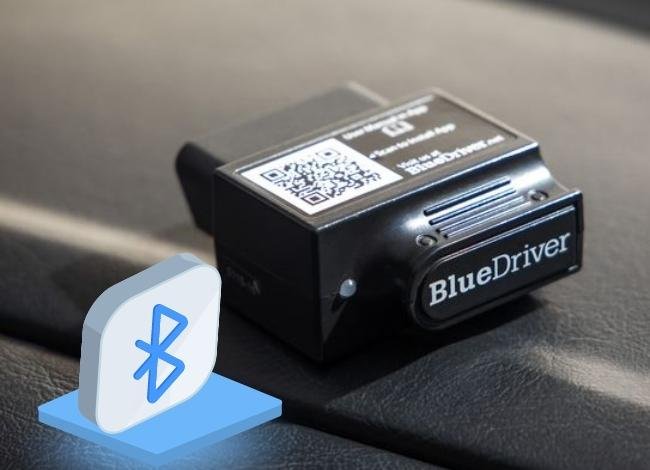
1. Interference from Other Bluetooth Devices
If multiple Bluetooth devices are active nearby—such as headphones, speakers, or another smartphone—they may interrupt the signal. Since Bluetooth works within a short range, overlapping signals can cause pairing to fail.
2. Apps Running in the Background
Some apps use Bluetooth connectivity in the background and can interfere with your OBD2 scanner. Always close unnecessary apps before starting the pairing process to avoid conflicts.
3. Incorrect Pairing Code
Not all scanners use the same default code. If you enter the wrong one, the device won’t connect. The most common codes are 1234, 0000, 1111, and 9999, but if none of these work, check the user manual.
4. Low-Quality or Faulty Scanner
Cheap, cloned ELM327 devices often suffer from unstable software or poor build quality. These devices may fail to pair, disconnect frequently, or show inaccurate data. Using a trusted, branded scanner reduces these problems significantly.
5. Short Discoverable Window
Some scanners remain “discoverable” for only a limited time after being plugged in, often less than a minute. If you wait too long, the device may stop broadcasting, making it invisible to your phone. In such cases, unplug the scanner and plug it back in, then try pairing again immediately.
6. Vehicle Compatibility Issues
While most modern vehicles are OBD2 compliant, certain older cars or those using manufacturer-specific protocols may not fully support generic Bluetooth scanners. If your car doesn’t recognize the device even after repeated attempts, compatibility could be the issue.
7. Software or Firmware Glitches
Sometimes, the problem lies not with the scanner but with your smartphone or the diagnostic app. Outdated apps, old firmware, or operating system bugs can all disrupt the pairing process. Updating both your phone’s software and the OBD2 app often resolves this issue.
Common OBD2 Bluetooth Pairing Codes
Most OBD2 Bluetooth scanners require a simple pairing code during the initial setup. This code acts as a password to establish a secure connection between your scanner and your smartphone or tablet. Fortunately, in most cases, the codes are very basic and easy to remember.
The most commonly used OBD2 Bluetooth pairing codes are:
- 1234 – This is the default code for the majority of ELM327-based Bluetooth scanners.
- 0000 – Another widely used option, especially for budget-friendly adapters.
- 1111 – Less common but still used in certain OBD2 devices.
- 9999 – Occasionally used in select scanners, usually as a backup option.
If you try these codes one by one, at least one of them should work for most generic OBD2 adapters.
What if the Default Codes Don’t Work?
Some branded or advanced OBD2 scanners (like BlueDriver, FIXD, or Autel) may not use these universal codes at all. Instead, they either:
- Pair automatically without requiring a code, or
- Use a unique code provided in the device’s user manual or packaging.
In rare cases, the pairing code may even be printed on a sticker attached to the device itself.
Key Tip:
If none of the default codes work, double-check the manual or the product description online. Avoid guessing too many times, as repeated failed attempts may lock the device temporarily.
Key Takeaways
An OBD2 Bluetooth scanner is one of the easiest and most affordable tools for monitoring your vehicle’s health. By pairing the scanner with your smartphone or tablet, you can instantly access valuable information about your car’s performance, read and clear trouble codes, and even check readiness for emissions tests.
The pairing process is simple: plug the scanner into the OBD2 port, turn the ignition to the “ON” position, activate Bluetooth on your device, and enter the pairing code. In most cases, the code will be 1234, 0000, 1111, or 9999. Once paired, your OBD2 app will handle the rest, giving you access to real-time data and diagnostics.
If pairing fails, the issue is usually minor—such as interference from other devices, an incorrect password, or a short discoverable window. Resetting the device, trying another code, or using a more reliable scanner often solves the problem.
Final Thoughts
- For car owners: A Bluetooth OBD2 scanner saves time and money by allowing you to diagnose issues before visiting a mechanic.
- For beginners: No special skills are required; pairing is as simple as connecting any other Bluetooth device.
- For professionals: Higher-quality scanners provide advanced functions beyond basic error code reading, making them excellent long-term investments.
By understanding how pairing works, knowing the common codes, and troubleshooting effectively, you’ll be able to connect your OBD2 Bluetooth device without frustration and enjoy the full benefits of modern car diagnostics.