
Last Updated on July 14, 2025
🔍 Meaning of P2544 Code
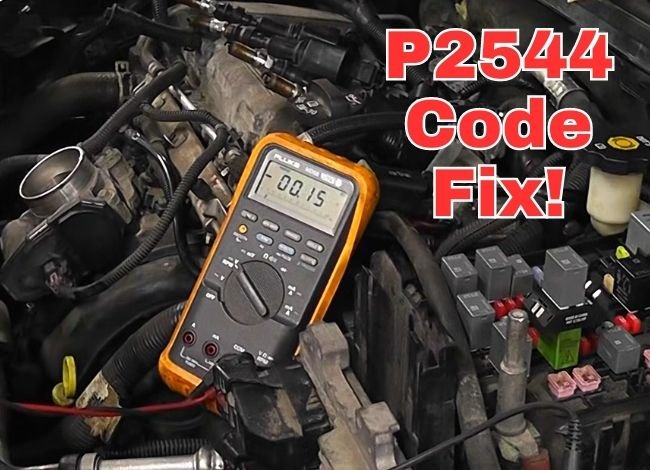
The P2544 code stands for “Torque Management Request Input Signal ‘A’”. This diagnostic trouble code (DTC) is triggered when there is a communication issue between the Transmission Control Module (TCM) and the Engine Control Module (ECM). It typically points to a fault in how torque requests are communicated, directly affecting the vehicle’s acceleration, engine performance, and fuel management.
🚘 Mostly Seen On:
This trouble code is commonly reported on the following vehicle makes:
- Ford
- GMC
- Honda
- Hummer
- Hyundai
- Cadillac
- Chevrolet
- Isuzu
❗Note: While these brands see this code most frequently, it may occur in other vehicles using electronic torque management systems.
⚠️ Common Symptoms of the P2544 Code:
If your vehicle’s onboard system detects this code, you may notice one or more of these symptoms:
- ✅ Check Engine Light (CEL) illuminated
- ✅ Reduced fuel efficiency
- ✅ Engine overheating under load
- ✅ Delayed acceleration or sluggish throttle response
- ✅ Harsh or delayed shifting
- ✅ Limp mode activation
- ❌ Rough idle or stalling (in advanced cases)
🛠️ Possible Causes of the P2544 Code:
Several underlying issues can trigger this error code, including:
- 🔧 Malfunctioning ECM (Engine Control Module)
- 🔧 Software issues in the ECM or TCM requiring updates
- 🔧 Faulty TCM (Transmission Control Module)
- 🔧 Open or shorted ECM wiring harness
- 🔧 Poorly connected or corroded electrical connectors
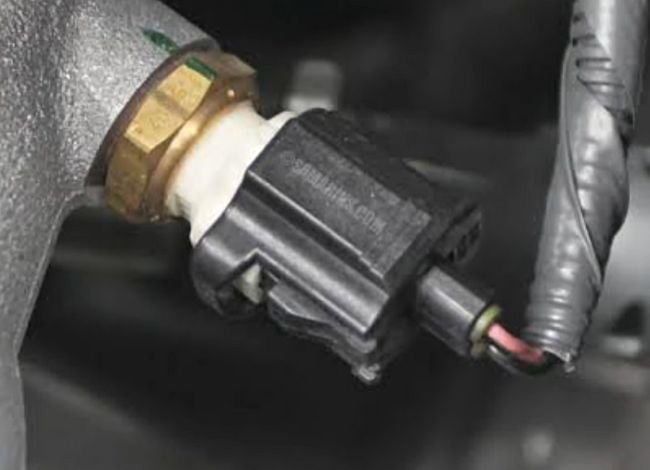
- 🔧 Malfunctioning coolant temperature sensor (indirect trigger due to engine mismanagement)
🧩 Affected Components:
The P2544 code typically impacts the following systems and components:
- ECM / PCM (Powertrain Control Module)
- TCM (Transmission Control Module)
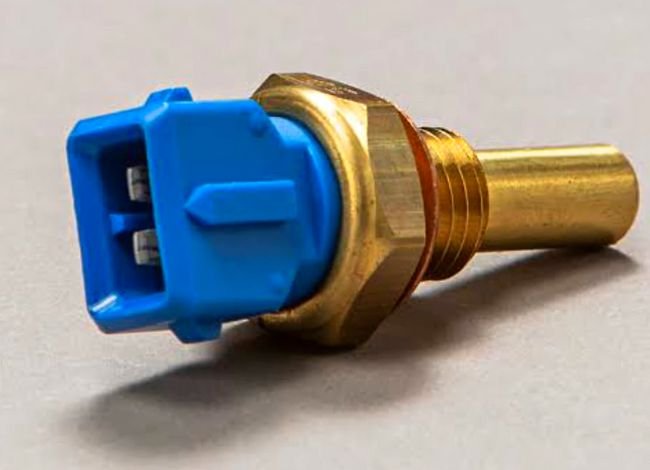
- Engine coolant temperature sensor
- Fuel injection system
- Torque converter clutch system (in some vehicles)
💸 Estimated Repair Cost:
Repairing the P2544 code varies depending on the root cause. Below are general repair estimates:
| Service or Component | Estimated Cost (USD) |
|---|---|
| Diagnostic scan & labor (per hour) | $75 – $150 |
| Coolant temperature sensor replacement | $50 – $150 |
| ECM or TCM software update | $100 – $250 |
| Wiring harness inspection or replacement | $80 – $300 |
| ECM or TCM replacement (if needed) | $400 – $1,200+ |
❌ Not Recommended – Fixing a P2544 code often requires:
- Professional-grade scan tools
- Access to updated OEM software
- ECM/TCM reprogramming capabilities
- Electrical diagnostic skills
For most drivers, visiting a certified technician is the safest and most effective solution.
🟡 Seriousness Level:
Moderate – Your vehicle may remain operational but can:
- Enter limp mode
- Exhibit poor performance
- Suffer engine or transmission damage if left unresolved
Immediate inspection is advised.
⚠️ Why It’s Dangerous to Ignore the P2544 Code
If not addressed promptly, the P2544 code can lead to:
- Engine performance issues (rough idle, misfires)
- Transmission misbehavior (hard shifts, slipping)
- Engine overheating due to poor temperature regulation
- Long-term module failure due to signal confusion
🔧 This code isn’t just about power—it’s about how different modules talk to each other to manage the engine safely and efficiently.
🧰 When a Sensor Causes a Communication Error
A failing engine coolant temperature sensor can:
- Send erratic or incorrect voltage to the ECM
- Prevent the engine from reaching proper operating temperature
- Disrupt torque management due to bad data
- Cause excessive fuel injection or poor timing, affecting torque response
💡 Example Scenario:
You drive a Chevy Silverado or Ford Five Hundred, and notice:
- A sudden drop in power
- A blinking check engine light
- The engine runs hot or doesn’t warm up properly
When scanned, the code P2544 appears—this could very well be due to a faulty coolant temperature sensor tricking the ECM.
Common Causes Behind the P2544 Code
When the P2544 code is triggered, it’s usually not due to a single issue but rather a combination of electrical, sensor, or communication faults. Below, we’ll explore the most frequent causes with updated insights and a breakdown of what goes wrong.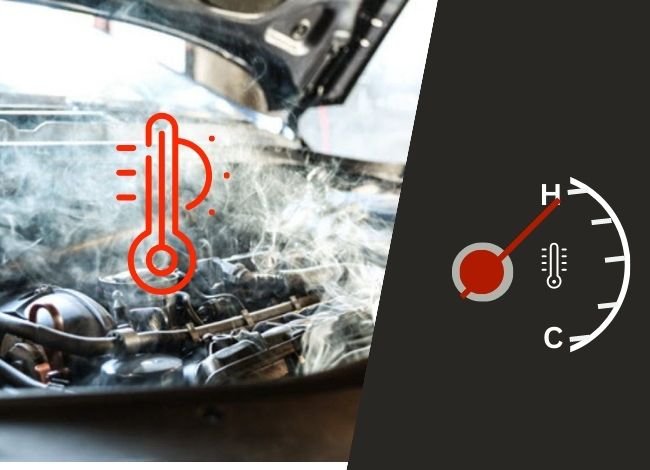
🔍 1. Faulty Engine Coolant Temperature (ECT) Sensor
This is the most common trigger for the P2544 code. The ECT sensor monitors the temperature of the engine’s coolant and sends data to the ECM. If this sensor provides inconsistent or inaccurate readings:
- The ECM may miscalculate torque demands
- Engine timing and fuel injection may be disrupted
- Overheating or stalling can occur
Why this happens:
- Sensor internal failure
- Sensor contamination
- Age-related degradation
🔌 2. Damaged or Corroded Wiring & Connectors
Wiring and connector faults between the ECT sensor, ECM, and TCM can lead to:
- Signal loss or interruption
- Incorrect voltage delivery
- Inconsistent torque communication
Common issues:
- Worn insulation
- Pin corrosion
- Poor grounding
- Rodent damage
⚠️ Always check harness continuity using a multimeter during diagnostics.
🧠 3. Engine Control Module (ECM) Failure
In rare cases, the ECM itself may be the problem. If it can’t properly interpret or process the sensor signals:
- It may trigger false torque management codes
- Miscommunication with TCM may occur
- It could cause limp mode or power limitation
This is harder to diagnose and often requires:
- Module reprogramming
- Replacement and calibration
🌡️ 4. Cooling System Issues (Low Coolant / Thermostat Failure)
Torque management may depend on accurate engine temperature. A cooling system failure may cause:
- Engine not reaching normal operating temperature
- Torque limits being applied unnecessarily
- Overheating and sensor malfunction
What to check:
- Coolant level and quality
- Radiator cap integrity
- Thermostat function
- Leaks or air pockets in the system
🔄 5. Other System Conflicts (Fuel or Ignition)
In rare scenarios, the issue may stem from other systems sending abnormal signals:
- Fuel injection inconsistencies
- Ignition timing faults
- Throttle body sensor errors
These can indirectly affect torque management communication, especially under heavy loads.
🧰 Summary Table – P2544 Code Causes
| Cause | Description |
|---|---|
| Faulty ECT sensor | Sends incorrect temperature signals to ECM |
| Corroded/damaged wiring | Breaks signal flow between ECM, TCM, and sensors |
| ECM failure | Cannot interpret torque management signals correctly |
| Cooling system malfunction | Causes erratic temperature readings affecting torque strategy |
| Fuel/ignition system conflict | May cause secondary communication issues or abnormal torque control input |
How to Diagnose the P2544 Code Step-by-Step
Diagnosing the P2544 code involves more than just reading an OBD-II scanner. It requires a structured approach to determine whether the issue lies with the torque signal, coolant temperature sensor, ECM, TCM, or wiring. Here’s how technicians go through it.
🛠️ Tools Required:
- ✅ OBD-II Scan Tool (preferably advanced model with live data)
- ✅ Digital Multimeter (DMM)
- ✅ Wiring diagram or service manual
- ✅ Infrared thermometer (optional, to cross-check coolant temps)
- ✅ Access to OEM software (for ECM/TCM updates or reprogramming)
Step-by-Step Diagnostic Procedure
1. Scan for Stored & Pending Codes
Use an OBD-II scanner to:
- Retrieve P2544 and any related codes
- Check for associated codes like P0117, P0118, or P0128
- Record freeze-frame data (e.g., temperature, RPM, throttle position)
📌 Related codes may offer additional clues about whether the issue is isolated or part of a broader system failure.
2. Inspect the Engine Coolant Temperature (ECT) Sensor
- Visually check the sensor for physical damage or contamination
- Measure sensor resistance using a multimeter
- Compare resistance readings to OEM specifications at various temperatures
💡 If resistance is out of spec or jumps erratically during warm-up, replace the sensor.
3. Check Coolant Level & Thermostat Function
- Ensure radiator and reservoir levels are full
- Start the engine and monitor the rise in coolant temperature
- A thermostat stuck open can keep temps low, causing P2544 indirectly
⚠️ Low coolant can cause air pockets, disrupting sensor readings.
4. Inspect Wiring and Connectors
- Disconnect the ECT sensor plug and inspect for corrosion or bent pins
- Use a wiring diagram to trace continuity from sensor to ECM
- Check for voltage reference and ground integrity
✅ Use your DMM to test for:
- Reference voltage (~5V)
- Signal return
- Ground continuity
5. Evaluate ECM and TCM Communication
If sensor and wiring tests are clean:
- Check CAN bus communication between ECM and TCM
- Confirm module firmware version—outdated software can trigger miscommunication
- Reflash or replace the ECM/TCM if needed
🛠️ Reprogramming often requires dealership-level tools or licensed software access.
6. Clear the Code & Perform a Road Test
After repair:
- Clear the code using the scan tool
- Drive the vehicle under various conditions (idle, highway, uphill)
- Recheck if the code reappears
🔄 If the code does not return after a drive cycle, the issue is likely resolved.
💰 How Much Does It Cost to Fix the P2544 Code?
The total cost of fixing a P2544 code depends on the actual root cause, labor rates, and your vehicle’s make and model. Below is a cost overview:
| Repair Type | Estimated Cost (USD) |
|---|---|
| OBD-II diagnostic scan | $75 – $150 |
| Coolant temperature sensor replacement | $50 – $150 |
| ECM/TCM software update | $100 – $250 |
| Wiring repair or replacement | $80 – $300 |
| ECM or TCM replacement (if needed) | $400 – $1,200+ |
💡 It’s always best to get a full diagnostic from a qualified technician to avoid replacing unnecessary parts.
🧾 Diagnosis Codes Related to the P2544 Code
Often, the P2544 code appears alongside other error codes, especially those related to the engine cooling and communication systems:
- P0117 – Engine Coolant Temp Sensor Circuit Low Input
- P0118 – Engine Coolant Temp Sensor Circuit High Input
- P0125 – Insufficient Coolant Temperature for Closed Loop Control
- P0128 – Coolant Thermostat (Coolant Temperature Below Regulating Temp)
- P2181 – Cooling System Performance
🔧 These related codes can guide you toward the faulty part or system faster.
❗ How Serious Is the P2544 Code?
Moderate to Serious – While the vehicle may still run, the risks include:
- Reduced engine performance
- Harsh gear shifting
- Engine overheating
- Limp mode activation
- Transmission or ECM damage over time
⏳ Don’t delay—driving with this code for too long may result in costly repairs.
✅ Final Verdict
The P2544 code primarily refers to a failure in torque management communication, usually between the TCM and ECM. Often, it is indirectly linked to faulty readings from the engine coolant temperature sensor, damaged wiring, outdated software, or failing modules.
Ignoring the issue may lead to overheating, poor fuel economy, and unsafe driving conditions. Always consult a certified mechanic for proper diagnosis and repair to avoid escalating the issue.
Frequently Asked Questions (FAQs)
What is the easiest way to clear the P2544 code?
- Use an OBD-II scanner to clear the code, but only after diagnosing and fixing the root cause. Otherwise, it will return.
Can low coolant cause the P2544 code?
- Yes. Low coolant can lead to inaccurate sensor readings, which may affect ECM calculations and trigger the code.
Can I fix the P2544 code at home?
- In most cases, no. This code usually requires ECM/TCM diagnostics, wiring inspection, and sometimes module reprogramming—tasks best handled by professionals.
Is the P2544 code dangerous for my engine?
- While not immediately catastrophic, continued driving with this code active can cause engine overheating, poor shifting, or limp mode activation—all of which should be addressed promptly.