
Last Updated on July 8, 2025
Meaning of P257D Code
The P257D code is a diagnostic trouble code (DTC) that signals a malfunction in the engine hood switch circuit range/performance. This code typically relates to diesel vehicles, especially those equipped with emissions control systems such as the exhaust gas temperature (EGT) sensor. When the sensor sends abnormal or inconsistent readings, the ECM (Engine Control Module) identifies a deviation in expected values and triggers the P257D fault code.
🚘 Mostly Seen On:
- Ford
- BMW
- Honda
- Acura
- Chrysler
- Toyota
These manufacturers have been frequently associated with the appearance of the P257D code, especially in diesel variants that utilize advanced emissions technology.
⚠️ How Serious is the P257D Code?
The P257D code is considered highly serious, particularly because it can affect critical systems related to:
- Engine starting and performance
- Emission control compliance
- Regeneration of the diesel particulate filter (DPF)
Ignoring the issue could result in engine stalling, complete breakdown, or even failure to pass emissions tests. Many vehicles also enter limp mode, limiting the speed to as low as 5 mph for safety.
🔍 Common Symptoms of the P257D Code
If your vehicle is showing the P257D error, you may observe one or more of the following issues:
- Check Engine Light (CEL) stays on
- Vehicle refuses to start or cranks without ignition
- Max speed limited to 5 mph (limp mode)
- Engine stalling or rough idling
- Drop in fuel efficiency
- Regeneration cycle failure in diesel vehicles
These symptoms demand prompt diagnostic attention to avoid further complications.
🔧 Components Involved in the P257D Code
The components most often involved in triggering this code include:
- Exhaust Gas Temperature (EGT) Sensor
- Hood Ajar Switch
- Engine Control Module (ECM)
- Powertrain Control Module (PCM)
- Engine Wiring Connectors and Harnesses
A problem with any of these parts may mislead the ECM, causing false readings and the subsequent P257D trouble code.
Common Causes Behind the P257D Code
The P257D code usually stems from a failure in the exhaust gas temperature sensor circuit—but several deeper causes can trigger this error. Understanding these causes is crucial for accurate diagnosis and repair.
🔩 1. Faulty Exhaust Gas Temperature (EGT) Sensor
This is the most common cause of the P257D code. Over time, the EGT sensor may degrade due to:
- Prolonged exposure to extreme heat
- Carbon buildup in the exhaust stream
- Moisture or contamination inside the sensor housing
When the EGT sensor sends erratic or no data, the ECM cannot monitor DPF regeneration accurately, triggering the fault code.
🔌 2. Solenoid Malfunction (VVL or VVT System)
Some vehicles equipped with Variable Valve Lift (VVL) or Variable Valve Timing (VVT) use solenoids to control oil pressure and engine airflow. A solenoid failure may:
- Prevent proper camshaft movement
- Lead to miscommunication with the ECM
- Interrupt DPF regeneration or EGR operations
Solenoid issues are particularly seen in modern performance-oriented diesel engines.
⚠️ 3. ECM/PCM Failure
The Engine Control Module (ECM) or Powertrain Control Module (PCM) interprets data from the EGT sensor. If either module becomes corrupted or damaged due to:
- Voltage surges
- Water damage
- Internal software issues
…it could misinterpret working sensor data, mistakenly triggering the P257D code.
🔋 4. Low Fuel Levels or Oil Viscosity Issues
Operating with low fuel levels or thin engine oil can negatively affect the exhaust system’s operating temperature. This could lead to:
- Delayed or incomplete DPF regeneration
- Unreliable temperature readings from the sensor
- Engine stalling or limp mode activation
🔧 5. Damaged Wiring or Loose Connectors
Wiring damage is a frequently overlooked cause. Common issues include:
- Corroded sensor terminals
- Rodent-damaged wiring harnesses
- Loose ground connections
Even a slightly loose or frayed wire can distort sensor signals and trigger the P257D code.
🔘 6. Faulty Hood Ajar Switch
Although it seems unrelated, many vehicles use the hood ajar switch as a safety lockout for emissions systems. If the ECM detects the hood as “open,” it may:
- Halt DPF regeneration
- Prevent high-speed driving
- Illuminate the check engine light
This is particularly true for Ford, Honda, and Toyota diesel vehicles manufactured in recent years.
🧠 Quick Tip:
If you notice other codes like P257E or P2459, don’t just replace the EGT sensor. Run a full diagnostic scan and inspect both sensor data and wiring harnesses for integrity.
Symptoms of the P257D Code — What You’ll Notice
The P257D code doesn’t just turn on your check engine light—it brings along a host of performance and drivability issues. These warning signs are not to be ignored, especially in diesel-powered vehicles that rely heavily on accurate emissions control data.
🔥 1. Check Engine Light (CEL) Illumination
The most immediate symptom of the P257D trouble code is the appearance of the check engine light on your dashboard. This occurs when the ECM detects unusual readings or performance irregularities from the exhaust gas temperature sensor circuit.
✅ Tip: A CEL accompanied by limited engine performance is a strong sign that the problem is emissions-system related.
🐌 2. Vehicle Goes Into Limp Mode (Max Speed 5 MPH)
To protect the engine and emissions system, the vehicle’s ECM may restrict the maximum speed to 5 mph. This “limp mode” is a built-in safety feature that forces the driver to address the issue.
⚠️ Limp mode disables regenerative cycles in diesel engines, increasing soot buildup in the DPF.
🛑 3. Engine Stalling or Failure to Start
In some cases, the engine may crank but fail to start, or it may stall soon after ignition. This is often caused by:
- Incorrect EGT sensor readings
- ECM misinterpretation of air/fuel ratios
- Interrupted DPF regeneration cycles
🛢 4. Drop in Fuel Efficiency
Faulty exhaust gas temperature sensor data leads to poor combustion efficiency, which in turn:
- Increases fuel consumption
- Decreases engine power output
- Causes rich or lean fuel mixtures
📉 A sudden MPG drop in a diesel vehicle may hint at an EGT sensor issue.
🌫 5. Increased Emissions or Failed Emissions Test
One of the most serious implications of the P257D code is increased exhaust emissions due to a malfunctioning EGT sensor circuit. This disrupts the DPF regeneration process and often leads to:
- Soot buildup
- Excessive smoke from the exhaust
- Failed emissions inspections
⚠️ 6. DPF Regeneration Failure
The EGT sensor is critical for initiating and completing diesel particulate filter (DPF) regeneration. When the sensor fails or miscommunicates with the ECM:
- The regeneration cycle fails to trigger
- The DPF becomes clogged
- The vehicle may enter limp mode or shut down completely
🧪 7. Other Accompanying Trouble Codes
The P257D code is often accompanied by other DTCs that point to emissions system problems, such as:
- P2459 – DPF Regeneration Frequency
- P2002 – DPF Efficiency Below Threshold
- P257E / P257F – Variants of the engine hood switch circuit
If multiple codes appear, it’s essential to check the EGT sensor, the DPF, and the wiring harness comprehensively.
📸 Real-World Example

This image shows a typical diagnostic screen showing the P257D code, often accompanied by regeneration cycle alerts or emission warnings.
How to Diagnose and Fix the P257D Code
Fixing the P257D code begins with accurate diagnosis. Since this code can be triggered by several components—sensor, wiring, ECM—skipping steps or rushing through the process can lead to misdiagnosis and wasted repair costs.
🧰 Step-by-Step Diagnosis of the P257D Code
✅ Step 1: Perform a Full OBD-II Scan
Use a high-quality OBD2 scanner that supports enhanced diagnostics (especially for diesel engines). Scan for:
- P257D and related codes (P257E, P257F, P2459)
- Freeze frame data to understand when the code was triggered
- Sensor voltage and resistance readings
✅ Step 2: Visual Inspection of EGT Sensor & Wiring
Check:
- Exhaust Gas Temperature Sensor for signs of heat damage, soot accumulation, or corrosion
- Wiring harness for frayed, pinched, or rodent-chewed wires
- Connectors for water intrusion or looseness
💡 Tip: EGT sensors typically sit on or near the exhaust manifold or DPF inlet/outlet.
✅ Step 3: Test the Sensor’s Electrical Values
Use a multimeter to measure the sensor’s resistance and compare it to factory specs. If values are far off, it’s likely the sensor is faulty.
✅ Step 4: Check ECM and Hood Switch Functionality
Some vehicles disable DPF regeneration if the hood ajar switch falsely signals that the hood is open. Also, check the ECM for stored faults or communication issues.
🔧 How to Fix the P257D Code
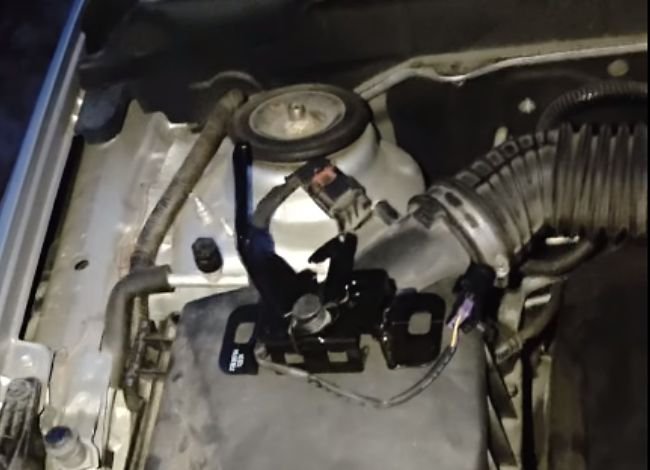
🔁 1. Replace Faulty EGT Sensor
- Choose an OEM or high-quality aftermarket replacement
- Expect to spend $100–$300 for parts and labor
🔁 2. Repair or Replace Damaged Wiring
- Use proper gauge automotive wire to splice broken connections
- In some cases, the entire wiring harness may need replacement
🔁 3. Replace the Hood Ajar Switch (If Faulty)
- Often an inexpensive fix
- Avoids false triggers that prevent DPF regeneration
🔁 4. ECM Replacement or Reprogramming
- If the ECM is corrupted or unresponsive, it may need to be reprogrammed or replaced
- This is a last-resort fix due to its cost and complexity
⏱️ How Long Does It Take to Fix?
| Task | Time Required |
|---|---|
| Full diagnostic scan | 15–30 minutes |
| Sensor replacement | 30–60 minutes |
| Wiring inspection/repair | 45–90 minutes |
| ECM reprogramming/replacement | 1–2 hours |
🛠 A professional shop can typically handle the full repair within one day, depending on parts availability.
💰 Repair Cost Breakdown for P257D Code
| Component | Estimated Cost (Parts + Labor) |
|---|---|
| Exhaust Gas Temp Sensor | $100–$300 |
| Wiring Harness Repair | $150–$500 |
| Hood Switch Replacement | $50–$150 |
| ECM Replacement | $400–$1,200 |
⚠️ Final costs depend on your vehicle make/model, labor rates in your area, and whether parts are OEM or aftermarket.
🧪 Important Note:
Even after the physical repair, you must clear the code using an OBD2 scanner and perform a test drive to confirm the issue has been fully resolved. Re-scanning after 50–100 miles of driving ensures no underlying problem was missed.
Final Words
The P257D code is a serious diagnostic trouble code that indicates a malfunction in the exhaust gas temperature sensor circuit, particularly affecting diesel-powered vehicles. Whether it’s a faulty sensor, a damaged wire, or even a misreading hood switch, the issue can cause:
- Stalling or failure to start
- Limp mode with speed limited to 5 MPH
- Failed emissions tests
- Inefficient DPF regeneration
- Increased fuel consumption and emissions
Early diagnosis and repair are critical to avoid expensive damage to your DPF, ECM, or entire emissions system. If you’re not comfortable troubleshooting vehicle electronics, it’s always best to consult a certified mechanic for proper diagnostics and safe repair.
Frequently Asked Questions (FAQs)
Q1: Can I drive with the P257D code?
Answer: It’s not recommended. While your car may still run, the P257D code can cause limp mode, stall the engine, or lead to further damage to emissions components like the DPF or turbocharger. Get it diagnosed and repaired as soon as possible.
Q2: Does the P257D code affect emissions?
Answer: Yes. It significantly affects emissions by disrupting the DPF regeneration process. A faulty EGT sensor can cause excess soot buildup, leading to increased pollutants and failed emissions inspections.
Q3: Will replacing the EGT sensor fix the P257D code?
Answer: Often, yes. The EGT sensor is the most common failure point. However, the issue could also lie in wiring, the ECM, or even the hood ajar switch—so always perform a full diagnostic scan before replacing parts.
Q4: How long does it take to fix the P257D code?
Answer: Repairs typically take 1 to 3 hours, depending on the root cause. A sensor swap is quick; ECM or wiring repairs may take longer.
Q5: How much does it cost to repair the P257D code?
Answer: The cost ranges from $100 to $1,200+, depending on whether the issue lies with the EGT sensor, wiring, or ECM. An accurate diagnostic will help you avoid unnecessary costs.
Summary: Key Takeaways for P257D Code
| Field | Details |
|---|---|
| Code | P257D – Engine Hood Switch/EGT Sensor Circuit Range/Performance |
| Symptoms | CEL ON, stalling, limp mode, failed start, poor fuel economy |
| Main Causes | Faulty EGT sensor, wiring damage, solenoid failure, bad hood switch, ECM |
| Affected Vehicles | Diesel models from Ford, Acura, Toyota, BMW, Honda, Chrysler |
| Severity | High – Requires immediate diagnosis and repair |
| DIY Repair | Not recommended unless you have diagnostic tools and automotive experience |
| Estimated Cost | $100–$1,200 depending on parts and labor |