
Last Updated on October 8, 2026
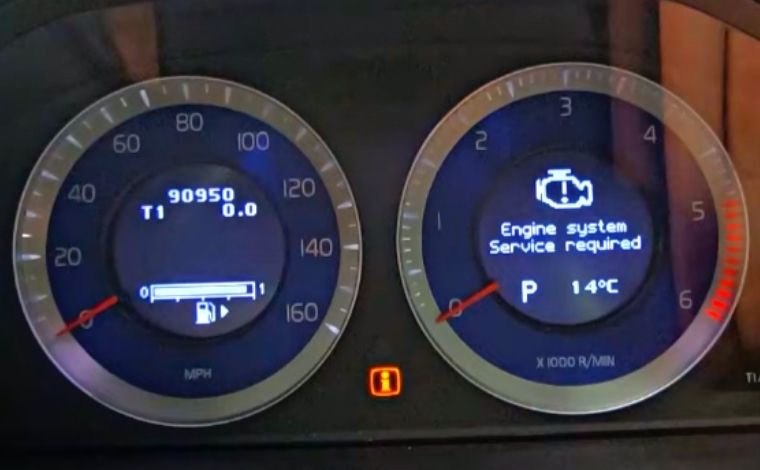
Seeing the “Engine System Service Required” message on your Volvo can be worrying, especially when you aren’t sure what’s causing it. Your car may seem to drive normally, or you might notice reduced power, rough idling, or other changes in engine performance.
Either way, the message deserves attention.
The Volvo Engine System Service Required warning generally means the vehicle has detected a problem that needs diagnosis. It doesn’t identify the exact faulty component, and it isn’t necessarily the same as a routine oil change or maintenance reminder.
Sometimes the cause is relatively minor. Other times, it may involve an engine sensor, fuel delivery problem, or emissions-related fault.
Let’s look at what the warning means, what might cause it, whether you can keep driving, and how to diagnose the problem without replacing parts unnecessarily.
What Does Volvo Engine System Service Required Mean?
The Volvo Engine System Service Required message indicates that the vehicle’s engine management or related electronic system needs attention.
Volvo vehicles use onboard computers to monitor engine operation and other vehicle systems. When a monitored fault meets certain conditions, the car may display a message in the instrument cluster.
The message itself doesn’t tell you which part has failed.
For example, a problem with airflow measurement, fuel control, or another engine-related system may lead to a service warning. The actual cause depends on the Volvo model, engine, and diagnostic trouble codes stored in the vehicle.
A compatible OBD2 scanner may retrieve some relevant information, but detailed diagnosis can require a tool with Volvo-specific system coverage.
Why Volvo Displays Engine Warning Messages
Like other modern vehicles, Volvo uses diagnostic trouble codes to record detected faults.
However, instead of displaying those technical codes directly on the dashboard, the vehicle may show a message such as:
- Engine System Service Required
- Reduced Engine Performance
- Engine System Service Urgent
- Time for Regular Maintenance
These messages do not all mean the same thing.
For example, a regular maintenance reminder indicates that scheduled servicing is due. An engine system warning points toward a fault that needs further investigation.
Volvo’s exact message wording and warning behavior vary between models and production years.
Common Causes of Volvo Engine System Service Required
There isn’t one component responsible for every Volvo Engine System Service Required warning.
However, several engine-related problems are worth considering when the message appears.
1. Airflow or Engine Sensor Problems
The engine computer relies on sensors to measure airflow, temperature, throttle position, and other operating conditions.
If a sensor produces an incorrect signal, the computer may have difficulty controlling the engine properly.
You might notice hesitation, rough idling, poor acceleration, or increased fuel consumption.
But a sensor-related trouble code doesn’t automatically mean the sensor needs replacing. Wiring damage, air leaks, or another engine problem may produce similar symptoms.
2. Fuel Delivery or Fuel Control Issues
A fuel delivery problem may affect engine performance and trigger a warning.
Possible causes include problems with fuel pressure, injectors, or related control components.
Symptoms may include difficult starting, hesitation, rough running, or reduced power.
Proper testing is needed before deciding whether a fuel component is defective.
3. Turbocharger or Boost Control Problems
On turbocharged Volvo engines, a boost control problem may affect acceleration and engine performance.
Possible causes include leaking boost hoses, damaged connections, or faults within the turbocharger control system.
Some vehicles may reduce available engine power when the computer detects a problem that could affect engine operation.
4. Emissions System Faults
Problems involving oxygen sensors, catalytic converter monitoring, or other emissions-related components can also produce engine warnings.
On applicable diesel models, faults involving the EGR or diesel emissions system may be relevant.
The exact systems present depend on the engine and model year.
5. Wiring or Electrical Problems
Damaged connectors, poor electrical connections, or unstable system voltage can interfere with electronic components.
Sometimes a warning appears intermittently because a connection is loose or affected by moisture.
These problems can be difficult to identify without reviewing stored fault information and performing electrical checks.
How Serious Is the Engine System Service Required Warning?
The seriousness depends on the fault and how the vehicle is behaving.
If your Volvo starts normally and drives without unusual symptoms, the message may not indicate an immediate emergency. However, it should still be diagnosed promptly.
If the engine loses substantial power, misfires severely, overheats, or produces unusual noises, the situation is more serious.
Volvo also uses warnings such as “Stop Engine,” “Stop Safely,” and “Service Urgent” on applicable models. These should be treated according to the instructions in the owner’s manual.
When You Should Stop Driving
Pull over safely and stop driving if you notice:
- Engine overheating or steam.
- Severe shaking or misfiring.
- A flashing Check Engine Light.
- A red warning directing you to stop the engine.
- Major power loss that makes driving unsafe.
- Unusual mechanical noises or signs of serious engine trouble.
In these situations, continuing to drive could cause additional damage or create a safety risk.
If the vehicle is running normally and no urgent warning is present, arrange a diagnostic inspection as soon as practical rather than ignoring the message.
How to Diagnose Volvo Engine System Service Required
Before attempting to reset the warning, identify what caused it.
Here’s a practical approach.
Step 1: Record the Exact Warning Message
Write down the message as it appears on the dashboard.
Note whether the Check Engine Light is also illuminated and whether you notice rough idling, reduced power, hard starting, or other symptoms.
This information can help a technician identify which system needs attention.
Step 2: Check for Obvious Problems
With the engine safely switched off, look for obvious problems such as disconnected hoses, damaged wiring, or visible fluid leaks.
Check the relevant fluid levels according to your owner’s manual.
Never open a pressurized coolant cap while the engine is hot.
Step 3: Read Diagnostic Trouble Codes
Connect a compatible diagnostic scanner and retrieve any available trouble codes.
Record the codes and related freeze-frame information before clearing anything.
A generic OBD2 scanner may retrieve standardized engine and emissions-related faults, but it may not display all Volvo-specific diagnostic information.
If you’re unfamiliar with the codes your scanner retrieves, our OBD2 trouble codes list and meanings explains common definitions and possible causes.
For deeper diagnosis, a Volvo-compatible scanner or Volvo’s VIDA diagnostic platform may be necessary.
Step 4: Confirm the Actual Cause
Use the stored codes, vehicle symptoms, and appropriate diagnostic tests to narrow down the problem.
For example, an airflow-related code could involve a sensor, an intake leak, damaged wiring, or another condition.
When available, live sensor readings can help you compare how the engine behaves at idle and under different operating conditions. Our guide on how to read OBD2 live data explains the purpose of readings such as fuel trims, airflow, and coolant temperature.
Replacing a sensor without checking these possibilities could waste money.
Step 5: Repair and Verify
After identifying the fault, complete the necessary repair.
Clear appropriate diagnostic information only when the procedure calls for it, and verify whether the warning returns.
Some faults also require a successful drive cycle or onboard monitor test before the repair can be fully verified.
Can You Reset Engine System Service Required Without Repairing It?
You may be able to clear certain fault messages using compatible diagnostic equipment, but doing so doesn’t repair the underlying problem.
If the fault is still present, the warning may return.
More importantly, the familiar Volvo trip-odometer reset procedure is generally intended for the regular maintenance service reminder, not for correcting an engine management fault.
These are different situations, and confusing them can delay the proper repair.
Volvo XC90 and C30: Engine Warning vs. Maintenance Reset
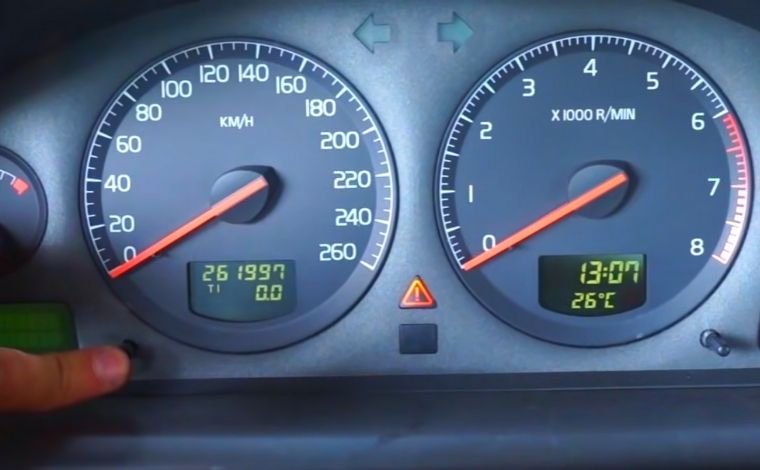
Some older Volvo models use a trip-meter button and ignition sequence to reset scheduled maintenance reminders.
However, those procedures vary by model year and should not be presented as a universal way to clear an engine system fault.
Volvo XC90 Engine System Service Required
On an XC90, the message should be investigated using the vehicle’s stored diagnostic information.
Earlier XC90 generations have different controls and diagnostic systems from newer models.
If the message is actually “Time for Regular Service,” the appropriate maintenance reminder procedure may apply after the scheduled service has been completed.
But if the dashboard says “Engine System Service Required,” resetting the maintenance reminder will not correct a fault in the engine management system.
2006 Volvo XC90 Engine Warning
On a 2006 XC90, start by checking the exact dashboard message and whether the vehicle has performance or starting problems.
Unusual symptoms should be diagnosed rather than attributed to a specific button sequence or dashboard display behavior.
A compatible Volvo diagnostic tool may provide fault information that a basic code reader cannot access.
Volvo C30 Service Warning
The Volvo C30 also uses dashboard messages to communicate maintenance requirements and detected faults.
If the message concerns scheduled servicing, a model-specific maintenance reset procedure may be available.
If it concerns the engine system, the correct approach is to retrieve fault codes and diagnose the problem.
Check the owner’s manual for your specific model year rather than following a reset sequence intended for a different Volvo.
Engine System Service Required vs. Time for Regular Maintenance
This distinction is particularly important for Volvo owners.
| Dashboard Message | What It Generally Means | What to Do |
|---|---|---|
| Engine System Service Required | An engine-related fault needs diagnosis | Read codes and arrange appropriate inspection |
| Time for Regular Maintenance | Scheduled vehicle maintenance is due | Complete the required service |
| Service Urgent | A system needs immediate workshop attention | Follow the warning and seek prompt assistance |
| Stop Engine / Stop Safely | Potentially serious fault or damage risk | Stop safely and follow the owner’s manual |
Regular maintenance reminders may be reset after completing the scheduled work.
Engine fault warnings should be handled through diagnosis and repair rather than a routine maintenance reset.
Can a Regular OBD2 Scanner Diagnose This Volvo Warning?
Sometimes, but not always completely.
A basic OBD2 scanner may read standardized engine trouble codes that help explain the warning.
However, Volvo-specific fault information, enhanced data, and certain control modules may require a more capable diagnostic tool.
Professional technicians working on Volvos may use VIDA or other compatible diagnostic equipment to retrieve detailed information.
If your scanner reports “No Codes Found” while the warning remains, don’t assume the vehicle has no faults.
The scanner may lack access to the system that recorded the problem. This is one reason our guide on Check Engine Light on but no codes discusses scanner coverage and communication limitations.
How Much Does Volvo Engine System Service Required Cost to Fix?
There isn’t one fixed repair price because the dashboard message doesn’t identify a specific failed component.
A relatively simple wiring or hose problem may be inexpensive to repair.
A faulty sensor, fuel system component, or turbocharger-related problem could cost considerably more.
Diagnostic fees also vary depending on the repair shop, location, and testing required.
Before approving an expensive repair, ask the technician which fault codes were stored, what testing confirmed the problem, and whether other possible causes were checked.
That information is more useful than replacing parts based only on the warning message.
Frequently Asked Questions
1. What does Volvo Engine System Service Required mean?
It generally means the vehicle has detected an engine-related problem that requires diagnosis. The message itself doesn’t identify the exact faulty component.
2. Can I drive with Engine System Service Required showing?
It depends on the symptoms and accompanying warnings. If the car drives normally without urgent alerts, arrange an inspection promptly. If it overheats, misfires severely, loses substantial power, or instructs you to stop, pull over safely.
3. Will the warning disappear after an oil change?
Not necessarily. An engine system fault warning is different from a scheduled oil service reminder. Changing the oil won’t clear an unrelated engine fault.
4. Can I reset the warning using the trip odometer button?
The trip-odometer procedure on certain older Volvos is used for maintenance reminders. It isn’t a reliable method for diagnosing or repairing an engine system fault.
5. Why does my Volvo show Engine System Service Required but no Check Engine Light?
The vehicle may have recorded a fault that triggers a dashboard message without illuminating the standard Check Engine Light. The exact behavior depends on the vehicle and fault.
Conclusion: Take Volvo Engine System Service Required Seriously
The Volvo Engine System Service Required message shouldn’t be ignored, but it doesn’t automatically mean you’re facing a major engine repair.
Some causes are relatively simple, while others require more involved testing.
Start by recording the exact dashboard message, checking for unusual symptoms, and retrieving the available diagnostic trouble codes.
Most importantly, don’t confuse an engine fault warning with a regular maintenance reminder. Resetting a service interval won’t fix a problem with engine operation.
With the right diagnostic information and a confirmed repair, you can address the real issue without spending money on unnecessary parts.