
Last Updated on October 8, 2026
Seeing a car with a key symbol on the dashboard can be confusing, especially when your vehicle suddenly refuses to start. You might wonder whether the key fob battery is dead, the car’s security system is malfunctioning, or something more expensive has gone wrong.
In many vehicles, this symbol is connected to the immobilizer or keyless entry system. It may appear when the car cannot recognize an authorized key.
However, the symbol doesn’t always indicate a problem. Some vehicles have a security light that flashes normally when the engine is off and the anti-theft system is armed.
The exact meaning depends on your vehicle’s make, model, and warning light design.
Let’s look at what the symbol means, why it appears, and what you should check before spending money on repairs.
What Does a Car With a Key Symbol on the Dashboard Mean?
The car with a key symbol on the dashboard usually relates to the vehicle’s security, immobilizer, or electronic key recognition system.
Modern cars often use a programmed transponder key or smart key fob. The vehicle must recognize the correct electronic key information before allowing the engine to start.
If the system cannot verify the key, it may prevent starting and display a warning.
When the Symbol Is Normal
On some vehicles, a small security or car-and-key symbol flashes periodically after you turn off the ignition.
This can simply mean the anti-theft system is armed.
If the light behaves normally according to your owner’s manual and the car starts without problems, you may not need to do anything.
When the Symbol Indicates a Problem
The warning deserves attention if:
- The engine won’t start with your usual key.
- The light stays illuminated when the ignition is on.
- A message says “Key Not Detected” or “Keyless System Malfunction.”
- The warning behaves differently from its normal pattern.
- The vehicle starts and then stalls because key authorization has failed on a system designed to operate that way.
Don’t assume all vehicles use the same symbol or flashing pattern. Check the owner’s manual before deciding what it means.
Common Causes of the Car With a Key Symbol on the Dashboard
If the car with a key symbol on the dashboard appears alongside starting problems, several things could be responsible.
1. Dead or Weak Key Fob Battery
A weak key fob battery is one of the first things worth checking, particularly in vehicles with push-button starting.
If the battery is too weak, the vehicle may have difficulty detecting the smart key.
You might notice shorter remote-control range, intermittent unlocking, or a “Key Not Detected” message.
However, traditional transponder keys often use a passive chip that doesn’t depend on the remote’s coin-cell battery for immobilizer authorization.
2. Wrong or Unprogrammed Key
If you’re using a newly cut key or replacement fob, it may not have been programmed correctly.
The physical key might fit the ignition, but that doesn’t guarantee the immobilizer will accept its electronic code.
Trying a known working spare key can help identify whether the original key is the problem.
3. Immobilizer System Fault
The immobilizer prevents unauthorized engine starting.
If its reader, antenna, wiring, or related control system malfunctions, the vehicle may fail to recognize a valid key.
These problems often require vehicle-specific diagnostic equipment.
4. Electronic Signal Interference
Smart key systems use wireless communication, which can sometimes be affected by nearby electronics or other objects.
For example, keeping the fob next to certain electronic devices or metal objects may interfere with reliable detection.
Try moving the key away from other items and closer to the designated detection area.
5. Damaged Key or Transponder
Dropping a key, exposing it to water, or damaging its internal electronics may cause communication problems.
Even if the key looks fine from the outside, its internal components could be damaged.
6. Weak Vehicle Battery or Electrical Problems
A weak 12-volt vehicle battery can cause multiple electronic systems to behave unexpectedly.
Low voltage, poor battery connections, damaged wiring, or control module communication faults may contribute to key recognition problems.
These should be checked before assuming an expensive immobilizer module needs replacing.
7. Control Module Malfunction
Less commonly, a body control module, smart key control module, or related electronic unit may malfunction.
Module replacement should be considered only after proper electrical testing and diagnosis.
How to Fix a Car With a Key Symbol on the Dashboard
When the warning appears, start with the simplest checks. You may be able to identify the problem without replacing anything expensive.
1. Try Your Spare Key
If you have another programmed key, try it.
If the spare works normally but the original doesn’t, the problem may involve the original key, its battery, or its programming.
If neither key works, check the vehicle battery and key recognition system before buying another fob.
2. Replace the Key Fob Battery
For a smart key or remote fob, check the correct battery type in your owner’s manual.
Many use CR2032 or CR2025 batteries, but the exact type varies.
To replace it:
- Open the fob according to the manufacturer’s instructions.
- Remove the old battery carefully.
- Install the specified replacement with the correct polarity.
- Reassemble the fob and test its operation.
Replacing the battery won’t repair a damaged transponder or incorrectly programmed key.
3. Try the Manufacturer’s Backup Starting Method
Many push-button start vehicles have a backup method for recognizing a smart key with a depleted battery.
Depending on the vehicle, you may need to hold the fob against the start button or place it in a designated compartment.
Follow the exact procedure in your owner’s manual.
Don’t assume the same method works on every vehicle.
4. Check the Vehicle’s 12-Volt Battery
If the dashboard lights are unusually dim, the starter doesn’t respond, or several warning lights appear together, check the main vehicle battery.
Inspect the battery terminals for corrosion or loose connections.
A weak battery can produce electrical symptoms that look like a security system fault.
Avoid disconnecting the battery simply to erase the warning. This is not a universal immobilizer reset and may remove useful diagnostic information or affect electronic settings.
5. Inspect the Key and Ignition Area
On a vehicle with a traditional ignition key, check for obvious physical damage to the key and ignition cylinder.
Don’t force a key that won’t turn.
On push-button vehicles, make sure the required brake or clutch pedal is being pressed and that the start button isn’t visibly damaged.
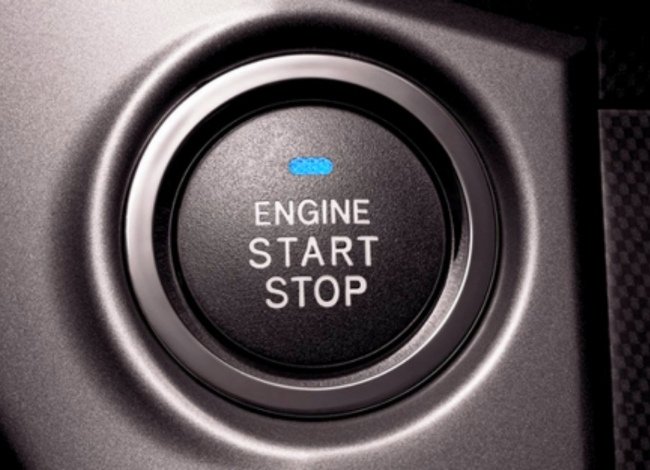
Mechanical ignition problems and electronic key recognition faults are different issues, even though both can prevent starting.
6. Check for Diagnostic Trouble Codes
If the basic checks don’t help, diagnostic scanning may reveal faults related to the immobilizer, key recognition system, or module communication.
However, a basic OBD2 code reader normally focuses on standardized engine and emissions-related codes.
Reading immobilizer or body control module faults may require an advanced scanner with specific coverage for your vehicle.
For a better understanding of different fault categories, our OBD2 diagnostic trouble codes guide explains powertrain, body, chassis, and communication code groups.
Don’t assume a generic “Clear Codes” function will reset the anti-theft system or program a key.
7. Have the Key or Immobilizer Professionally Tested
If the car still won’t recognize a known working key, contact a qualified automotive locksmith or repair technician.
They can check supported key information, antenna operation, module faults, and programming requirements.
Depending on the vehicle, key replacement or programming may require specialized equipment and security authorization.
If you want to understand what dedicated programming equipment can do, our guide on how to use an Autel key programmer explains the different types of key learning and programming functions.
Avoid replacing control modules until the fault has been confirmed.
Quick Troubleshooting Checklist
| What to Check | What It Can Tell You |
|---|---|
| Security light behavior | May be normal when the anti-theft system is armed |
| Spare programmed key | Helps compare key-specific problems |
| Key fob battery | May explain poor smart key detection |
| Backup start procedure | May allow starting with a weak smart key battery |
| Vehicle battery voltage | Helps identify low-voltage electrical problems |
| Advanced diagnostic scan | May reveal relevant security or communication faults |
| Professional key testing | Helps confirm programming or hardware faults |
Can You Drive With the Car and Key Warning Light On?
It depends on why the warning is illuminated.
If the light flashes normally while the car is parked and the security system is armed, there’s generally nothing to worry about.
If the vehicle won’t recognize the key, you may not be able to start the engine at all.
If the vehicle is already running and displays a key warning, don’t assume it will suddenly shut down. Many keyless vehicles can continue running even after the smart key is no longer detected.
However, the engine may not restart after you switch it off.
If the warning appears while driving, follow the owner’s manual and arrange an inspection. Avoid shutting off the engine in an unsafe location.
How Much Does It Cost to Fix a Car With a Key Symbol on the Dashboard?
The cost depends on the actual problem.
Replacing a key fob battery is inexpensive, while key programming, electrical diagnosis, or module replacement can cost considerably more.
Here are broad U.S. budgeting estimates rather than guaranteed repair quotes.
| Repair or Service | Approximate U.S. Cost |
|---|---|
| Key fob battery | $3–$15 |
| Professional diagnosis | $75–$200+ |
| Replacement key or smart fob with programming | $100–$500+ |
| Automotive locksmith service | $75–$250+ |
| Ignition lock repair | $150–$500+ |
| Immobilizer or control module repair | Several hundred dollars or more |
Actual costs depend on the vehicle, local labor rates, parts availability, and whether additional programming is needed.
How to Avoid Unnecessary Repair Costs
Before buying a replacement key or control module, try a known working spare key and check the main vehicle battery.
If a repair shop recommends replacing an immobilizer module, ask what diagnostic tests confirmed the fault.
A qualified automotive locksmith may be able to handle some key and programming problems, while others require dealership-level equipment or authorization.
Getting a proper diagnosis first is usually cheaper than replacing parts based on the warning symbol alone.
When Should You Contact a Mechanic or Automotive Locksmith?
Professional diagnosis is appropriate when:
- Both the primary and spare keys fail.
- The vehicle repeatedly displays “Key Not Detected.”
- The security warning remains on with the ignition switched on.
- The vehicle battery is healthy but starting is still blocked.
- A replacement key requires programming.
- Diagnostic testing identifies a module or communication fault.
If the problem involves a lost or damaged key, an experienced automotive locksmith may be a suitable choice.
If it involves wiring, module communication, or a broader electrical problem, a qualified automotive technician may be more appropriate.
When comparing equipment for more advanced security-system work, our car key programmer comparison explains how dedicated programming tools differ from ordinary code readers.
Frequently Asked Questions
1. What does a car with a key symbol on the dashboard mean?
It commonly represents the vehicle’s security or immobilizer system. Depending on the vehicle, it may indicate normal anti-theft operation, an unrecognized key, or a keyless system fault.
2. Does a flashing car and key symbol always mean a problem?
No. Some vehicles flash the security indicator normally when parked. Check your owner’s manual to identify the expected warning pattern.
3. Can a dead key fob battery prevent my car from starting?
Yes, particularly with some smart key systems. However, many vehicles include a backup start procedure, and traditional passive transponder keys may still authorize starting even when the remote battery is dead.
4. Will disconnecting the car battery reset the immobilizer?
Not reliably. Battery disconnection isn’t a universal immobilizer repair and may cause other electronic settings to reset. Follow manufacturer-approved procedures instead.
5. Can a regular OBD2 scanner diagnose the key warning?
Not always. Basic OBD2 readers may miss immobilizer and body control module faults. A scanner with vehicle-specific security system coverage may be needed.
If a scanner cannot connect to the vehicle at all, check our guide on why the OBD2 port may not be working before assuming the immobilizer is responsible.
6. Does a car with a key symbol mean I need a new key?
No. A weak fob battery, interference, low vehicle battery voltage, or a system fault can produce similar symptoms. Test the key before replacing it.
7. Should I visit a dealership or an automotive locksmith?
A qualified automotive locksmith can handle many key replacement and programming jobs. Dealership service may be necessary for certain restricted programming procedures or complex electronic faults.
8. Can the car shut off while driving because the key isn’t detected?
Many keyless-start vehicles continue running if the key is no longer detected, but they may not restart once switched off. Behavior varies by model, so follow the vehicle’s warning instructions.
Conclusion: Don’t Ignore the Warning, but Don’t Guess Either
A car with a key symbol on the dashboard doesn’t always mean you’re facing an expensive repair.
Sometimes it’s normal security system behavior. Other times, it may be caused by a weak key fob battery, an unrecognized key, electrical interference, or a genuine immobilizer fault.
Start with the owner’s manual, check the key and batteries, and try a known working spare.
If the warning remains or the car won’t start, have the correct system diagnosed before replacing keys or electronic modules.
Understanding what the symbol means can save you money, prevent unnecessary repairs, and help you make a better decision when your car refuses to start.