
Last Updated on October 8, 2026
Driving a car makes everyday life easier, whether you’re commuting to work, running errands, or heading out for a weekend trip. But even a reliable car can develop problems as the miles add up.
Some issues start small. Maybe your steering wheel shakes slightly on the highway, your engine takes longer to start, or a warning light suddenly appears on the dashboard.
Knowing the most common problems with cars can help you recognize these warning signs before they turn into expensive repairs or leave you stranded.
In this guide, we’ll cover 14 common car problems, their possible causes, typical repair costs, and what you should do when they happen.
Why You Shouldn’t Ignore Car Problems
Every vehicle experiences wear and tear. Parts age, fluids deteriorate, and electrical components can fail without much warning.
Sometimes a small problem is easy to fix. Other times, the same symptom can point to something serious.
For example, a shaking steering wheel might come from unbalanced tires, but it could also indicate a worn suspension component. Likewise, an overheating engine can suffer major damage if you continue driving.
The key is knowing which symptoms require immediate attention and which ones need a scheduled inspection.
14 Most Common Problems With Cars and Estimated Repair Costs
These are broad U.S. repair-cost estimates. Actual prices depend on your vehicle, location, labor rates, and the cause of the problem.
| Common Car Problem | Approximate Repair Cost |
|---|---|
| 1. Faulty Exterior Lights | $20–$400+ |
| 2. Check Engine Light | $50–$2,000+ |
| 3. Brake Problems | $150–$1,000+ |
| 4. Engine Overheating | $100–$2,500+ |
| 5. Steering Wheel Vibration | $30–$800+ |
| 6. Radiator or Coolant Leak | $100–$1,200+ |
| 7. Faulty Vehicle Sensors | $100–$600+ |
| 8. Flat or Damaged Tires | $20–$400+ per tire |
| 9. Weak or Dead Battery | $100–$400+ |
| 10. Air Conditioning Problems | $100–$1,500+ |
| 11. Stuck Power Windows | $100–$500+ |
| 12. Poor Fuel Economy | Depends on the cause |
| 13. Transmission Problems | $150–$5,000+ |
| 14. Worn or Faulty Spark Plugs | $100–$500+ |
These ranges are for general budgeting, not guaranteed quotes. Diagnosis should come before approving a repair.
1. Broken Headlights, Brake Lights, or Turn Signals
Faulty exterior lights are among the most common problems with cars, especially as vehicles get older.
A burned-out headlight reduces visibility at night. Broken brake lights or turn signals can also make it harder for other drivers to understand what you’re doing.
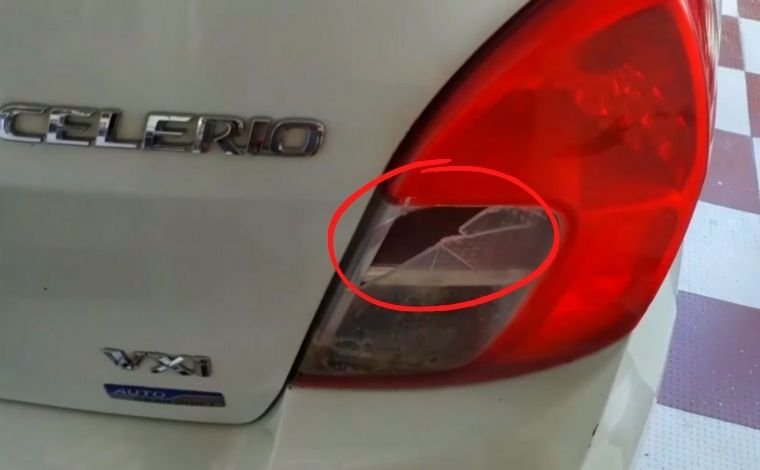
Common causes: Burned-out bulbs, faulty LED assemblies, damaged wiring, corroded connectors, or blown fuses.
What to do: Check your exterior lights regularly. Replace a failed bulb if it’s serviceable. If a new bulb doesn’t work, have the circuit, fuse, and connections inspected.
2. Check Engine Light Comes On
Few dashboard warnings get a driver’s attention faster than the Check Engine Light.
It can appear for many reasons, including an EVAP leak, engine misfire, oxygen sensor problem, or catalytic converter issue.
Common diagnostic codes include:
- P0300: Random or multiple-cylinder misfire detected.
- P0420: Catalyst system efficiency below threshold.
- P0171: Fuel system too lean on Bank 1.
What to do: Read the stored trouble codes with a compatible OBD2 scanner. Don’t replace a component based on the code alone.
If you need help understanding the results, our OBD2 trouble codes list and meanings explains common codes and possible causes.
A steady Check Engine Light needs diagnosis. If it’s flashing, especially with rough running, reduce engine load and stop safely because a severe misfire could damage the catalytic converter.
If the warning is on but your scanner shows no codes, see our guide on why the Check Engine Light may be on with no codes.
3. Weak or Faulty Brakes
Brake problems should never be ignored. A soft pedal, grinding noise, longer stopping distance, or vehicle pulling during braking can indicate something is wrong.
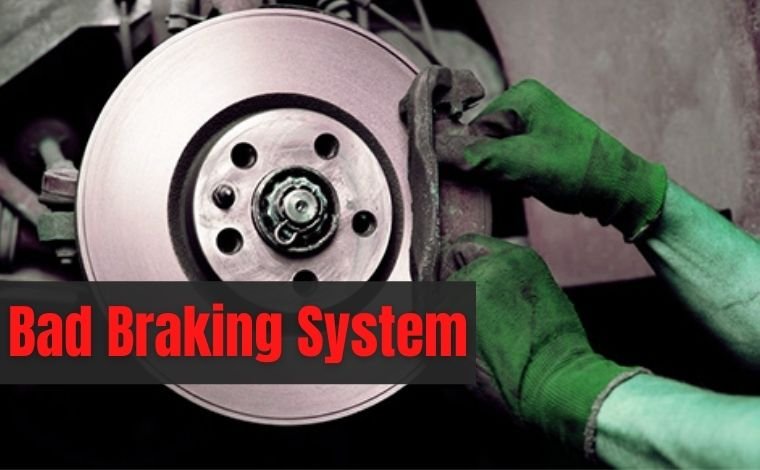
Possible causes: Worn brake pads, damaged rotors, sticking calipers, leaking brake fluid, or air in the hydraulic system.
What to do: Have unusual brake symptoms inspected promptly. If the pedal sinks toward the floor, braking ability is significantly reduced, or fluid is leaking, don’t continue driving. Arrange a tow.
Remember that a soft brake pedal isn’t always caused by worn pads. Hydraulic problems require different repairs.
4. Engine Overheating
Engine overheating can quickly turn into an expensive problem.
Warning signs include a rising temperature gauge, an overheating warning message, steam under the hood, or coolant escaping from the engine compartment.
Common causes: Low coolant, thermostat failure, radiator problems, a damaged cooling fan, or a failing water pump.
What to do: Pull over somewhere safe and shut off the engine if it’s overheating. Allow it to cool completely before inspecting the cooling system.
Never remove the radiator or pressurized coolant cap while the engine is hot. Escaping coolant and steam can cause serious burns.
If the engine overheated severely or coolant is leaking, have the vehicle inspected before driving again.
5. Steering Wheel Shakes While Driving
A shaking steering wheel is another common complaint, but the timing of the vibration provides useful clues.
If it happens mainly at highway speeds, tire or wheel imbalance is a common possibility.
If the shaking occurs primarily while braking, the problem may involve brake rotor thickness variation or another brake-related issue.

Other possible causes include damaged tires, bent wheels, worn suspension components, or wheel bearing problems.
What to do: Check tires for damage and unusual wear. Have the wheels, brakes, and suspension inspected based on when the vibration occurs.
Severe shaking or loose steering requires immediate attention.
6. Radiator or Coolant Leaks
A coolant leak can prevent the engine from maintaining a safe operating temperature.
You may notice a colored fluid beneath the vehicle, a sweet smell, a low coolant level, or the engine running hotter than normal.
Coolant color varies, so don’t identify a leak based on color alone.
Common causes: Damaged radiator tanks, leaking hoses, loose connections, or cooling system seals.
What to do: Check the coolant reservoir only when the engine is cool. If the level keeps dropping, have the cooling system pressure-tested.
Leak sealants aren’t a dependable permanent repair and may create additional cooling system problems. Fixing the actual leak is the better approach.
7. Faulty Vehicle Sensors
Modern engines rely on sensors to monitor airflow, temperature, exhaust conditions, and other operating information.
When a sensor or its circuit develops a problem, you may notice rough idling, hesitation, poor fuel economy, or a Check Engine Light.
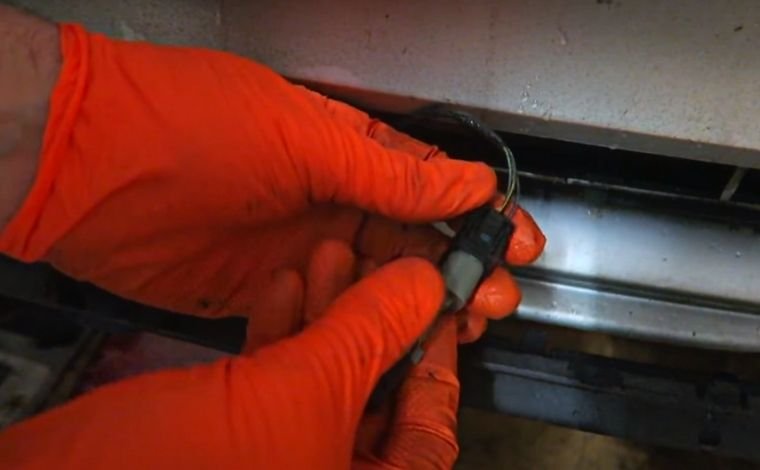
Common examples include oxygen sensors, mass airflow sensors, coolant temperature sensors, and wheel speed sensors.
What to do: Read relevant codes and compare available sensor readings with expected operating conditions.
A sensor-related code doesn’t necessarily mean the sensor itself is defective. Wiring, air leaks, or other system problems may produce similar readings.
For example, if you suspect an exhaust oxygen sensor problem, our guide on how to test an O2 sensor with an OBD2 scanner explains additional diagnostic checks.
8. Flat or Punctured Tires
Flat tires can happen without warning, especially after hitting road debris.
Common causes include nails, sharp objects, valve leaks, sidewall damage, or impact damage from potholes.
What to do: Stop safely if a tire loses pressure significantly. Don’t continue driving on a flat tire because it can damage both the tire and wheel.
A small puncture in the repairable tread area may be repairable after professional inspection. Sidewall damage usually requires tire replacement.
Check tire pressure monthly when the tires are cold, using the pressure specified on the vehicle’s door placard rather than the tire sidewall maximum.
If your tire pressure warning light remains on after correcting the pressure, it may be worth checking the TPMS system. Our TPMS diagnostic tools guide explains the tools used to test sensors and perform supported relearn procedures.
9. Weak or Dead Car Battery
A weak battery is one of the most common problems with cars, particularly when temperatures become extreme or the battery is aging.
Symptoms include slow cranking, clicking when starting, dim lights, or electrical accessories behaving unusually.
Possible causes: Battery aging, poor terminal connections, excessive electrical drain, or a charging system problem.
What to do: Inspect the terminals and have the battery tested.
A resting voltage near 12.4V doesn’t automatically mean the battery needs replacing. Voltage indicates charge condition, but battery health also depends on its ability to deliver current under load.
If the battery repeatedly goes flat, check the charging system and possible parasitic electrical draw before replacing parts.
10. Car Air Conditioner Not Cooling
A malfunctioning air conditioner can make summer driving uncomfortable.
Common symptoms include warm air from the vents, weak airflow, strange smells, or cooling that works only intermittently.
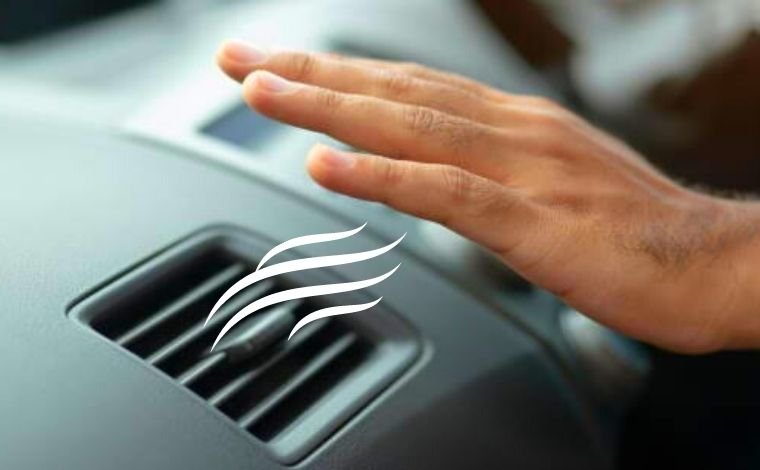
Possible causes: Refrigerant leaks, compressor problems, cooling fan faults, electrical issues, or a clogged cabin air filter.
What to do: Start with simple checks such as the cabin air filter and blower operation.
If the refrigerant charge is low, the system should be checked for leaks. Simply adding refrigerant may not solve the underlying problem, and improper charging can damage the system.
11. Power Windows Get Stuck
A power window that refuses to move can be frustrating, especially when it’s stuck open during bad weather.
Common causes include a faulty switch, blown fuse, damaged window regulator, failed motor, or a jammed window track.
What to do: Check whether the problem affects one window or several. If multiple windows stop working together, a shared power supply or control issue may be involved.
A damaged regulator or motor may need replacement. Avoid repeatedly pressing the switch if the window is jammed.
12. Poor Fuel Economy
If you’re filling up more often than usual, something may have changed with your driving conditions or vehicle.
Common causes include:
- Underinflated tires.
- Frequent short trips or heavy traffic.
- Worn ignition components.
- Fuel control or sensor problems.
- Dragging brakes.
- Incorrect maintenance or fluid specifications.
What to do: Compare fuel consumption over several fill-ups rather than relying only on one dashboard reading.
Check tire pressure and maintenance history first. If the drop is sudden or accompanied by rough running or warning lights, further engine diagnosis may be necessary.
If you have a scanner that supports live data, our guide on how to read OBD2 live data explains readings such as fuel trims and oxygen sensor information that may help during diagnosis.
13. Transmission or Gearbox Problems
Transmission issues can be expensive, but not every unusual shift means the entire gearbox needs replacing.
Warning signs include delayed engagement, slipping, harsh shifting, grinding noises, fluid leaks, or a burning smell.
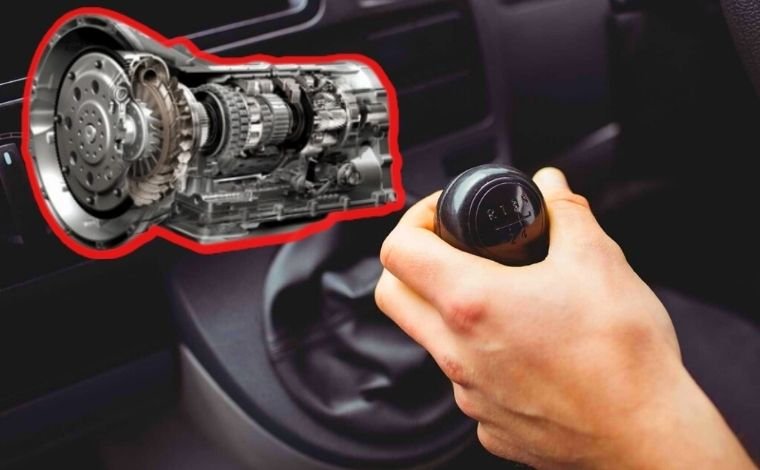
Possible causes: Low or degraded transmission fluid, control problems, worn clutches, damaged internal parts, or faulty solenoids.
What to do: Check for leaks and have the transmission diagnosed using the correct equipment.
Don’t automatically request a transmission flush. Fluid service requirements vary, and some transmissions need specific fluid types and procedures.
Some transmission faults can be investigated electronically. Our guide on whether an OBD2 scanner can read transmission codes explains the difference between basic code readers and scanners that can access the transmission control module.
If the transmission slips badly, won’t engage, or makes severe grinding noises, stop driving and arrange an inspection.
14. Worn or Faulty Spark Plugs
Spark plugs are relatively small parts, but they play an important role in gasoline engine operation.
Worn or damaged spark plugs may contribute to rough idling, hesitation, hard starting, poor acceleration, or engine misfires.
Possible causes: Normal electrode wear, incorrect plug gap, oil contamination, or damaged ignition components.
What to do: Follow the manufacturer’s spark plug replacement interval and use the specified plug type.
Don’t assume every misfire is caused by spark plugs. Ignition coils, injectors, compression problems, and other faults can produce similar symptoms.
Which Car Problems Need Immediate Attention?
Not every problem is an emergency, but some symptoms mean you should stop driving as soon as it’s safe.
| Warning Sign | Recommended Action |
|---|---|
| Engine overheating or steam | Pull over safely and shut off the engine |
| Brake pedal sinks or braking is severely reduced | Stop safely and arrange a tow |
| Flashing Check Engine Light with rough running | Reduce load, stop safely, and seek diagnosis |
| Flat or severely damaged tire | Stop safely; don’t drive on the flat tire |
| Severe steering or suspension instability | Stop driving and have the vehicle inspected |
| Severe transmission slipping or grinding | Avoid further driving and seek professional help |
How to Prevent Common Car Problems
You can’t prevent every breakdown, but regular checks can reduce your chances of getting stranded.
- Follow the vehicle manufacturer’s maintenance schedule.
- Check tire pressure at least once a month.
- Inspect exterior lights regularly.
- Pay attention to changes in braking and steering.
- Check fluid levels using the owner’s manual instructions.
- Have an aging battery tested before it fails.
- Investigate unusual noises, smells, leaks, and warning lights promptly.
Our car maintenance tips guide covers routine checks that can help reduce avoidable wear and unexpected repairs.
Also, remember that an OBD2 scanner is mainly a diagnostic tool. It can help investigate supported electronic and emissions-related problems, but it won’t identify every mechanical or safety issue.
Frequently Asked Questions
What are the most common problems with cars?
Some of the most common problems with cars include dead batteries, worn brakes, engine overheating, faulty sensors, tire punctures, electrical problems, and transmission issues.
How do I know if my car battery is failing?
Slow cranking, repeated jump-starts, and unusual electrical behavior are common clues. A proper battery load or conductance test can help determine whether replacement is necessary.
Why has my car’s fuel economy suddenly dropped?
Low tire pressure, changes in driving habits, dragging brakes, ignition problems, and incorrect sensor readings can all contribute. Compare several tanks of fuel and check for other symptoms.
What should I do if my engine overheats?
Pull over safely, shut off the engine, and allow it to cool. Never open a hot radiator cap. Have the cause diagnosed before continuing to drive.
How often should I service my car?
Follow the maintenance schedule in your owner’s manual. Oil changes, filter replacements, tire rotations, and other services have different intervals depending on the vehicle and operating conditions.
Can I drive with the Check Engine Light on?
A steady light may allow limited driving if the vehicle otherwise operates normally, but the cause should be diagnosed promptly. A flashing light, severe misfire, overheating, or loss of power requires more urgent attention.
Conclusion: Keep Your Car Healthy and Road-Ready
Understanding the most common problems with cars helps you recognize warning signs and make better repair decisions.
A weak battery, shaking steering wheel, unusual brake pedal, or rising temperature gauge may seem like a small problem at first. But each deserves the right level of attention.
The goal isn’t to replace parts every time something feels wrong. It’s to recognize the symptoms, check the likely causes, and confirm the problem before spending money.
With regular maintenance and timely inspections, you can reduce unexpected breakdowns and keep your car safer and more reliable.