
A check engine light appears, and you decide to buy a scanner. One option is a small Bluetooth adapter that sends information to your phone. The other is a wired handheld scanner with its own screen and buttons.
The Bluetooth adapter looks more modern and portable. The wired model looks simpler and more dependable. But appearance and connection type do not tell you which scanner has better diagnostic coverage.
A Bluetooth tool can be a basic engine-code reader or a professional full-system scanner. The same is true of a wired device. The more useful Bluetooth vs Wired OBD2 Scanner comparison begins with how you plan to use the tool—not which one has the cable.
Quick Verdict
Choose a Bluetooth OBD2 scanner if you want a compact adapter, a larger phone display, convenient live-data graphs, and the ability to save or share reports through an app.
Choose a wired scanner if you prefer a dedicated device that works without phone pairing, app permissions, incoming notifications, or a separate phone battery.
For deeper diagnosis, compare vehicle coverage, supported modules, live-data capabilities, service functions, and update costs before comparing the connection. Bluetooth does not automatically mean basic, and wired does not automatically mean professional.
What Does “Bluetooth OBD2 Scanner” Mean?
A Bluetooth scanner still plugs physically into the vehicle’s diagnostic connector. The wireless portion is the connection between that adapter and a phone, tablet, or dedicated scan-tool display.
The adapter communicates with the vehicle, converts the diagnostic information, and sends it to a compatible app. The phone or tablet then provides the menus, code descriptions, graphs, saved reports, and other software features.
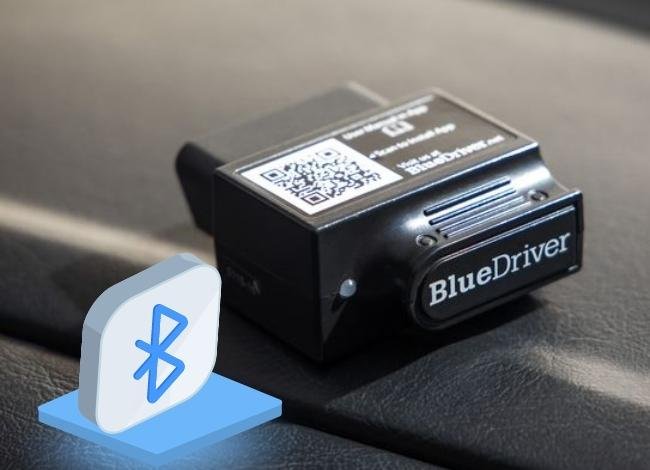
Bluetooth adapters may use Classic Bluetooth, Bluetooth Low Energy, or another manufacturer-supported wireless system. That distinction matters because phone and app compatibility can vary. A dongle that works with an Android device may not necessarily work with an iPhone unless it supports the required connection method.
Bluetooth scanner quality also varies widely. Two adapters that look almost identical may differ in connection stability, supported protocols, data speed, sleep behavior, and app support.
What Does “Wired OBD2 Scanner” Mean?
A wired scanner connects its handheld display directly to the diagnostic port through a cable. The device normally receives power from the vehicle and displays information on its built-in screen.
There is usually no phone pairing, mobile app, or wireless setup. You connect the scanner, switch it on, and follow its menu. This makes wired scanners appealing to people who want a tool that remains in the glovebox and is ready whenever a warning light appears.
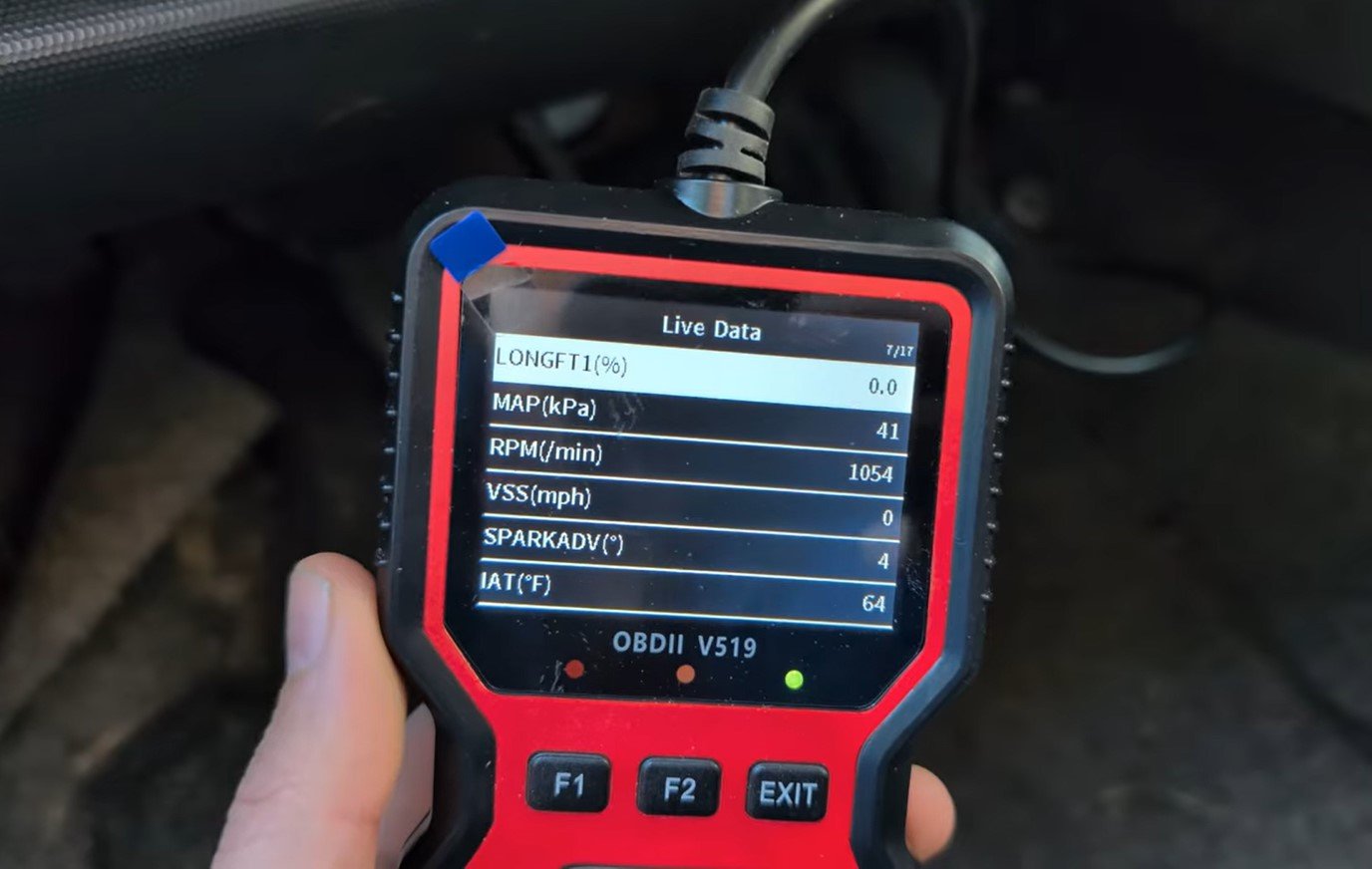
However, wired scanners also range from simple code readers to expensive professional diagnostic platforms. A cable does not guarantee ABS access, bidirectional testing, manufacturer-specific data, or programming functions.
SAE J1978 defines communication and regulated services for OBD-II scan tools, but manufacturers can add different enhanced capabilities. The tool’s software and vehicle coverage determine what it can access.
Bluetooth vs Wired OBD2 Scanner: The Six-Round Matchup
Round 1: Setup Speed and Everyday Convenience
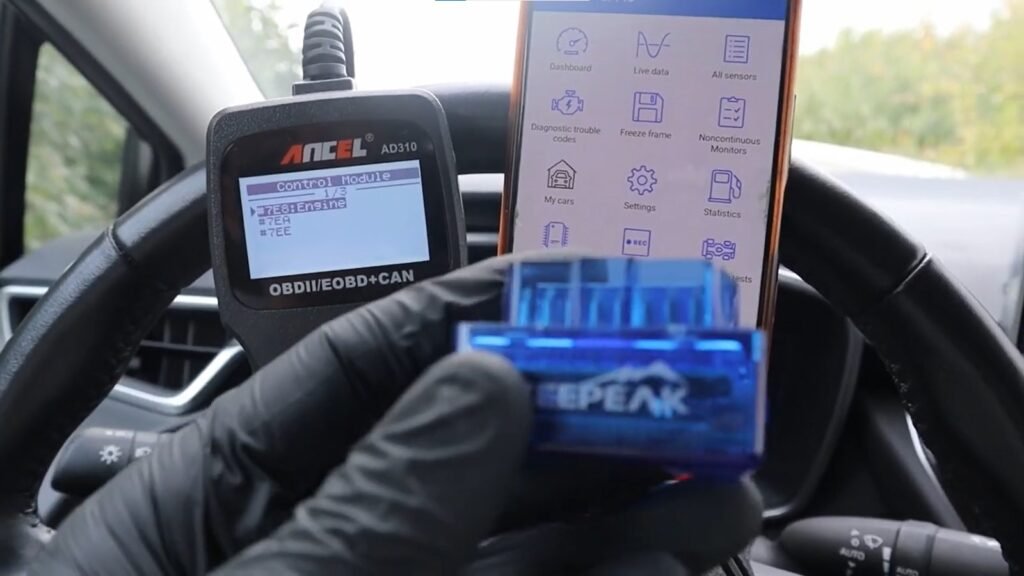
A wired scanner usually wins the first connection. Plug it into the OBD2 port, allow it to power up, and begin navigating the menu. There is no Bluetooth pairing process, companion app, account login, or phone permission to manage.
That simplicity is useful for occasional code checks, emissions-readiness checks, and situations where a phone is unavailable or has a low battery.
A Bluetooth scanner often requires more work during the initial setup. You may need to install the correct app, grant permissions, select the adapter, and confirm that the phone and vehicle communicate properly.
After setup, however, the Bluetooth tool can become more convenient. The adapter is small, easy to carry, and can reconnect quickly when the same phone and app are used again. It also eliminates the cable between the diagnostic port and display.
The weakness is dependency. A phone operating-system update, incorrect Bluetooth setting, expired app subscription, or pairing problem can delay a scan that a simple wired reader would perform immediately.
Round 1 verdict: Wired wins for immediate plug-and-use simplicity. Bluetooth wins for compact carrying and repeated app-based use once setup is complete.
Round 2: Screen, Controls, and Ease of Use
Bluetooth scanners normally use a phone or tablet as the display. That can provide a larger, brighter screen, touchscreen navigation, searchable definitions, detailed graphs, and easy report sharing. An app can also receive feature and compatibility updates without replacing the adapter.
The phone is doing several jobs at once, though. Calls, messages, notifications, screen glare, limited battery life, and app switching can interrupt a longer diagnostic session. The scanner also becomes less useful if the compatible phone is unavailable.
A wired scanner provides a dedicated interface. Physical buttons can be easier to operate than a touchscreen in some situations, and no incoming notification covers the data. The scanner is always a scanner rather than a multipurpose personal device.
Budget wired readers often have small screens, abbreviated descriptions, and slower menu navigation. Advanced handheld tools may have excellent displays, but they usually cost more and take up additional storage space.
Round 3: Live Data, Graphing, and Saving Reports
Reading a trouble code takes only a moment. Investigating an intermittent problem may require watching several data parameters, comparing values, and saving results for later review.
Bluetooth scanners often perform well in this round because a phone or tablet provides more screen space. A capable app may graph multiple PIDs, record a driving-session data log, save scan reports, and share results with a technician. App updates can also improve the interface or add supported features without replacing the adapter.
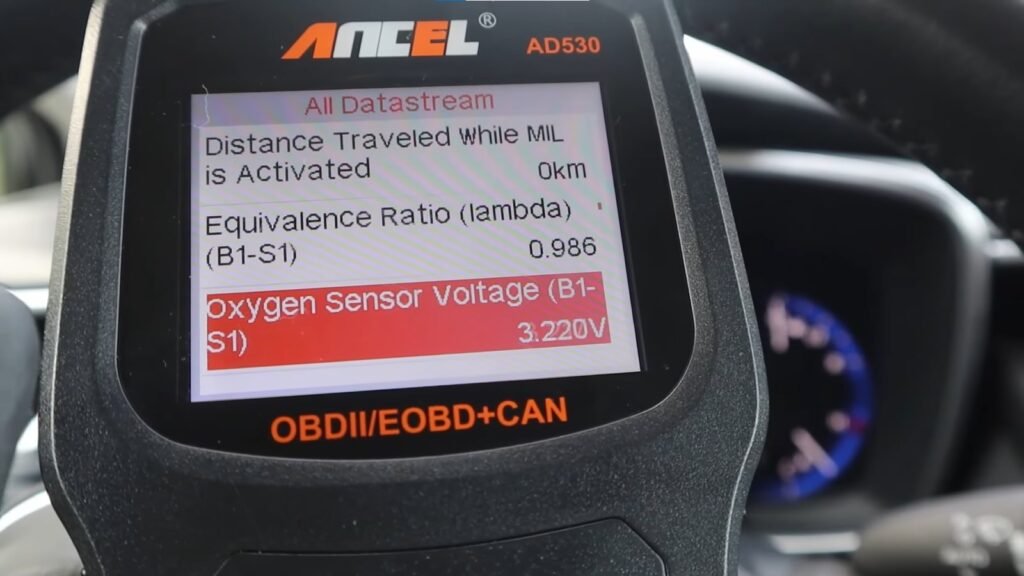
A basic wired scanner may show live data only as a scrolling list. Its small display can make it difficult to compare several values at once. However, advanced wired tools may provide excellent graphing, recording, and playback, so this is not an absolute Bluetooth advantage.
Refresh speed depends on more than the wireless connection. Vehicle protocol, adapter quality, scanner software, and the number of requested PIDs can all affect how quickly the display updates.
Round 3 verdict: Bluetooth generally offers better affordable graphing, logging, and sharing. At the professional level, performance depends more on the individual scanner than its connection type.
Round 4: Connection Stability and Mobility
A wired scanner removes the Bluetooth pairing step and one possible source of disconnection. As long as the diagnostic connector, cable, and scanner are functioning correctly, the physical link is usually predictable.
The cable can also become inconvenient. It limits how far the display can move from the port and may make it harder to view information from another area of the vehicle.
Bluetooth provides more freedom. The phone or tablet can be moved away from the driver’s footwell, making it easier to view data while inspecting supported systems. A quality adapter and well-designed app can remain stable enough for code reading, readiness checks, and ordinary live-data work.
Low-quality adapters may disconnect, respond slowly, or report incomplete information. Phone power-saving settings, app behavior, wireless interference, and distance can also affect the connection.
For module programming or another procedure where interruption could cause problems, follow the vehicle and tool manufacturer’s instructions and use the specifically approved interface. Do not assume that every wired connection is approved or that every Bluetooth connection is unsuitable.
Round 4 verdict: Wired wins for eliminating pairing and radio-related variables. Bluetooth wins for movement and display placement.
Round 5: Compatibility and Diagnostic Depth
This is the most important round in the Bluetooth vs Wired OBD2 Scanner comparison.
Connection type does not determine whether a scanner can read ABS, airbag, transmission, body-control, or manufacturer-specific codes. Those capabilities depend on the adapter hardware, app or scanner software, licenses, supported protocols, and exact vehicle coverage.
A basic wired reader may access only generic engine and emissions information. A compatible Bluetooth scanner may provide full-system diagnostics and selected service functions. The reverse is also possible: a professional wired tool may offer far deeper coverage than a low-cost Bluetooth dongle.
Phone compatibility adds another requirement. Apple provides Bluetooth Low Energy communication through its Core Bluetooth framework. Therefore, iPhone users should confirm that the adapter and its app specifically support iOS through BLE, MFi, or another approved method.
Android supports both Classic Bluetooth and Bluetooth Low Energy, but the exact combination still depends on the adapter and app. Never rely only on the words “Bluetooth compatible.” Check the supported operating system, app, vehicle, modules, and functions.
Newer diagnostic requirements may include CAN FD, DoIP, manufacturer security-gateway access, or paid authorization. These features are separate from whether the display connects by wire or Bluetooth.
Round 5 verdict: There is no connection-based winner. The correct tool is the one that supports the required systems and functions on the exact vehicle.
Round 6: Initial Price and Long-Term Cost
Bluetooth adapters often have a lower entry price because the phone supplies the display, storage, internet connection, and much of the computing power. This can make basic code reading and live-data graphing affordable.
The dongle price may not represent the total cost. Some apps require subscriptions, separate manufacturer packages, or payments for enhanced diagnostics and service functions. Future phone operating-system changes may also affect compatibility.
Wired scanners commonly use a one-time purchase model, especially at the basic level. There may be no app subscription, and the device does not depend on a personal phone. More advanced wired tools can still require paid software updates or brand-specific coverage.
Compare the complete ownership cost: hardware, app, subscriptions, updates, enhanced modules, and the number of vehicles supported.
Round 6 verdict: Bluetooth often has the lowest starting cost. Wired may provide more predictable ownership costs, but either type can become expensive at the professional level.
Bluetooth Scanner: Pros and Cons
| Pros | Cons |
|---|---|
| Compact and easy to carry | Requires a compatible phone and app |
| Larger screen and touchscreen controls | Initial pairing may take longer |
| Strong graphing and data logging | Connection quality varies by adapter |
| Easy report saving and sharing | Phone battery and notifications can interrupt use |
| App-based feature updates | Subscriptions or in-app purchases may apply |
| Wireless movement around the vehicle | Operating-system compatibility can change |
Wired Scanner: Pros and Cons
| Pros | Cons |
|---|---|
| Straightforward plug-and-use operation | Cable limits movement |
| Dedicated screen and controls | Budget models often have small displays |
| No phone pairing or mobile app required | Graphing may be limited |
| Predictable physical connection | Data sharing may be less convenient |
| Convenient as an occasional glovebox tool | Firmware updating can require extra steps |
| Often has clear one-time pricing | A wired connection does not guarantee advanced coverage |
The six rounds show why Bluetooth vs Wired OBD2 Scanner is not a simple contest between convenience and reliability. The adapter’s quality, diagnostic coverage, software, and long-term costs matter at least as much as the connection between the vehicle and display.
Bluetooth vs Wired OBD2 Scanner: Which Should You Choose?
There is no universal winner. The best choice depends on whether you value app-based data tools or immediate, phone-free operation.
| Your main priority | Better starting choice |
|---|---|
| Occasional check engine light scan | Basic wired scanner |
| Live-data graphing and recording | Bluetooth scanner |
| Small tool for multiple vehicles | Bluetooth scanner |
| Dedicated glovebox device | Wired scanner |
| No apps, pairing, or subscriptions | Wired scanner |
| Full-system or bidirectional diagnosis | Whichever verified tool has the required coverage |
| Both standalone and app-based use | Hybrid wired/Bluetooth scanner |
Choose Bluetooth When Data Matters Most
Bluetooth is usually the better fit if you regularly view live data, compare graphs, save scan reports, or send results to someone else. It also works well when portability matters and you already have a compatible phone or tablet.
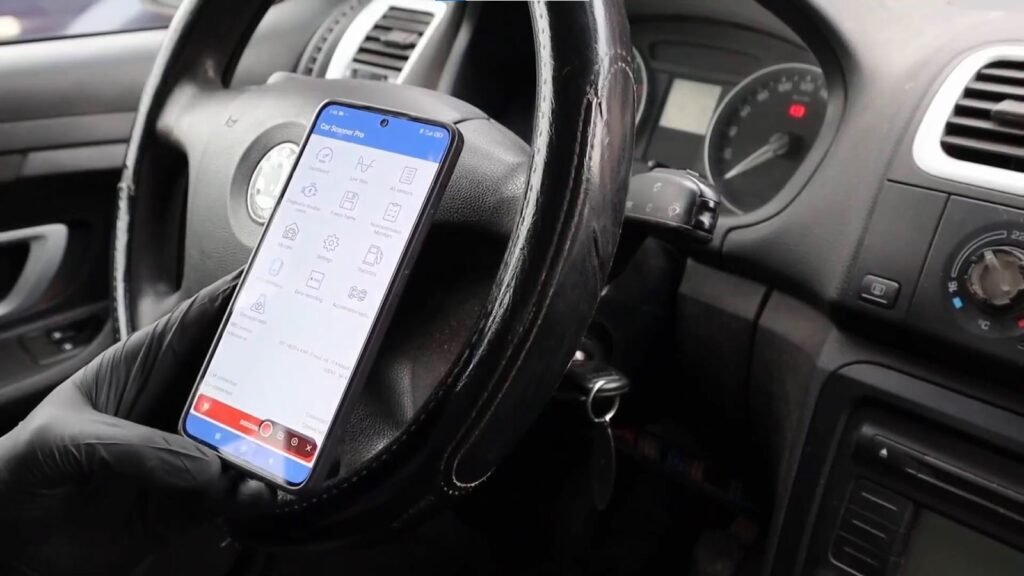
Confirm the exact app and operating-system requirements before buying. For an iPhone, look specifically for documented iOS compatibility rather than assuming every Bluetooth adapter will connect.
Choose Wired When Simplicity Matters Most
A wired scanner makes sense when the goal is quick code reading, readiness checks, and occasional troubleshooting without depending on a phone. It is easy to store as a dedicated vehicle tool, and there are no calls or notifications competing with the diagnostic screen.
Check the display size and live-data features. Some inexpensive wired readers provide little more than code numbers and basic readiness status.
Consider a Hybrid Scanner
A hybrid tool can operate from its built-in display and optionally connect to an app. This approach provides quick standalone scanning with the option of larger graphs and reports when needed.
It may be a useful middle ground, but confirm that the wired and app modes offer the required functions. Some hybrid tools provide different features in each mode.
Five Questions to Ask Before Buying
First, does the scanner support the exact year, make, model, and engine? “Works with OBD2 vehicles” may refer only to generic emissions functions.
Second, which modules can it access? Check specifically for engine, transmission, ABS, airbag, TPMS, and body systems rather than relying on “full-system” marketing.
Third, does it work with your phone and operating system? Verify Bluetooth Classic, BLE, MFi, app availability, and device requirements.
Fourth, what will it cost over several years? Include subscriptions, software updates, manufacturer packages, and paid service functions.
Finally, does it provide the features you will actually use, such as freeze-frame data, readiness, Mode 6, graphing, report export, bidirectional control, or service resets?
Common Buying Mistakes
Do not assume the cheapest Bluetooth dongles are equivalent simply because their cases look similar. Adapter hardware, protocol support, connection stability, and sleep behavior can differ substantially.
Do not assume a cable makes a scanner more advanced. A basic wired code reader may access less information than a quality Bluetooth tool.
Avoid leaving an unknown adapter permanently connected. The OBD port can supply power while the vehicle is off, and current draw varies by product. Remove the adapter when it is not in use unless its manufacturer specifically approves long-term installation and documents a suitable low-power sleep mode.
Also check app pricing before purchase. A low-cost adapter may depend on a subscription to unlock the features shown in its advertising.
Frequently Asked Questions
Is Bluetooth always slower than wired?
No. Wired removes the wireless step, but actual refresh speed also depends on the vehicle protocol, adapter hardware, software, and number of requested data parameters.
Are Bluetooth scanners reliable?
A quality, compatible adapter can be reliable for codes, readiness, and live data. Very cheap hardware and poorly supported apps are more likely to create connection or translation problems.
Can both types read ABS and airbag codes?
Yes, if the specific tool supports those modules on the vehicle. Neither connection type guarantees this capability.
Can a wired scanner display live data?
Yes. Many wired scanners show live data, although graphing and recording quality vary by model.
Which is better for a used-car inspection?
Either can work. Full module coverage, pending and permanent codes, readiness status, warning-light operation, and a physical inspection matter more than the connection type.
Can I leave a Bluetooth adapter plugged in?
Only if the manufacturer approves it for continuous installation and provides effective sleep or battery-saving behavior. Otherwise, remove it after use.
Which type is better for beginners?
A wired reader is often easier for simple code checks. Bluetooth may be better for beginners who prefer app explanations, larger screens, and visual data.
Conclusion
The final Bluetooth vs Wired OBD2 Scanner decision comes down to workflow. Bluetooth offers portability, flexible displays, strong affordable graphing, and easy report sharing. Wired provides immediate setup, dedicated controls, and freedom from phone or app dependency.
Choose the connection that makes the scanner easier for you to use, but judge its real value by vehicle coverage, supported modules, software quality, update policy, and total ownership cost.