
The repair is complete. The check engine light is off, and the car seems to run normally. Yet an OBD-II scan still displays the same trouble code under “Permanent.”
That situation can make a successful repair look like a failure. However, a permanent diagnostic trouble code, or PDTC, follows different rules from a pending, current, or history code. It was designed to remain in nonvolatile memory until the vehicle’s own diagnostic system verifies that the emissions-related malfunction is no longer present.
This is the central explanation for Why Permanent Code Won’t Clear immediately after a repair. The code is not waiting for another erase command. It is waiting for passing evidence from the monitor that originally detected the fault.
A permanent code cannot normally be forced out of memory by disconnecting the battery, repeatedly pressing “Erase Codes,” or using a more expensive scanner. Those actions may erase ordinary diagnostic information and reset readiness monitors, but the PDTC remains until its required clearing criteria are satisfied.
Quick Answer
The most common reasons a permanent code remains are that the original fault was not fully repaired, the relevant monitor has not run, its enabling conditions were not met, another fault is blocking the test, or the vehicle has not yet recorded the required passing result.
A scanner or battery disconnect cannot directly erase a true PDTC. The legitimate path is:
Repair the fault → allow the responsible monitor to run → obtain a passing result → let the OBD system clear the permanent code.
The California Bureau of Automotive Repair confirms that PDTCs cannot be erased by clearing ordinary codes or disconnecting the battery. The OBD system must verify that the previously identified defect is no longer present.
First, Confirm What the Scanner Is Showing
Not every code that remains after a repair is permanent. Scan tools may display current, pending, confirmed, stored, history, and permanent codes on separate screens. Some inexpensive readers and apps label these categories inconsistently.
| Dashboard and scan status | What it usually suggests |
|---|---|
| Check engine light on with current and permanent codes | The fault may still be active, or another code is commanding the light |
| Light off, no current or pending codes, permanent code only | The repair may be successful, but verification is incomplete |
| Light off, permanent code, related monitor not ready | The monitor has not completed its post-repair test |
| Light off, permanent code, related monitor ready | Code-specific criteria, scan-tool interpretation, or a known vehicle issue should be checked |
| Code listed only as stored or history | It may be an ordinary retained code rather than a true PDTC |
Standardized permanent emissions codes are generally retrieved through OBD Mode $0A. If one scanner reports a code as permanent while another shows it only as history, verify the status with equipment that correctly supports permanent-code data.
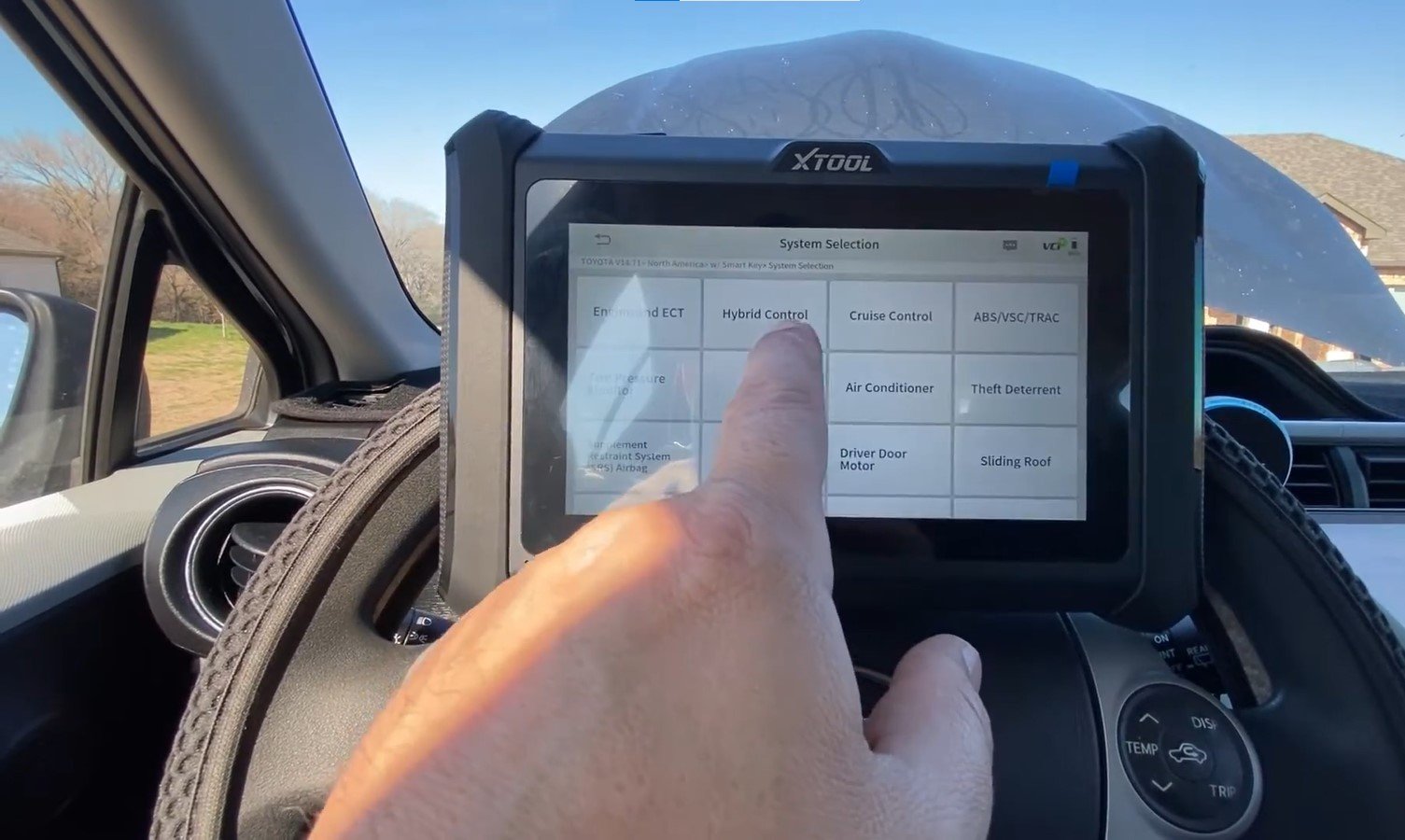
The dashboard light and the code status must also be interpreted separately. A light that turns off means the computer is no longer commanding the warning for that fault. It does not guarantee that all diagnostic records have already been erased.
The Four Clearance Gates
Understanding Why Permanent Code Won’t Clear becomes easier when the process is divided into four gates.
The first gate asks whether the actual malfunction was repaired. The second determines whether the responsible monitor was allowed to run. The third requires a passing result that proves the fault is gone. The fourth ensures the code status is correctly updated and reported.
If any gate remains closed, the permanent code stays in memory.
Gate 1: The Repair Must Be Correct
Cause 1: The Root Cause Was Not Fully Repaired
A trouble code identifies a system condition or failed test; it does not necessarily identify the component that should be replaced.
For example, an oxygen-sensor-related code may involve the sensor, its wiring, an exhaust leak, incorrect air-fuel mixture, or another condition that changes the sensor’s readings. A catalyst-efficiency code can also have several possible causes. Replacing the part mentioned in the code description does not guarantee that the underlying problem has been corrected.
If the monitor runs and sees the same failure again, the PDTC cannot clear. A pending or confirmed code may also return, and the check engine light may eventually illuminate again.
The appropriate fix is to compare the original code, freeze-frame conditions, current data, and completed repair. If the diagnosis was based only on the code name, the root cause should be reevaluated before more parts are installed.
Cause 2: An Intermittent or Related Fault Is Still Present
Some faults do not occur continuously. A damaged wire, poor connection, small leak, temperature-sensitive component, or inconsistent sensor signal may pass one test and fail another.
This can create a confusing pattern: the check engine light turns off, the car appears normal, but the permanent code does not disappear. The OBD system may have detected another failure before it collected enough clean evidence to clear the PDTC.
Related problems can create the same delay. A second current or pending code may interfere with the monitor connected to the original fault. The repaired component may be working, while another part of the same system prevents a complete passing test.
This is another reason Why Permanent Code Won’t Clear cannot be solved by simply driving more miles. Before waiting for additional cycles, confirm that no current or pending codes have returned and that the repaired system is operating consistently.
Gate 2: The Monitor Must Be Allowed to Run
Fixing the original problem is only the first gate. The vehicle’s computer must also get a suitable opportunity to test the repaired system. If that test cannot run, the permanent code may remain even when the car appears to operate normally.
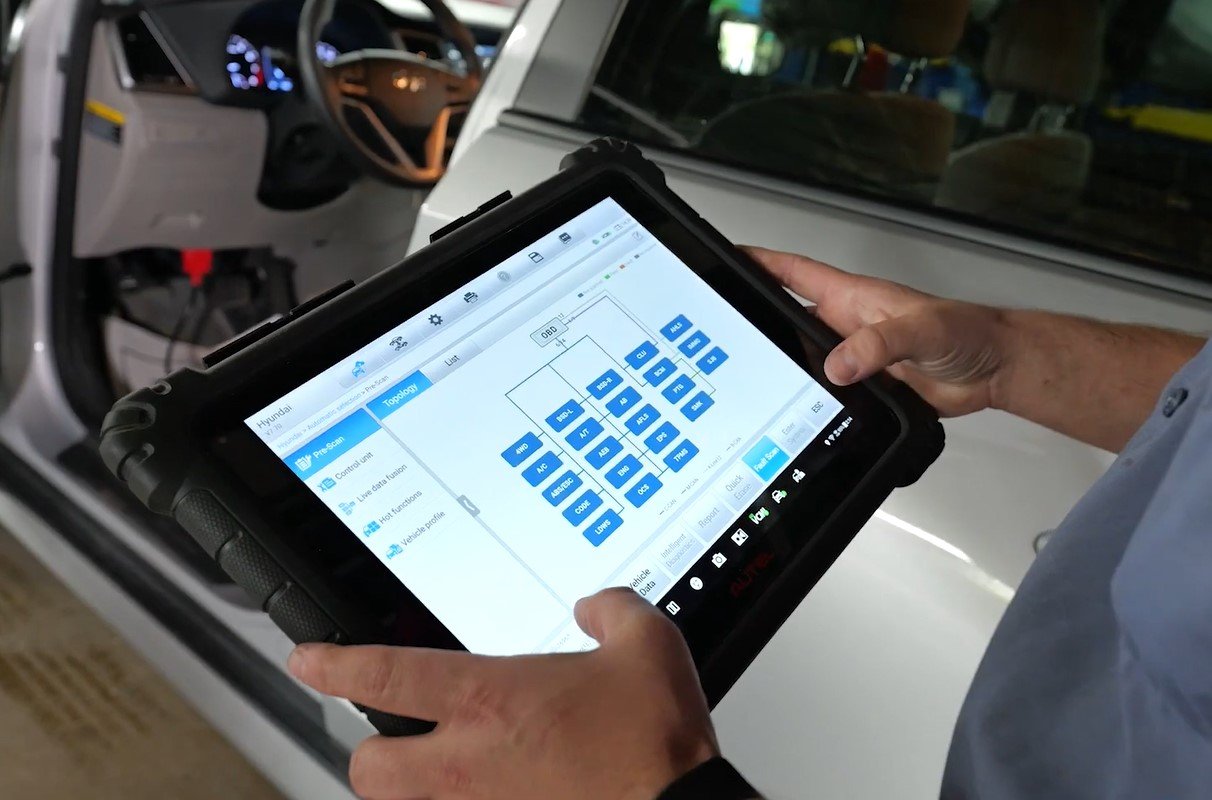
3. The Required Enable Conditions Have Not Been Met
Every emissions monitor has its own “enable conditions”—a specific set of circumstances that must exist before the computer will begin testing the system. Depending on the monitor, these conditions may involve:
- Engine and outside temperature
- Fuel level
- Vehicle speed and engine load
- Time since startup
- A cold or warm engine
- Steady cruising, acceleration, or deceleration
Simply driving a certain number of miles does not guarantee that the required monitor has run. For example, an EVAP monitor may not operate when the fuel tank is nearly empty or completely full. A catalyst monitor may require the engine to reach normal operating temperature before testing begins.
This explains Why Permanent Code Won’t Clear in many vehicles that have already been repaired. The owner may have driven for several days, but the responsible monitor never encountered the conditions needed to verify the repair.
Instead of following a random internet drive cycle, check the manufacturer’s service information for your exact year, make, model, engine, and trouble code. Any road testing should be performed legally and safely by a qualified driver or technician.
4. Another Fault Is Blocking the Necessary Test
One monitor may depend on information from several other systems. If one of those supporting systems has a problem, the computer can suspend the monitor responsible for the permanent code.
Consider a catalyst-related code. The computer may need reliable information from the oxygen sensors, coolant-temperature sensor, fuel-control system, and misfire monitor before it can evaluate catalytic-converter performance. If an engine-temperature fault prevents the engine from reaching its expected operating range, the catalyst test may not run.
A full-system scan is important here. Check for current and pending codes—not only the permanent code. Also review monitor readiness and relevant live data. A seemingly unrelated fault may be the real reason verification remains incomplete.
Gate 3: The Computer Must Collect Passing Evidence
Once the monitor is allowed to run, it must complete its test and record an acceptable result. Until that happens, the permanent DTC is retained as proof that the fault previously caused the malfunction indicator light to turn on.
5. The Responsible Monitor Has Not Completed a Passing Test
A vehicle can feel normal and have its check engine light turned off while the computer is still waiting for a successful monitor result. In some cases, the monitor may begin but fail to finish because driving conditions change before the test is complete.
There is no universal rule saying every permanent code disappears after one, three, or forty drive cycles. The required verification depends on the vehicle, monitor, code, and manufacturer’s software strategy. What matters is not the number of trips alone—it is whether the responsible monitor actually completed and accepted the repaired system’s performance.
Monitor readiness provides a useful clue. If the relevant monitor still shows “not ready,” the computer probably has not completed its evaluation. If it is ready but the permanent code remains, further diagnosis may be necessary.
6. The Codes or Battery Were Reset Again
Disconnecting the battery or using a scan tool to clear ordinary DTCs does not directly erase a true permanent code. It can, however, reset readiness monitors and remove useful diagnostic information.
That forces the vehicle to begin parts of its self-testing process again. Repeatedly clearing codes may therefore delay the computer’s ability to verify the repair. It may also hide pending faults temporarily, making diagnosis more confusing.
After a confirmed repair, avoid unnecessary resets. Allow the OBD system to complete its monitoring process unless the manufacturer’s repair procedure specifically requires a reset.
Gate 4: The Result Must Be Reported Correctly
Sometimes the vehicle has completed the required testing, but the information shown by the scan tool is incomplete or misleading.
7. The Scanner Is Misreading the Code Status
Basic code readers and mobile apps do not always separate current, pending, stored, history, and permanent codes clearly. A scanner may display the same code number in multiple categories, leading the owner to believe the fault is still active.
A true permanent DTC should be checked through OBD Mode $0A using a compatible scan tool. Confirm whether the same code also appears as current or pending. If it appears only in the permanent category and the warning light remains off, the vehicle may simply be completing its verification process.
When results do not make sense, compare them with a professional-grade scanner. The tool should also display readiness-monitor status and freeze-frame or live data where available.
8. The Vehicle Has a Software or Known Clearing Issue
In a small number of vehicles, a permanent code may remain because of a powertrain-control-module calibration problem or another manufacturer-specific issue. A technical service bulletin, software update, recall, or extended-warranty program may apply.
California’s Bureau of Automotive Repair maintains information about certain vehicles with known permanent-code clearing problems. However, these exceptions are model-specific and should not be treated as proof that every stubborn code is caused by faulty software.
Search using the exact year, make, model, engine, and DTC. A dealership or qualified repair facility can also check manufacturer service databases and verify whether the control module has the latest calibration.
When investigating Why Permanent Code Won’t Clear, use the four gates in order: confirm the repair, check whether the monitor can run, verify that it has passed, and make sure the result is being reported correctly. This approach is more reliable than clearing codes repeatedly or driving aimlessly and hoping the code disappears.
What Actually Clears a Permanent Code?
A permanent DTC clears only after the vehicle’s onboard diagnostic system confirms that the original problem is no longer present. The normal process is straightforward:
- Diagnose and repair the actual fault.
- Confirm that no current or pending codes remain.
- Allow the responsible monitor to run under its required conditions.
- Let the computer record a passing result.
- Recheck Mode $0A to confirm that the permanent code has disappeared.
A scan tool cannot force this final step. Disconnecting the battery, removing a fuse, or clearing ordinary codes will not directly delete a true permanent DTC.
How Long Does a Permanent Code Take to Clear?
There is no fixed number of miles or drive cycles that applies to every vehicle. Some codes disappear after the relevant monitor completes successfully during a few normal trips. Others take longer because their monitors require less-common operating conditions.
If the permanent code remains after repeated normal use, check the relevant readiness monitor. A “not ready” result suggests that the test has not finished. If the monitor is ready but the code remains, inspect for pending faults, incorrect repair work, scan-tool limitations, or vehicle-specific software issues.
Do not perform an aggressive or unsafe drive cycle. Follow the manufacturer’s procedure and keep all road testing safe and legal.
The 200-Mile and 15-Warm-Up Rule Explained
California’s Bureau of Automotive Repair provides an inspection exception for certain 2010-and-newer vehicles. During a Smog Check, permanent codes may be disregarded when at least 15 warm-up cycles and 200 miles have occurred since the OBD information was last cleared.
This does not mean every permanent code automatically clears after 200 miles and 15 warm-up cycles. It is an inspection rule—not a universal code-erasing formula. The vehicle’s computer still controls when the DTC is removed from permanent memory.
What You Should Do Next
First, scan every available module and determine whether the code is current, pending, stored, or permanent. Then verify that the original repair addressed the real cause rather than only replacing the component named in the code description.
Check monitor readiness and avoid clearing the computer again. If the relevant monitor will not complete, obtain the manufacturer’s enable conditions or ask a qualified technician to perform the verification. When the monitor is complete but the code remains, confirm the result with a compatible professional scan tool and check for technical service bulletins, recalls, or software updates.
When Should You Stop Driving?
A permanent code by itself does not always mean the car is unsafe, especially when the warning light is off and no current fault is present. However, stop driving and arrange professional help if the check engine light flashes or the vehicle develops severe misfiring, overheating, stalling, heavy smoke, fuel odors, or a major loss of power.
These symptoms suggest an active problem that may cause additional damage or create a safety risk.
Frequently Asked Questions
Can a scan tool erase a permanent DTC?
No. A standard scan tool can clear current, pending, and stored information, but it cannot directly erase a true permanent code. The onboard diagnostic system must verify the repair.
Will disconnecting the battery remove it?
No. Battery disconnection may reset readiness monitors and erase useful diagnostic information, but the permanent code remains. This can make the verification process take longer.
Can I pass an emissions inspection with a permanent code?
Rules vary by state. In California, a qualifying permanent DTC may cause a Smog Check failure unless the vehicle meets an applicable exception. Check the current inspection requirements where the vehicle is registered.
What if the warning light is off?
That is encouraging, but it does not prove the verification process is complete. Check for current and pending codes, monitor readiness, and permanent codes before assuming the problem is fully resolved.
Final Thoughts
The answer to Why Permanent Code Won’t Clear usually lies behind one of four gates: the fault was not completely repaired, the monitor has not been allowed to run, the computer has not recorded a passing result, or the result is being reported incorrectly.
Do not keep resetting the system or replacing parts based only on the code description. Confirm the repair, monitor status, and code category first. Once the responsible monitor completes successfully, the vehicle—not the scan tool—will remove the permanent code.