
Your car’s temperature gauge suddenly climbs toward hot, but the engine doesn’t seem overheated. Or maybe the radiator fan keeps running, your fuel economy has dropped, and the engine struggles to start on cold mornings.
These could be bad coolant temperature sensor symptoms. The engine coolant temperature (ECT) sensor tells your car’s computer how hot the engine is. When that information is wrong, the computer may adjust fuel delivery incorrectly, operate the cooling fan unexpectedly, or trigger a check engine light.
But here’s where diagnosis gets tricky: a faulty thermostat, low coolant, damaged wiring, or an actual overheating problem can produce similar warning signs.
Before replacing the sensor, you need to know whether the engine is really running too hot or the computer is simply receiving incorrect temperature information.
Let’s look at eight warning signs and the checks that can help you find the real problem.
What Does the Engine Coolant Temperature Sensor Actually Do?
The engine coolant temperature sensor measures the temperature of the coolant circulating through your engine.
Most conventional ECT sensors use a temperature-sensitive resistor called a negative temperature coefficient (NTC) thermistor. Its electrical resistance decreases as coolant temperature increases.
The engine control module (ECM or ECU) interprets this electrical signal to estimate engine temperature.
Depending on the vehicle, that information helps control:
- Fuel delivery during cold starts and warm-up.
- Idle speed and certain ignition strategies.
- Radiator cooling fan operation.
- Emissions-related engine controls.
- Temperature warnings and dashboard displays.
The sensor is commonly installed in the cylinder head, thermostat housing, or an engine coolant passage.
Some vehicles have multiple temperature sensors. Older designs may use a separate sending unit for the dashboard gauge, while others use ECU data to operate the gauge.
Also, don’t confuse the coolant temperature sensor with a coolant level sensor. One measures temperature; the other monitors coolant quantity.
8 Bad Coolant Temperature Sensor Symptoms You Should Know
A failing ECT sensor can report temperatures that are too high, too low, or completely inconsistent. The symptoms depend on the incorrect signal and how your vehicle’s computer responds.
1. Temperature Gauge Gives Wrong or Erratic Readings
One of the clearest warning signs is a temperature gauge that behaves unusually.
For example, the gauge may suddenly jump from cold to hot, drop back toward cold, or show an unusually high reading shortly after starting an engine that has been sitting overnight.
A failing sensor or intermittent electrical connection can cause these changes.
However, normal temperature readings don’t always move smoothly on the dashboard. Many modern vehicles use damped gauges that stay near the middle across a range of normal operating temperatures.
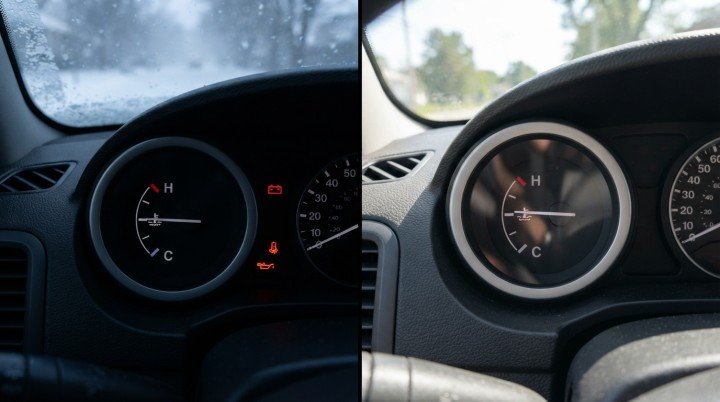
Some vehicles also use a separate temperature sender for the gauge.
What to check: Compare the dashboard reading with ECT live data from a compatible OBD2 scanner. If the scan reading changes suddenly without a reasonable explanation, inspect the sensor circuit. If the gauge and scan data disagree, check how your particular vehicle’s display receives temperature information.
2. Check Engine Light Comes On With ECT Sensor Codes
A faulty coolant temperature sensor or its electrical circuit may trigger the check engine light.
The engine computer monitors the sensor signal and can detect certain voltage problems, intermittent readings, or temperatures that don’t behave as expected.
Common diagnostic trouble codes include:
| Code | Meaning |
|---|---|
| P0115 | Engine Coolant Temperature Sensor Circuit Malfunction |
| P0116 | ECT Sensor Circuit Range/Performance |
| P0117 | ECT Sensor Circuit Low Input |
| P0118 | ECT Sensor Circuit High Input |
| P0119 | ECT Sensor Circuit Intermittent |
For example, P0118 generally indicates that the computer detects an excessively high voltage in the ECT circuit. On many NTC sensor circuits, this corresponds to an extremely cold reported temperature, often caused by an open circuit.
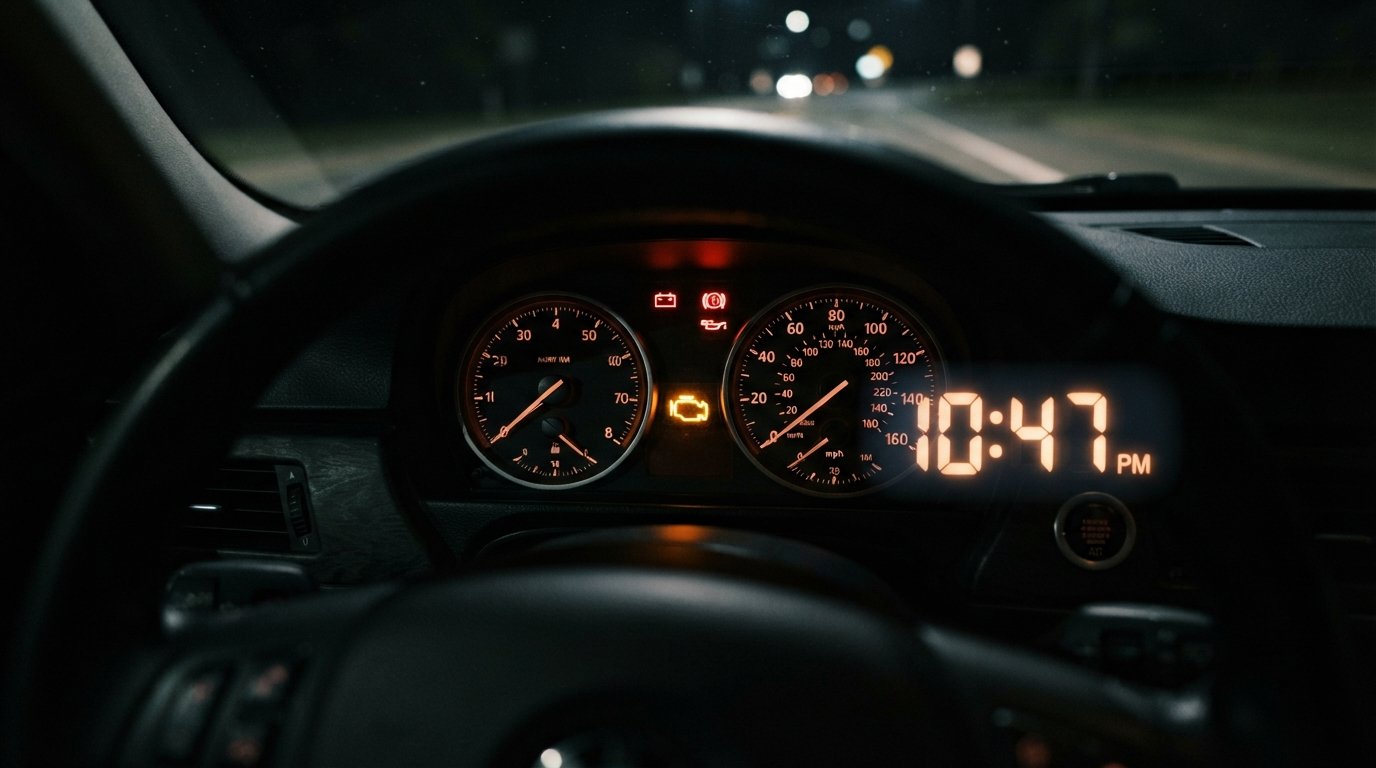
But that doesn’t automatically mean the sensor itself is defective. A disconnected plug or broken wire can produce the same code.
What to check: Read stored and pending codes, examine freeze-frame data when available, and inspect the sensor connector before buying replacement parts.
3. Engine Struggles to Start When Cold
Your engine needs different fuel delivery when it’s cold compared with when it’s fully warmed up.
During a cold start, the computer uses coolant temperature information to determine how much additional fuel is needed.
If the ECT sensor incorrectly reports that the engine is already warm, the computer may provide insufficient cold-start enrichment.
The result can be extended cranking, hesitation immediately after startup, or an engine that starts but runs poorly until it warms up.
The opposite can also happen. A sensor that falsely reports extremely cold temperatures may cause excessive enrichment and contribute to difficult starting.
Of course, a weak battery, fuel delivery problem, or ignition fault can produce similar symptoms.

What to check: Before the first start of the day, compare the ECT reading with ambient temperature and intake air temperature. A major difference after the vehicle has completely cooled suggests a sensor or circuit problem.
4. Rough Idle, Hesitation, or Occasional Stalling
Does the engine idle roughly after startup or hesitate when you press the accelerator?
Incorrect coolant temperature information can affect fuel delivery and idle control, particularly while the engine is warming up.
If the computer believes the engine is much colder than it really is, it may command unnecessary fuel enrichment. If it believes the engine is already hot, it may use a strategy that isn’t appropriate for a cold engine.
Depending on the vehicle, this can contribute to rough idle, hesitation, or occasional stalling.
However, these symptoms aren’t unique to the ECT sensor. Vacuum leaks, dirty throttle bodies, ignition problems, and fuel system faults are also common possibilities.

What to check: Look for temperature-related trouble codes and compare live ECT readings with actual engine conditions. Don’t replace the sensor based on rough idle alone.
5. Poor Fuel Economy and Increased Fuel Consumption
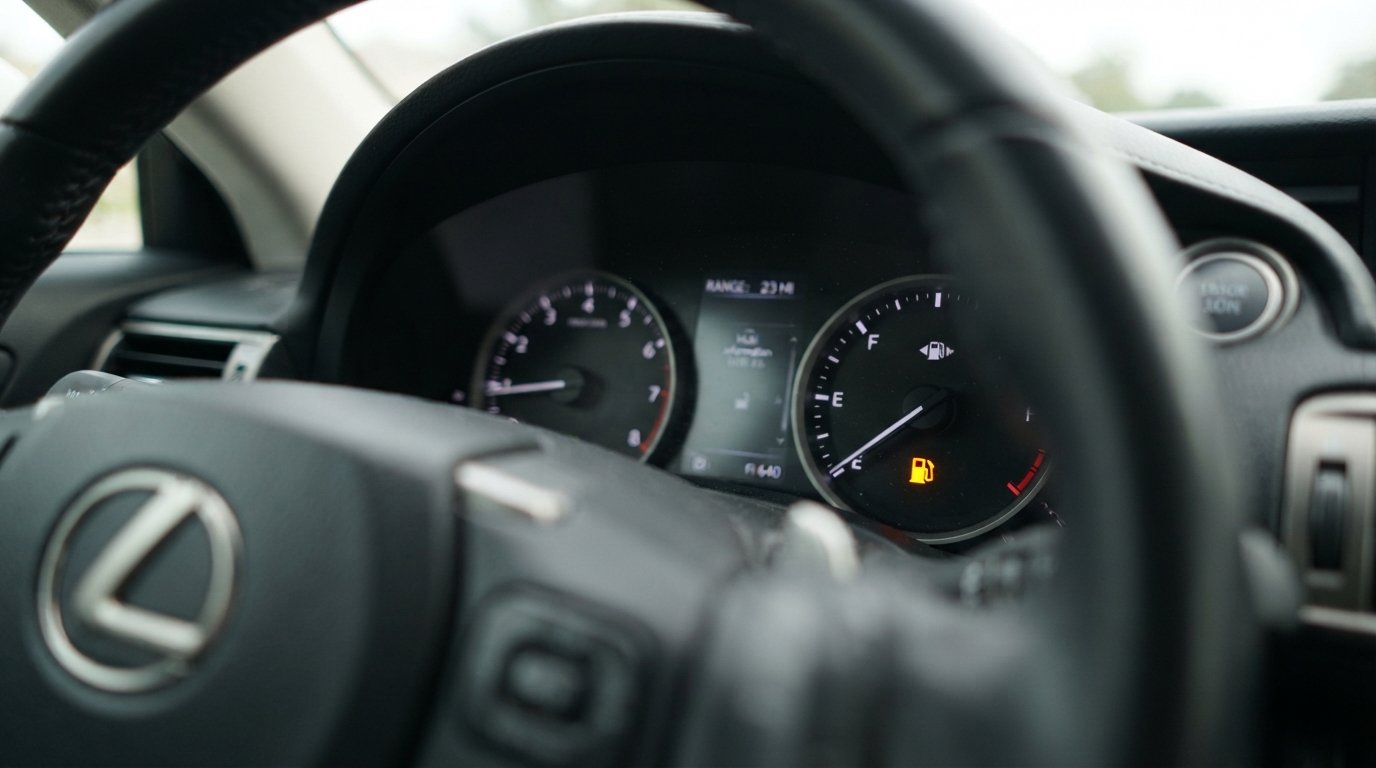
A faulty coolant temperature sensor can reduce fuel economy without producing an obvious driving problem.
Imagine your engine has reached normal operating temperature, but the sensor continues reporting that it’s cold.
Depending on the engine management strategy, the computer may maintain unnecessary fuel enrichment or delay certain warm-engine operating modes.
Over time, that can increase fuel consumption.
You might notice that you’re filling the tank more frequently even though your driving habits haven’t changed.
But there’s another possibility: the engine may actually be running too cold because the thermostat is stuck open.
In that case, the sensor may be reporting the temperature correctly.
What to check: Watch the ECT reading as the engine warms up. If it takes unusually long to reach the manufacturer’s expected operating range, investigate thermostat operation before blaming the sensor.
6. Black Exhaust Smoke or Strong Fuel Smell
A sensor that reports an incorrectly low coolant temperature can sometimes cause the engine to run excessively rich.
That means more fuel is being supplied than the engine needs under the current conditions.
Possible signs include:
- Black smoke from the exhaust.
- A strong fuel smell.
- Increased fuel consumption.
- Rough running during warm-up.
However, modern engine computers use oxygen sensor feedback and other controls to correct fuel mixture under many operating conditions. A bad ECT sensor won’t necessarily cause visible smoke.
Leaking fuel injectors, incorrect airflow readings, and other fuel system problems can also produce rich-running symptoms.
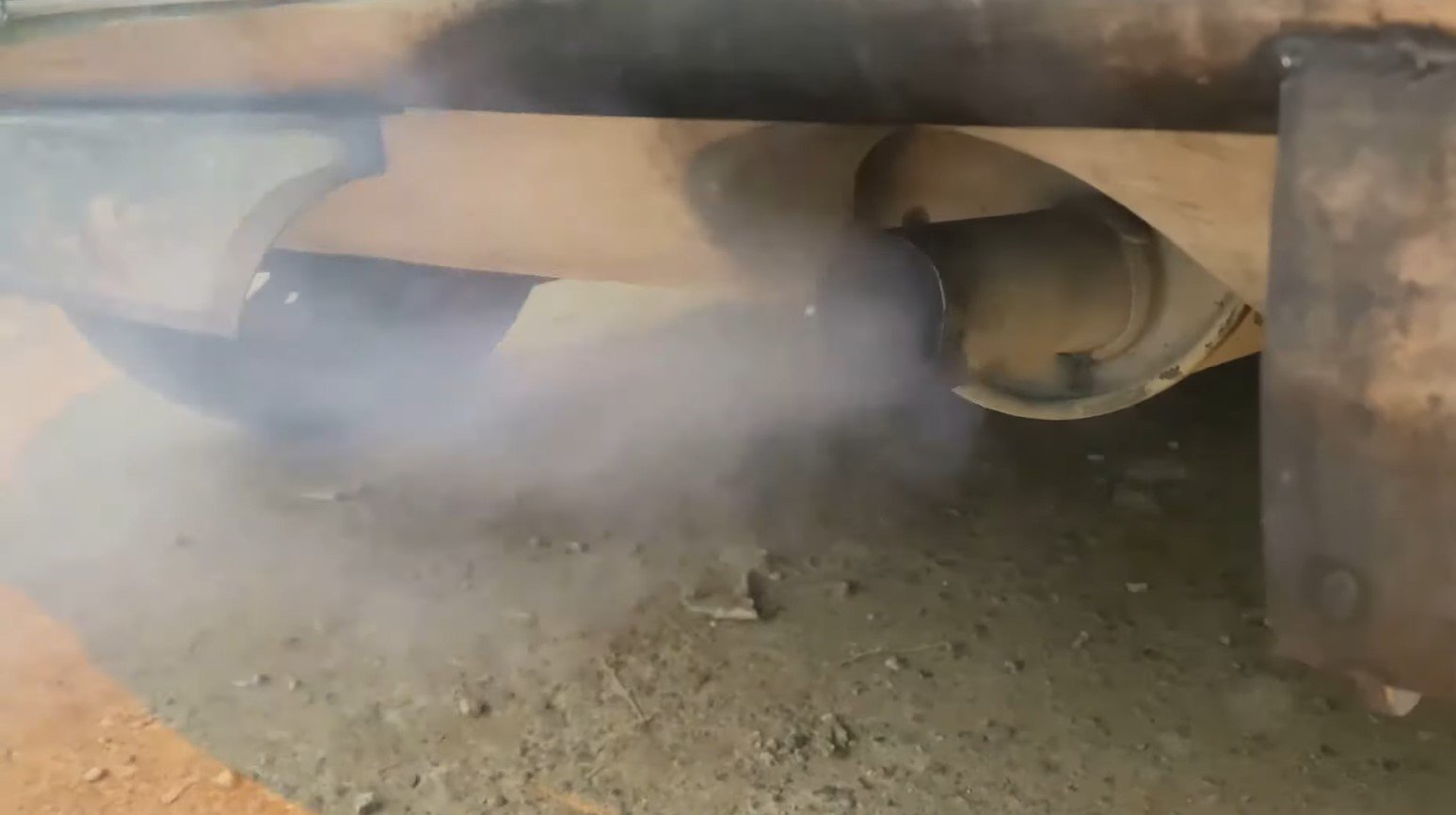
Prolonged excessive fueling may increase emissions and potentially damage the catalytic converter.
What to check: Compare the reported coolant temperature with actual engine conditions and examine fuel trim data if your scan tool supports it.
7. Radiator Cooling Fan Runs Constantly or Doesn’t Turn On
Cooling fan behavior can provide an important clue, especially on vehicles where the engine computer uses ECT information to control the fan.
Some vehicles activate the radiator fan continuously when the computer loses a reliable coolant temperature signal. This is a protective strategy intended to reduce overheating risk.
In other situations, incorrect temperature information may contribute to the fan not operating when expected.
But the fan also responds to air conditioning demand, refrigerant pressure, and other control inputs.
A faulty fan relay, control module, motor, fuse, or wiring connection can create similar symptoms.
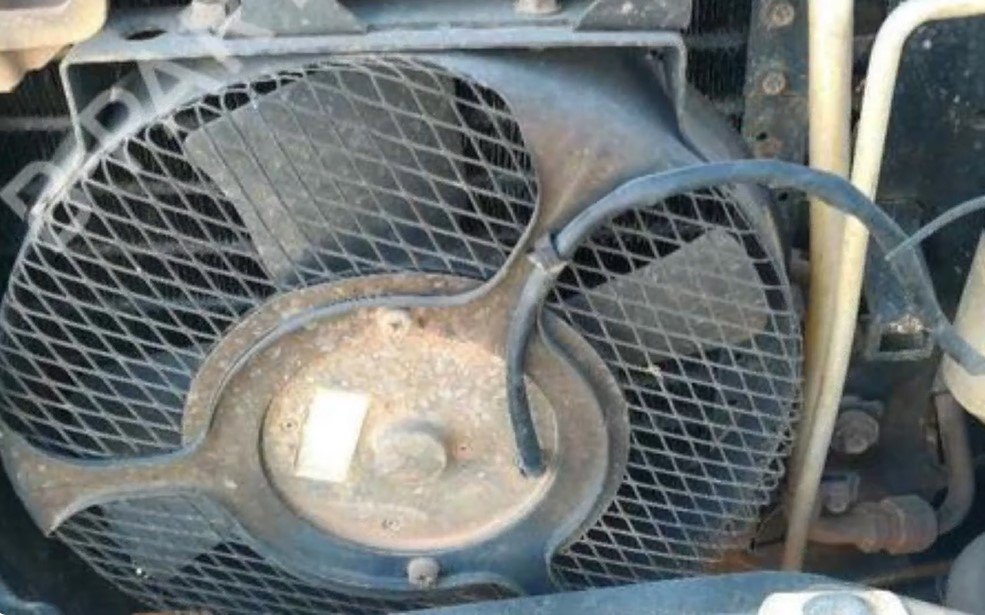
What to check: Look at ECT live data and commanded fan operation when supported. Don’t assume a fan running after startup means the temperature sensor has failed.
Safety note: Electric radiator fans can start unexpectedly, even when the engine isn’t running. Keep your hands and tools away from the fan assembly.
8. Engine Overheating Warning Appears Unexpectedly
One of the more confusing bad coolant temperature sensor symptoms is an overheating warning when the engine may not actually be too hot.
If the sensor or wiring sends an implausibly high-temperature signal, the dashboard may display a high reading or trigger a warning.
However, the opposite problem is also possible. Incorrect temperature information can interfere with cooling fan control on certain vehicles, potentially contributing to real overheating.
And many overheating problems have nothing to do with the sensor.
Common causes include low coolant, a thermostat stuck closed, a malfunctioning water pump, or a cooling fan problem.
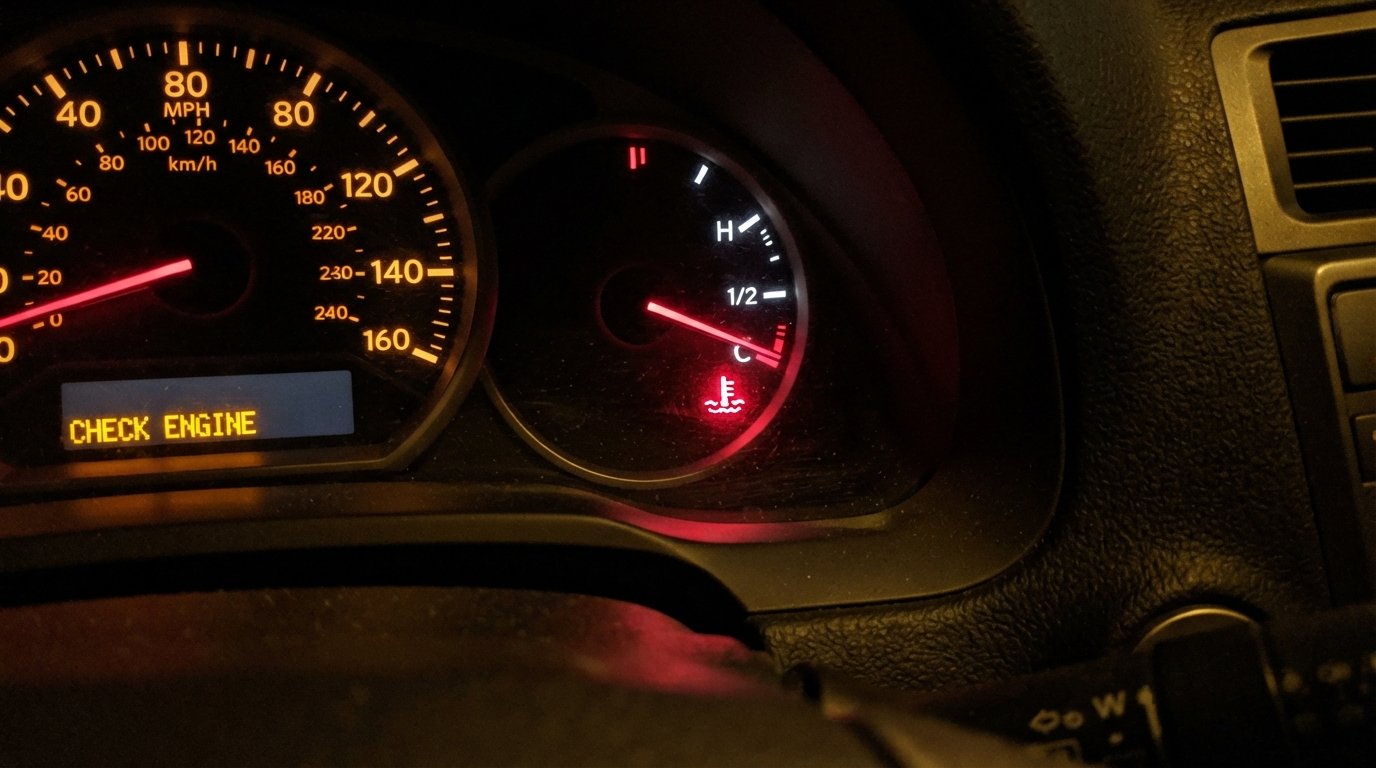
What to check: If the temperature warning appears, safely stop and shut off the engine. Don’t open a hot radiator cap or coolant reservoir pressure cap. Verify the cooling system’s condition before assuming the warning is false.
Bad Coolant Temperature Sensor vs. Bad Thermostat: How to Tell the Difference
The coolant temperature sensor and thermostat work in the same cooling system, but they perform different jobs.
The sensor reports temperature information. The thermostat regulates coolant flow to help the engine reach and maintain its intended operating temperature.
When either component develops a problem, some symptoms can overlap.
| Warning Sign | Bad ECT Sensor | Bad Thermostat |
|---|---|---|
| Erratic temperature signal | Possible | Less typical |
| Engine warms up too slowly | May falsely report it | Common if stuck open |
| Actual overheating | Possible indirectly | Possible if stuck closed |
| Poor fuel economy | Possible | Possible |
| P0115–P0119 codes | Possible | Not typical from thermostat failure alone |
| P0128 code | Possible in some cases | Common clue for slow warm-up |
| Cooling fan problems | Possible | Possible indirectly |
For example, if the engine warms up slowly and the scan tool shows a gradual but consistently low coolant temperature, a stuck-open thermostat becomes a strong possibility.
If the scan reading suddenly jumps between unrealistic temperatures, an ECT sensor or wiring problem becomes more likely.
The most useful approach is to compare cold-start readings, warm-up behavior, and actual engine temperature rather than relying on the dashboard gauge alone.
How to Test a Bad Coolant Temperature Sensor Before Replacing It
You don’t always need to remove the sensor to find a problem. A scan tool with live-data capability can reveal useful clues while the sensor remains installed.
Start with the checks that don’t require opening the cooling system.
Test 1: Compare Cold ECT and Ambient Temperature
This is one of the simplest ways to identify an implausible coolant temperature reading.
- Leave the vehicle parked long enough for the engine to cool completely, preferably overnight.
- Turn the ignition on without starting the engine.
- Connect a compatible OBD2 scanner and locate the ECT live-data reading.
- Compare it with ambient temperature and intake air temperature (IAT), if available.
After a complete cold soak, these readings should generally be reasonably close, although sensor locations and environmental conditions can create differences.
For example, if the outside temperature is around 65°F but the ECT sensor reports 230°F before the engine starts, something is clearly wrong with the reported value.
That doesn’t necessarily prove the sensor is defective. The wiring or connector could be responsible.
Test 2: Watch the Temperature During Warm-Up
If the engine is safe to operate and no overheating condition is suspected, monitor ECT live data as it warms.
The reported temperature should generally increase as the coolant heats up.
Sudden unrealistic jumps or dropouts may indicate an intermittent sensor signal or electrical connection.
If the temperature rises slowly and remains below the expected operating range, the thermostat may be stuck open.
Remember that normal temperature patterns vary by engine, thermostat design, driving conditions, and cooling system strategy.
Test 3: Inspect the Connector and Wiring
With the engine off and cool, locate the ECT sensor using your vehicle’s service information.
Inspect the connector for corrosion, loose terminals, coolant contamination, or broken locking tabs.
Look for wiring that has rubbed against engine components or become damaged by heat.
An intermittent connection can produce readings that appear to indicate sensor failure.
Repairing the wiring may solve the problem without replacing the sensor.
Test 4: Check Sensor Resistance and Voltage
Most conventional ECT sensors use an NTC thermistor, meaning resistance decreases as temperature increases.
A technician can measure resistance at known temperatures and compare the results with manufacturer specifications.
Depending on the vehicle, voltage and ground circuit checks may also be required.
Don’t rely on a universal resistance value because different sensor designs have different specifications.
Also, never apply battery voltage directly to the sensor terminals. Use the manufacturer’s electrical testing procedure.
Test 5: Check Coolant Level and Actual Temperature
Before concluding that the sensor is defective, confirm that the cooling system has the correct coolant level.
Low coolant or trapped air can affect temperature readings and cause genuine overheating.
Inspect the coolant level only when the engine is cool, following the owner’s manual.
When necessary, a technician can compare scan-tool readings with an appropriate independent temperature measurement. Surface temperature readings from an infrared thermometer can provide clues, but they aren’t always identical to coolant temperature.
Never remove a hot cooling-system pressure cap.
What Causes a Coolant Temperature Sensor to Fail?
Coolant temperature sensors operate through thousands of heating and cooling cycles during their service life.
Over time, internal electrical components may deteriorate. Engine vibration, moisture, and corrosion can also damage connectors and wiring.
Coolant intrusion through a failed seal may affect the sensor or its electrical connection.
Sometimes the sensor itself is still functional, but a loose connector or damaged wire prevents the computer from receiving a reliable signal.
That’s why checking the complete sensor circuit is often more useful than simply installing a new part.
Can You Drive With a Bad Coolant Temperature Sensor?
A confirmed faulty coolant temperature sensor may allow the engine to keep running, but continuing to drive without repairing it isn’t a good idea.
Incorrect temperature information can affect fuel delivery, drivability, emissions, and cooling fan control.
More importantly, a faulty reading can make it difficult to recognize genuine overheating.
If the temperature warning appears, the gauge enters the hot range, or you notice steam or coolant loss, stop safely and shut off the engine.
Don’t continue driving until the overheating risk has been evaluated. Severe overheating can damage the cylinder head, head gasket, and other engine components.
When actual temperature is verified as normal and the problem is isolated to the sensor circuit, a technician can determine the appropriate repair and whether the vehicle can be moved safely.
How Much Does Coolant Temperature Sensor Replacement Cost?
Replacing a standalone coolant temperature sensor is often less expensive than repairing a major cooling system problem.
Many aftermarket sensors cost a few tens of dollars, although OEM parts and specialized sensor assemblies may cost more.
Labor depends on accessibility. Some sensors are easy to reach, while others require removing nearby components.
Depending on the location, replacement may also involve draining some coolant, installing a new seal, refilling the system, and removing trapped air.
If the problem is actually damaged wiring or a faulty thermostat, replacing the sensor won’t resolve it.
Confirming the diagnosis first can prevent unnecessary repair costs.
Why Is the Temperature Gauge Still Wrong After Replacing the Sensor?
If you’ve replaced the coolant temperature sensor but the gauge still behaves strangely, don’t assume the new sensor is defective.
Several other problems can produce the same symptoms:
- Damaged wiring or corroded connector terminals.
- An incorrect replacement sensor.
- A separate faulty dashboard temperature sender.
- A thermostat that isn’t regulating coolant temperature properly.
- Low coolant or trapped air in the cooling system.
- An instrument cluster or control module problem.
Check live ECT data and compare it with actual engine conditions. If the scan tool shows a reasonable temperature but the dashboard gauge is incorrect, investigate the gauge circuit or display strategy.
Replacing parts repeatedly without testing can become expensive without solving the original problem.
Frequently Asked Questions
Can a bad coolant temperature sensor cause a car not to start?
Yes, on some vehicles. An incorrect coolant temperature signal can cause inappropriate cold-start fueling, resulting in extended cranking or difficult starting. However, a complete no-start condition has many possible causes, so the ECT sensor should not be blamed without testing.
Can a bad coolant temperature sensor cause overheating?
It can contribute to overheating on vehicles where incorrect temperature information interferes with cooling fan operation. It can also trigger a false overheating warning. However, low coolant, thermostat problems, water pump failure, and radiator issues are more direct causes of genuine overheating.
Can a bad coolant temperature sensor cause rough idle?
Yes. Incorrect coolant temperature information can affect fuel delivery and idle control, particularly during engine warm-up. But rough idle can also result from vacuum leaks, ignition problems, or fuel system faults.
Will a bad coolant temperature sensor cause the check engine light?
Often, but not always. Depending on the failure and vehicle, the computer may store codes such as P0115, P0116, P0117, P0118, or P0119. Some sensor problems may be intermittent or may not immediately trigger a warning.
Can a bad coolant temperature sensor affect transmission shifting?
On some vehicles, engine temperature information is shared with transmission control systems or influences operating strategies during warm-up. Incorrect information may affect certain shift behaviors. However, transmission problems should not be attributed to the ECT sensor without vehicle-specific diagnostic evidence.
How do I know if the coolant temperature sensor or thermostat is bad?
Compare cold-engine ECT readings with ambient temperature, then observe how temperature changes during warm-up. Implausible or sudden signal changes suggest a sensor or circuit problem. A gradual but abnormally slow warm-up can indicate a thermostat stuck open. Further testing may be needed to confirm the cause.
Final Thoughts
The most noticeable bad coolant temperature sensor symptoms include incorrect temperature readings, check engine lights, difficult starting, poor fuel economy, rough idle, and unusual cooling fan operation.
But the same warning signs can come from a thermostat, wiring problem, low coolant, or actual overheating.
Before replacing the sensor, compare cold-start ECT readings, inspect the electrical connection, and check how the engine temperature changes during warm-up.
Most importantly, never dismiss an overheating warning as a faulty sensor until you’ve confirmed the engine is safe.