
You notice a small puddle beneath your car, but the temperature gauge looks normal. A few days later, there’s an unfamiliar whining sound from the engine. Could your water pump be starting to fail?It could. A water pump doesn’t always stop working suddenly. Some begin leaking or making noise long before the engine overheats. Others fail internally without leaving a single drop of coolant on the ground.
Recognizing bad water pump symptoms early can help you avoid serious engine damage. The challenge is that thermostat problems, radiator leaks, and cooling fan failures can produce many of the same warning signs.
Here are nine symptoms worth checking, how to narrow down the cause, and when a failing pump makes driving unsafe.
Quick Answer: Common signs of a bad water pump include coolant leaking near the pump, engine overheating, whining or grinding noises, falling coolant levels, and steam under the hood. A belt-driven pump may develop pulley wobble, while an electric pump may trigger cooling-system fault codes. Not every failing water pump leaks, so the entire cooling system should be checked before replacing it.
What Does a Car Water Pump Do, and Why Does It Fail?
The water pump circulates coolant through the engine and cooling system. Coolant absorbs engine heat and carries it through the cooling circuit, including the radiator when the thermostat allows flow, helping maintain a safe operating temperature.
Most conventional pumps use an impeller driven by an accessory belt or timing belt. Some engines use mechanically driven pumps with different drive arrangements. Many modern vehicles also use electrically operated coolant pumps.
Failures can develop from worn bearings, leaking seals, corrosion, damaged impellers, or electrical problems.
Some vehicles also have auxiliary electric pumps for separate cooling circuits. These shouldn’t be confused with the main engine water pump.
9 Bad Water Pump Symptoms You Shouldn’t Ignore
These signs range from small leaks to serious overheating. Some are more common with mechanical pumps, while others apply primarily to electric systems.
1. Coolant Leaking Around the Water Pump
Coolant leakage is one of the easiest water pump problems to recognize, especially when the pump is accessible near the front or side of the engine.
A mechanical pump may leak through its shaft seal, mounting gasket, or a drainage opening called the weep hole.
You might notice colored coolant residue, damp surfaces, or a puddle underneath the vehicle.
However, don’t assume every dried coolant stain means the pump needs replacing. Some pump designs allow minor initial seepage, and old deposits may remain after a previous repair.
Coolant from a hose or thermostat housing above the pump can also run down and make the pump appear to be leaking.

What to check: With the engine completely cold, inspect the accessible pump area for wetness, fresh coolant trails, and deposits. Have an ongoing leak confirmed through inspection or pressure testing before replacing the pump.
2. Engine Temperature Rises or Overheats
A failing water pump may no longer move enough coolant to remove heat from the engine.
This can happen when the impeller becomes damaged, the shaft stops rotating properly, or an electric pump fails to operate.
The temperature gauge may move toward the hot zone, and some vehicles display an overheating warning or reduce engine power.
But overheating alone doesn’t confirm a water pump problem.
Low coolant, a stuck thermostat, blocked radiator, trapped air, or faulty radiator fan can cause similar symptoms.
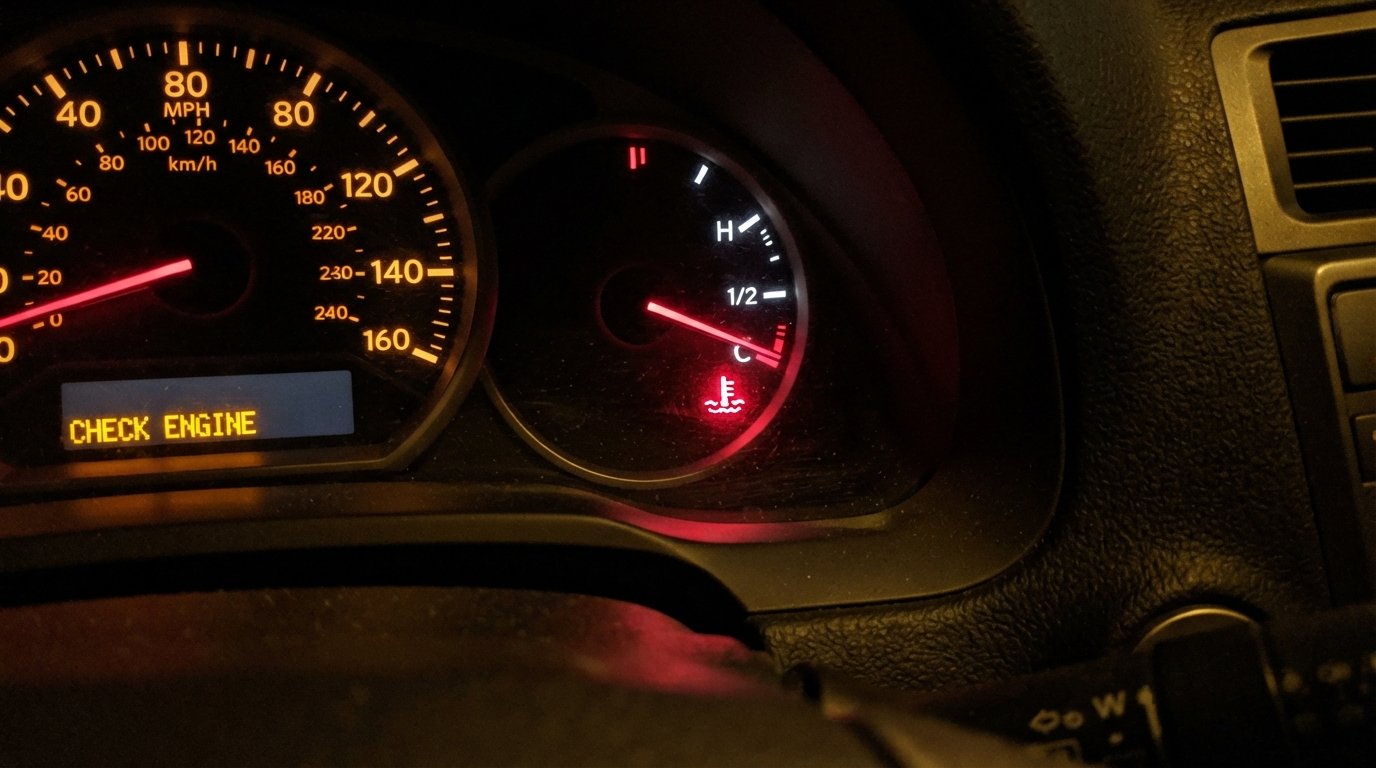
What to check: If the engine overheats, pull over safely and shut it off. Once it cools completely, check the coolant level and visible signs of leakage. Have the cooling system inspected before attempting further driving.
3. Whining, Grinding, or Rumbling Noise
A worn mechanical water pump bearing can create unusual noises that change with engine speed.
You may hear a high-pitched whine, rough grinding, or rumbling from the pump area.
However, accessory belt tensioners, idler pulleys, alternators, and other rotating components can produce nearly identical sounds.
A squealing belt may also indicate improper belt tension or a pulley problem rather than a faulty water pump.
What to check: Note when the sound occurs and whether it changes with engine RPM. Have a technician inspect the belt drive and locate the noise using appropriate diagnostic equipment.
Never place your hands, clothing, or tools near moving belts or pulleys.
4. Coolant Level Keeps Dropping
If you repeatedly need to add coolant, something is wrong even when you can’t find a puddle.
A slow water pump leak may evaporate on hot engine surfaces before reaching the ground. Some pumps are also located behind covers where leakage is difficult to see.
However, radiator cracks, hose connections, reservoir leaks, and internal engine problems can also cause coolant loss.
On certain engine designs with internally mounted water pumps, a leaking pump may even allow coolant to enter the engine oil. This is design-specific and requires urgent investigation.
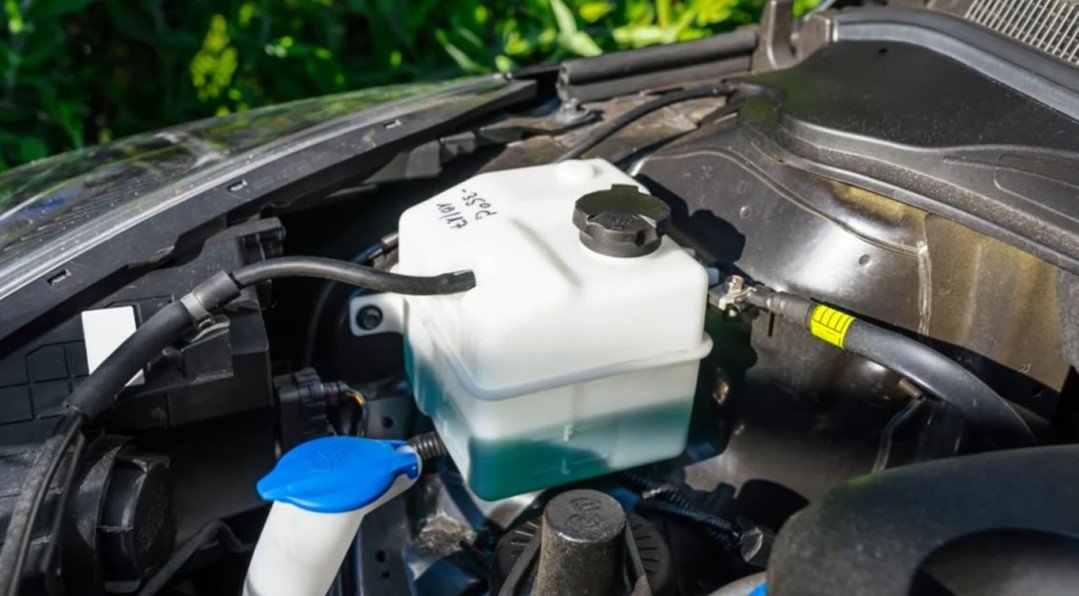
What to check: Monitor the reservoir level when the engine is cold. If the level repeatedly falls, arrange cooling-system pressure testing and leak diagnosis. Don’t keep topping it off without finding the cause.
5. Steam or a Sweet Coolant Smell Under the Hood
Leaking coolant can contact hot engine components and produce steam or a noticeable sweet odor.
You might smell coolant after parking or see vapor escaping from the engine compartment.
Steam can also develop when the cooling system overheats and releases coolant through a pressure-relief path.
Not every sweet smell comes from the water pump. Radiator hoses, heater hoses, and other cooling-system connections may be responsible.

What to check: Stop safely if steam appears or the temperature warning activates. Allow the engine to cool before inspecting. Never open a pressurized cooling-system cap while hot.
6. Engine Temperature Fluctuates Unexpectedly
A temperature gauge that rises and falls unusually may indicate inconsistent coolant circulation.
A damaged pump impeller or an intermittent electric pump problem is one possible explanation.
However, trapped air, low coolant, an intermittently sticking thermostat, or faulty engine coolant temperature sensor may be more likely in some cases.
Dashboard gauges also vary in accuracy. Some remain near the middle throughout a broad normal temperature range.
What to check: Compare the dashboard gauge with live Engine Coolant Temperature (ECT) data using an OBD2 scanner. Implausibly rapid changes in reported temperature may point toward a sensor or wiring issue.
For an explanation of ECT-related trouble codes, see our OBD2 diagnostic trouble code guide.
7. Weak or Inconsistent Cabin Heater
Your car’s heater depends on hot coolant circulating through the heater core.
If a water pump isn’t circulating enough coolant, cabin heating may become weak or inconsistent.
One concerning pattern is an engine temperature gauge climbing unusually high while the heater suddenly blows cool air.
This can also happen when coolant is low or air becomes trapped in the cooling system.
A stuck-open thermostat, clogged heater core, or HVAC blend-door problem may cause weak heat without a faulty pump.
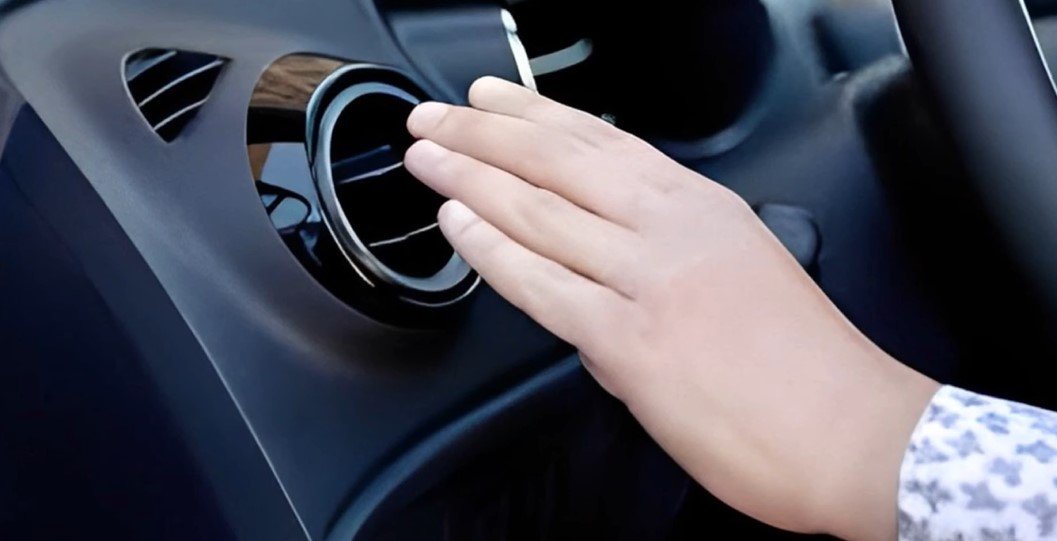
What to check: Compare heater performance with actual engine temperature and coolant level. Weak heat alone is not enough to justify water pump replacement.
8. Water Pump Pulley Wobbles or the Belt Runs Unevenly
On some belt-driven water pumps, severe bearing wear may allow the pulley to wobble.
That movement can affect belt tracking and create squealing, rattling, or abnormal belt wear.
But a failing tensioner, damaged pulley, or alignment problem elsewhere in the accessory drive can produce similar symptoms.
This warning sign doesn’t apply to pumps that don’t use an external drive pulley.
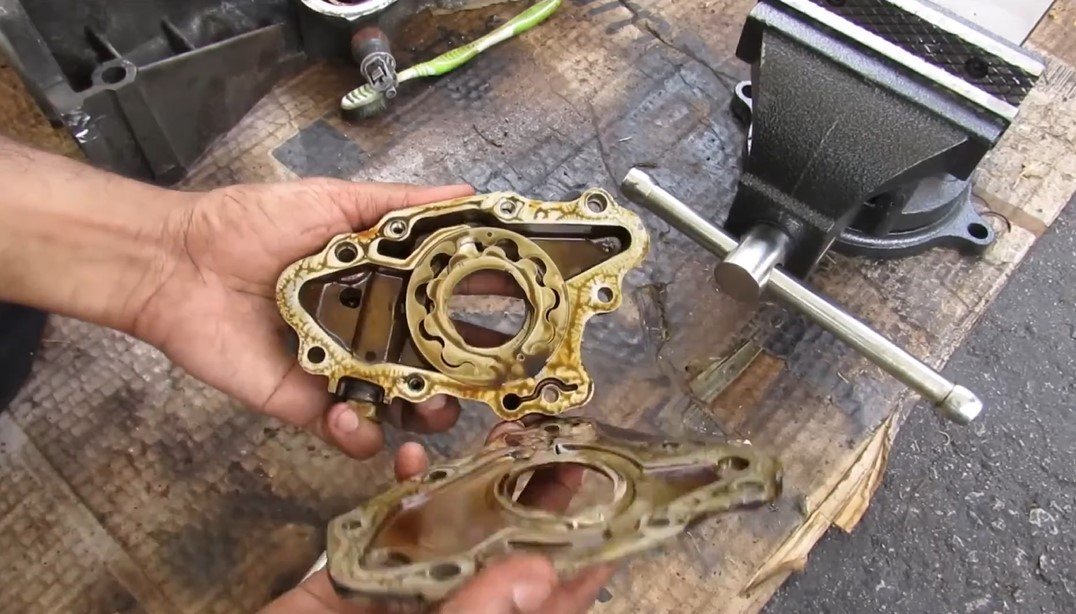
What to check: Have pulley movement, bearing condition, and belt alignment inspected professionally. A pump showing excessive pulley play should be repaired promptly.
9. Check Engine Light, Cooling Warning, or Reduced Power
Electric water pump failures may occur without obvious bearing noise or coolant leakage.
Some vehicles monitor electric coolant pump speed, electrical current, communication, or operating performance.
If the pump stops working or doesn’t respond correctly, the vehicle may store manufacturer-specific faults and display an engine or cooling-system warning.
On certain BMW applications, codes such as 2E82, 2E84, or 2E85 may relate to electric coolant pump operation or communication. These are not universal water pump codes.
The fault could involve the pump itself, but wiring, connectors, fuses, electrical supply, or control problems must also be considered.
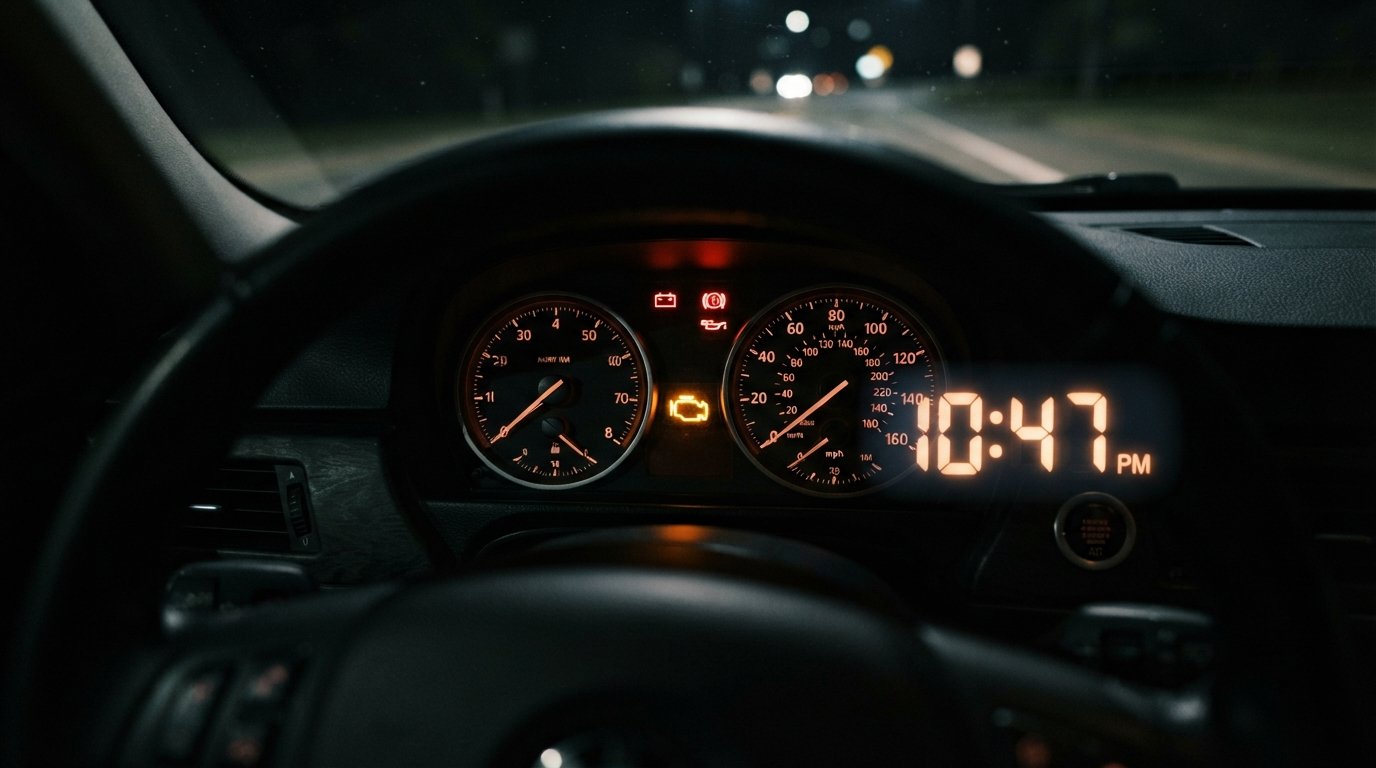
What to check: Use suitable vehicle-specific diagnostic equipment to investigate stored codes, electrical supply, and available pump operating data. Never replace an electric pump based on a fault code alone.
Mechanical vs. Electric Water Pump Symptoms
Both types circulate coolant, but the way they fail can be different.
| Comparison | Mechanical Pump | Electric Pump |
|---|---|---|
| Coolant leakage | Possible | Possible |
| Bearing or pulley noise | Common clue | Depends on design |
| Belt or pulley wobble | Possible on belt-driven designs | Generally not applicable |
| Electrical fault codes | Usually indirect | May be pump-specific |
| Failure without leakage | Possible | Possible |
| Engine overheating | Possible | Possible |
A mechanical pump may fail through its bearing, seal, or impeller. An electric pump can also suffer motor, controller, or power-supply problems.
That’s why the right diagnostic process depends on which pump system your vehicle uses.
How to Check for a Bad Water Pump Without Removing It
You can identify useful clues without taking the pump off the engine. Start with safe observations rather than trying to prove circulation by opening a hot cooling system.
- Let the engine cool completely. Check the coolant reservoir level and look for obvious leaks.
- Inspect the accessible pump area. Look for fresh wetness, coolant stains, or deposits that may indicate previous leakage.
- Consider recent service. If the symptoms began after a coolant change, low coolant or trapped air may be involved.
- Note abnormal sounds. Record whether whining, grinding, or squealing changes with engine speed, without approaching moving components.
- Observe temperature behavior. If overheating begins, stop the engine immediately rather than continuing the test.
- Read available diagnostic data. Look for cooling-system fault codes, ECT readings, and electric-pump information where supported.
- Have the suspected fault confirmed. A technician may need to perform pressure testing, mechanical inspection, or manufacturer-approved electric-pump tests.
Important distinction: A water pump can look completely normal from the outside while its impeller or internal mechanism is failing. External inspection is useful, but it cannot confirm every circulation problem.
Can a Water Pump Be Bad Without Leaking Coolant?
Yes. One of the easily missed bad water pump symptoms is poor coolant circulation with no visible leak.
A mechanical pump may develop an eroded, broken, or slipping impeller. Some electric pumps can stop because of an internal motor or control fault.
In either case, coolant flow may become insufficient even though the reservoir remains full.
However, overheating without coolant loss can also involve a stuck thermostat, radiator restriction, cooling fan failure, or trapped air.
A proper cooling-system diagnosis is necessary before deciding that the pump needs replacement.
Bad Water Pump vs. Thermostat vs. Radiator: How to Tell
These problems often overlap, but certain patterns help narrow down the diagnosis.
| Possible Fault | Useful Clues |
|---|---|
| Bad water pump | Confirmed pump leakage, bearing noise, or circulation failure |
| Thermostat stuck closed | Overheating with restricted radiator flow |
| Thermostat stuck open | Slow warm-up and low operating temperature |
| Radiator restriction | Reduced cooling performance, especially under load |
| Cooling fan failure | Overheating more noticeable at idle or in traffic |
| Low coolant or trapped air | Weak heater, temperature swings, or overheating |
If the engine overheats mainly while sitting in traffic but operates normally at highway speed, cooling fan or airflow problems deserve attention.
If the engine takes unusually long to warm up, a stuck-open thermostat may be more likely than water pump failure.
The engine computer may provide useful clues through coolant temperature and related data. For a basic explanation of the diagnostic system, read how OBD2 works.
Can an OBD2 Scanner Diagnose a Bad Water Pump?
An OBD2 scanner can help, but its usefulness depends on pump type and vehicle support.
What a Basic OBD2 Scanner Can Show
Many scanners can display engine coolant temperature, available trouble codes, and freeze-frame data.
This helps identify overheating trends or electronic faults. However, a basic scanner cannot directly measure a mechanical pump’s bearing wear, impeller condition, or coolant flow.
For scanners with useful real-time engine data, see our Innova 5610 review.
When an Advanced Scanner Is More Useful
Some advanced scanners can access electric coolant pump modules, retrieve manufacturer-specific codes, or display available pump command and feedback data.
Depending on compatibility, they may also support bidirectional activation tests.
These tests should follow manufacturer procedures. An electric pump may require the cooling system to be correctly filled and bled before operation.
Our Innova 5510 vs. 5610 comparison explains the differences between basic live-data capability and more advanced diagnostic functions.
Always verify that a tool supports your exact vehicle and coolant pump system. Generic bidirectional control does not guarantee electric water pump testing.
If the check engine light is on but your basic scanner shows nothing, read our check engine light on but no codes guide.
Why Does My Car Still Overheat After Replacing the Water Pump?
Installing a new water pump doesn’t automatically fix every cooling-system problem.
If overheating continues, possible causes include trapped air, incorrect coolant level, an unresolved leak, a sticking thermostat, or a restricted radiator.
A cooling fan failure can also cause overheating, particularly at idle.
On electric-pump vehicles, a wiring or control fault may remain even after the pump has been replaced.
Some replacement pumps require specific filling, bleeding, or calibration procedures. Previous severe overheating may also have caused engine damage.
Repeated overheating should be diagnosed rather than followed by another unnecessary pump replacement.
How Much Does It Cost to Replace a Car Water Pump?
Water pump replacement costs depend heavily on the engine design and how easily the pump can be accessed.
As of September 2026, RepairPal estimates the average U.S. water pump replacement at approximately $891–$1,135, including parts and labor.
Individual vehicles may cost considerably less or more.
| Repair Type | Approximate U.S. Cost |
|---|---|
| Accessible external mechanical pump | $300–$800 |
| Timing-belt-driven pump repair | $700–$1,500+ |
| Electric water pump replacement | $600–$1,400+ |
| Complex internal or integrated assembly | $1,000–$2,000+ |
| Coolant refill and bleeding | May be included or separately charged |
These are broad planning ranges, not fixed prices. Taxes, local labor rates, replacement parts, and related repairs can change the total.
If the water pump is driven by the timing belt, replacing associated timing-belt components during the same repair may make sense when the service interval or component condition justifies it.
Ask whether the estimate includes gaskets, coolant, bleeding, and any required belt or tensioner work.
When Should You Replace a Water Pump?
Replacement is usually appropriate when inspection confirms active seal leakage, bearing failure, excessive pulley movement, impeller damage, or an internal pump fault.
For electric pumps, the motor or controller failure should be confirmed after checking the electrical supply and related controls.
Old coolant residue by itself doesn’t always require replacement.
On vehicles where the pump is driven by a timing belt, replacement may also be recommended during scheduled timing-belt service.
The decision should be based on the pump design, condition, and manufacturer’s service recommendations.
Is It Safe to Drive With a Bad Water Pump?
Driving with a suspected water pump problem can be risky because coolant circulation may deteriorate without much warning.
Insufficient cooling can damage the head gasket, cylinder head, or internal engine components.
A seized belt-driven pump may also damage the belt system. The consequences can be particularly serious on engines where the pump is driven by the timing belt.
Stop safely and arrange professional assistance if you notice:
- Engine temperature entering the hot zone.
- Red coolant-temperature or overheating warning.
- Steam coming from under the hood.
- Rapid or substantial coolant loss.
- Severe mechanical grinding from the pump area.
- Sudden engine power reduction accompanied by overheating.
Shut the engine off when safely parked. Never remove a hot coolant cap. If cooling-system failure is suspected, towing is safer than trying to reach a repair shop.
There is no dependable number of miles you can safely drive after water pump circulation fails.
How to Prevent Water Pump Problems
Water pumps eventually wear out, but proper maintenance can reduce premature failures.
- Follow the vehicle manufacturer’s coolant replacement schedule.
- Use coolant that meets the required specification.
- Repair coolant leaks promptly.
- Inspect belts and tensioners during scheduled maintenance.
- Use correctly specified replacement components.
- Follow proper coolant filling and bleeding procedures.
- Investigate overheating before it damages other components.
After a cooling-system repair, don’t simply erase a fault code and assume the problem is solved. Our OBD2 drive cycle guide explains why codes and warning lights may require successful system checks before clearing.
Frequently Asked Questions
1. What is the first sign of a bad water pump?
A small coolant leak around the pump or an unusual whining or grinding noise may be an early sign. Some pumps fail internally without these symptoms, so persistent overheating should also be investigated.
2. Can a bad water pump cause overheating without leaking?
Yes. A damaged impeller, seized shaft, or failed electric pump may reduce coolant circulation without producing an external leak. However, thermostat, radiator, and cooling fan problems can cause similar overheating.
3. What noise does a failing water pump make?
A worn mechanical pump bearing may produce whining, grinding, rumbling, or squealing. Other belt-driven components can make similar noises, so the source should be confirmed before replacement.
4. Can a bad water pump cause the heater to blow cold air?
Yes. Poor coolant circulation or low coolant caused by a pump leak may reduce heat reaching the heater core. A stuck-open thermostat, trapped air, or heater-system fault can produce similar symptoms.
5. Can an OBD2 scanner detect a faulty water pump?
A basic scanner can reveal temperature readings and related codes but cannot directly test mechanical pump bearings or impellers. Some advanced scanners support electric-pump diagnostics and activation tests on compatible vehicles.
6. How long can you drive with a bad water pump?
There is no reliable safe distance. A pump may deteriorate gradually or lose circulation suddenly. If the engine overheats, stop driving and arrange professional assistance rather than risking serious engine damage.
Final Thoughts
The most useful bad water pump symptoms to watch for are coolant leaks, unusual mechanical noises, falling coolant levels, and abnormal engine temperatures.
Remember that mechanical and electric pumps can fail differently, and a bad thermostat or cooling fan can produce similar warnings.
Check the actual cause before buying a replacement pump. Catching an early problem can prevent expensive repairs, but overheating should always be treated as an urgent warning.