
You’re driving home when the red oil pressure warning light suddenly appears. The engine sounds normal, the car still runs fine, and you recently changed the oil. Could it be a bad oil pressure sensor?
Possibly. A failing sensor can send incorrect pressure readings to your dashboard, causing warning lights, strange gauge behavior, or diagnostic trouble codes. But here’s the problem: bad oil pressure sensor symptoms can look almost identical to genuinely low engine oil pressure.
That difference matters. Replacing a $30 sensor won’t help if your engine is actually losing oil pressure because of a worn oil pump, blocked pickup, or internal wear.
This guide explains seven warning signs, how to tell a sensor problem from real oil pressure loss, and what to check before replacing anything.
Important: If the red oil pressure warning light comes on while driving, pull over safely and shut off the engine. Don’t continue driving until the cause has been identified.
What Does an Oil Pressure Sensor Actually Do?
Your engine needs pressurized oil to lubricate moving parts, including the crankshaft bearings, camshafts, and other components. Without adequate oil pressure, those parts can wear rapidly or suffer serious damage.
The oil pressure sensor monitors pressure within the engine’s lubrication system. Depending on the vehicle, it sends information to the engine control module, dashboard gauge, or warning light circuit.
There are two common designs:
- Oil pressure switch: Typically changes its electrical state when pressure crosses a specified threshold. Many vehicles use this type to operate a warning light.
- Oil pressure sensor or sending unit: Provides a variable electrical signal that allows the vehicle to monitor pressure over a range.
Neither should be confused with an oil level sensor, which measures how much oil is in the engine rather than the pressure produced by the lubrication system.
The oil pressure sensor is commonly installed in an oil gallery, near the oil filter housing, or on the engine block. Its exact location depends on the engine design.
7 Bad Oil Pressure Sensor Symptoms You Should Know
A faulty oil pressure sensor doesn’t always fail completely. Sometimes it works intermittently, sends implausible readings, or develops an oil leak through its housing.
These seven signs can help you recognize a possible problem. However, none should be used alone to rule out dangerously low oil pressure.
1. Oil Pressure Warning Light Stays On Unexpectedly
One of the most noticeable signs is an oil pressure warning light that stays illuminated while the engine is running.
Normally, the red oil pressure light appears briefly when you turn on the ignition before starting the engine. It should go out after the engine starts and establishes sufficient oil pressure.
If the light remains on, a faulty sensor or switch could be sending an incorrect signal.
For example, an internally damaged pressure switch might report low pressure even when actual engine oil pressure is within specification.
However, a failing oil pump, low oil level, excessive bearing clearance, or restricted oil pickup can produce the same warning.
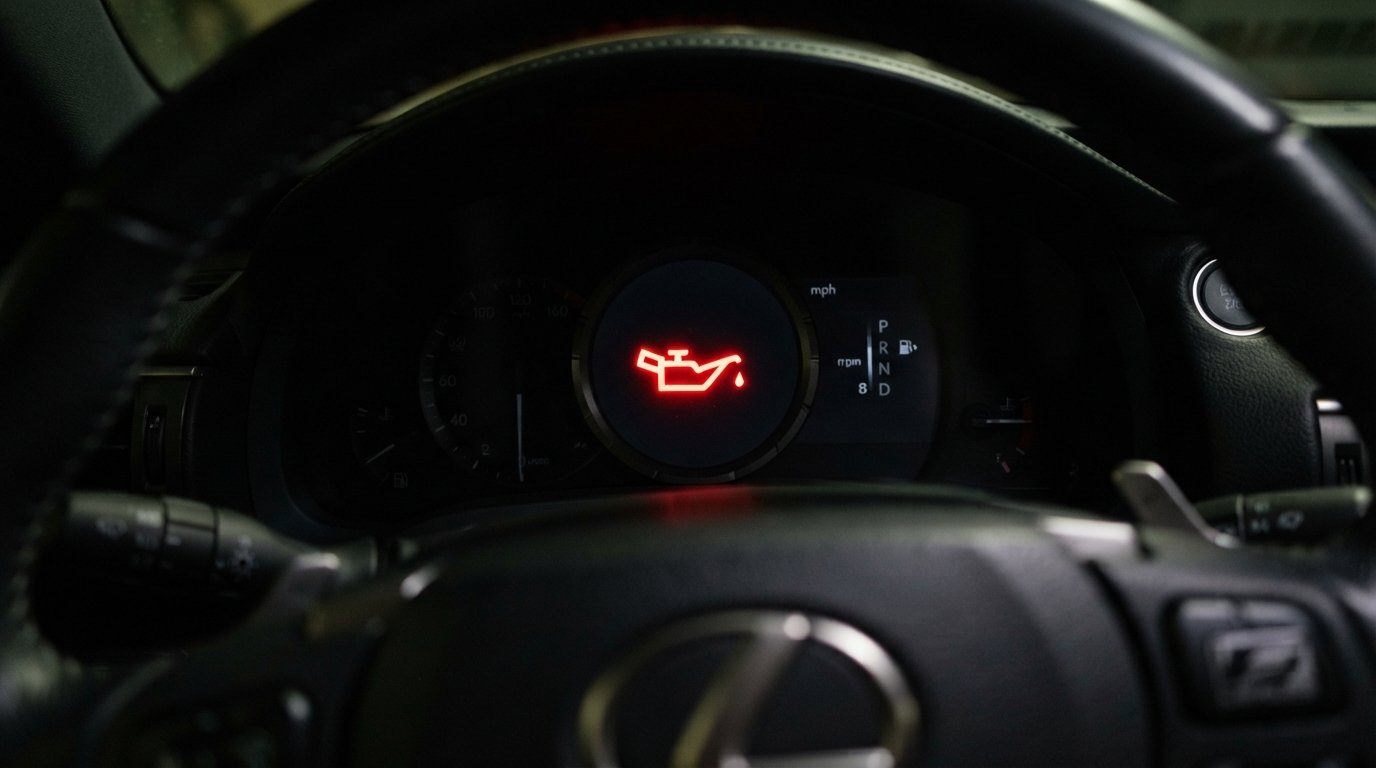
What to check first: Stop the engine, check the oil level according to the owner’s manual, and look for leaks. If the warning appeared while driving, don’t restart the engine just to see whether the light disappears. Actual oil pressure may need to be verified with a mechanical gauge.
2. Oil Pressure Gauge Jumps or Fluctuates Randomly
Does your oil pressure gauge suddenly jump from a normal reading to nearly zero, then return to normal without an obvious change in engine speed?
That behavior can indicate an intermittent sensor signal.
Oil pressure naturally changes with engine speed, temperature, and oil viscosity. For example, pressure is generally higher with cold oil and often increases as engine RPM rises.
But sudden, implausible gauge movements can result from:
- A failing oil pressure sending unit.
- Loose or corroded electrical connections.
- Damaged wiring near the engine.
- Problems with the instrument cluster or control module.
Actual pressure fluctuations are also possible, so an erratic gauge isn’t proof of sensor failure.
What to check first: Inspect the sensor connector and wiring. If the readings remain suspicious, compare the electronic signal with actual oil pressure using the manufacturer’s diagnostic procedure.
3. Oil Pressure Gauge Stays at Zero or Maximum
A gauge that stays at zero or displays an unusually high reading can point toward an electrical problem.
For example, a failed sensor, open circuit, or shorted wire may cause the dashboard to display an extreme value.
The exact response depends on the vehicle. Some gauges move to zero when the signal is lost, while others may display a maximum reading or trigger a warning.
However, a zero reading can also indicate that the engine genuinely has little or no oil pressure.
That’s why this symptom requires particular caution.
What to check first: Treat a zero-pressure reading as a real problem until proven otherwise. Shut off the engine and have actual oil pressure checked before replacing the sensor.
4. Oil Pressure Warning Light Flickers at Idle
You’re stopped at a traffic light, and the oil pressure warning light starts flickering. When you accelerate, the light disappears.
It’s tempting to blame the oil pressure sensor, especially if the engine seems to run normally.
An intermittent sensor or poor electrical connection can certainly cause this behavior. But there’s another explanation that shouldn’t be overlooked.
Actual oil pressure is often lowest when the engine is hot and idling.
As oil warms up, its viscosity decreases. At low engine RPM, the oil pump also turns more slowly. If the engine has worn bearings, an oil supply restriction, or another lubrication problem, pressure may fall below the warning threshold at idle.
Increasing RPM can raise pressure enough to turn the warning light off.
Therefore, a light that flickers at hot idle can be a genuine warning rather than a false sensor reading.
What to check first: Verify oil level and the correct oil viscosity. Have oil pressure measured under the temperature and RPM conditions specified by the manufacturer. Don’t assume the sensor is bad simply because the light disappears when you accelerate.
5. Check Engine Light Comes On With Oil Pressure-Related Codes
Some vehicles can detect problems in the oil pressure sensor circuit and store diagnostic trouble codes.
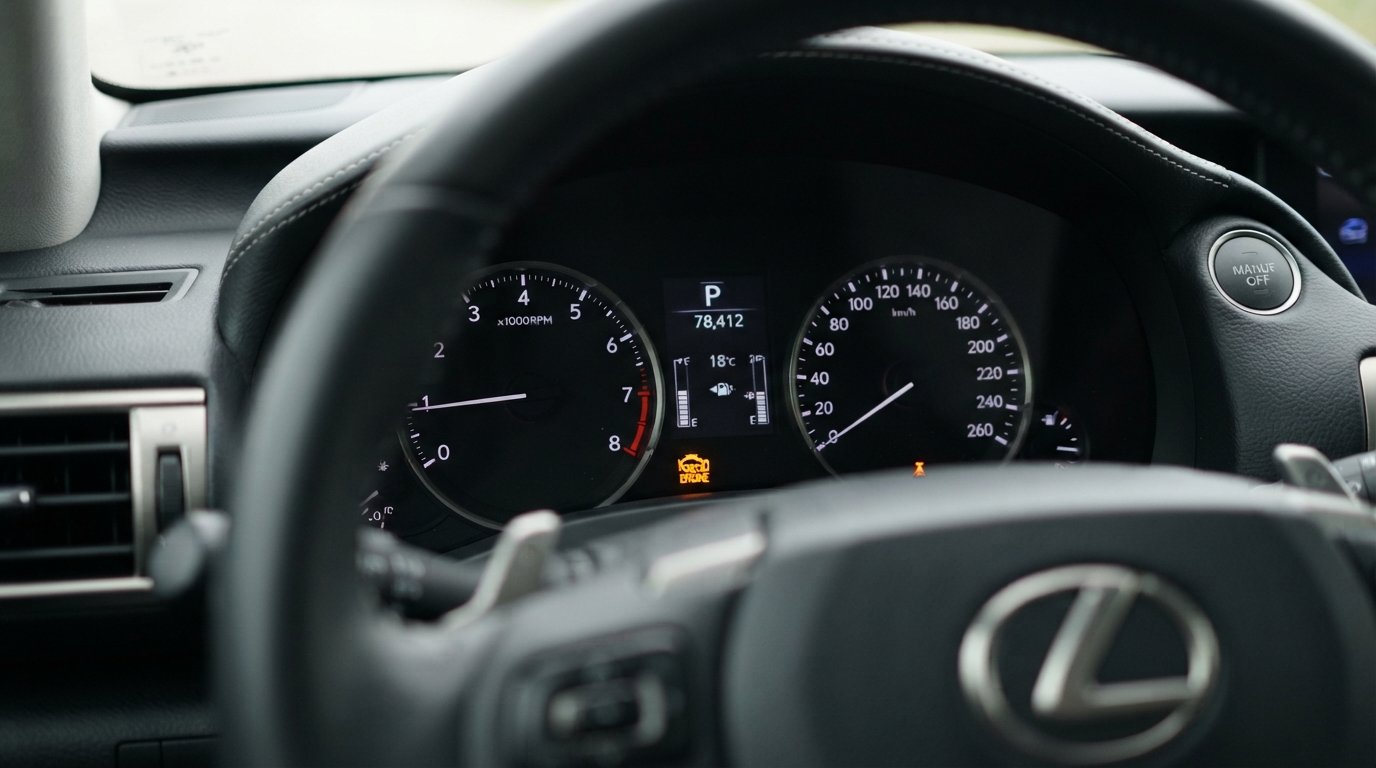
Common codes include:
| Code | Meaning |
|---|---|
| P0520 | Engine Oil Pressure Sensor/Switch Circuit |
| P0521 | Engine Oil Pressure Sensor/Switch Range/Performance |
| P0522 | Engine Oil Pressure Sensor/Switch Low Voltage |
| P0523 | Engine Oil Pressure Sensor/Switch High Voltage |
| P0524 | Engine Oil Pressure Too Low |
These codes are useful diagnostic clues, but they don’t automatically confirm a defective sensor.
For instance, P0522 may indicate a sensor circuit voltage problem, while P0524 can indicate genuinely low engine oil pressure.
Depending on the vehicle, a fault may trigger the check engine light, an oil pressure warning, or another dashboard message.
What to check first: Read the stored codes and freeze-frame information with a compatible OBD2 scanner. Inspect the wiring and verify actual pressure where necessary before replacing components.
6. Oil Leaks Around the Sensor or Electrical Connector
Not every bad oil pressure sensor causes an electrical warning. Some develop physical leaks.
Because the sensor is connected to the engine’s pressurized oil system, oil can escape if its housing, seal, or internal diaphragm fails.
You might notice fresh oil around the sensor threads, oil collecting near the connector, or oil dripping onto nearby engine components.
In some cases, oil can enter the electrical connector through a failed sensor body, interfering with the signal.
However, oil around the sensor doesn’t always originate from the sensor itself. A leaking oil filter housing, valve cover gasket, or another component above it can make the sensor appear defective.

What to check first: Identify the actual source of the leak. If oil is escaping through the sensor housing or electrical connection, the sensor may need replacement. A significant leak can lower engine oil level and eventually contribute to real lubrication problems.
7. Oil Pressure Readings Don’t Match Engine Conditions
Another possible warning sign is a pressure reading that doesn’t respond as expected to changing engine conditions.
For example, a scan tool may show the same implausible pressure value regardless of whether the engine is cold or warm.
On vehicles with a variable-output oil pressure sensor, pressure readings normally respond to operating conditions, although the pattern depends on the engine and its oil pump control system.
But there’s an important exception: some factory dashboard gauges are intentionally damped or display simplified readings.
These gauges may remain near the middle of the scale across a wide range of normal operating pressures.
That behavior alone doesn’t mean the sensor is defective.
What to check first: Determine whether your vehicle uses a true pressure gauge, a switch-based display, or a processed electronic reading. If the signal is genuinely implausible, compare it with a mechanical pressure measurement.
Bad Oil Pressure Sensor vs. Actual Low Oil Pressure: What’s the Difference?
This is the most important distinction in diagnosing oil pressure warnings.
A faulty sensor can report a problem that doesn’t exist. Actual low oil pressure means the engine may not be receiving adequate lubrication, even if the sensor itself works perfectly.
| Warning Sign | Bad Sensor or Circuit | Actual Low Oil Pressure |
|---|---|---|
| Oil warning light | Possible | Possible |
| Erratic pressure gauge | Possible | Possible |
| Engine knocking or ticking | Not directly caused by sensor failure | Possible |
| Oil leaking through sensor | Possible | Possible if enough oil is lost |
| Oil pressure trouble codes | Possible | Possible |
| Mechanical gauge reads low | Not explained by sensor failure alone | Strong evidence |
| Mechanical gauge reads normal | Supports a sensor or circuit diagnosis | Does not support low pressure under tested conditions |
Here’s a useful way to think about it: the sensor reports oil pressure, but it doesn’t create oil pressure.
If the sensor sends a false warning while actual pressure remains normal, replacing the faulty sensor or repairing its circuit may solve the problem.
If a mechanical gauge confirms low pressure, replacing the sensor won’t fix the underlying lubrication issue.
Also, don’t use engine noise as your only guide. An engine can have dangerously low oil pressure before obvious knocking or ticking develops.
What to Check Before Replacing an Oil Pressure Sensor
Before buying a new sensor, follow a logical diagnostic process. The goal is to confirm that the problem involves the sensor rather than the engine’s lubrication system.
Step 1: Stop the Engine and Check the Oil Level
If the oil pressure warning appears while driving, pull over safely and shut off the engine.
After following the manufacturer’s instructions for checking oil level, inspect the dipstick if your vehicle has one.
If the level is low, add the manufacturer-approved oil as needed. Look underneath the vehicle and around the engine for signs of leakage.
However, remember that normal oil level does not guarantee normal oil pressure.
Even with a full oil pan, the engine can suffer from inadequate pressure because of pump problems, excessive internal clearance, or restricted oil flow.
Step 2: Check Oil Condition, Viscosity, and Filter
Using the wrong engine oil can affect pressure, particularly when the engine is hot.
Check whether the oil meets the viscosity and specification listed in your owner’s manual.
Also consider whether the oil is contaminated, diluted with fuel, or overdue for replacement.
An incorrect or defective oil filter can sometimes contribute to lubrication problems, depending on the engine design.
These checks may reveal an obvious issue, but they cannot confirm whether the sensor is defective.
Step 3: Inspect the Sensor Connector and Wiring
Oil pressure sensors operate in a harsh environment exposed to heat, vibration, moisture, and oil contamination.
Inspect the electrical connector for loose terminals, corrosion, broken locking tabs, and oil intrusion.
Check the nearby wiring for damaged insulation or contact with hot engine components.
A loose connector can interrupt the signal and create symptoms that look like sensor failure.
If electrical testing is required, follow the manufacturer’s circuit specifications. Avoid applying battery voltage directly to sensor terminals or randomly shorting wires.
Step 4: Scan for Oil Pressure-Related Trouble Codes
A scan tool can help narrow down the problem.
Look for stored or pending codes such as P0520, P0521, P0522, P0523, and P0524, along with any manufacturer-specific faults.
If your vehicle supports live oil pressure data, compare the readings with the expected operating range.
However, live data may simply repeat the same incorrect signal produced by a defective sensor.
That’s why scan data should be treated as evidence, not final confirmation.
Step 5: Verify Actual Oil Pressure With a Mechanical Gauge
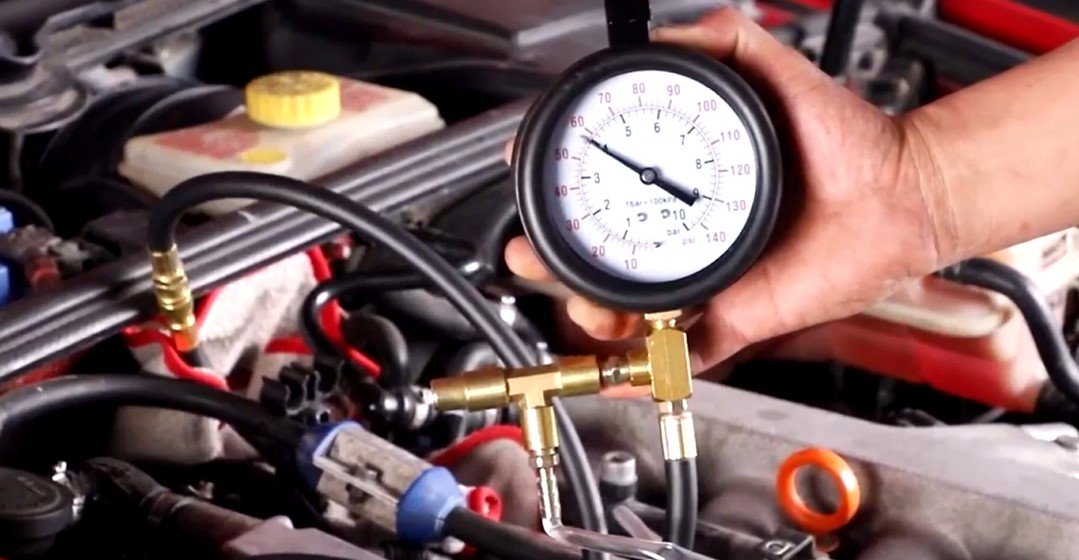
When the warning cannot be explained by an obvious issue, measuring actual oil pressure is often the decisive step.
A technician can connect a suitable mechanical pressure gauge to the appropriate engine oil pressure test port, following the vehicle manufacturer’s procedure.
Pressure is then checked at specified engine speeds and temperatures and compared with factory specifications.
If actual pressure is normal but the dashboard reports low pressure, the sensor, wiring, or instrument system becomes a stronger suspect.
If mechanical pressure is genuinely low, the next step is investigating the lubrication system. Possible causes include a worn oil pump, restricted pickup, faulty pressure relief valve, or excessive internal engine wear.
Do not run an engine with suspected dangerously low pressure merely to perform this test. A qualified technician should determine the safest diagnostic procedure.
Why Does an Oil Pressure Sensor Go Bad?
Oil pressure sensors can fail because of age, heat, vibration, and internal electrical deterioration.
Repeated heating and cooling cycles may weaken seals or internal components. Engine vibration can contribute to connector and wiring problems.
Oil entering the electrical connector through a failed sensor body can interfere with the signal. Corrosion and damaged wiring can also cause intermittent readings.
Some sensors may be affected by contamination or restricted oil passages, depending on their design.
It’s worth remembering that not every oil pressure warning results from a worn-out sensor. Sometimes the sensor is doing exactly what it should: warning you about genuinely low pressure.
Can You Drive With a Bad Oil Pressure Sensor?
Driving with an unverified oil pressure warning is a risk you shouldn’t take.
A faulty sensor may simply be reporting incorrect information. But until actual oil pressure is confirmed, you cannot safely assume that’s the problem.
If the engine genuinely loses oil pressure, critical components may experience inadequate lubrication. Serious damage can develop quickly, potentially leading to bearing failure or engine seizure.
If the red oil pressure warning appears while driving, stop in a safe location and shut off the engine. Arrange towing or professional diagnosis rather than continuing your trip.
Once a technician confirms that actual oil pressure is normal and identifies an electrical or sensor fault, the appropriate repair can be planned.
How Much Does Oil Pressure Sensor Replacement Cost?
Oil pressure sensor replacement costs vary considerably by vehicle.
Some replacement sensors cost only a few tens of dollars, while more specialized components can be significantly more expensive.
Labor depends largely on accessibility. A sensor mounted near the oil filter may be relatively easy to replace, while one hidden behind other engine components can require additional work.
Diagnostic testing may add to the initial expense, especially when actual oil pressure needs to be verified.
However, paying for proper diagnosis can be cheaper than replacing a perfectly functional sensor and discovering that the engine still has a lubrication problem.
Why Is the Oil Pressure Warning Still On After Replacing the Sensor?
If you’ve already installed a new sensor but the warning remains, don’t immediately buy another one.
The replacement may be incorrect for the vehicle, or the connector and wiring may be damaged. Some systems also require specific diagnostic procedures.
More importantly, the engine may genuinely have low oil pressure.
Check whether the correct part was installed and whether the electrical circuit meets manufacturer specifications.
If actual pressure hasn’t been verified, that should be the next diagnostic priority.
Clearing trouble codes or disconnecting the battery will not repair an underlying oil pressure problem.
Frequently Asked Questions
Can a bad oil pressure sensor damage the engine?
A faulty sensor doesn’t directly reduce oil pressure or damage engine bearings. However, it may fail to warn you about genuinely low pressure, or a false warning may lead to an incorrect diagnosis. Actual lubrication problems can cause severe engine damage.
Can a bad oil pressure sensor cause rough idle or stalling?
Usually, a conventional oil pressure sensor does not directly control engine idle. However, certain vehicles may use oil pressure information for engine protection or control strategies. Rough idle or stalling should not be attributed to the sensor without vehicle-specific diagnosis.
Can a bad oil pressure sensor cause an oil leak?
Yes. A sensor can leak through a damaged housing, internal seal, or mounting connection. Oil may also enter the electrical connector. Confirm the source before replacing the sensor because nearby engine leaks can look similar.
How do I know if my oil pressure sensor or oil pump is bad?
A mechanical oil pressure test helps distinguish them. If actual pressure meets manufacturer specifications but the electronic reading is incorrect, investigate the sensor and its circuit. If actual pressure is low, the oil pump is one possibility, but oil level, pickup restrictions, relief valve problems, and internal engine wear must also be considered.
Can I drive if the oil pressure light comes on but the oil level is full?
No. A full oil pan does not guarantee adequate oil pressure. If the red oil pressure warning appears while driving, stop safely, shut off the engine, and have the cause investigated before driving again.
Can I replace an oil pressure sensor myself?
Some sensors are accessible enough for experienced DIY owners to replace. However, correct diagnosis, proper sealing, specified tightening torque, and avoiding damage to the engine threads are important. If the oil pressure warning hasn’t been verified as a sensor problem, professional testing should come first.
Final Thoughts
The most common bad oil pressure sensor symptoms include unexpected oil pressure warnings, erratic gauge readings, sensor-related trouble codes, and oil leaks around the sending unit.
But a warning light or unusual gauge reading doesn’t tell you whether the sensor is faulty or the engine is actually losing oil pressure.
Check the oil level, inspect the wiring, read the diagnostic codes, and verify actual pressure when needed. Most importantly, never ignore a red oil pressure warning just because the engine still sounds normal.