
Your car has started idling roughly, and you’ve noticed a faint whistle from the engine. The check engine light comes on a few days later. You suspect a vacuum leak, but could a small PCV valve be behind all three problems?
It could. The Positive Crankcase Ventilation (PCV) system controls gases and pressure inside the engine. When it stops working correctly, the effects can range from unstable idle to oil leaks and increased oil consumption.
The difficulty is that bad PCV valve symptoms can resemble several other engine problems. A valve stuck open behaves differently from a blocked breather or torn diaphragm.
Here are ten warning signs, how to narrow down the cause, and what to check before ordering replacement parts.
Quick DiagnosisCommon signs of a bad PCV valve include rough idle, lean-mixture codes, excessive oil consumption, blue exhaust smoke, whistling noises, oil leaks, oil in the intake, misfires, high idle RPM, and sludge buildup. A stuck-open valve often causes excessive airflow or vacuum-leak symptoms. A restricted PCV system is more likely to create excessive crankcase pressure and oil leaks. Proper diagnosis may require crankcase pressure testing.
What Does a PCV Valve Do?
During combustion, a small amount of gas escapes past the piston rings into the crankcase. This is called blow-by.
The PCV system routes those gases back into the engine intake so they can be burned instead of accumulating inside the engine.
It also helps manage crankcase pressure, moisture, and oil vapors.
Older engines often use a small replaceable PCV valve. Newer vehicles may have a regulating diaphragm, oil separator, check valves, and breather passages built into the valve cover or another assembly.
Turbocharged engines can have more complicated ventilation arrangements because intake pressure changes between vacuum and boost.
10 Bad PCV Valve Symptoms You Shouldn’t Ignore
These bad PCV valve symptoms provide clues about whether the ventilation system is allowing too much airflow, restricting gas flow, or carrying excessive oil into the intake.
Rough Idle or Unstable Engine RPM
A stuck-open PCV valve or torn diaphragm may allow excessive air into the intake manifold.
When that airflow isn’t properly accounted for, the air-fuel mixture can become too lean. The engine may shake, hesitate, or repeatedly change idle speed.
Problems often become more noticeable while stopped because the engine is operating at low RPM.
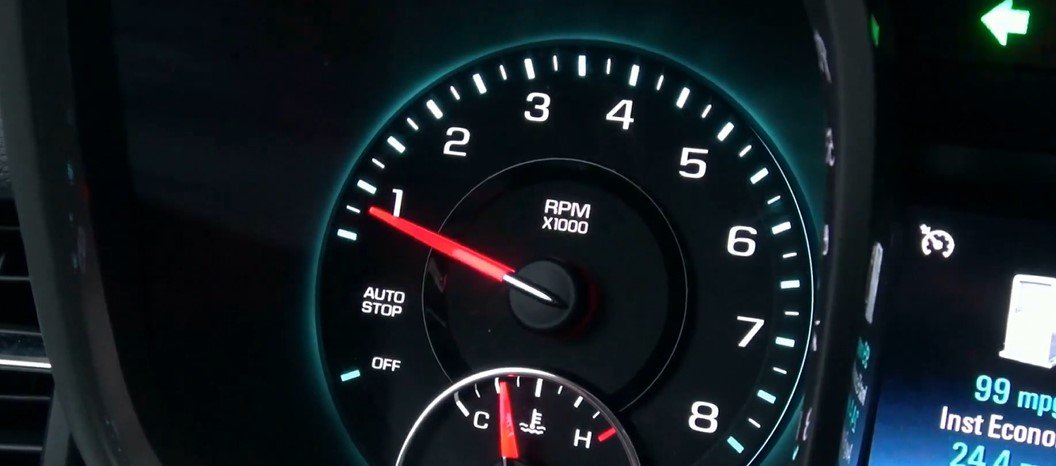
However, dirty throttle bodies, ignition faults, and unrelated intake leaks can cause similar behavior.
First check: Examine accessible PCV hoses and ask for idle fuel-trim testing before replacing the valve.
Check Engine Light or Lean-Mixture Codes
When the PCV system introduces excessive unmetered air, the engine computer may detect a mixture problem.
Possible codes include P0171 and P0174, indicating that the fuel system is running lean on the corresponding cylinder bank.
Some vehicles may also store idle-control or misfire-related faults.
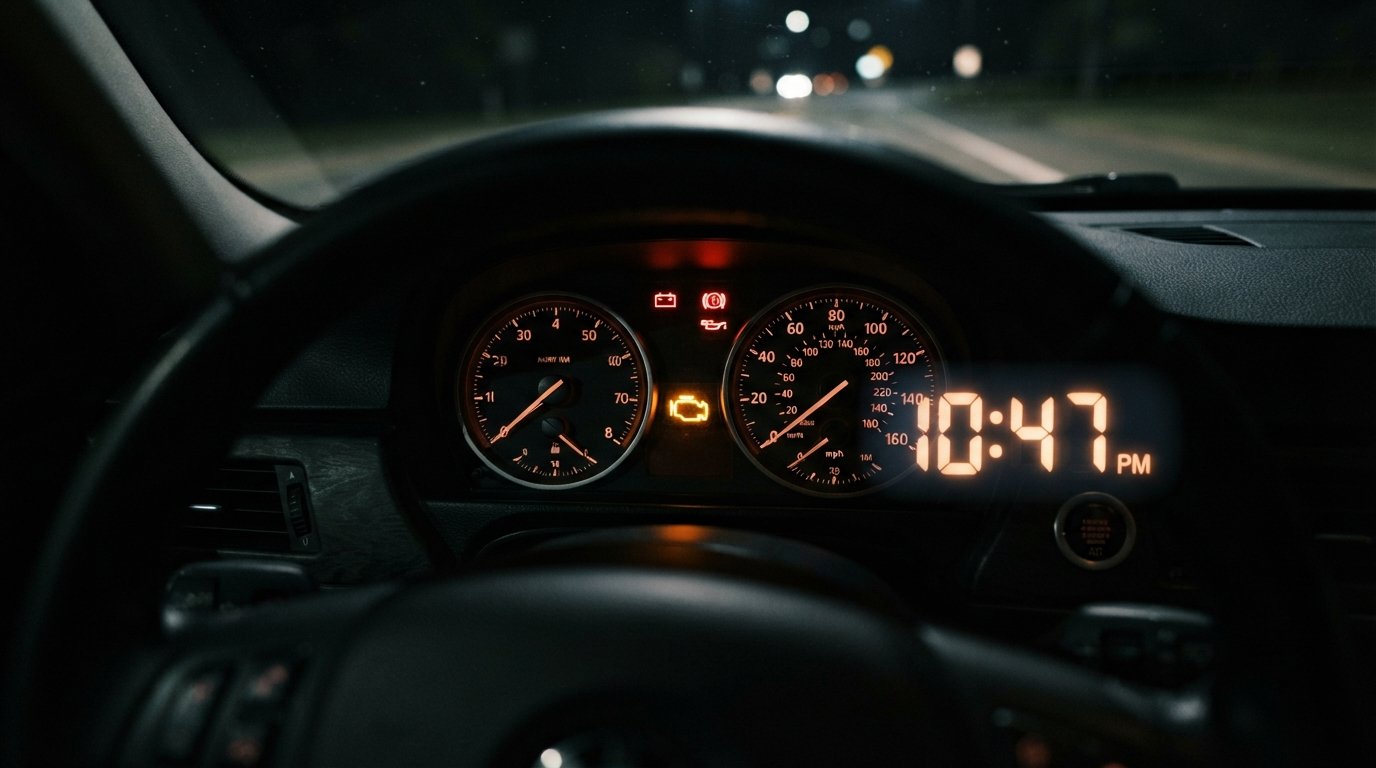
There is no single universal trouble code that confirms every PCV failure.
A vacuum hose leak, faulty MAF sensor, or fuel-delivery problem can trigger similar codes.
First check: Save stored and pending trouble codes. Our OBD2 code meanings and diagnostic guide explains why lean codes need proper testing.
Increased Engine Oil Consumption
A malfunctioning PCV valve or oil separator may allow excessive oil mist to enter the intake.
That oil can be burned during combustion, causing the engine oil level to drop faster than usual.
Some failed PCV diaphragms or regulating assemblies can create excessive crankcase vacuum and increase oil ingestion.
However, worn piston rings, valve-stem seals, turbocharger problems, and external leaks are other possible causes.
First check: Track oil consumption over a consistent distance and have the intake and ventilation system inspected for excessive oil carryover.
Blue or Blue-Gray Smoke From the Exhaust
Blue or blue-gray exhaust smoke generally suggests engine oil is being burned.
If a defective PCV system draws excessive oil into the intake, that oil may reach the combustion chambers and produce smoke.
The amount of visible smoke depends on the severity of the problem and engine design.
White vapor is more commonly associated with condensation or coolant-related problems, while black smoke often indicates excessive fuel or incomplete combustion.
Blue smoke alone doesn’t prove the PCV valve is defective.
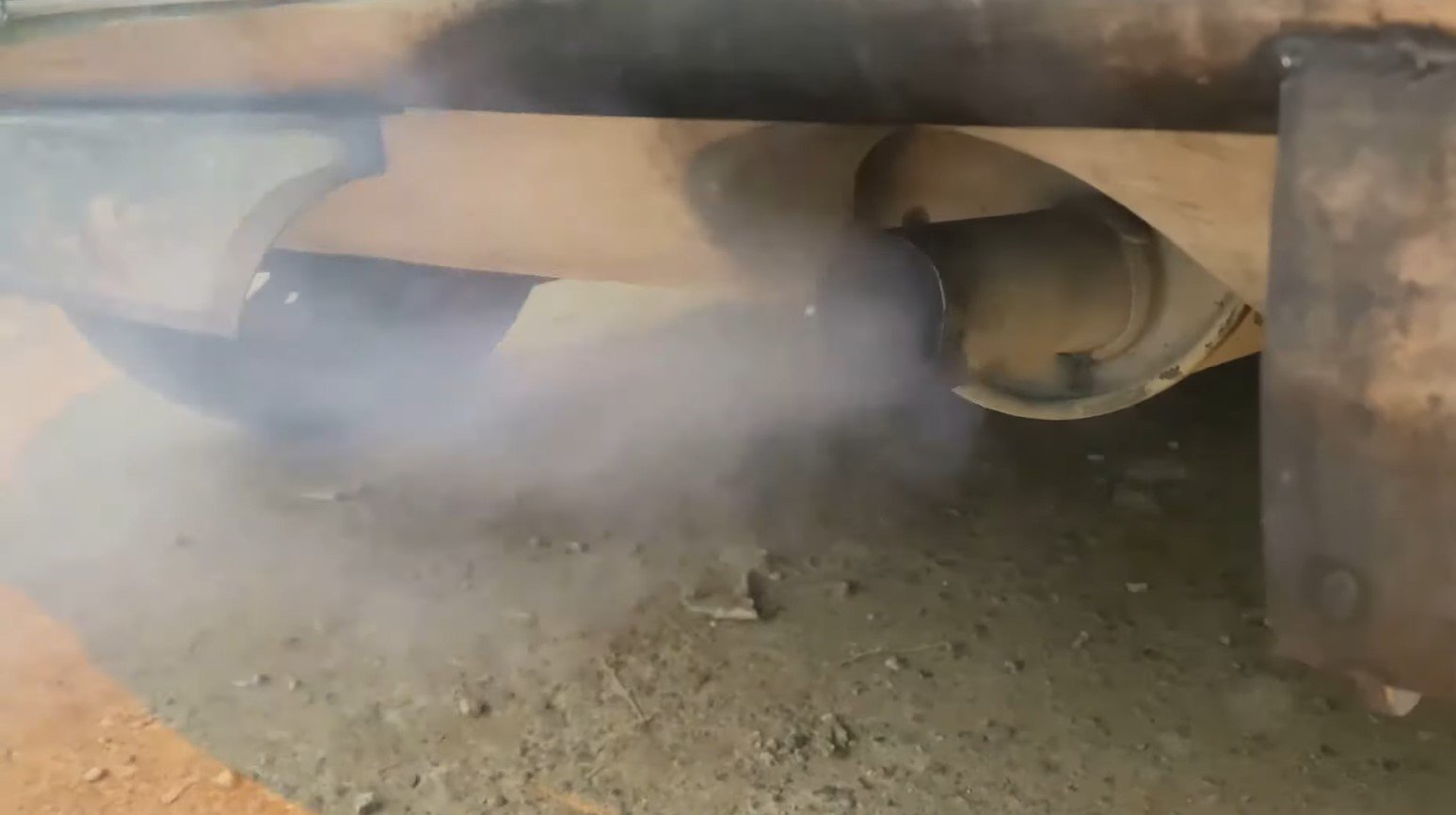
First check: Compare oil consumption, intake oil deposits, and smoke behavior. Rule out engine wear and turbocharger oil-control problems when applicable.
Whistling, Hissing, or Howling Noise
A high-pitched whistle near the valve cover can indicate a damaged PCV diaphragm or an air leak in the ventilation system.
When the diaphragm tears, intake vacuum may pull air through an unintended opening and create a noticeable whistling sound.
Some engines produce a particularly loud whistle at idle.
But a cracked intake hose, leaking manifold gasket, or accessory component may produce a similar noise.
First check: Identify where the noise originates and have the diaphragm, seals, and PCV plumbing inspected.
Oil Leaks Around Engine Gaskets and Seals
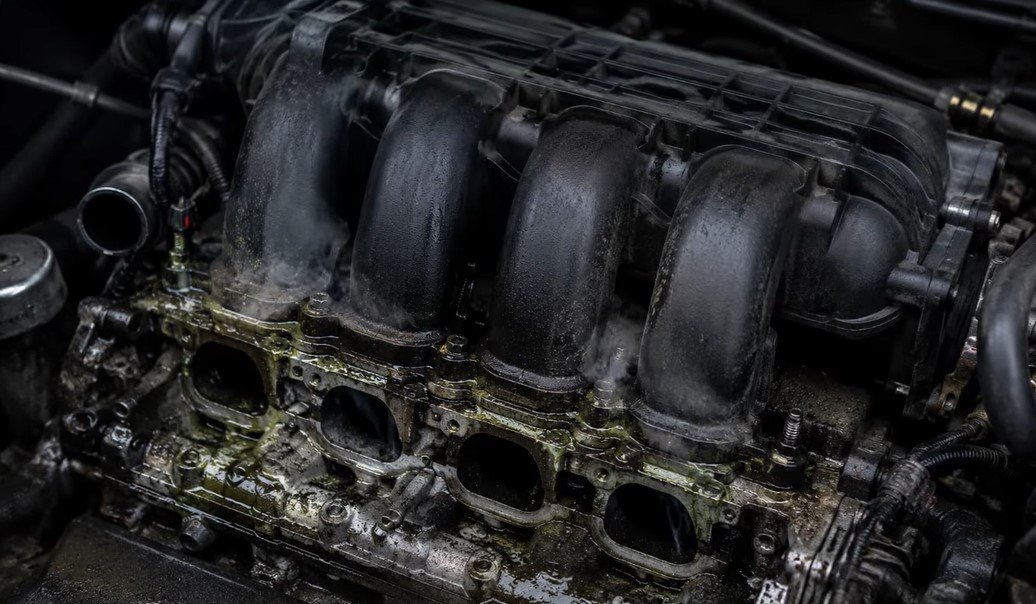
A blocked PCV valve or restricted breather hose can prevent crankcase gases from escaping normally.
As pressure builds, oil may be forced past vulnerable seals and gaskets.
Common leakage areas include valve-cover gaskets and certain crankshaft seals.
Replacing the leaking gasket alone may not solve the issue if excessive crankcase pressure caused the leak.
Severely worn piston rings can also generate enough blow-by to increase pressure even when the PCV system works properly.
First check: Identify the oil leak and request crankcase pressure testing when repeated or unusual leaks suggest a ventilation problem.
Excessive Oil in the Intake or Air Filter Housing
A restricted PCV passage can force oily crankcase vapors through another available breather route.
A failed oil separator may also allow excessive oil mist to reach the intake.
You might find substantial oil deposits in intake hoses, around the air cleaner, or in turbocharged intake plumbing.
However, a light oil film can be normal in some closed crankcase ventilation systems.
The amount of oil, overall consumption, and other engine symptoms are more meaningful than a small oily patch alone.

First check: Inspect the breather system, oil separator, and related hoses. Consider excessive engine blow-by if heavy oil accumulation continues.
Hesitation, Misfires, or Stalling
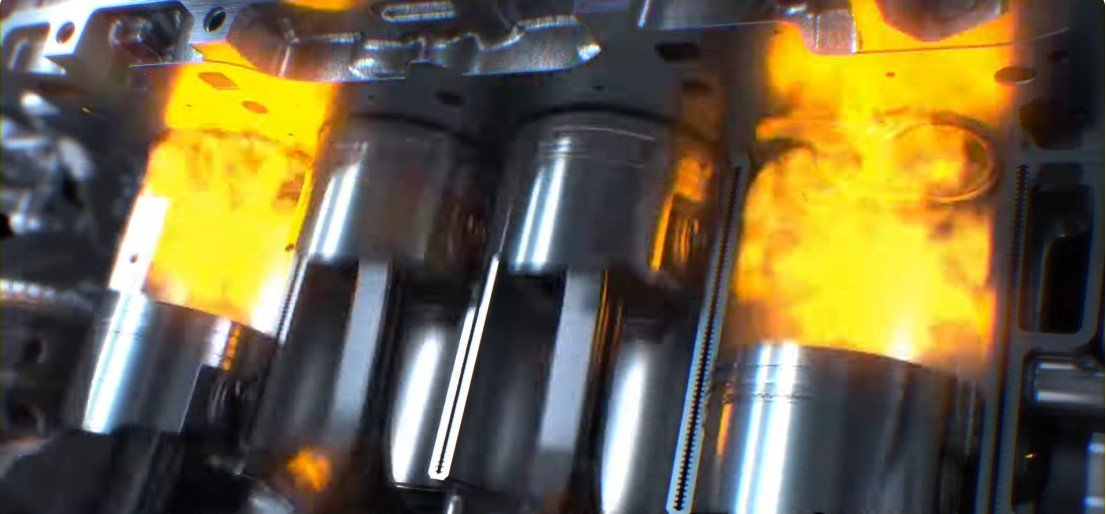
Excessive PCV airflow can disturb the air-fuel mixture enough to cause hesitation and misfires.
The engine may run poorly during acceleration or struggle to maintain idle.
On some vehicles, severe airflow problems can cause stalling when slowing down or stopping.
Nevertheless, spark plugs, ignition coils, fuel injectors, and other intake leaks can produce the same symptoms.
First check: Review misfire codes and fuel-trim readings. Check the PCV system as part of the wider intake and ignition diagnosis.
High Idle RPM or Poor Fuel Economy
When too much air passes through a malfunctioning PCV system, idle speed can rise or fluctuate.
Some engine computers compensate for the extra airflow, which may make the symptoms intermittent or less obvious.
Fuel economy can also change when the engine is continuously correcting an airflow or mixture problem.
However, poor gas mileage alone is not strong evidence of a PCV failure. Tire pressure, driving conditions, ignition problems, and many other factors affect fuel consumption.
First check: Compare idle RPM with expected values and investigate fuel-trim changes together with any hissing or rough idle.
Sludge or Moisture Buildup in Engine Oil
The PCV system helps remove moisture and combustion byproducts from the crankcase.
When ventilation becomes restricted, those contaminants can remain in the oil and contribute to sludge formation over time.
Sludge may also result from overdue oil changes, frequent short trips, or other maintenance-related problems.
A dirty oil filler cap doesn’t prove the PCV valve is blocked.

First check: Review oil-change history and inspect the ventilation passages. Determine whether contamination is related to poor ventilation, driving conditions, or another engine issue.
Bad PCV Valve Stuck Open vs. Stuck Closed
The symptoms often depend on whether the system is allowing excessive airflow or restricting ventilation.
| Clue | Stuck Open / Excessive Flow | Stuck Closed / Restricted |
|---|---|---|
| Rough idle | Common possibility | Possible, but less characteristic |
| Lean codes | Possible with unmetered airflow | Less typical |
| Whistling | Possible with diaphragm or air leak | Not a reliable indicator |
| Oil leaks | Possible in some designs | More characteristic |
| Excess oil in intake | Possible | Possible through breather system |
| Crankcase pressure | May create excessive vacuum | May create positive pressure |
| Sludge buildup | Less characteristic | Greater risk over time |
This comparison shows tendencies rather than guaranteed results. Integrated PCV assemblies can fail in several ways at once.
Bad PCV Valve vs. Vacuum Leak vs. Worn Piston Rings
These problems can produce overlapping symptoms, especially rough idle and oil consumption.
| Problem | Useful Diagnostic Clue |
|---|---|
| PCV valve or diaphragm | Abnormal crankcase vacuum/pressure, PCV-related airflow or noise |
| Intake hose or manifold leak | Unmetered air and lean fuel trims without a confirmed PCV fault |
| Worn piston rings | Excessive blow-by, oil consumption, possible compression problems |
| Turbocharger oil-control problem | Oil in charge pipes, smoke, turbo-related evidence |
| Valve-stem seal wear | Oil burning under certain operating conditions |
Excessive crankcase pressure doesn’t always mean the ventilation system is blocked. An engine with substantial piston-ring wear may produce more blow-by than a healthy PCV system can handle.
Compression and leak-down testing may be appropriate if PCV repairs don’t resolve the underlying pressure problem.
How to Test a PCV Valve Before Replacing It
A useful PCV diagnosis looks at the entire ventilation system rather than the valve alone.
- Identify the system design. Determine whether your vehicle has a separate valve, integrated diaphragm, or oil separator.
- Locate accessible PCV components. Use vehicle-specific service information.
- Inspect with the engine off. Look for cracked hoses, loose fittings, damaged seals, and disconnected breather lines.
- Check for abnormal oil accumulation. Heavy deposits may justify further inspection.
- Read diagnostic codes. Save stored and pending codes before clearing anything.
- Review idle data and fuel trims. Excessive airflow through the PCV circuit may affect mixture correction.
- Measure crankcase pressure or vacuum. A technician should compare readings against manufacturer specifications.
- Test valve and diaphragm function. Use procedures appropriate to the exact engine and PCV design.
- Check for excessive blow-by. Investigate engine condition if crankcase pressure remains abnormal despite correct ventilation operation.
Does a PCV valve need to rattle when shaken? Some traditional removable valves contain moving components that rattle. However, rattling doesn’t prove the valve regulates flow correctly. Many modern diaphragm-based systems don’t use this type of valve at all.
Avoid disconnecting ventilation hoses, removing oil caps, or pinching vacuum lines on a running engine as universal DIY tests. The results vary by design, and some procedures can disturb engine operation.
Why Does My Engine Whistle When the PCV Diaphragm Fails?
A PCV diaphragm helps regulate crankcase ventilation pressure in certain engine designs.
When it tears, intake vacuum may draw air through an unintended passage, producing a sharp whistle or howl near the valve cover.
The problem may also cause rough idle or unusual crankcase vacuum.
Some manufacturers integrate the diaphragm into a complete valve-cover assembly, making replacement more expensive than changing a traditional PCV valve.
Professional inspection should confirm the fault before replacing the assembly.
Can a Bad PCV Valve Cause a Vacuum Leak?
Yes. A stuck-open valve, damaged diaphragm, or cracked PCV hose can allow excessive air into the intake.
On some engines, this creates a lean-mixture condition and unstable idle.
Fuel trims may become unusually positive as the computer adds fuel to compensate for the extra air.
However, intake manifold gaskets and other vacuum hoses can produce similar readings.
Our Innova 5610 usage guide includes an example of using diagnostic data to investigate a rough idle.
Can a Bad PCV Valve Cause Oil Leaks or Burning Oil?
Yes, but the mechanism depends on the failure.
Restricted ventilation: Blow-by gases can create excessive crankcase pressure, potentially forcing oil through weakened seals or gaskets.
Excessive PCV flow or failed oil separation: Too much oil mist may enter the intake and burn inside the engine.
Both problems can increase oil consumption.
However, piston-ring wear, valve seals, and turbocharger problems should also be investigated when appropriate.
Is Oil in the Intake Normal or a PCV Problem?
A small amount of oil film can be normal in a closed crankcase ventilation system.
Turbocharged engines may also develop light oil deposits inside charge pipes because some oil vapor circulates through the intake.
Large oil accumulation, rapid consumption, blue smoke, or abnormal crankcase pressure deserves investigation.
Don’t assume the turbocharger or PCV valve is defective simply because an intake hose contains a little oil.
Can an OBD2 Scanner Diagnose a Bad PCV Valve?
An OBD2 scanner can help investigate bad PCV valve symptoms, especially those involving lean fuel mixtures, rough idle, and misfires.
Related Diagnostic Trouble Codes
| Code | General Meaning |
|---|---|
| P0171 | System too lean, Bank 1 |
| P0174 | System too lean, Bank 2 |
| P0300 | Random/multiple-cylinder misfire |
| P0507 | Idle control RPM higher than expected |
| P0101 | Mass airflow sensor range/performance |
| P052E | PCV regulator valve performance, on applicable vehicles |
| P053A | PCV heater control circuit/open, on equipped vehicles |
None of these codes automatically proves the PCV valve is faulty. For example, P0171 can also result from intake leaks, fuel-delivery problems, or inaccurate airflow measurement.
Useful Live Data
Short-term fuel trim (STFT), long-term fuel trim (LTFT), engine RPM, and MAF/MAP readings may help identify abnormal airflow.
Depending on vehicle support, an advanced scanner may provide additional crankcase ventilation or pressure-related information.
Our Innova 5510 review covers live-data and fuel-trim features that can assist with mixture diagnosis.
For readers interested in more advanced data functions, the Innova 5510 vs. 5610 comparison explains differences between the two diagnostic tools.
What a Scanner Cannot Confirm
A basic scanner cannot directly determine whether a PCV diaphragm is torn, a hose is clogged, or the valve’s internal mechanism is sticking.
It also cannot confirm excessive piston-ring blow-by without appropriate mechanical testing.
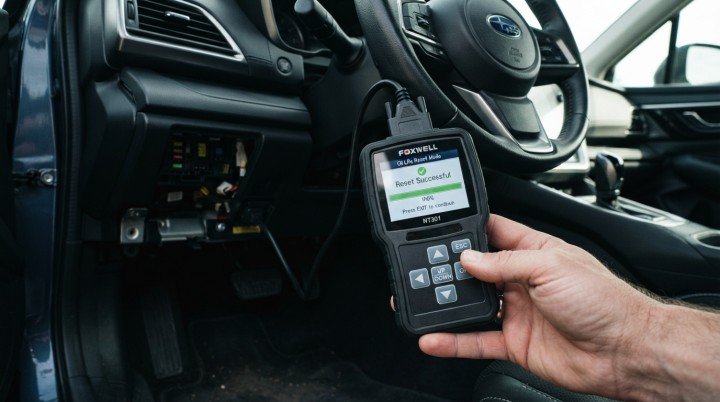
For another example of a scanner offering live-data and recording functions, see our Foxwell NT301 review.
Diagnostic reminder: A normal scan doesn’t rule out a PCV problem. Codes and fuel trims guide the investigation, but inspection and crankcase pressure measurement may be necessary to confirm the cause.
Where Is the PCV Valve Located?
On many engines, the PCV valve is installed in or near the valve cover, with a hose connecting it to the intake system.
Other designs place the valve inside an oil separator or incorporate a regulating diaphragm into the valve-cover assembly.
Some vehicles have additional check valves or separate ventilation pathways.
Use vehicle-specific service information to identify the correct component before ordering parts.
How Much Does PCV Valve Replacement Cost in 2026?
According to RepairPal’s September 2026 U.S. national estimate, traditional PCV valve replacement generally costs approximately $124–$173, including parts and labor.
However, that estimate doesn’t represent every integrated PCV system.
| Repair Type | Cost Consideration |
|---|---|
| Accessible standalone PCV valve | Usually relatively inexpensive |
| PCV hose or grommet | Additional parts and labor if damaged |
| Integrated PCV diaphragm | Cost depends on whether it is separately serviceable |
| Valve cover with integrated PCV | Can be substantially more expensive |
| Oil separator or turbo PCV assembly | Highly vehicle-dependent |
Labor access, engine design, and additional repairs can change the total. Ask whether the estimate includes the entire assembly, related hoses, seals, and diagnosis.
Can You Drive With a Bad PCV Valve?
A mildly defective PCV system may not stop the engine immediately, but ignoring it can increase oil consumption, worsen oil leaks, or cause drivability problems.
Excessive crankcase pressure may also damage seals over time.
If the engine is consuming significant oil, check the level carefully and arrange prompt repairs.
Stop driving safely and seek assistance if the oil-pressure warning appears, substantial oil loss develops, the engine misfires severely, or heavy smoke is accompanied by poor running. A PCV-related problem should never be used to dismiss signs of a more serious engine failure.
How Often Should a PCV Valve Be Replaced?
There is no universal mileage interval for PCV replacement.
Some older engines use serviceable valves with manufacturer-specified maintenance schedules.
Many newer engines use integrated assemblies that are inspected and repaired when a fault is confirmed.
Follow the owner’s manual or manufacturer service information instead of replacing the valve automatically at a fixed mileage.
How to Prevent PCV System Problems
- Use engine oil meeting the manufacturer’s specification.
- Follow recommended oil and filter change intervals.
- Inspect aging breather hoses and connections.
- Investigate recurring oil leaks or excessive consumption.
- Address sludge and ventilation restrictions promptly.
- Use correctly specified replacement PCV components.
Good maintenance helps reduce contamination, although it cannot prevent every diaphragm or mechanical failure.
Frequently Asked Questions
1. What is the most common symptom of a bad PCV valve?
Rough idle, lean-mixture codes, and oil-related problems are common clues. The symptoms depend on whether the valve allows excessive airflow or restricts crankcase ventilation.
2. Can a bad PCV valve cause a check engine light?
Yes. A PCV fault can contribute to lean-mixture, idle-control, or misfire codes. However, those codes have many possible causes and require diagnosis.
3. Can a bad PCV valve cause rough idle or stalling?
Yes. Excessive unmetered airflow or serious ventilation problems can disturb engine operation, especially at idle. Ignition and fuel problems should also be considered.
4. Can a bad PCV valve increase oil consumption?
Yes. A faulty diaphragm or oil separator may allow excessive oil mist into the intake. Other engine problems, including worn piston rings and turbocharger faults, can produce similar symptoms.
5. How do you know if a PCV valve is stuck open or closed?
A stuck-open valve may cause lean-mixture or high-idle symptoms, while restricted ventilation more commonly increases crankcase pressure and oil leakage. Proper inspection and pressure testing are needed for confirmation.
6. Can a bad PCV valve damage the engine?
Yes. Continued ventilation problems may contribute to oil leakage, sludge, excessive oil consumption, and reduced lubrication. Serious oil loss or low oil pressure can eventually cause major engine damage.
Final Thoughts
Recognizing bad PCV valve symptoms means looking beyond rough idle or a check engine light.
Whistling, unusual oil consumption, crankcase pressure problems, and oil leaks can reveal different types of ventilation failure.
Before replacing parts, check the valve, diaphragm, hoses, oil separator, and overall engine condition. Identifying the actual problem can prevent unnecessary repairs and help protect the engine.