
You press the brake pedal, but something feels wrong. It takes more effort than usual to slow down, or you hear a faint hissing noise near the firewall. Before assuming the entire brake booster has failed, there is a smaller component worth checking: the brake booster check valve.
A bad brake booster check valve can interfere with the vacuum assistance that makes braking easier. Depending on how the valve fails, you may notice a hard brake pedal, reduced brake assist, or even engine idle problems caused by a vacuum leak.
However, these symptoms do not automatically mean the check valve is defective. A cracked vacuum hose, leaking booster diaphragm, or inadequate vacuum supply can produce similar problems.
Below are seven warning signs, what they actually mean, and how to narrow down the problem before spending money on replacement parts.
What Does a Brake Booster Check Valve Do?
Most conventional vacuum-assisted braking systems use a brake booster mounted between the brake pedal linkage and the master cylinder. The booster uses a pressure difference to reduce the effort needed to apply the brakes.
The brake booster check valve is a small one-way valve located in the vacuum connection between the booster and its vacuum source. On many vehicles, it fits directly into a rubber grommet on the booster housing. Other designs incorporate the valve into the vacuum hose assembly.
Its job is simple: allow vacuum to reach the brake booster while preventing stored vacuum from escaping when vacuum at the source decreases.
For example, when you accelerate, engine manifold vacuum may drop. The check valve helps preserve the vacuum already stored inside the booster so you still have power-assisted braking available.
It also helps retain some vacuum after the engine stops, although the amount of available reserve depends on the vehicle and the condition of the system.
Not every vehicle uses this arrangement. Some diesel and gasoline engines use dedicated vacuum pumps, while hydroboost and certain electronically controlled braking systems work differently. Always identify your vehicle’s brake-assist system before testing or replacing components.
7 Symptoms of a Bad Brake Booster Check Valve
A failing check valve can cause several noticeable changes in braking performance. Some signs directly involve lost vacuum assistance, while others appear only when the valve or its connections allow unwanted air into the engine’s vacuum system.
1. Brake Pedal Feels Harder Than Normal
A hard brake pedal is one of the most important warning signs of a brake-assist problem.
Under normal conditions, the brake booster helps multiply the force you apply with your foot. You can slow the vehicle without pushing unusually hard.
When the booster cannot receive or retain sufficient vacuum, that assistance decreases. The brake pedal may feel unusually firm, and you may need considerably more force to achieve the same braking effect.
For example, you might notice that approaching a stop sign requires much more pedal pressure than it did the previous day.
A check valve stuck closed can prevent adequate vacuum from reaching the booster. A valve stuck open may allow vacuum reserve to escape when source vacuum decreases.
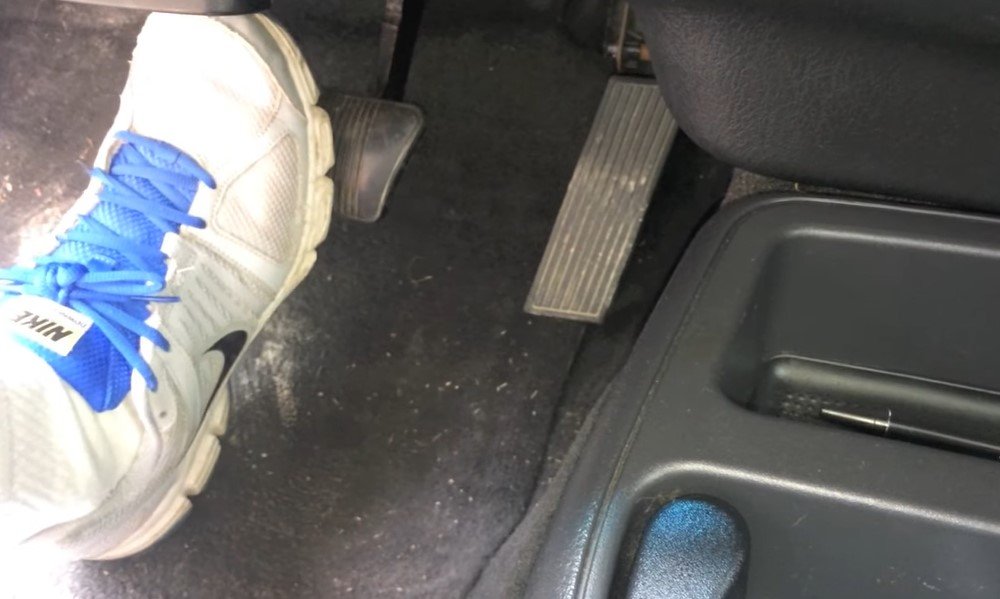
What to check first: Inspect the vacuum supply hose and connections. A disconnected hose, failed vacuum pump, or leaking booster can also produce a hard pedal.
Do not confuse this symptom with a soft or sinking brake pedal. A soft pedal can indicate a hydraulic braking problem, such as air in the lines or a fluid leak, and requires immediate attention.
2. Brake Pedal Gets Hard During Repeated Braking
Does the first brake application feel reasonably normal, but the pedal becomes noticeably harder after several stops?
This can happen when the booster does not receive enough replacement vacuum or cannot maintain its vacuum reserve.
Each assisted brake application uses some of the stored vacuum. With the engine running, a healthy system should normally replenish that reserve sufficiently for ordinary driving.
If the check valve leaks backward, the available vacuum may decrease when engine vacuum drops. However, a restricted vacuum hose, weak vacuum pump, or inadequate vacuum supply can cause similar behavior.
Important distinction: It is normal for the brake pedal to become harder after you repeatedly press it with the engine switched off. Those presses gradually use the remaining vacuum assistance.
The more concerning situation is when brake assistance becomes unreliable during normal driving with the engine running.
3. Hissing or Whistling Noise Near the Brake Booster
A hissing sound around the brake booster may indicate escaping vacuum or air entering through a leak.
The sound might come from:
- A cracked check valve housing.
- A damaged rubber grommet where the valve enters the booster.
- A split or disconnected vacuum hose.
- A leaking brake booster diaphragm or internal seal.
You may notice the noise at idle, when pressing the brake pedal, or when releasing it.
For instance, if the hissing becomes louder every time you apply the brakes, the booster itself may be leaking internally. A damaged valve or hose connection can also produce a continuous vacuum leak.
A brief air movement sound during normal booster operation is not necessarily a failure. Persistent hissing accompanied by reduced brake assist is much more concerning.
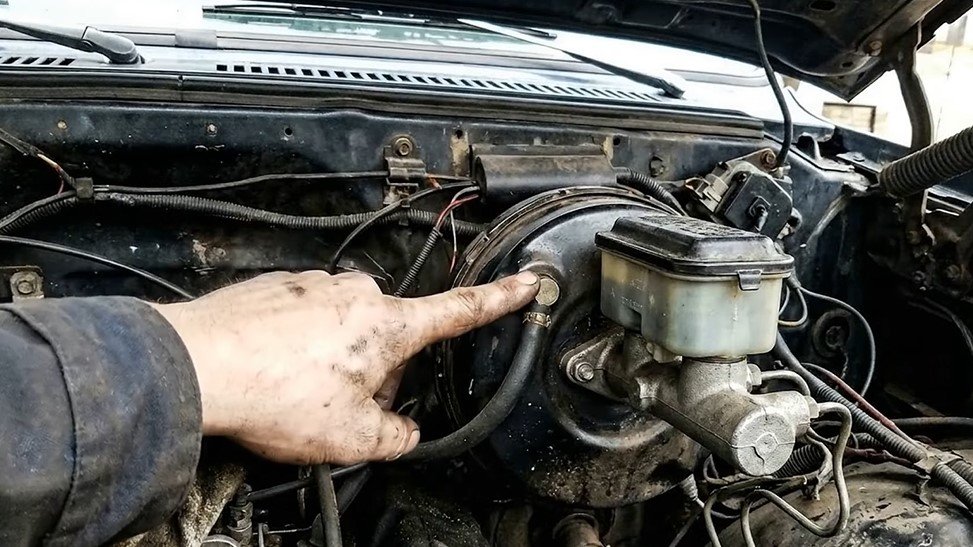
What to check first: With the vehicle safely parked, listen around the booster and inspect the accessible vacuum hose and grommet. Do not place your hands near moving engine components.
4. Brake Assist Disappears Soon After Turning Off the Engine
A properly functioning vacuum booster system generally retains some vacuum after the engine stops.
That reserve allows a limited number of assisted brake applications, depending on the vehicle and operating conditions.
If the brake pedal becomes hard almost immediately after shutdown, the system may be losing stored vacuum too quickly.
A check valve that no longer seals in the reverse direction is one possible cause. Instead of isolating the booster from the vacuum source, it allows the stored vacuum to escape.
However, a leaking booster diaphragm, damaged grommet, or another vacuum connection can produce the same result.
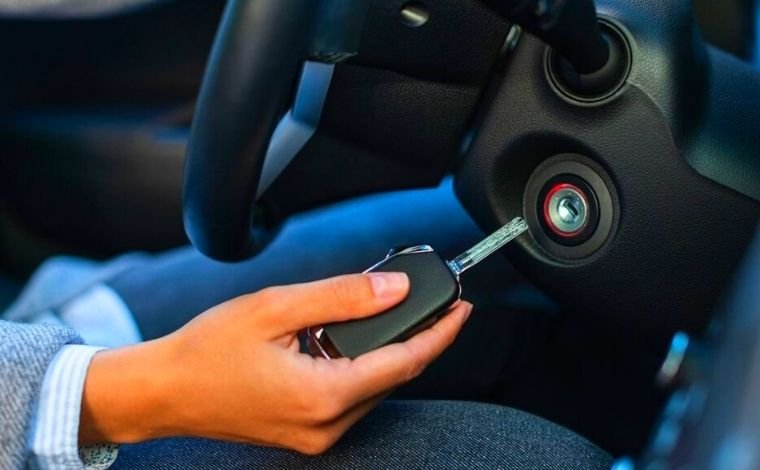
What to check first: Perform the manufacturer’s brake booster vacuum reserve test. If the system fails, test the check valve separately before deciding which component needs replacement.
5. Engine Idles Rough or RPM Drops When Braking
A bad brake booster check valve can sometimes cause rough engine idle, particularly when its housing or connections develop a vacuum leak.
On engines that use intake manifold vacuum, a leak can allow unmetered air into the intake system. This may disturb the air-fuel mixture and make the engine idle unevenly.
You might notice:
- Engine RPM fluctuating at a stoplight.
- A slight stumble when pressing the brake pedal.
- Rough idle that becomes more noticeable with the brakes applied.
- A hissing noise accompanied by unstable engine speed.
There is an important difference between a leaking valve and a valve that simply fails to hold reverse vacuum. An internal one-way sealing failure does not necessarily create an external vacuum leak or rough idle.
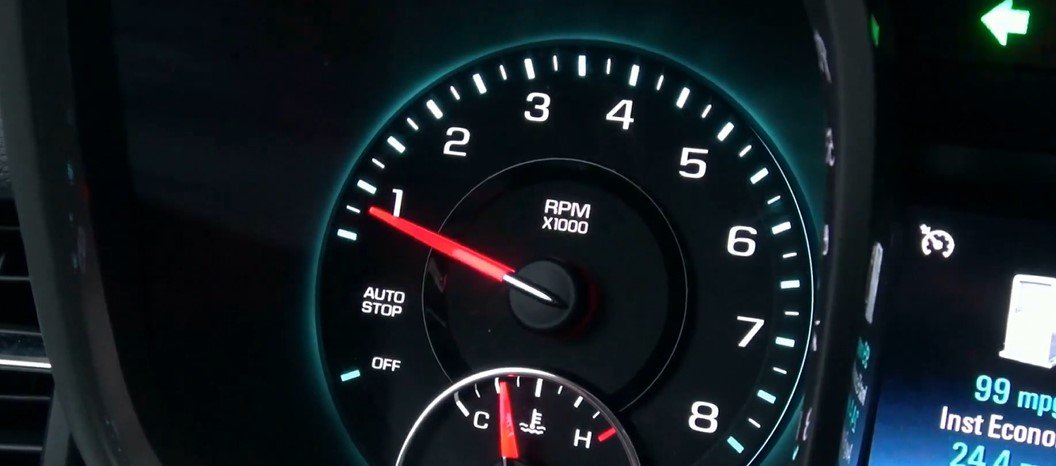
Likewise, a brake booster diaphragm leak may cause rough idle even when the check valve works perfectly.
If the engine runs poorly whenever you apply the brakes, inspect the complete booster vacuum circuit rather than replacing the check valve based on that symptom alone.
6. Engine Stumbles or Stalls When You Press the Brakes
In more severe cases, a vacuum leak associated with the brake booster system can contribute to engine stumbling or stalling.
Imagine approaching an intersection, pressing the brake pedal, and noticing the engine RPM drop sharply. The engine might hesitate or, in an extreme case, stall.
A significant vacuum leak can disrupt combustion at idle on susceptible engines. Applying the brakes may change airflow through a damaged booster or vacuum connection, making the problem more noticeable.
However, this symptom is not specific to a bad brake booster check valve.
Possible causes also include a leaking booster diaphragm, intake vacuum leaks, throttle control problems, or other engine faults.
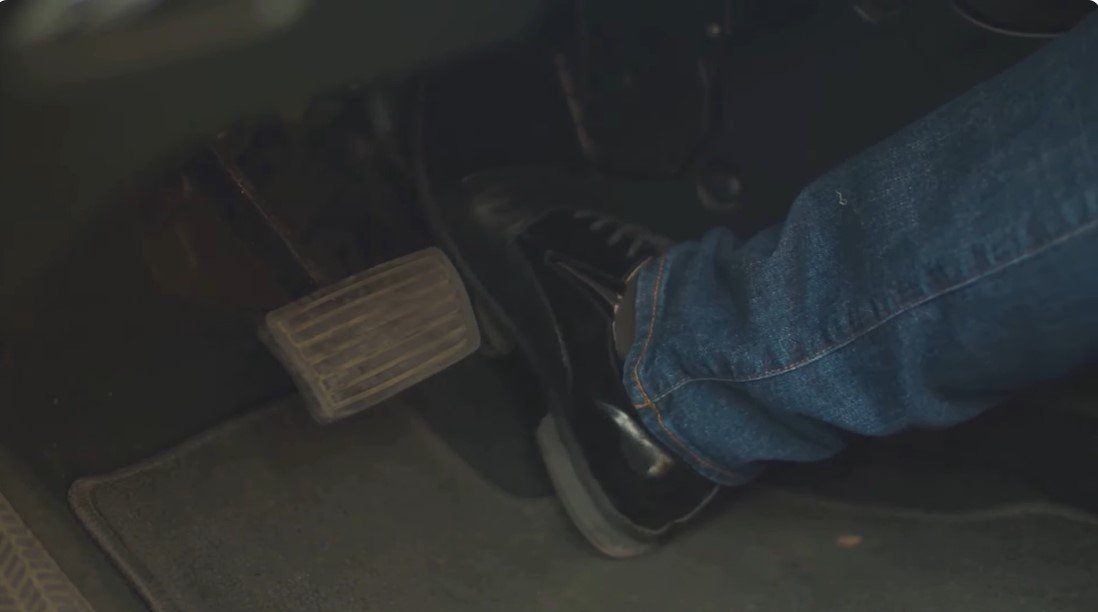
Safety warning: If your engine stalls while braking or your brake pedal becomes unusually hard, stop driving as soon as you can do so safely. Arrange professional diagnosis rather than continuing to use the vehicle.
7. Check Engine Light Appears With Brake-Related Symptoms
On some vehicles, a vacuum leak involving the brake booster circuit can trigger a check engine light.
For example, an intake vacuum leak may contribute to lean-condition diagnostic trouble codes such as:
- P0171: System Too Lean, Bank 1.
- P0174: System Too Lean, Bank 2, on applicable engines.
Some vehicles also monitor brake booster vacuum or related brake-assist components through dedicated sensors and control systems.
Still, neither P0171 nor P0174 confirms a failed brake booster check valve. These codes can result from many other issues, including intake leaks, fuel delivery problems, or incorrect airflow measurements.
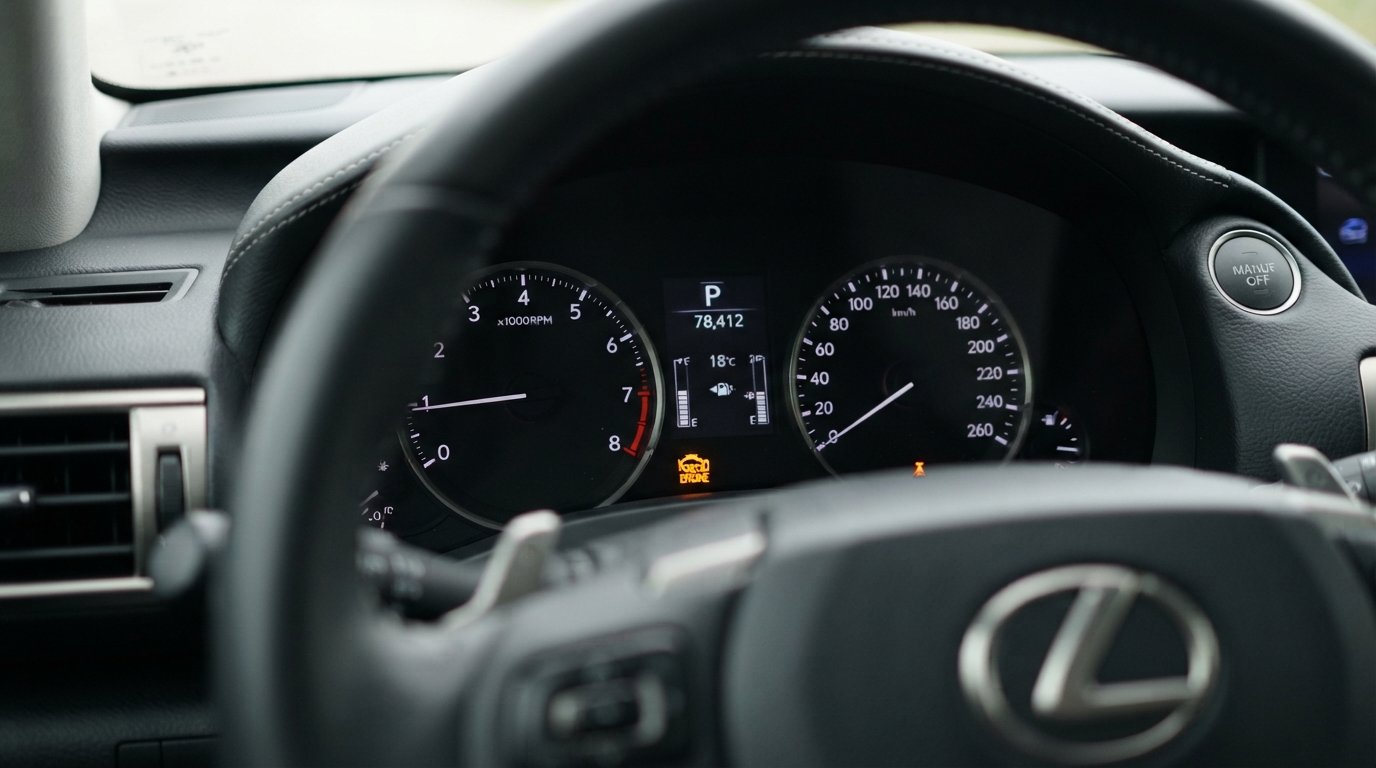
If the check engine light appears together with rough idle, hissing, and a hard brake pedal, the booster vacuum circuit deserves closer inspection.
Reading the codes with an OBD2 scanner can provide useful information, but physical testing is necessary to confirm the actual fault.
How to Test a Bad Brake Booster Check Valve Before Replacing It
Before buying a replacement valve, work through a few basic checks. These tests help determine whether the problem involves brake assist, vacuum retention, or the check valve itself.
Perform stationary checks only with the vehicle parked securely, the parking brake applied, and the transmission in Park or Neutral as appropriate. Follow your vehicle’s service instructions. Do not road-test a vehicle with questionable braking assistance.
Test 1: Check Brake Booster Assistance When Starting the Engine
This basic test checks whether the brake booster is receiving and providing vacuum assistance.
- Turn the engine off.
- Press the brake pedal several times until it becomes firm, using up the stored vacuum.
- Keep steady pressure on the pedal.
- Start the engine while continuing to hold the pedal.
- Observe whether the pedal moves downward slightly as vacuum assistance develops.
Normal result: On many conventional vacuum booster systems, the pedal moves downward slightly when the engine starts.
Possible problem: If the pedal does not move, the booster may not be receiving sufficient vacuum or may not be functioning correctly.
This test does not isolate the check valve. You still need to examine the vacuum source, hose, and booster.
Test 2: Check Whether the Booster Retains Vacuum
This test helps identify excessive vacuum loss after engine shutdown.
- Run the engine long enough to establish normal booster vacuum.
- Turn off the engine without repeatedly pressing the brake pedal.
- Follow the vehicle manufacturer’s specified waiting period and pedal-test procedure.
- Check whether the expected amount of assisted braking remains.
If the booster loses its reserve unusually quickly, there may be a leak somewhere in the system.
Do not assume the check valve is responsible. A booster diaphragm leak or damaged hose connection can cause the same failure.
Test 3: Inspect the Check Valve, Vacuum Hose, and Grommet
Before removing anything, inspect the visible components.
Look for cracks in the plastic valve body, hardened rubber, loose hose connections, and damage around the booster grommet.
Pay attention to hoses that are kinked, collapsed, or softened by oil contamination.
A damaged rubber seal may allow vacuum to escape even when the check valve itself is working correctly.
If the valve is difficult to remove or integrated into a larger assembly, consult the service manual rather than forcing it out.
Test 4: Test the Check Valve’s One-Way Operation
A direct valve test provides stronger evidence than symptoms alone.
Depending on the vehicle, a technician may disconnect the valve and use a hand-operated vacuum pump to verify that it permits flow in the intended direction while preventing reverse flow.
The correct test direction and vacuum retention specifications depend on the valve design. Use the manufacturer’s procedure rather than relying on an assumed orientation.
A valve that leaks in the direction it should seal, or fails to permit flow in its intended direction, may need replacement.
Remember: Passing a basic one-way test does not rule out every intermittent or installation-related problem. The hose, grommet, and booster should also be checked if symptoms continue.
Bad Brake Booster Check Valve vs. Bad Brake Booster: What’s the Difference?
A faulty check valve and a damaged brake booster can feel almost identical from the driver’s seat. Both can reduce power-assisted braking, but they are different components and may require very different repairs.
| Warning Sign or Test | Bad Check Valve | Bad Brake Booster |
|---|---|---|
| Hard brake pedal | Possible | Possible |
| Vacuum reserve disappears | Possible | Possible |
| Hissing noise | Possible if leaking | Possible with internal leak |
| Rough engine idle | Possible with external vacuum leak | Possible with vacuum leak |
| Fails one-way valve test | Strong evidence | Not necessarily |
| Internal diaphragm leak | No | Strong evidence |
| Typical repair | Valve or hose assembly | Brake booster replacement |
The most useful distinction comes from testing. If the check valve fails its one-way operation test, replacing it may restore proper vacuum retention. If the valve and hose test correctly but the booster still leaks, the booster itself may be defective.
Replacing the entire brake booster without checking the valve first can turn a relatively simple repair into an unnecessary expense.
What Causes a Brake Booster Check Valve to Fail?
A brake booster check valve can fail internally or develop an external leak. These failures do not always produce the same symptoms.
- Stuck-open valve: The valve no longer prevents reverse airflow, allowing stored booster vacuum to escape when source vacuum decreases.
- Stuck-closed valve: Vacuum cannot reach the booster properly, potentially causing consistently reduced brake assistance.
- Cracked valve housing: Aging plastic, heat, or physical damage can create an external vacuum leak.
- Damaged grommet or hose: Deteriorated rubber can cause symptoms that resemble a defective valve.
- Contamination: Oil or debris entering the vacuum circuit may interfere with valve operation.
Sometimes the valve is perfectly functional, but the surrounding rubber seal has hardened or split. Inspecting both components can prevent replacing the wrong part.
Can You Drive With a Bad Brake Booster Check Valve?
You should not continue driving with a suspected brake booster check valve problem that affects braking assistance.
The hydraulic brakes may still function without normal vacuum assistance, but the pedal can require substantially more force. That makes it harder to slow the vehicle quickly, especially during an emergency.
If the brake pedal suddenly becomes hard while driving, remain calm, maintain firm and steady braking pressure, and move toward a safe stopping location when possible. Avoid unnecessary acceleration or abrupt maneuvers.
Once stopped safely, arrange professional inspection or towing. Do not assume the vehicle is safe simply because the brakes still respond when you press harder.
How Much Does Brake Booster Check Valve Replacement Cost?
Replacing a standalone brake booster check valve is generally less expensive than replacing the entire brake booster.
The final cost depends on your vehicle’s make, model, valve design, local labor rates, and whether the check valve is available separately.
Some vehicles use a removable plastic valve, while others have a check valve built into the vacuum hose. In the latter case, the complete hose assembly may need replacement.
If testing reveals a damaged booster diaphragm rather than a defective valve, the repair will typically be more involved and expensive.
Before approving the repair, ask the technician whether the valve failed its one-way test, whether the booster holds vacuum, and whether the vacuum supply is adequate.
Frequently Asked Questions
Can a bad brake booster check valve cause a hard brake pedal?
Yes. A bad brake booster check valve can prevent the booster from receiving or retaining sufficient vacuum, reducing power assistance and making the pedal harder to press. However, a hard pedal can also result from a failed vacuum pump, damaged hose, or defective booster.
Can a bad brake booster check valve cause rough idle?
Yes, if the valve housing or its connections create a vacuum leak on an engine that uses intake manifold vacuum. However, an internal one-way valve failure does not necessarily cause rough idle.
Can a bad brake booster check valve cause a check engine light?
It can on some vehicles, especially when a vacuum leak affects the engine’s air-fuel mixture or a monitored brake-assist system detects a fault. The check engine light alone cannot identify the valve as the cause.
How do I know if the check valve or brake booster is bad?
Test the check valve’s one-way operation, inspect the hose and grommet, and check whether the booster retains vacuum. If the valve works correctly but the booster fails its vacuum leak test, the booster may be defective.
Can a bad brake booster check valve cause brakes to lock up?
A failed check valve typically causes reduced brake assistance rather than brakes that remain applied. Brake dragging or locking can involve hydraulic pressure problems, a sticking caliper, incorrect booster pushrod adjustment, or other faults. Have the vehicle inspected rather than assuming the check valve is responsible.
Can I replace the brake booster check valve myself?
On some vehicles, replacing an accessible standalone valve is relatively straightforward. However, the replacement must match the original design and flow direction, and the vacuum connections must seal correctly. If the valve is integrated into the hose or you are unsure about the diagnosis, professional service is the safer option.
Final Thoughts
A bad brake booster check valve can make braking harder, reduce stored vacuum assistance, and sometimes contribute to hissing or rough idle when a vacuum leak is present.
The key is not to replace parts based on symptoms alone. Check the vacuum hose, grommet, check valve, and booster before deciding what has failed.
If braking suddenly requires more effort than normal, treat it as a safety issue. A proper diagnosis can help you avoid unnecessary repairs while making sure your vehicle stops the way it should.