
A bad oxygen sensor can be sneaky. Your car may still start. It may still drive. You may not hear any serious noise. But behind the scenes, the engine computer may be making fuel adjustments from bad information.
That is why bad oxygen sensor symptoms often show up slowly: a check engine light, worse fuel mileage, rough idle, hesitation, or emissions trouble. Many drivers ignore those signs because the car still feels “mostly fine.” The problem is that a lazy or failed O2 sensor can make the engine run rich, run lean, waste fuel, and stress the catalytic converter.
Before blaming the sensor, remember one thing: an O2 sensor code does not always mean the oxygen sensor itself is bad. Exhaust leaks, vacuum leaks, wiring damage, fuel pressure problems, misfires, and a failing catalytic converter can all confuse the diagnosis.
Bad Oxygen Sensor Symptoms: 8 Signs That Point to a Failing O2 Sensor
The most common bad oxygen sensor symptoms are a check engine light, poor fuel economy, rough idle, hesitation, failed emissions, rich exhaust smell, catalyst-related codes, and warm-engine drivability problems. One symptom alone is not enough to confirm it, but when several signs appear together, the O2 sensor becomes a strong suspect.
1. Check Engine Light With O2 Sensor Codes
The check engine light is usually the first warning. Sometimes the engine still runs normally, but the computer has already detected an oxygen sensor signal problem. If you are not sure how to start, reading the light with a scanner is the first step; this guide on how to check engine light with a scanner explains the basic process.
You may see codes such as P0130, P0131, P0132, P0133, P0135, P0136, P0141, P0150, P0153, or similar bank/sensor codes. Some mean the signal is too high or too low. Some mean the sensor is responding too slowly. Others point to a heater circuit issue, like trouble code P0135.

This is one of the most important bad oxygen sensor symptoms because it gives you a direction. But do not replace the sensor just because the code mentions O2. A melted wire, corroded connector, exhaust leak, blown heater fuse, or vacuum leak can trigger similar codes. If you want to understand how codes usually connect to symptoms and causes, this OBD2 codes list and diagnostic procedure is a useful reference.
First, identify the exact bank and sensor number. Bank 1 Sensor 1, Bank 1 Sensor 2, Bank 2 Sensor 1, and Bank 2 Sensor 2 are not the same part.
2. Poor Fuel Economy
A failing upstream oxygen sensor can cause the engine computer to add too much fuel or pull fuel at the wrong time. That means your car may burn more gas than it should.
At first, you may only notice that the tank empties faster. Later, fuel mileage may drop enough that it becomes obvious. If your driving route, tire pressure, and fuel quality have not changed, poor MPG with a check engine light is worth checking. For a wider look at fuel-waste causes, see this guide on why a car is using too much fuel.
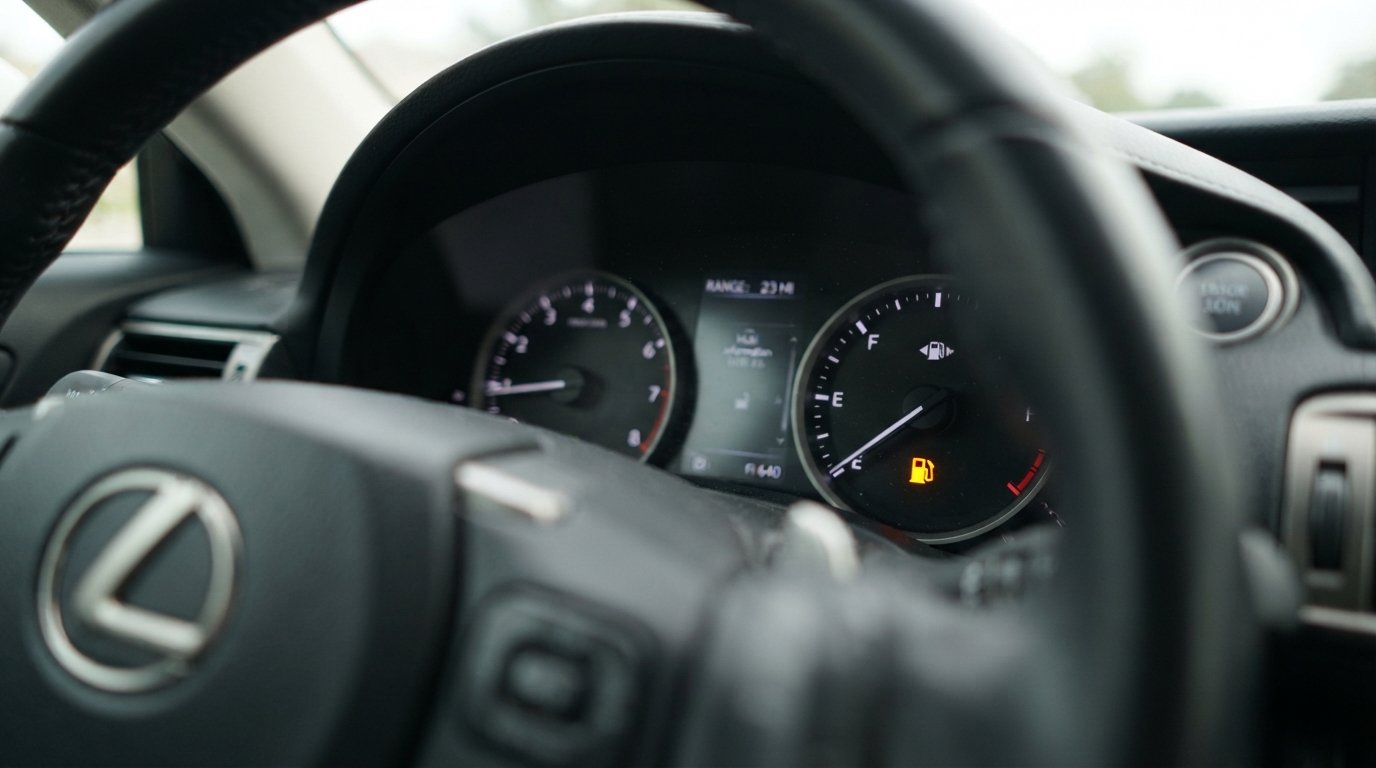
Among bad oxygen sensor symptoms, this one matters because it costs money every day. The longer the mixture stays wrong, the more fuel you waste.
3. Rough Idle After the Engine Warms Up
A rough idle can happen for many reasons, but a bad oxygen sensor can be one of them.
When the engine is cold, the computer may not rely heavily on O2 sensor feedback right away. After the sensor heats up and the system goes into closed loop, the computer starts using that sensor data to fine-tune the air-fuel mixture.
If the signal is wrong, the idle may become uneven after a few minutes of driving. You may feel a light shake at stoplights, see the RPM move up and down, or feel like the engine is not running smoothly.
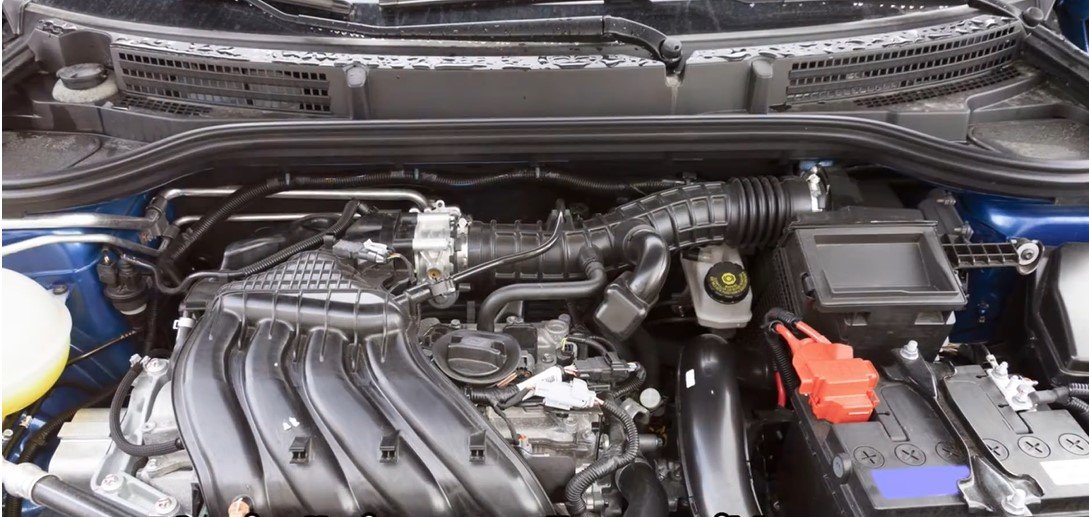
This is not proof by itself. Bad spark plugs, vacuum leaks, dirty throttle body, weak coils, and clogged injectors can do the same thing. But rough idle plus fuel trim issues plus oxygen sensor codes creates a stronger pattern.
4. Hesitation or Sluggish Acceleration
A bad upstream O2 sensor can make acceleration feel weak or delayed. You press the gas, but the engine does not respond cleanly.
This happens because the air-fuel mixture may be too rich or too lean for the moment. The engine may stumble, hesitate, or feel flat when pulling away from a stop.

Many drivers mistake this for a transmission issue. Sometimes it is not the transmission at all. It is the engine struggling because combustion is not clean.
If hesitation appears with worse gas mileage and an O2-related code, bad oxygen sensor symptoms should be checked before replacing larger parts.
5. Rich Exhaust Smell, Black Smoke, or Rotten Egg Smell
A bad O2 sensor can contribute to a rich-running condition. When too much fuel enters the engine, some of it may not burn completely. That can create a strong fuel smell, dark exhaust smoke, or soot around the tailpipe.
A rotten egg smell is often connected to catalytic converter stress or a rich exhaust condition. The oxygen sensor may be part of the cause, but it is not the only possible cause. A leaking injector, misfire, high fuel pressure, or a rich condition like P0172 code can also create similar signs.
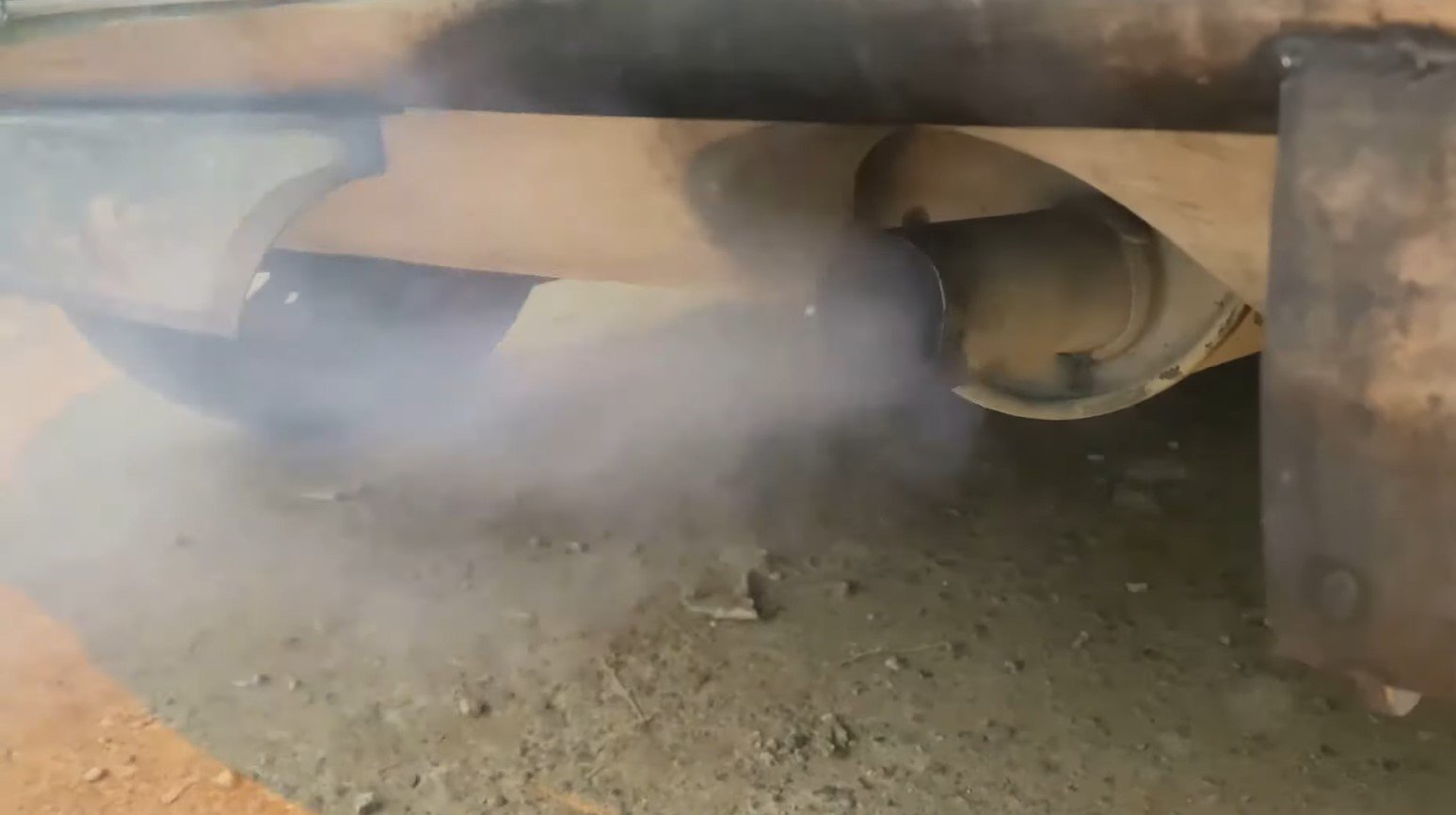
Lean running can also confuse the diagnosis. If the computer is adding fuel heavily because it sees too much oxygen in the exhaust, a lean code such as P0171 code may appear. That could be caused by the sensor, but it could also be a vacuum leak, exhaust leak, or MAF-related issue.
This is why diagnosis matters. If the engine is running rich or lean, you want to find out why before the catalytic converter overheats or gets damaged.
6. Failed Emissions Test
The oxygen sensor is part of the emissions control system. If it gives wrong data, the engine may produce more pollutants than normal.
A car can fail emissions because the check engine light is on, because the monitors are not ready, or because the exhaust readings are outside the legal range. A bad O2 sensor can affect all of those situations. If readiness status is confusing, this explanation of OBD monitor readiness time helps explain why a car may not be ready for inspection yet.
This is one of the bad oxygen sensor symptoms people often discover too late. The car feels okay, then fails inspection. If you recently failed emissions and have O2 sensor or catalyst-related codes, do not just clear the codes. Fix the cause and complete the drive cycle properly. You can also review this guide on how to pass an OBD-II emissions test before retesting.
7. P0420 or P0430 Catalyst Efficiency Codes
P0420 and P0430 are usually catalytic converter efficiency codes, but oxygen sensors are part of that story.
The upstream sensor helps the computer control fuel mixture. The downstream sensor checks whether the catalytic converter is storing oxygen and cleaning the exhaust properly.
If the upstream sensor is lazy or wrong, the engine may run rich or lean and stress the converter. If the downstream sensor is faulty, it may report bad catalyst behavior even when the converter is not the real issue.
So yes, a bad oxygen sensor can be connected to catalyst codes. But you should not automatically replace the catalytic converter or the O2 sensor without looking at live data, exhaust leaks, misfires, and fuel trims.
8. Symptoms Get Worse After Warm-Up
This is a useful clue. If the car starts fine cold but acts worse after warming up, oxygen sensor feedback may be involved.
A failing sensor may work poorly once closed-loop fuel control begins. You may notice rough idle, hesitation, fuel trim changes, or a check engine light after a few minutes of driving.
This does not always mean the oxygen sensor is bad. But when warm-engine problems appear with O2 sensor codes, it is a strong reason to check sensor data instead of guessing.
Upstream vs Downstream O2 Sensor: Why It Matters
Not all oxygen sensors do the same job.
The upstream oxygen sensor is before the catalytic converter. On many vehicles, it has the biggest effect on fuel control. If this sensor fails, bad oxygen sensor symptoms are usually more noticeable: poor MPG, hesitation, rough idle, rich/lean codes, and drivability issues.
The downstream oxygen sensor is after the catalytic converter. Its main job is to monitor catalytic converter performance. If this sensor fails, the car may drive normally, but the check engine light may come on.
Modern vehicles may use an air-fuel ratio sensor instead of an old-style narrowband O2 sensor, especially upstream. People still call it an O2 sensor, but the scan data may look different. That is why vehicle-specific information matters when reading live data.
What Can Look Like a Bad Oxygen Sensor?
This is where many wrong repairs happen. These problems can imitate bad oxygen sensor symptoms:
A vacuum leak can make the engine run lean. An exhaust leak before the sensor can pull in outside air and confuse the reading. A dirty MAF sensor can report the wrong air volume. A weak fuel pump can cause lean running. A leaking injector can cause rich running. Bad spark plugs or coils can send unburned oxygen into the exhaust and confuse sensor readings.
So if an O2 sensor code comes back after replacing the sensor, the sensor may not have been the original problem.
How to Confirm a Bad O2 Sensor Before Replacing It
Start with the code, but do not stop there.
Look at freeze frame data to see when the code set. Was the engine cold or warm? Was the car idling or cruising? Were fuel trims high or low? If you are comparing saved code data with current sensor readings, this breakdown of freeze frame vs live data will help.
Then inspect the basics. Check the sensor connector, wiring, exhaust leaks, and obvious vacuum leaks. If the code is for a heater circuit, check fuse, power, ground, and wiring before blaming the sensor.
With a scan tool, look at live data. On many older narrowband upstream sensors, the voltage should switch as the mixture changes. If it stays stuck high, stuck low, or moves very slowly, that is suspicious. This guide on how to read live data from OBD-II scanners is useful if you are still learning the numbers.
On wideband air-fuel sensors, the data may not switch the same way, so fuel trims and commanded equivalence ratio become more useful. If you want a more focused guide, check these bad O2 sensor live data readings.
Downstream sensor data should usually be steadier than upstream data when the catalytic converter is working correctly. If downstream readings closely copy upstream readings, that may point toward converter efficiency trouble, but exhaust leaks and sensor problems still need to be ruled out.
For a direct testing walkthrough, this guide on how to test an O2 sensor with OBD2 fits this diagnosis step well.
The best diagnosis is a pattern, not one number.
What Happens If You Ignore It?
Ignoring bad oxygen sensor symptoms can cost more than the sensor itself.
You may waste fuel every week. The engine may run rough. The car may fail emissions. A rich mixture can overheat the catalytic converter. A lean condition can cause hesitation and higher combustion temperatures. If misfires are also present, the risk to the catalytic converter becomes even worse.
If the check engine light is steady and the car drives normally, you usually have time to diagnose it soon. If the check engine light is flashing, do not keep driving normally. A flashing light usually means an active misfire that can damage the catalytic converter quickly.
Also, if you clear the code without fixing the problem, it may come back as pending, stored, or permanent depending on the vehicle and drive cycle. This guide on pending vs stored vs permanent codes explains the difference.
Replacement Notes
Oxygen sensor replacement can be simple or frustrating, depending on access and rust. Some sensors are easy to reach. Others are stuck in the exhaust and need penetrating oil, an oxygen sensor socket, and patience.
Before replacing one, confirm the exact location. Sensor 1 usually means upstream. Sensor 2 usually means downstream. Bank 1 is the side of the engine with cylinder 1. Bank 2 only applies to engines with two banks, like many V6 and V8 engines.
Use the correct sensor for the vehicle. Cheap universal sensors can create wiring mistakes or poor readings if installed incorrectly.
FAQ
Can a bad oxygen sensor cause misfire?
It can contribute to misfire-like symptoms by causing the mixture to go rich or lean. But true misfires are often caused by spark plugs, coils, injectors, compression issues, or vacuum leaks.
Can I drive with a bad oxygen sensor?
Short distance driving may be possible if the car runs smoothly, but it should not be ignored. Long-term driving can waste fuel, increase emissions, and damage the catalytic converter.
Should I replace all O2 sensors at once?
Not always. Replace the confirmed failed sensor. If the vehicle has very high mileage and several sensors are original, replacing more than one may make sense, but diagnosis should come first.
Can cleaning an oxygen sensor fix it?
Usually no. If the sensor is slow, contaminated, or electrically faulty, cleaning is not a reliable repair. Replacement is normally the better fix.
Final Thoughts
Bad oxygen sensor symptoms should not be treated as a guessing game. The signs may look simple, but the cause can be sensor failure, wiring damage, exhaust leaks, fuel mixture problems, or catalytic converter trouble.
If you see a check engine light with poor MPG, rough idle, hesitation, emissions failure, or catalyst codes, check the exact code, identify the correct sensor, and confirm with live data before replacing parts.
Catching a failing O2 sensor early is usually much cheaper than waiting until it damages the catalytic converter.