
Last Updated on October 28, 2026
You turn the key, hear a click, and nothing happens. The battery is only a few months old, so you assume the starter has failed. But the real problem could be a corroded battery cable that isn’t delivering enough current.
Battery cables connect the battery to your vehicle’s starting and electrical systems. When a connection becomes loose or develops excessive resistance, the car may crank slowly, lose electrical power, or refuse to start.
The frustrating part is that bad battery cable symptoms often resemble a weak battery, failing alternator, or defective starter.
Before replacing expensive components, here’s how to recognize the warning signs and determine whether the cables actually need attention.
Quick AnswerThe most common bad battery cable symptoms are slow cranking, clicking without starting, intermittent electrical loss, terminal corrosion, flickering lights, unexpected engine shutdown, overheating connections, and unreliable starting after a jump. The best way to confirm excessive cable resistance is a voltage-drop test while the circuit carries an appropriate load.
What Do Battery Cables Do, and Why Do They Fail?
The positive battery cable supplies electrical power to the starter and other vehicle circuits through the appropriate distribution system.
The negative battery cable connects the battery to the vehicle’s ground network. Engine and body ground straps complete the electrical return paths.
Starting an engine requires substantial current. Even a small amount of unwanted resistance can prevent the starter from receiving enough voltage.
Corrosion, moisture, vibration, damaged wire strands, loose connections, and excessive heat can all cause trouble.
Some newer cars also have battery-monitoring sensors on the negative terminal. Others place the battery in the trunk or beneath a seat, making cable layouts more complicated.
8 Bad Battery Cable Symptoms You Shouldn’t Ignore
These warning signs can help identify possible cable or connection problems. None of them alone proves that the entire battery cable needs replacing.
Slow Cranking or Difficulty Starting
If the starter turns the engine more slowly than usual, excessive resistance in a battery cable may be limiting current flow.
You may notice that the engine cranks sluggishly even after charging the battery.
Corrosion inside a cable or a loose ground connection can create a voltage loss that’s especially noticeable during starting.
However, a weak battery, failing starter, or mechanical engine problem can produce similar symptoms.
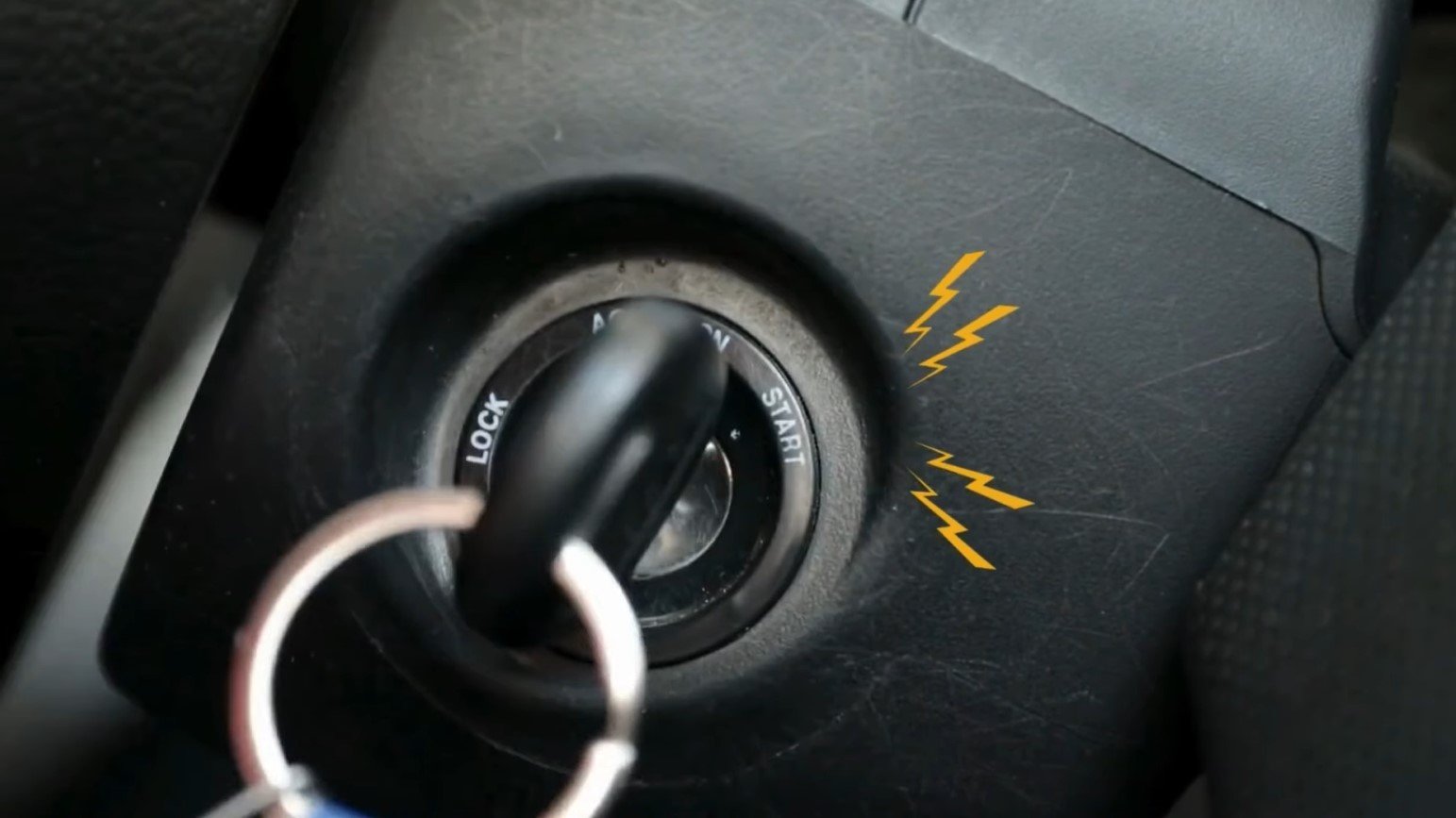
First check: Have the battery load-tested, followed by positive- and negative-side voltage-drop testing during cranking.
Clicking Noise but the Engine Won’t Start
A clicking sound doesn’t automatically mean the starter motor is defective.
A weak battery or high-resistance battery connection may provide enough power to activate a relay or starter solenoid but not enough to crank the engine normally.

Rapid clicking commonly accompanies a voltage problem. A single click can also occur with a starter or solenoid fault.
The sound alone cannot distinguish a damaged cable from a discharged battery or failed starter.
First check: Inspect terminal connections, test battery condition, and measure voltage loss through the starting circuit.
Intermittent No-Start or Complete Electrical Loss
Your car may start normally one morning and show no dashboard lights the next.
A loose battery clamp, damaged cable terminal, or intermittent ground connection can interrupt the electrical supply.
Vibration and temperature changes may make the problem appear and disappear.
Sometimes moving a damaged connection changes the symptoms, but deliberately manipulating live battery cables is unsafe and can create sparks.

First check: With the vehicle switched off, inspect the battery clamps, visible cable ends, and accessible ground connections for looseness or damage.
White, Green, or Blue Corrosion Around Battery Terminals
Powdery deposits around the battery posts or cable clamps can interfere with electrical contact.
Corrosion may develop because of battery acid exposure, moisture, damaged terminals, or deterioration over time.
More serious corrosion can travel beneath the cable insulation and damage the copper strands.
A clean-looking outer jacket doesn’t guarantee the wires underneath are healthy.
Light surface corrosion may only require appropriate cleaning. Deep corrosion, damaged crimps, or deteriorated cable strands may justify replacement.

First check: Look for swollen insulation, discolored cable ends, damaged terminal clamps, and evidence of corrosion spreading beneath the insulation.
Flickering Headlights or Electronics Resetting
A poor power or ground connection can cause intermittent voltage interruptions.
You might notice dashboard lights flickering, an infotainment screen restarting, or radio settings resetting unexpectedly.
But these symptoms can also result from a failing alternator, defective battery, or wiring fault elsewhere in the vehicle.
A charging-system problem may become more noticeable when headlights, the blower motor, or the rear defroster are operating.
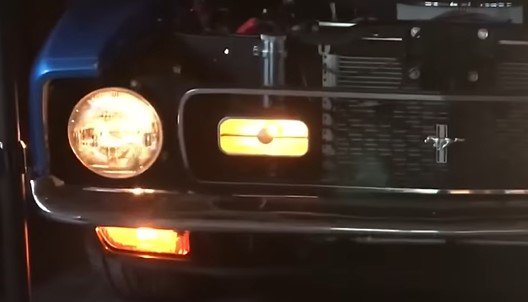
First check: Test charging-system performance and inspect major power and ground connections before assuming the alternator needs replacement.
Our guide to common car problems covers other electrical and starting complaints that owners frequently confuse.
Engine Stalls or Electrical Power Cuts Out While Driving
A severely loose main power or ground connection may interrupt electricity to important engine-control systems.
The engine could shut off unexpectedly, or dashboard electronics may reset while driving.
Not every battery cable fault causes stalling. Alternator failure, ignition-switch faults, relays, and engine sensors can create similar problems.
If the issue is related to a loose connection, road vibration may trigger it without warning.

First check: Have the main electrical supply, ground network, and charging system inspected. Avoid continued driving after unexplained electrical shutdown.
Hot Battery Terminals, Burning Smell, or Melted Insulation
Excessive resistance can generate significant heat when a high-current circuit operates.
A damaged or loose connection may become unusually hot during cranking or under heavy electrical load.
Discolored terminals, melting plastic, smoke, or a burning smell can indicate a serious electrical hazard.
Don’t touch a hot terminal or attempt to repair damaged wiring while the electrical system is energized.
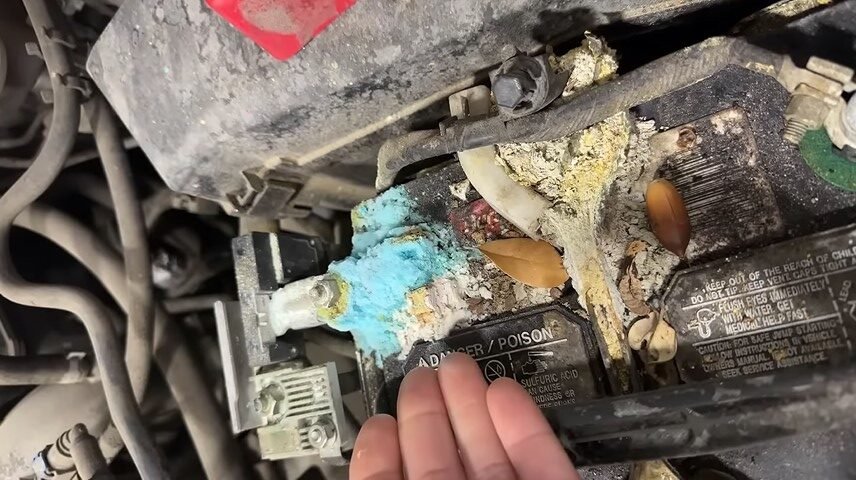
First check: Switch the vehicle off safely and arrange professional inspection. Visible melting, arcing, or smoke means the vehicle should not be operated.
Car Starts With a Jump but Won’t Start Reliably Again
A successful jump-start does not automatically prove that the battery is bad.
Depending on where the jumper clamps are connected, they may temporarily provide an alternate electrical path around a poor terminal or ground connection.
But the same result can occur when the battery is discharged or the charging system isn’t working properly.
If the car needs repeated jump-starts, the battery, cables, grounds, and alternator should all be tested.

First check: Request a battery load test, charging-system test, and loaded voltage-drop inspection. Follow manufacturer-approved jump-starting procedures, especially on vehicles with battery sensors.
Bad Positive Battery Cable vs. Bad Negative Battery Cable
Both cables can cause starting problems, but they perform different electrical functions.
| Comparison | Positive Cable | Negative Cable |
|---|---|---|
| Main function | Delivers electrical power | Provides the return path to battery negative |
| Starting symptoms | Slow crank or no crank | Slow crank or no crank |
| Potential fault areas | Positive clamp, starter connection, power distribution | Negative clamp, engine ground, chassis ground |
| Best diagnostic approach | Positive-side voltage-drop test | Ground-side voltage-drop test |
The symptoms overlap considerably. You cannot reliably identify the defective side simply by listening to the starter.
Bad Battery Cable vs. Bad Battery vs. Bad Alternator vs. Bad Starter
If your car won’t start, identifying the actual failed component can save money.
| Possible Fault | Most Useful Diagnostic Evidence |
|---|---|
| Weak battery | Fails an appropriate battery load or conductance test |
| Bad battery cable | Excessive voltage drop across the cable or connection under load |
| Failing alternator | Charging output or control fails vehicle-specific testing |
| Defective starter | Abnormal starter current draw or confirmed internal starter fault |
| Poor engine ground | Excessive voltage drop through the ground return path |
What if you installed a new battery but the car still cranks slowly? Check terminal contact, cable resistance, engine grounds, and starter performance before buying another battery.
How to Test Battery Cables With a Multimeter
A voltage-drop test is one of the most reliable ways to find unwanted resistance in a battery cable or its connections.
Unlike a simple continuity test, it measures voltage lost while the circuit carries current.
Step 1: Check Battery Voltage and Condition
Begin with a charged, properly tested battery.
A healthy, fully charged conventional 12-volt lead-acid battery often measures about 12.6 volts at rest, but this reading alone cannot establish battery health or cable condition.
Load or conductance testing is needed to evaluate the battery properly.
Step 2: Measure Positive-Side Voltage Drop
During a professional starter-circuit test, a technician measures voltage loss between the positive battery post and the appropriate starter power connection while the circuit carries its normal load.
Excessive voltage drop indicates unwanted resistance somewhere in that path.
Further measurements can separate a bad battery clamp, damaged cable, and poor starter connection.
Step 3: Measure Negative-Side Voltage Drop
The ground-side test measures voltage loss between the battery negative post and a suitable engine or starter ground point.
A high reading can indicate poor contact at the battery terminal, damaged negative cable, loose engine ground strap, or another ground-path fault.
Step 4: Isolate the Bad Connection
DENSO’s starter troubleshooting guidance uses approximately 0.5 volt or less as a reference for the overall positive-side test, with more restrictive limits for certain individual cable paths.
Its negative-side reference is approximately 0.2 volt or less. Actual acceptable values depend on the circuit and vehicle manufacturer.
Important: A cable can show continuity and still fail under starter load. Loaded voltage-drop testing is more informative than checking resistance with the circuit switched off. Always use manufacturer-specific specifications and procedures.
Testing safety: Starter terminals carry substantial current and may be close to moving or hot engine parts. Inexperienced owners should not probe energized starter connections, bridge battery terminals, or bypass starting-system safety switches. Have loaded starter-circuit tests performed by a qualified technician.
Can a Battery Cable Be Bad Without Visible Corrosion?
Yes. One of the less obvious bad battery cable symptoms is intermittent starting trouble even when the terminals look clean.
Internal wire strands may be corroded, broken, or damaged beneath otherwise intact insulation.
A poorly crimped terminal can also create resistance that becomes more noticeable during heavy current demand.
Heat and vibration may temporarily worsen an already weak connection.
Because these faults can be hidden, a loaded voltage-drop test is more dependable than appearance alone.
Can a Bad Ground Strap Cause Starting and Electrical Problems?
Yes. The engine ground strap connects the engine to the vehicle’s electrical ground network.
Since the starter draws substantial current, a poor engine ground can interfere with normal cranking even when the battery and positive cable are healthy.
Other electrical components may also behave unpredictably when their intended ground paths have excessive resistance.
A technician should inspect both battery-negative connections and engine/body grounds.
Never create a makeshift ground using random wiring or undersized cables.
Can a Bad Battery Cable Cause a Car to Stall While Driving?
It can, especially when a loose or damaged connection interrupts power to critical engine-control circuits.
A severe ground fault may also disturb electronic modules.
However, a vehicle that stalls while driving may have an alternator, fuel-delivery, ignition, or sensor problem instead.
If the engine shuts down unexpectedly or electrical systems repeatedly reset, stop driving and arrange diagnosis.
A successful restart doesn’t guarantee the vehicle is safe.
Can a Bad Battery Cable Drain Your Battery?
Not usually in the same way as a parasitic electrical drain.
A high-resistance cable generally restricts current delivery or interferes with charging rather than continuously consuming electrical power while the car is parked.
As a result, the battery may repeatedly become undercharged and appear defective.
But a weak battery, charging-system failure, or separate parasitic draw can cause similar complaints.
Proper testing should distinguish poor charging connections from an actual overnight electrical drain.
How to Clean Corroded Battery Terminals Safely
Minor surface corrosion may be repairable without replacing the entire battery cable.
- Switch the vehicle off. Follow the manufacturer’s battery service procedure.
- Wear protective equipment. Use safety glasses and gloves suitable for battery maintenance.
- Inspect the battery case. Don’t attempt routine cleaning if the battery is cracked, leaking, swollen, or unusually hot.
- Disconnect only as instructed. Many conventional systems specify negative first and positive last during disconnection, with the reverse order for reconnection. Vehicle-specific guidance takes priority.
- Clean appropriate contact surfaces. Use a suitable battery-terminal cleaning product and tools while avoiding short circuits.
- Inspect cable condition. Replace damaged clamps or internally corroded cables when necessary.
- Reconnect correctly. Tighten to the specified torque without over-tightening.
Some modern vehicles require battery monitoring, registration, or relearn procedures after battery service. Don’t bypass negative-terminal battery sensors or connect accessories in ways the manufacturer prohibits.
Can an OBD2 Scanner Diagnose a Bad Battery Cable?
An OBD2 scanner can sometimes provide clues about an electrical supply problem, but it cannot directly confirm excessive resistance in a battery cable.
What a Scanner May Reveal
Low-system-voltage codes such as P0562, module communication faults, or abnormal control-module voltage data may point toward electrical power problems.
However, those findings can also result from battery or charging faults.
Our OBD2 trouble code guide explains how electrical and communication codes should be interpreted.
If you’re unfamiliar with vehicle diagnostics, see what OBD2 can tell you about your car.
What a Scanner Cannot Confirm
A scanner generally cannot identify corrosion hidden beneath cable insulation, measure resistance under starter load, or prove that a battery clamp is loose.
Multimeter voltage-drop testing remains essential.
For basic code reading and supported live-data functions, see our Foxwell NT301 review.
Owners considering more advanced diagnostic coverage can also review our Innova 5510 review and Innova 5510 vs. 5610 comparison.
Bottom line: Scanner voltage readings can support an electrical diagnosis, but they don’t replace battery testing or loaded voltage-drop measurements.
How Much Does Battery Cable Replacement Cost in 2026?
RepairPal’s September 2026 U.S. national estimate places battery cable replacement at approximately $392–$449, including parts and labor.
That is an average estimate, not the expected price for every corroded clamp or simple ground strap.
| Repair Type | Cost Consideration |
|---|---|
| Terminal cleaning | Usually less expensive than cable replacement |
| Battery clamp replacement | May avoid replacing the entire cable |
| Negative cable or ground strap | Depends on access and cable routing |
| Positive cable assembly | May include fusible links or multiple connections |
| Integrated battery sensor or harness | May require specialized parts or service procedures |
A technician should confirm whether the problem is surface corrosion, a damaged terminal, internal cable deterioration, or a faulty ground connection before recommending replacement.
Vehicle-specific labor and parts costs can vary considerably.
Can You Drive With a Bad Battery Cable?
Minor surface corrosion doesn’t always mean the vehicle is immediately unsafe, but an unreliable electrical connection should be repaired promptly.
A loose main connection can worsen with vibration, cause unexpected power loss, or generate dangerous heat.
If the engine stalls, electronics repeatedly shut down, or a terminal is overheating, do not continue normal driving.
A car that starts after a jump isn’t automatically safe.
Arrange professional assistance rather than driving if you notice:
- Burning electrical smells, smoke, or melted insulation.
- Repeated engine shutdown or complete electrical blackouts.
- Severely damaged battery terminals or cables.
- Arcing or unusual heating around electrical connections.
These conditions can create breakdown and fire hazards.
How to Prevent Battery Cable Problems
- Inspect terminals during scheduled maintenance.
- Address corrosion before it spreads beneath insulation.
- Keep cable clamps secured to manufacturer specifications.
- Protect wiring from abrasion, moisture, and excessive heat.
- Inspect engine and chassis ground straps.
- Avoid over-tightening battery terminals.
- Follow manufacturer procedures for battery-monitoring sensors.
Regular inspections can help detect connection problems before they interrupt starting or charging.
Frequently Asked Questions
1. What is the most common symptom of a bad battery cable?
Slow cranking or intermittent starting trouble is common. Corrosion, clicking, or electrical interruptions may also occur. Battery testing and loaded voltage-drop measurements help confirm whether a cable is responsible.
2. Can a bad battery cable cause clicking but no start?
Yes. A high-resistance cable or loose terminal may limit the current reaching the starter. However, clicking can also result from a weak battery, starter solenoid, or other starting-system fault.
3. Can a bad negative battery cable cause electrical problems?
Yes. Poor grounding can reduce starter performance and interfere with electrical circuits. Engine ground straps and battery-negative connections should be inspected together.
4. Can a bad battery cable cause the engine to shut off while driving?
Yes, if an essential power or ground connection is interrupted. But alternator, sensor, ignition, and other electrical faults can also cause sudden shutdown. Repeated stalling requires urgent diagnosis.
5. How do you test battery cables with a multimeter?
A technician measures voltage loss across the positive and negative starting circuits while an appropriate load is applied. Excessive voltage drop indicates resistance that should be isolated to a cable or connection.
6. Can a battery cable be bad without visible corrosion?
Yes. Broken strands, poor crimps, or corrosion hidden beneath insulation may cause problems even when the outside looks normal. A loaded voltage-drop test can help reveal those faults.
Final Thoughts
Recognizing bad battery cable symptoms can prevent unnecessary battery, starter, and alternator replacement.
Slow cranking, intermittent power loss, corrosion, flickering lights, and overheating terminals deserve attention.
Instead of guessing which component is defective, confirm battery condition and test the positive and negative electrical paths under load. The results will help determine whether cleaning a connection is enough or a cable truly needs replacement.