
A bad catalytic converter can fool you.
Sometimes it feels like a weak engine. Sometimes it looks like an oxygen sensor problem. Sometimes the only clue is a check engine light with a P0420 or P0430 code.
That is why bad catalytic converter symptoms should never be judged from one clue alone. The converter sits in the exhaust system, but it is affected by almost everything the engine does before the exhaust reaches it.
A misfire can damage it. A rich fuel mixture can overheat it. Burning oil can contaminate it. An exhaust leak can make the computer think it has failed. And when the converter is actually clogged, the car may feel like it cannot breathe.
So before you replace an expensive part, look at the full pattern.
Bad Catalytic Converter Symptoms: The 10 Signs That Matter
A catalytic converter can fail in two main ways.
It can become inefficient, meaning it still flows exhaust but no longer cleans emissions well enough.
Or it can become clogged or broken inside, meaning exhaust flow is restricted and engine performance suffers.
Both problems can trigger bad catalytic converter symptoms, but they do not always feel the same.
1. Check Engine Light With P0420 or P0430
The check engine light is the most common starting point.
P0420 usually means “catalyst system efficiency below threshold” on bank 1. P0430 means a similar problem on bank 2.
These codes often point toward the catalytic converter, but they do not prove the converter is bad by themselves.
The car compares oxygen sensor readings before and after the converter. If the downstream sensor reading starts acting too much like the upstream sensor, the computer may decide the converter is not doing its job.
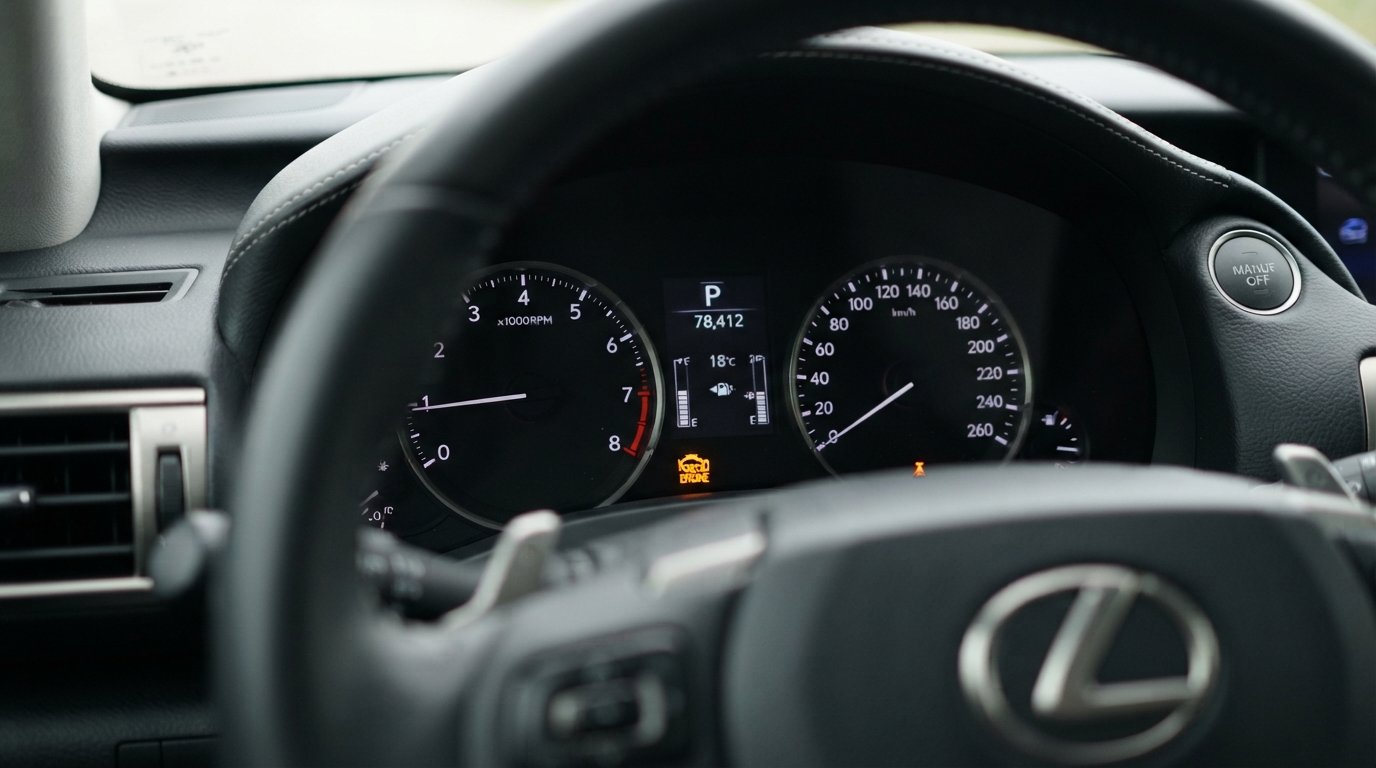
But the same kind of code can also come from a bad oxygen sensor, exhaust leak, wiring issue, misfire, rich fuel mixture, leaking injector, or fuel control problem. If you are checking the sensor side, this guide on how to test an O2 sensor with OBD2 can help you understand what the scanner data is showing.
So a P0420 or P0430 code should make you investigate the converter. It should not make you replace it blindly.
2. Weak Acceleration Like the Engine Is Choked
A clogged catalytic converter can make the car feel heavy.
You press the gas. The engine tries to work. But the car does not pull like it used to.
This happens because exhaust gases cannot leave the engine easily. Pressure builds in the exhaust, and the engine struggles to push spent gases out before pulling fresh air in.
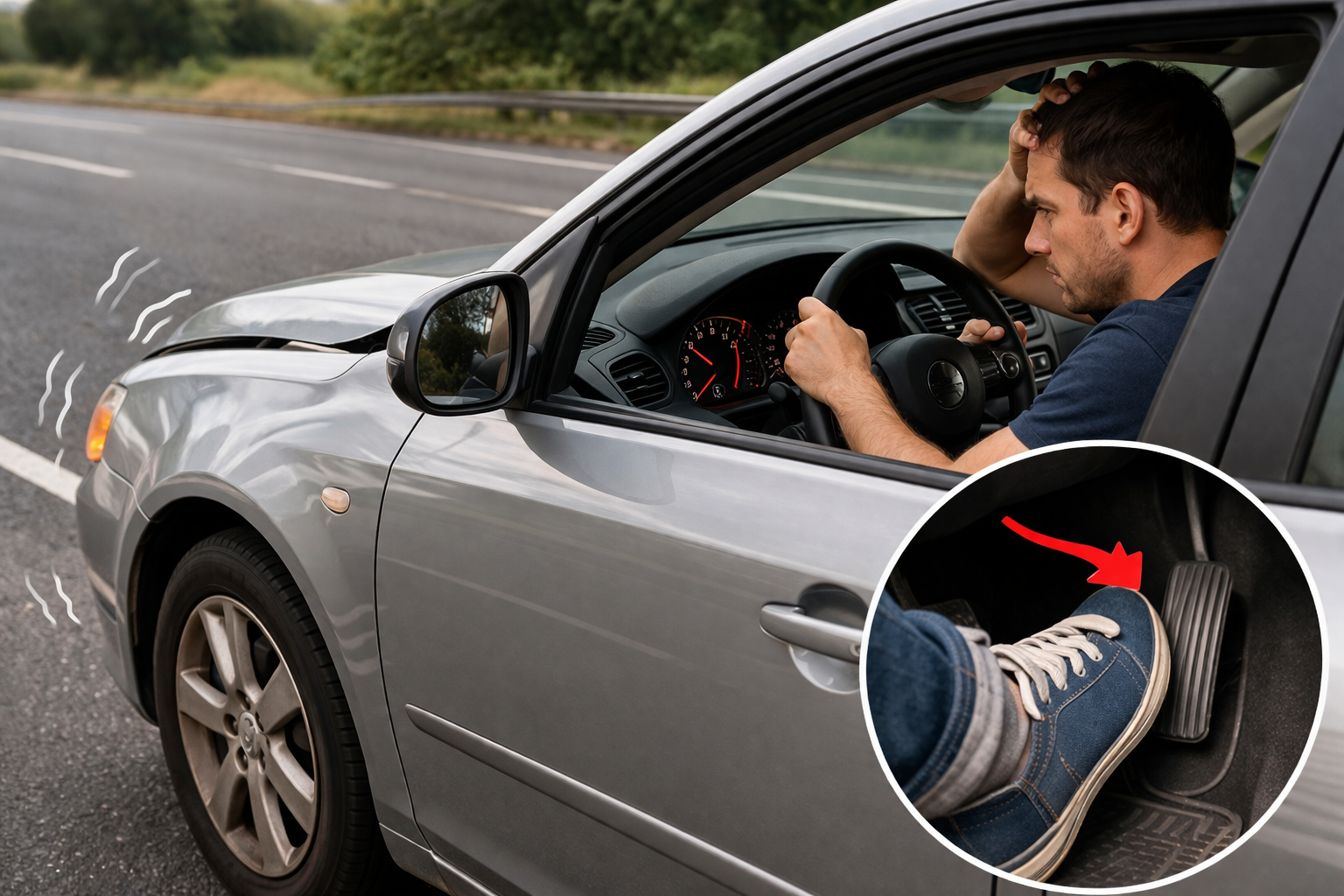
The symptom is usually worse under load. You may notice it while merging onto the highway, climbing a hill, or accelerating hard.
This is one of the strongest bad catalytic converter symptoms when it appears with a rotten egg smell, heat under the car, or a converter-related code.
3. The Car Feels Normal at Low Speed but Weak at Higher Speed
A converter problem can hide during easy driving.
At low speed, the engine does not need to move as much exhaust. The car may feel almost normal.
Then you try to pass someone, climb a long hill, or hold highway speed, and the problem shows up. The engine feels restricted. It may rev, but the car does not respond with normal power.

This is why a clogged converter is sometimes confused with a weak fuel pump, transmission slipping, or a dirty air filter.
The clue is the “choked” feeling under load. If the engine feels like it is fighting against backpressure, the exhaust system needs attention.
4. Rotten Egg or Sulfur Smell From the Exhaust
A rotten egg smell is one of the classic warning signs.
The smell usually comes from sulfur compounds in the exhaust. A healthy converter helps process those gases. When the converter is overloaded, contaminated, or not working correctly, that sulfur smell may become noticeable near the tailpipe.
But the smell does not always mean the converter itself started the problem.
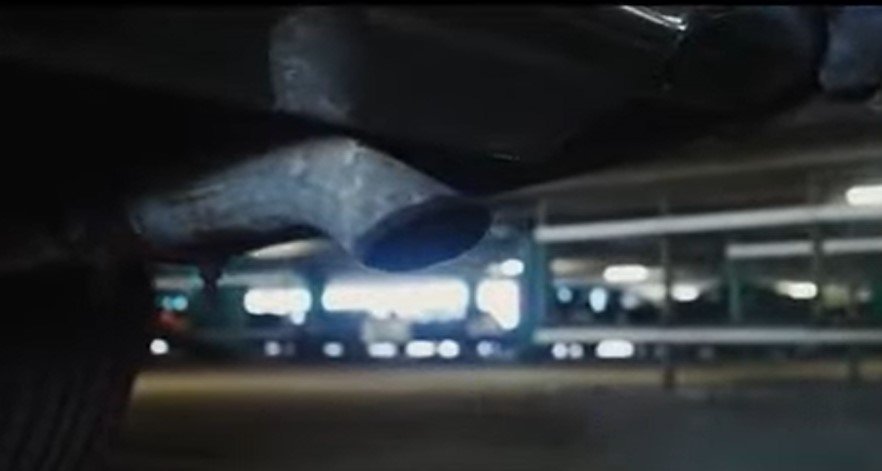
A rich fuel mixture, misfire, or fuel control issue can send too much unburned fuel into the exhaust. That can overload the converter and create the smell. If the scan data suggests the engine is running rich, a P0172 code can be one clue worth checking before blaming the converter.
So treat rotten egg odor as a serious clue, not a final diagnosis.
5. Poor Fuel Economy
If the converter is clogged, the engine has to work harder to produce the same power.
That can hurt fuel economy.
You may notice more frequent fill-ups, lower MPG, or a sudden drop in efficiency that appears with sluggish performance.
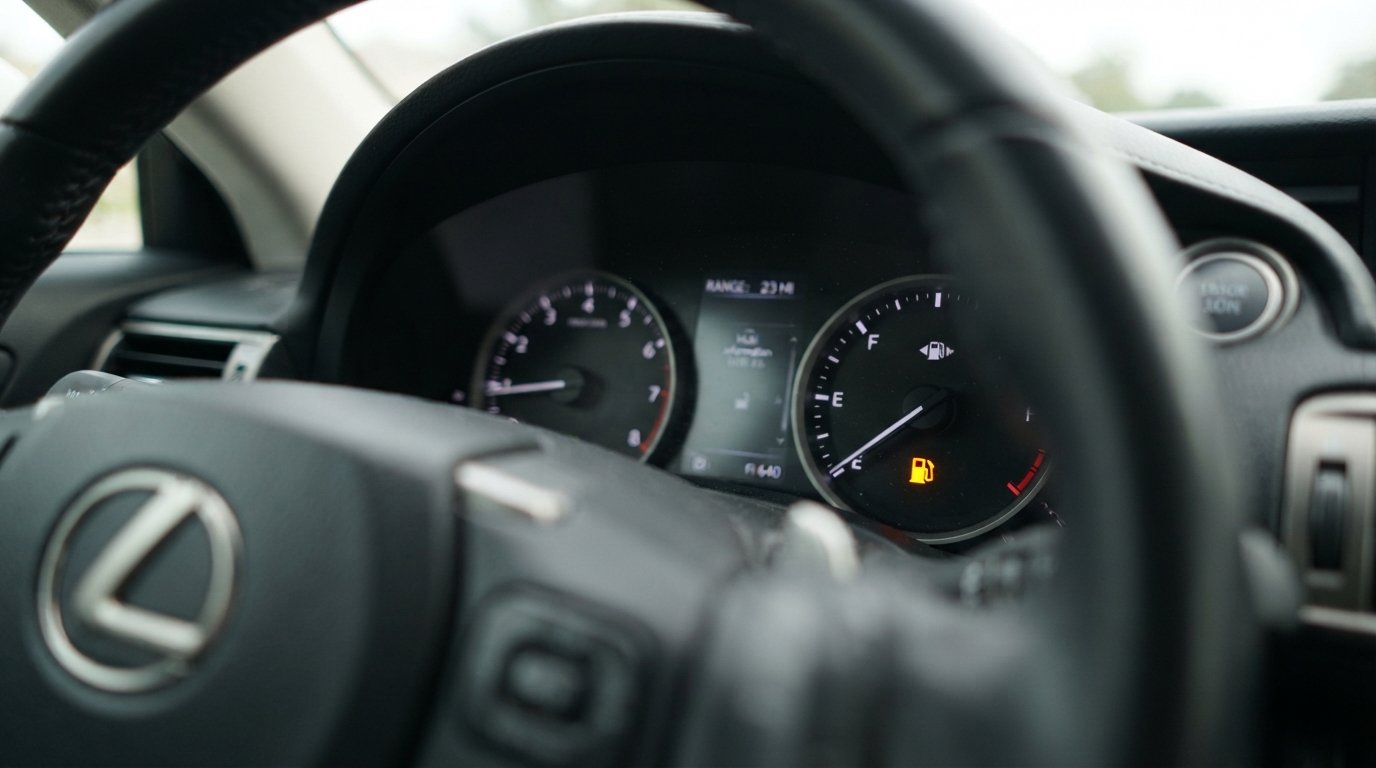
Poor fuel economy alone is not enough to blame the converter. Tire pressure, spark plugs, oxygen sensors, injectors, MAF sensor problems, and driving habits can all affect fuel use. If fuel use is the main complaint, this guide on why a car is using too much fuel is a better place to compare other causes.
But if poor MPG comes with power loss, a P0420/P0430 code, rotten egg smell, or rattling under the car, the converter becomes more suspicious.
6. Rattling Noise Under the Vehicle
A rattling noise can mean the converter has broken internally.
Inside the catalytic converter is a honeycomb-like core. If it overheats, cracks, melts, or breaks apart, pieces can move around inside the shell.
You may hear a rattle during cold start, idle, acceleration, or when the car is tapped lightly near the converter area.
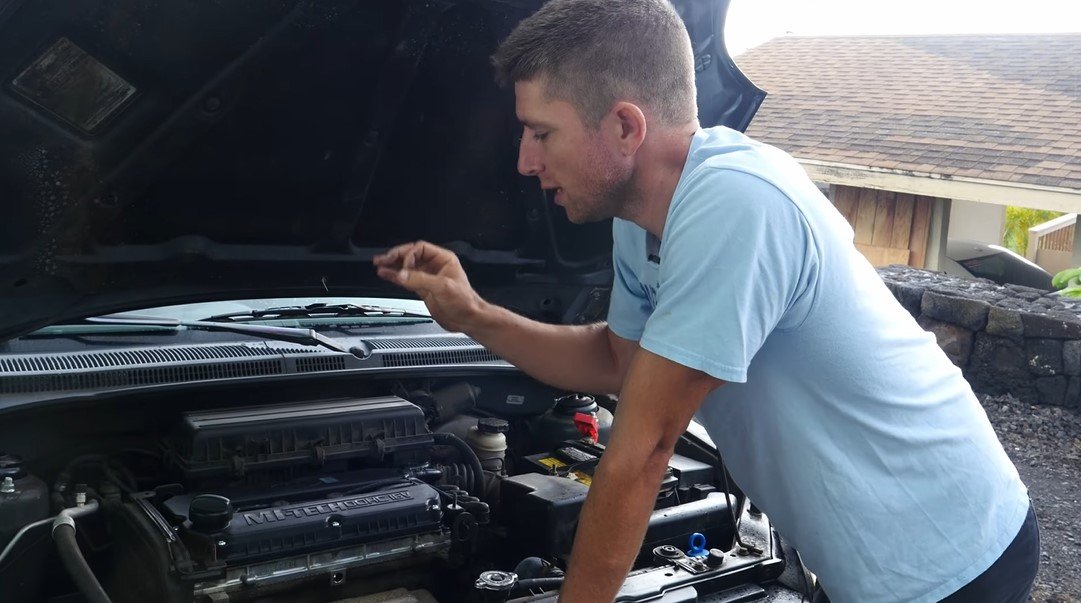
This is different from a loose heat shield, although both can sound similar.
A broken converter core is serious because loose pieces can block exhaust flow. Once the inside is broken, a cleaner will not fix it.
7. Failed Emissions Test
A catalytic converter’s job is to reduce harmful exhaust emissions.
If it cannot do that, the car may fail an emissions test even if it still drives normally.
Sometimes the failure comes with a check engine light. Other times the issue is readiness-related because codes were recently cleared and the catalyst monitor has not completed. If you recently cleared codes, this guide on how long to drive after clearing codes to pass emissions is relevant.
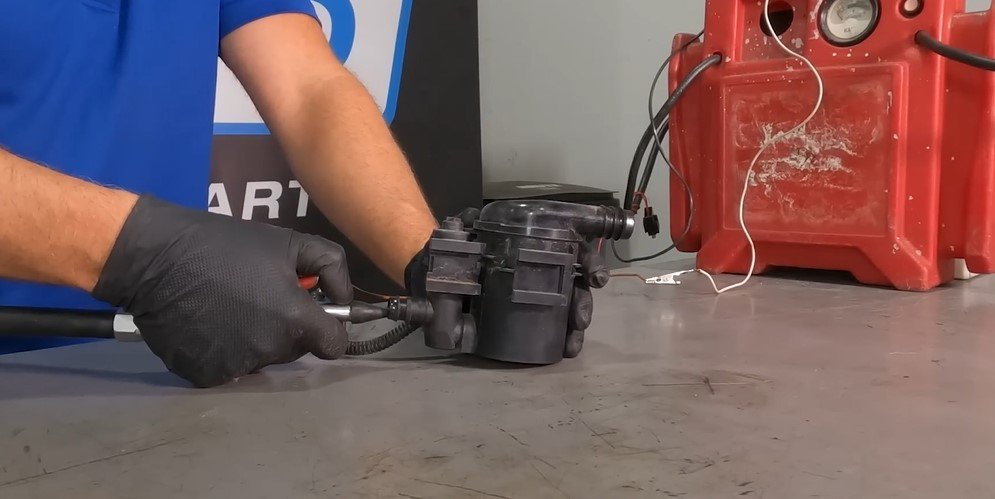
This is one of the bad catalytic converter symptoms people often notice late, because the car may not feel broken.
If the vehicle fails emissions, check for converter efficiency codes, O2 sensor data, fuel trim issues, exhaust leaks, and misfire history before replacing anything. You can also compare the broader process in this guide on how to pass an OBD-II emissions test.
8. Excess Heat or Burning Smell Under the Car
Catalytic converters run hot normally. That is part of how they work.
But extreme heat is different.
If the converter is glowing red, giving off a strong burning smell, or creating unusual heat under the floor, stop driving and get it checked.
A converter may overheat because it is clogged, but it may also overheat because the engine is dumping unburned fuel into the exhaust. A misfire is one of the biggest causes.

This is not a symptom to “watch for a while.” Excess converter heat can damage nearby parts and can become a safety risk.
9. Rough Running or Misfire-Like Behavior
A clogged converter can make the engine run poorly because the exhaust cannot flow out properly.
The car may idle rough, hesitate, feel weak, or stall in severe cases.
But be careful with this symptom. Misfires often damage catalytic converters, not the other way around.
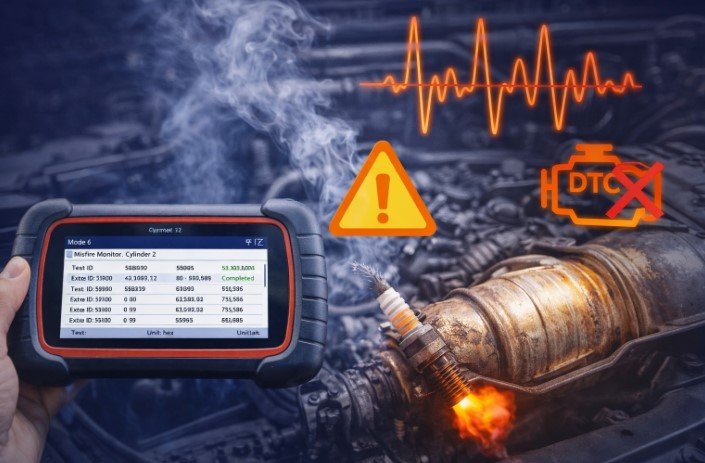
If you have misfire codes, flashing check engine light, rough idle, or strong fuel smell, fix the misfire first. Replacing the converter while the engine is still misfiring can ruin the new converter.
This is where many people waste money. The converter may be damaged, but it may not be the original cause.
10. Hard Starting or Stalling in Severe Cases
A severely clogged catalytic converter can make the engine hard to start or keep running.
If exhaust gases cannot escape, the engine cannot breathe. It may start and stall, refuse to rev, idle badly, or lose power so badly that the car feels undrivable.

This is not the most common early symptom, but it can happen when the converter is heavily restricted or broken inside.
If hard starting appears with severe power loss, heat under the vehicle, rotten egg smell, or rattling, treat it as urgent.
What Usually Damages a Catalytic Converter?
Catalytic converters do not usually fail for no reason.
Common causes include misfires, rich fuel mixture, leaking fuel injectors, bad spark plugs, weak ignition coils, oil burning, coolant entering the combustion chamber, exhaust leaks, bad oxygen sensor readings, physical impact, and high mileage wear.
The important part is this: if another engine problem damaged the converter, the new converter can fail too unless the root cause is fixed.
What to Check Before Replacing It
Start with all trouble codes, not only P0420 or P0430.
Look for misfire codes, fuel trim codes, O2 sensor codes, and rich or lean condition codes.
Then check freeze-frame data. It can show what was happening when the code was stored, such as engine load, coolant temperature, RPM, and speed.
Inspect for exhaust leaks before the converter. A leak can affect oxygen sensor readings and trigger false catalyst efficiency codes.
Check upstream and downstream O2 sensor behavior. If the downstream sensor mirrors the upstream sensor too closely, the converter may not be storing oxygen properly. If you are not sure what normal sensor data looks like, compare it with common bad O2 sensor live data readings.
If the car has power loss, check for exhaust restriction. A backpressure test, vacuum test, or temperature check can help confirm whether the converter is clogged.
Also check spark plugs, ignition coils, fuel injectors, and oil or coolant consumption. These problems can kill a converter even if the converter was not the original issue.
Bad Converter or Bad O2 Sensor?
A bad oxygen sensor can trigger converter-related codes.
That does not mean every P0420 is an O2 sensor. It means the sensor data needs to be checked before buying parts.
A converter efficiency code depends on oxygen sensor readings. If the sensor is slow, lazy, contaminated, or has wiring issues, the computer may make the wrong judgment. In some cases, an O2-sensor-related code like P2A01 can also point you toward sensor performance instead of the converter itself.
The best diagnosis compares O2 sensor patterns, fuel trims, exhaust leaks, and engine condition together.
Can You Drive With a Bad Catalytic Converter?
If the car only has a mild efficiency code and drives normally, short-term driving may be possible while you schedule diagnosis.
But do not ignore it for weeks.
Avoid driving if the converter is clogged, glowing, rattling, causing severe power loss, producing a strong burning smell, or if the check engine light is flashing.
A flashing check engine light often means a misfire strong enough to damage the catalytic converter quickly.
Can a Catalytic Converter Cleaner Fix It?
Sometimes it may help light contamination.
But it will not fix a melted core, broken honeycomb, severe clog, rattling converter, or a converter that has lost its coating efficiency.
Cleaner also will not fix the root cause. If the engine is running rich, misfiring, burning oil, or leaking coolant into the combustion chamber, the converter will keep getting damaged.
Cleaner is not a replacement for diagnosis.
FAQ
What is the first sign of a bad catalytic converter?
Often it is a check engine light with P0420 or P0430. In clogged cases, weak acceleration may appear first.
Can a bad catalytic converter cause loss of power?
Yes. If it is clogged, exhaust flow becomes restricted and the engine can feel choked, especially under load.
Will a bad catalytic converter always throw a code?
No. A converter can be clogged or physically broken before the computer stores a clear converter code.
Can bad spark plugs damage a catalytic converter?
Yes. Bad spark plugs can cause misfires. Misfires send unburned fuel into the exhaust, which can overheat and damage the converter.
Is rotten egg smell always the catalytic converter?
No. It can involve the converter, but rich fuel mixture, misfire, or fuel control problems can also cause sulfur smell and converter overload.
Final Thoughts
The most important bad catalytic converter symptoms are check engine light, weak acceleration, high-speed sluggishness, rotten egg smell, poor fuel economy, rattling, failed emissions, excess heat, rough running, and hard starting or stalling.
But the converter should not be blamed from one code alone.
Before replacing it, check for misfires, oxygen sensor problems, exhaust leaks, rich fuel mixture, oil burning, coolant burning, and actual exhaust restriction.
That extra step can save you from replacing an expensive catalytic converter and then watching the same problem come back.