
Sitemap analysis kore ei article-er jonno strongest relevant
Transmission slipping is one of those car problems that can feel small at first.
The car still moves. The engine still runs. You may not even see a warning light right away.
But something feels off.
You press the gas, the engine revs, and the car does not pull the way it should. Or the car hesitates before moving after you shift into Drive. Maybe it shifts fine most of the time, then suddenly flares, jerks, or feels like it lost the gear for a second.
Those are the kinds of transmission slipping symptoms you do not want to ignore. Slipping creates heat, and heat can turn a minor fluid or pressure issue into internal transmission damage.
The smart move is not to assume the transmission is finished. The smart move is to read the pattern.
Transmission Slipping Symptoms: Read the Pattern First
A slipping transmission usually means the engine is making power, but that power is not reaching the wheels correctly.
In a normal car, RPM and road speed should rise together. When the transmission slips, RPM may rise faster than the car accelerates. It can feel like the engine is working but the vehicle is not keeping up.
In an automatic transmission, this can happen because of low transmission fluid, worn clutch packs, weak hydraulic pressure, a bad torque converter, a faulty shift solenoid, or valve body problems.
In a manual transmission, slipping often points to clutch wear. The engine revs, but the clutch cannot hold tightly enough to transfer power.
In a CVT, slipping may feel a little different. You may notice flaring RPM, weak pull, delayed response, shuddering, or that rubber-band feeling where the engine noise changes before the car really accelerates.
So before you think about a rebuild, start with the actual driving behavior.
1. The RPM Rises, but the Car Does Not Gain Speed Normally
This is the clearest sign.
You press the accelerator. The tachometer climbs. The engine gets louder. But the car does not accelerate like it should.
It may happen when merging onto the highway, climbing a hill, passing another vehicle, or accelerating from a stop. Sometimes it feels like the transmission lets go for a moment, then catches again.
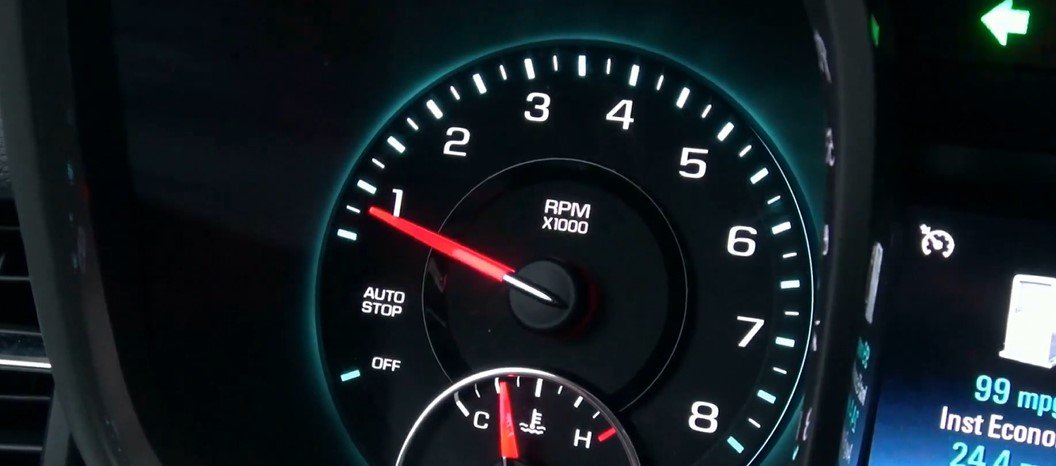
This is one of the most important transmission slipping symptoms because it shows a mismatch between engine speed and vehicle speed.
If the RPM rises freely but road speed does not match, suspect the transmission or clutch. If the engine struggles to rev, shakes, misfires, or feels choked, the problem may be on the engine side instead.
That difference matters. A clogged catalytic converter, weak fuel pump, bad spark plugs, or faulty MAF sensor can make a car feel weak, but they do not usually make the RPM flare the same way a slipping transmission does.
2. The Car Hesitates After Shifting Into Drive or Reverse
A healthy automatic transmission should engage Drive or Reverse without a long delay.
If you shift from Park into Drive and the car pauses before moving, something may be wrong. The same applies if Reverse takes longer than usual to engage.
A small delay on a very cold morning can happen in some vehicles. But if the delay is repeated, gets worse when hot, or comes with a bump when it finally engages, that is not normal.

This can happen because the fluid level is low, the fluid is worn, the pump is weak, or internal pressure is leaking past worn seals. Valve body problems and solenoid issues can also cause delayed engagement.
Reverse deserves special attention. If Drive works but Reverse is weak, delayed, or missing, that is more serious than a normal soft shift complaint.
Do not rev the engine hard to force the car to move. That can increase slipping and heat.
3. Acceleration Feels Weak, Late, or Disconnected
Sometimes slipping does not feel dramatic.
The car simply feels lazy.
You press the gas and the engine responds, but the vehicle takes too long to move. It may hesitate, surge, or feel like it is thinking before it delivers power.
This can show up in traffic, after a rolling stop, or while accelerating after a turn. It may also appear when the transmission is warm.
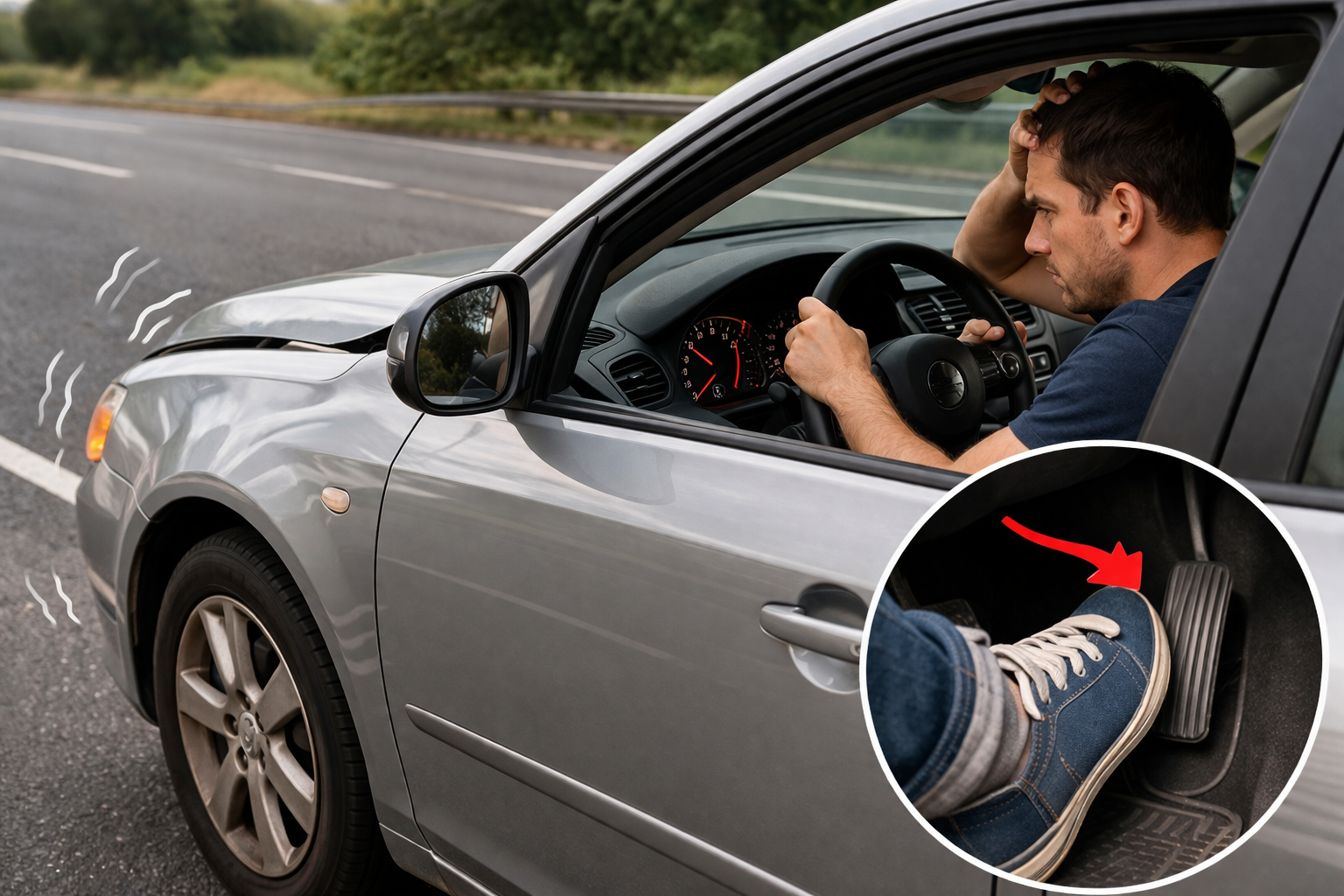
This is one of the transmission slipping symptoms that gets misdiagnosed often because engine problems can feel similar. A misfire, dirty throttle body, bad fuel delivery, or sensor issue can also cause hesitation.
Here is the simple split:
If the engine revs but the car does not pull, think transmission or clutch.
If the engine bogs, shakes, or struggles to rev, think engine performance problem.
That one observation can save a lot of guessing.
4. Shifts Feel Soft, Harsh, or Random
A slipping transmission may not shift the same way every time.
One shift may feel soft and slow. Another may feel harsh. Sometimes the RPM flares between gears, like the car briefly slipped into neutral before the next gear grabbed.
That RPM flare during a shift is a classic warning sign.
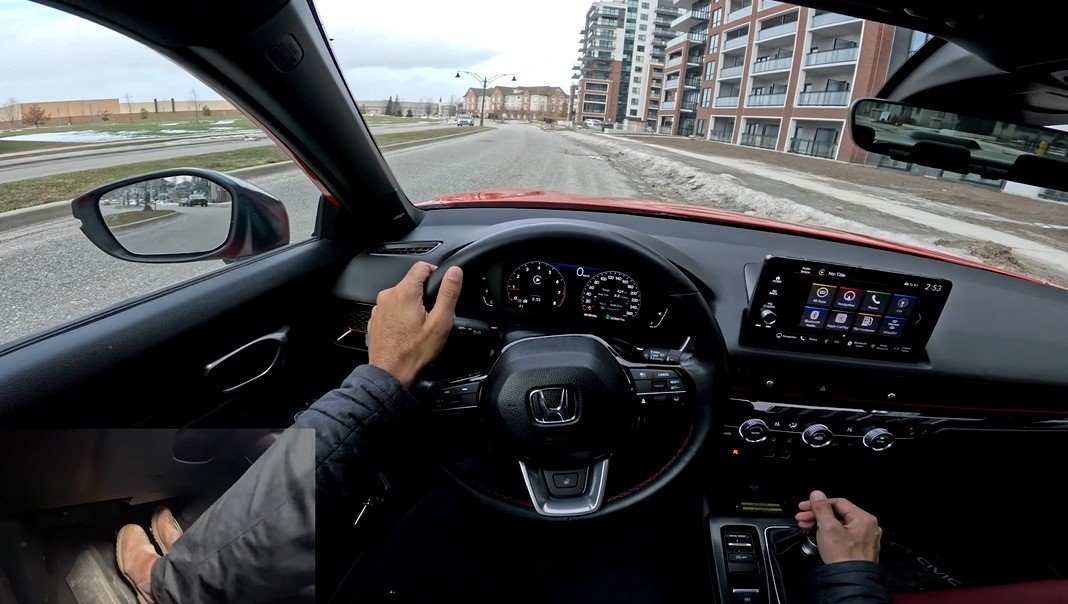
You may also notice the transmission hunting for gears, shifting too early, shifting too late, or changing gears without a clear reason.
Soft shifts can point to weak pressure or worn clutch material. Harsh shifts may come from pressure control problems, solenoid issues, valve body wear, bad mounts, or electronic control problems. In some vehicles, a failing transmission control module can also create strange shift timing or control issues.
Pay attention to whether it happens in every gear or only one shift. For example, a 2-3 flare is more specific than a general “it shifts weird” complaint.
The more specific you can be, the easier the diagnosis becomes.
5. You Smell Burnt Fluid After Driving
A burning smell is a serious clue.
Transmission slipping creates friction. Friction creates heat. When transmission fluid overheats, it can smell burnt, sharp, or scorched.
Healthy transmission fluid is usually clean-looking and does not smell burnt. Depending on the vehicle and fluid type, it may be red, pink, amber, or another color. But dark fluid with a burnt smell is a warning sign.
Burnt fluid may mean the transmission has been overheating or slipping long enough to damage the fluid. Once fluid breaks down, it cannot cool, lubricate, and control hydraulic pressure as well as it should.

If you smell burning along with delayed shifts, RPM flare, weak acceleration, or warning lights, stop treating it like a minor issue.
This is one of the transmission slipping symptoms that can point to damage already happening inside.
6. A Warning Light Comes On
A transmission problem can turn on the check engine light.
Many drivers expect the check engine light to mean engine only, but modern vehicles monitor transmission behavior too. The computer can detect wrong gear ratios, speed sensor problems, solenoid faults, torque converter clutch issues, or transmission control problems.
Some cars show a separate transmission warning light, wrench light, “AT” light, or a message on the dash. Others may enter limp mode, where the vehicle limits power or stays in one gear to protect itself.
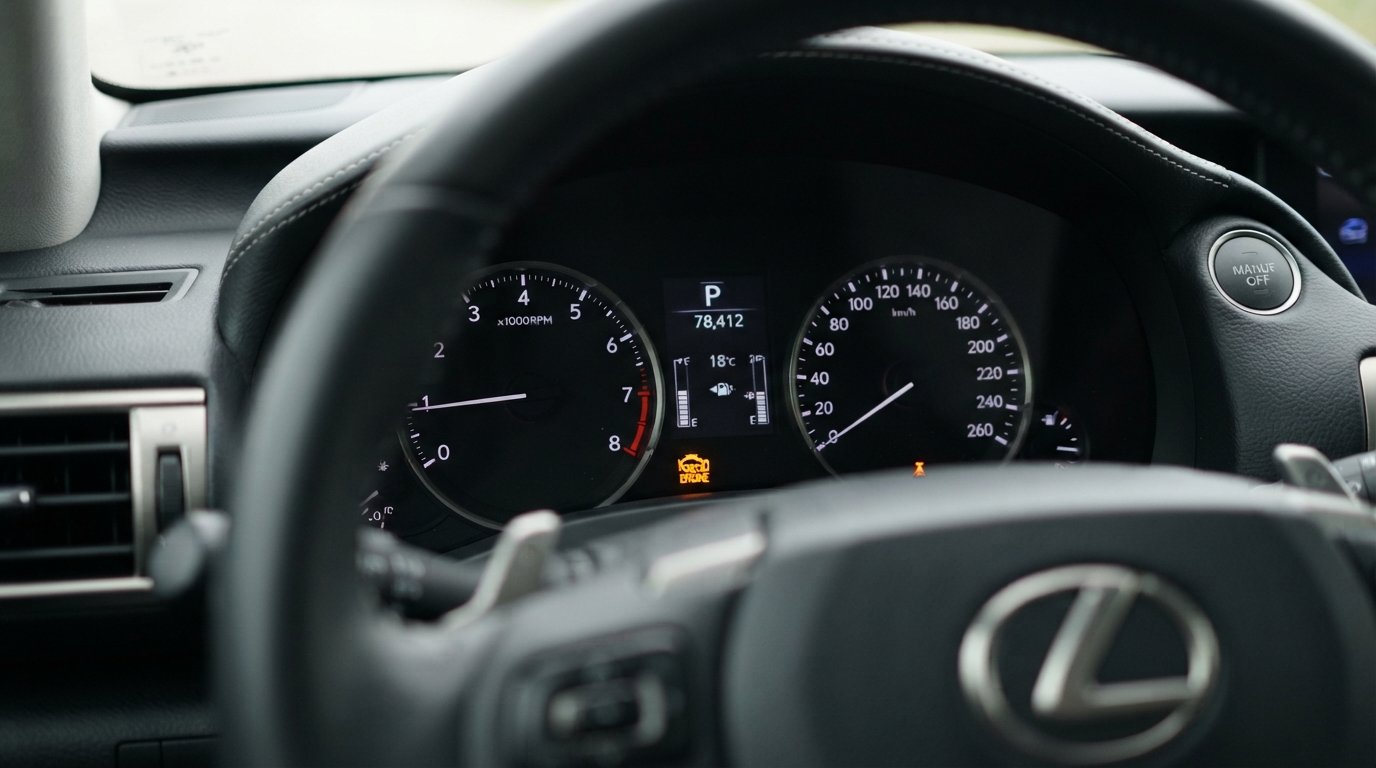
If a warning light comes on with slipping, do not clear the code immediately. Read and record the codes first. If you are not sure whether your scanner can access those modules, this guide on whether an OBD2 scanner can read transmission codes is a useful place to start.
A gear-ratio code can also be a strong clue. For example, a P0733 code relates to an incorrect gear ratio and can appear when the transmission is not applying a gear the way the computer expects.
Codes do not replace diagnosis, but they can point you in the right direction.
7. The Car Shudders, Vibrates, or Makes Strange Noises
Not every shake is a transmission problem.
Tires, wheels, axles, engine mounts, brakes, and misfires can all create vibration.
But transmission-related shudder often follows a pattern. It may happen during light acceleration, during a gear change, or at steady speed when the torque converter clutch applies.
Some drivers describe torque converter shudder as feeling like driving over rough pavement for a second. It may disappear when you let off the gas or press slightly harder.

Whining, grinding, or humming noises can also point toward low fluid, internal wear, bearing issues, or pump problems.
The key is when the noise or vibration happens. If it appears only during a shift or under load, the transmission deserves attention. If it happens at one road speed regardless of throttle or gear, tires or driveline balance may be more likely.
8. It Slips More on Hills, While Towing, or Under Hard Acceleration
Some transmissions slip only when they are stressed.
The car may feel normal during light city driving. Then it acts up on hills, during highway merging, while carrying passengers, or while towing.
That happens because load demands more holding power. If the transmission is weak, it may not hold the gear firmly under extra torque.
This is one of the early transmission slipping symptoms many drivers miss. They think the car is fine because it behaves on flat roads. But under load, the weakness shows.
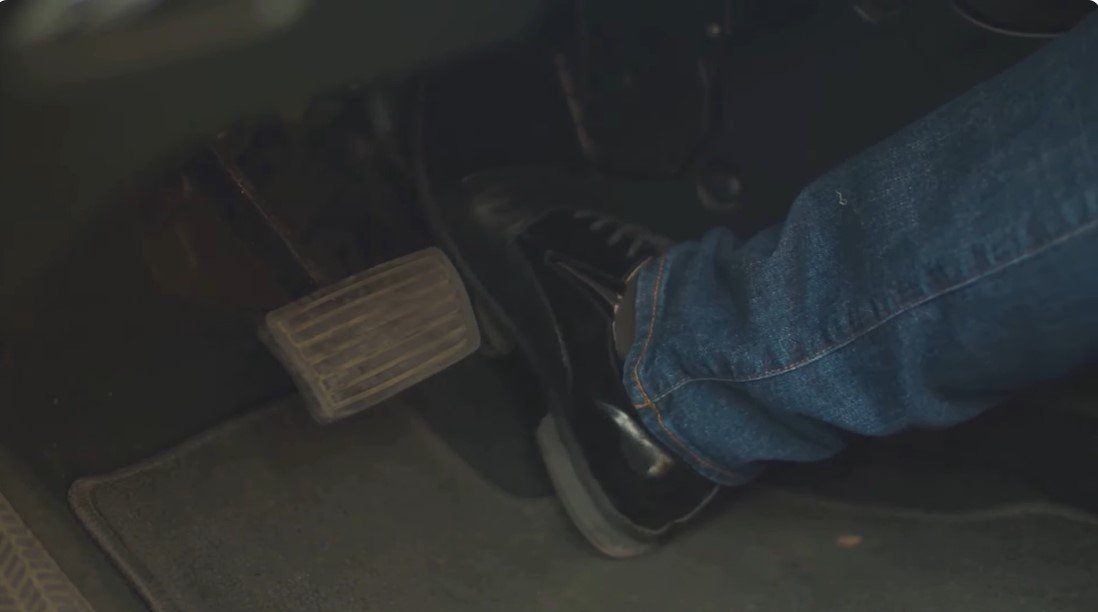
If slipping happens mostly when hot, uphill, or under heavy throttle, write that down. That detail helps a mechanic reproduce the issue instead of guessing.
What You Should Check First
Start with fluid.
If your vehicle has a transmission dipstick, check the fluid level using the exact method in the owner’s manual. Some vehicles must be checked warm and idling. Others use a sealed transmission design that needs a shop procedure.
Check the fluid condition too. Look for a burnt smell, dark color, foaming, or metallic debris. A low fluid level usually means there is a leak somewhere, so inspect underneath the vehicle.
If you plan to do any transmission-fluid work yourself, make sure you have the right setup first. This list of tools needed to change transmission fluid can help you avoid starting the job without the basics.
Next, scan for codes. Even if the car drives, stored codes can reveal solenoid issues, speed sensor faults, gear ratio problems, or torque converter clutch faults. If codes are stored, freeze-frame data can also show what was happening when the fault was recorded.
Then look at the pattern:
Does it happen cold or hot?
Only in Reverse?
Only during 2-3 shift?
Only uphill?
Only after highway driving?
Only when towing?
That information is more useful than simply saying the transmission slips.
Common Causes of Transmission Slipping
Low transmission fluid is one of the most common causes. Automatic transmissions depend on fluid pressure. If the level is low, gears and clutches may not apply firmly.
Old or burnt fluid can also cause problems, especially if the car has been used in heavy traffic, towing, hills, or long service intervals.
A faulty shift solenoid can affect fluid flow. A worn valve body can cause pressure problems. A bad torque converter can cause shuddering, weak pull, or slipping-like behavior.
Internal wear is the more expensive side. Worn clutch packs, bands, seals, or gears can cause slipping even when the fluid level looks okay.
Manual cars are different. If a manual transmission slips under acceleration, the clutch is often the main suspect.
CVTs are also different. A belt, chain, pulley, fluid, valve body, or control issue can create slipping-like symptoms.
Transmission Slipping vs Engine Problem
This section matters because many people replace the wrong part.
Transmission slipping usually feels like the engine is willing to rev, but the car does not turn that power into speed.
An engine problem usually feels like the engine itself cannot make power. It may shake, misfire, bog, hesitate, or struggle to rev.
A bad ignition coil, weak fuel pump, clogged air filter, dirty MAF sensor, bad spark plugs, or clogged catalytic converter can all make acceleration poor. But the RPM behavior is often different.
When comparing transmission slipping symptoms with engine symptoms, watch the tachometer. If RPM jumps but speed does not, slipping is more likely. If RPM cannot rise cleanly, check engine performance too.
Can You Drive With a Slipping Transmission?
If the slipping is very mild and the car still drives normally, a short trip to a repair shop may be okay.
But do not keep driving for days or weeks. Slipping produces heat, and heat is what damages fluid, seals, clutch material, and electronics.
Avoid driving if the car barely moves, the RPM flares badly, there is a burning smell, warning lights are on, Reverse is gone, the car shakes hard, or the transmission bangs into gear.
If it slips badly on the road, pull over safely. Do not keep revving the engine to force movement.
Will Changing Fluid Fix It?
Sometimes.
If the problem is low fluid, dirty fluid, or a small leak caught early, correcting the fluid issue may improve the situation.
But fluid will not repair worn clutch packs, broken bands, damaged seals, a bad torque converter, or major internal wear.
Also, fluid service is not just about draining and refilling. If you are wondering whether you can change transmission fluid without changing the filter, the answer depends on the vehicle design, service history, and how dirty the fluid is.
Be careful with neglected high-mileage transmissions. If the fluid is badly burnt and full of debris, a flush may not be the right first move. A proper diagnosis is safer before doing aggressive fluid service.
A fluid service can help an early maintenance problem. It cannot rebuild a worn-out transmission.
FAQ
What is the first sign of transmission slipping?
The first sign is often RPM rising without matching acceleration. The engine sounds like it is working, but the car does not gain speed normally.
Can low fluid cause transmission slipping?
Yes. Low fluid can reduce hydraulic pressure, cause overheating, and prevent the transmission from holding gears properly.
Can a sensor cause slipping?
Yes. A bad speed sensor, shift solenoid, or control issue can make the transmission shift incorrectly or feel like it is slipping.
Can transmission slipping fix itself?
Usually no. It may feel better sometimes, especially when cold or under light throttle, but the cause is still there.
Is slipping always a rebuild?
No. Some problems are caused by fluid level, leaks, solenoids, sensors, or valve body issues. But if internal clutch material is worn, repair can become more expensive.
Final Thoughts
The most important transmission slipping symptoms are RPM flare, delayed engagement, weak acceleration, strange shifting, burning smell, warning lights, shuddering, and slipping under load.
Do not jump straight to “new transmission.” Start with fluid level, fluid condition, leaks, trouble codes, and the exact driving pattern.
A slipping transmission is serious, but early diagnosis can sometimes turn a scary problem into a much smaller repair.