
A rough idle is one of those car problems that feels small at first. The car still starts. It still drives. But when you stop at a red light, the engine shakes, the RPM needle moves up and down, or the whole cabin feels like it has a small vibration running through it.
That is the problem with rough idle. It can be a cheap fix, like a cracked vacuum hose or dirty throttle body. It can also be an early warning of a misfire, fuel delivery problem, sensor issue, or internal engine fault. If you guess too quickly, you can replace spark plugs, coils, sensors, and fuel parts without fixing the real issue.
The smartest way to handle rough idle causes is not to start with the most expensive part. Start with the pattern. Does it happen only when cold? Only when warm? Only when the AC is on? Only in Drive? Is the check engine light on? Those clues matter.
This guide breaks down the most common rough idle causes, what each one feels like, and what you should check first before replacing parts.
Quick Answer: What Causes Rough Idle?
The most common rough idle causes are vacuum leaks, a dirty throttle body, worn spark plugs, weak ignition coils, clogged fuel injectors, a dirty MAF sensor, EGR or PCV problems, low fuel pressure, a restricted intake, bad engine mounts, or low compression.
In simple words, a car idles rough when the engine cannot keep the air, fuel, spark, and mechanical balance smooth at low RPM. At idle, the engine is running with very little throttle opening, so even a small vacuum leak, weak spark, or dirty sensor can feel much worse than it does while driving.
Rough Idle Causes You Should Check Before Replacing Parts
Before buying parts, remember this: rough idle is a symptom, not a diagnosis. Two cars can shake at idle for completely different reasons. One may need a $20 hose. Another may need ignition testing. Another may not have an engine problem at all; it may have a broken engine mount making the vibration feel worse.
Here are the rough idle causes that should be checked first.
1. Vacuum Leak Letting Extra Air Into the Engine
A vacuum leak is one of the most common reasons a car idles rough. The engine computer expects a measured amount of air to enter through the intake system. When a cracked hose, loose intake boot, bad PCV hose, brake booster line, or intake gasket lets extra air in, the mixture can become too lean.
At idle, that extra unmetered air matters a lot. The engine may shake, hunt up and down, idle too high, or almost stall. A small leak may be barely noticeable while driving but obvious at a stoplight.
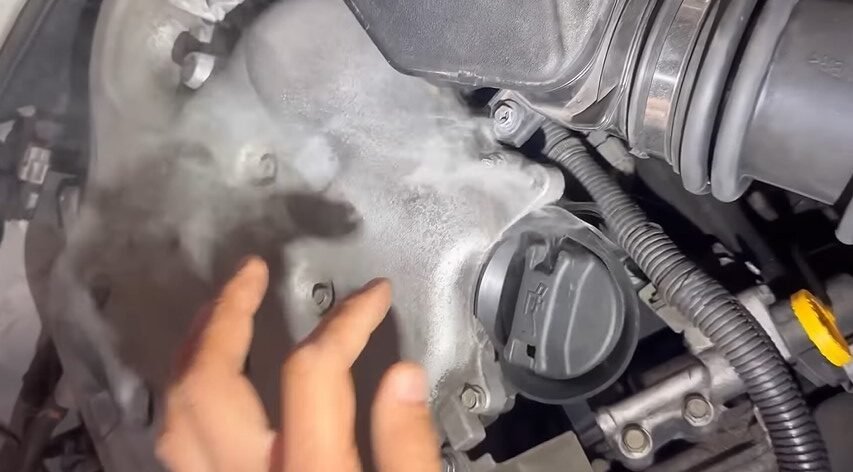
A hissing sound near the intake is a strong clue, but not every vacuum leak is loud. An OBD2 scanner may show lean codes like P0171 code or P0174. Live data may show positive fuel trims because the computer is adding fuel to correct for extra air.
What to check first: inspect vacuum hoses, the air intake tube, PCV lines, and intake connections. If nothing is obvious, a smoke test is one of the cleanest ways to find a small leak.
2. Dirty Throttle Body or Idle Control Problem
A dirty throttle body can make the engine struggle at idle because carbon buildup blocks the small airflow path the engine needs when your foot is off the gas.
You may notice the RPM dipping when you stop, the engine almost stalling, or the idle getting worse when the AC turns on. Some vehicles also need an idle relearn after the throttle body is cleaned, especially if the computer had been compensating for carbon buildup for a long time.

Older vehicles may use an idle air control valve. If that valve sticks, the engine may surge, stall, or idle too low. Newer cars often control idle through an electronic throttle body instead.
What to check first: remove the intake hose and look at the throttle plate. If it is dirty around the edges, cleaning may help. But do not force an electronic throttle plate by hand unless the service information allows it.
3. Worn Spark Plugs
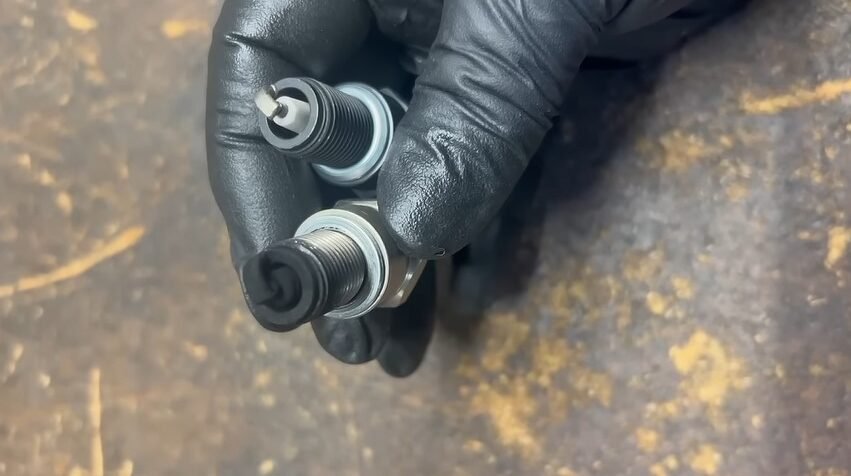
Bad spark plugs are another common rough idle cause. At idle, the engine is running slowly, and a weak or inconsistent spark can make one cylinder miss just enough to shake the car.
Worn spark plugs may cause rough idle, hesitation, poor fuel economy, fuel smell from the exhaust, or a flashing check engine light if the misfire is severe. If the plugs are very old, oil-fouled, carbon-covered, or gapped incorrectly, the engine may not burn fuel cleanly.
Misfire codes can help. P0300 means random or multiple-cylinder misfire. Codes like P0301, P0302, or P0303 point to a specific cylinder. If you are not sure what a code means, compare it with an OBD2 codes list and meaning guide before replacing parts.
What to check first: check plug age, mileage, gap, and condition. If one plug looks very different from the others, that cylinder needs closer attention. A bad plug may be the result of another issue, like oil burning, coolant entering the cylinder, or a rich fuel mixture.
4. Weak Ignition Coil or Plug Wire
A weak ignition coil can create a rough idle even if the spark plugs are new. Many modern engines use one coil per cylinder. When one coil gets weak, that cylinder may misfire at idle, under load, or when the engine is hot.
A coil problem often feels like a rhythmic shake. The engine may run rough, then smooth out, then shake again. Humidity, heat, and engine load can make the problem more noticeable.
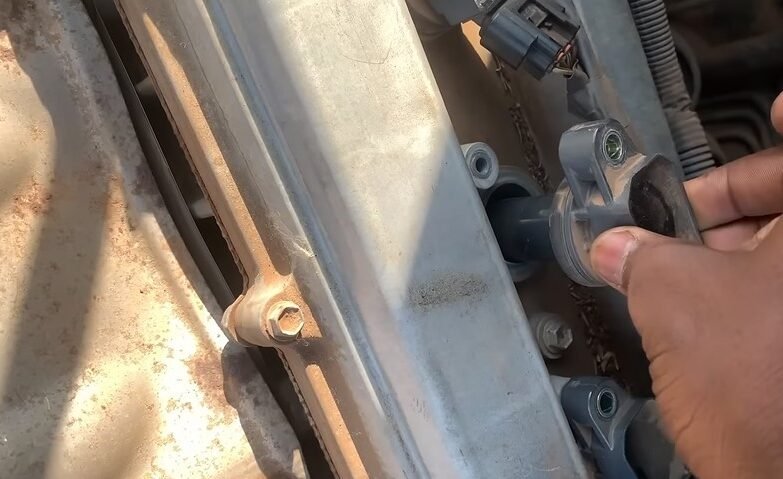
If the scan tool shows a cylinder-specific misfire, do not replace the coil immediately without testing. One useful method is swapping the coil with another cylinder and seeing if the misfire follows the coil. If P0302 becomes P0304 after moving the coil, the coil is likely the problem.
What to check first: scan for misfire codes, inspect coil connectors, check for oil in the spark plug tube, and use misfire data if your scanner supports it. Some scan tools can show Mode $06 misfire information; this guide on Mode 6 on a scan tool explains why that data can help when misfires are not obvious.
5. Dirty or Clogged Fuel Injector
Fuel injectors must spray a fine, even mist. If one injector is dirty, clogged, leaking, or not pulsing correctly, that cylinder may get too much or too little fuel. That can cause rough idle, hesitation, poor MPG, hard starting, or a fuel smell.
This is one of the rough idle causes that gets misdiagnosed often. A clogged injector can feel like a bad spark plug or bad coil because both problems create uneven combustion.

Fuel injector cleaner may help with light deposits, but it will not fix a failed injector, wiring issue, or severe clog. If one cylinder keeps misfiring after spark and coil checks pass, the injector should be tested.
What to check first: look at fuel trims, misfire counters, injector balance, and fuel pressure. If one cylinder is always the problem, compare spark, compression, and injector operation for that cylinder.
6. Bad MAF Sensor or Dirty Airflow Sensor
The mass airflow sensor tells the engine computer how much air is entering the engine. If it reads wrong, the computer may calculate the wrong amount of fuel. That can create an unstable idle, hesitation, stalling, lean codes, or rich codes.
A dirty MAF sensor does not always mean the sensor has failed. Sometimes oil from an aftermarket air filter, dust, or intake contamination can affect the sensing wire. Cleaning the MAF with the correct cleaner can help if contamination is the problem.
But there is one important warning: a MAF code does not always mean the MAF sensor is bad. A cracked intake hose after the MAF can let unmetered air in and make the sensor look guilty. That is why intake leaks should be checked before replacing the sensor.
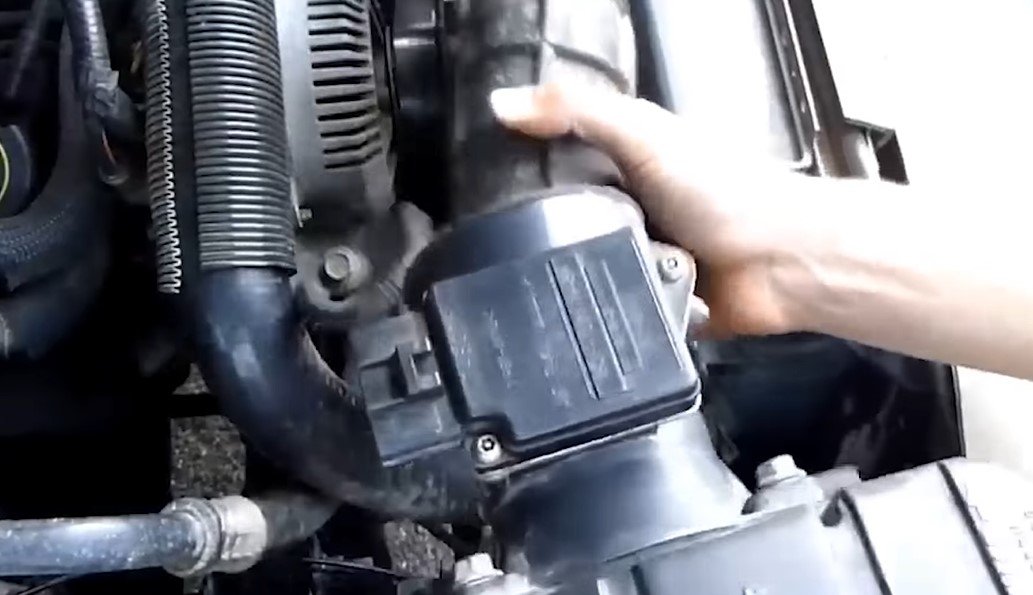
What to check first: scan for codes, check MAF live data, inspect the air intake tube, and look for air leaks after the sensor. If you are new to scanner data, this guide on how to read live data from OBD-II scanners will help you understand fuel trim, MAF readings, and sensor values.
7. EGR Valve or PCV System Problem
The EGR valve recirculates exhaust gas under certain conditions. At idle, too much exhaust gas can make the engine stumble. If the EGR valve sticks open, the car may idle rough, stall at stops, or hesitate at low speed.
The PCV system can also cause rough idle. A cracked PCV hose, stuck PCV valve, or leaking connection can act like a vacuum leak. That extra air can make the mixture lean and create idle problems.

EGR and PCV problems do not always feel dramatic while driving. Sometimes the biggest clue is that the car shakes or nearly stalls only when stopped.
What to check first: inspect PCV hoses, check the PCV valve, scan for EGR codes, and compare idle behavior when the engine is warm. A bidirectional scanner can sometimes command certain components during testing, but a basic code reader usually cannot. This difference is explained well in this code reader vs scan tool guide.
8. Low Fuel Pressure or Weak Fuel Pump
A weak fuel pump, clogged fuel filter, or fuel pressure regulator problem can cause rough idle because the engine is not getting stable fuel supply. This may also create long cranking, loss of power, hesitation, or rough running under acceleration.
Fuel pressure problems are easy to confuse with ignition problems. If the engine is not getting enough fuel, it may misfire or stumble. Replacing coils will not fix that.

Low fuel pressure may get worse under load, but it can also show up at idle if pressure is unstable or one injector is already marginal. Some cars may not set a code right away.
What to check first: check fuel pressure with the correct gauge and compare it with vehicle specifications. Also look at fuel trims. If the computer is adding a lot of fuel, the engine may be running lean from air leaks, low pressure, or wrong sensor data.
9. Clogged Air Filter or Restricted Intake
A dirty air filter is not the most common rough idle cause on modern vehicles, but it should not be ignored. If the filter is badly clogged, the intake box is blocked, or the intake tube is collapsed or cracked, airflow can be affected.
A cracked intake tube is especially important. If the crack is after the MAF sensor, extra air can enter without being measured. That can cause rough idle, lean codes, hesitation, and poor fuel economy.
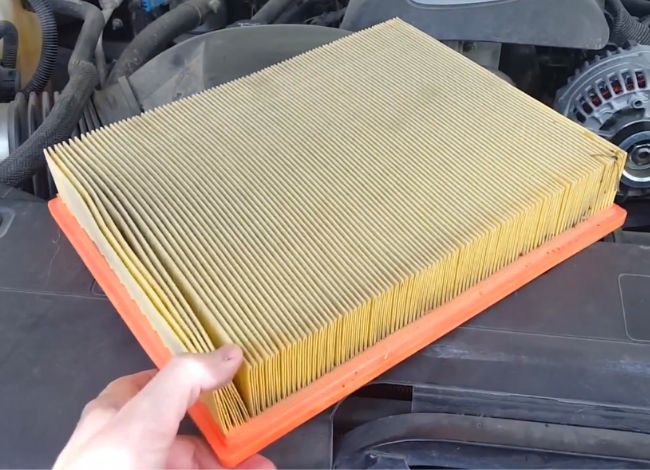
A restricted intake may also make the engine feel weak during acceleration. If the car has been driven in dusty conditions or the filter has not been changed for a long time, this is an easy check.
What to check first: inspect the air filter, air box, intake tube, clamps, and any connections between the MAF sensor and throttle body.
10. Bad Engine Mounts or Low Compression
Not every idle vibration is caused by bad combustion. Sometimes the engine is running normally, but a worn engine mount transfers vibration into the cabin. This is why some cars shake more in Drive or Reverse than in Park.
A bad mount may also cause a clunk when shifting from Park to Drive, or when accelerating and letting off the gas. If the RPM is stable and there are no misfire symptoms, mounts should be considered.

Low compression is a different and more serious issue. If one cylinder has low compression from a burned valve, worn piston rings, head gasket issue, or timing problem, the engine may idle rough no matter how many spark plugs, coils, or sensors are replaced.
What to check first: compare vibration in Park, Neutral, Drive, and Reverse. If scan data shows repeated misfire on one cylinder and ignition/fuel checks do not explain it, do a compression test or leak-down test.
Rough Idle With Check Engine Light vs No Check Engine Light
A rough idle with a check engine light is easier to start diagnosing because the computer has stored a clue. That clue may be a misfire code, lean code, rich code, MAF code, EGR code, or idle control code.
But a code is not the same as a diagnosis. For example, a lean code may come from a vacuum leak, low fuel pressure, cracked intake tube, dirty MAF sensor, or exhaust leak near the oxygen sensor. A rich code like P0172 may point toward too much fuel, wrong sensor input, or a fuel control issue, but it still needs testing.
A flashing check engine light is more serious. That usually means an active misfire that can damage the catalytic converter. If the car is shaking badly and the check engine light is flashing, avoid driving it.
A rough idle with no check engine light can still be real. Pending codes may not have matured yet. Some engine mount problems will not set any code. Small vacuum leaks, early ignition problems, dirty throttle bodies, and sensor readings that are wrong but still “within range” may also create rough idle without a stored code. This is why a check engine light on but no codes situation can still need live data and deeper testing.
OBD2 Scanner Data That Helps Find Rough Idle Causes
A scanner can save a lot of guessing if you know what to look at. A basic code reader may only show stored codes, but a better scan tool can show live data and sometimes misfire counters.
The most useful data for rough idle causes includes fuel trims, misfire counters, MAF readings, coolant temperature, oxygen sensor behavior, RPM stability, and freeze frame data. Fuel trim is especially helpful because it shows whether the computer is adding or subtracting fuel.
If short-term and long-term fuel trims are strongly positive, the engine may be running lean because of a vacuum leak, low fuel pressure, or wrong airflow reading. If trims are strongly negative, the engine may be running rich because of a leaking injector, wrong sensor input, or fuel control problem.
Oxygen sensor data can also help, but it can confuse beginners. Before blaming the O2 sensor, compare the readings with fuel trims and other symptoms. These guides on how to test an O2 sensor with OBD2 and bad O2 sensor live data readings are useful when rough idle comes with rich or lean symptoms.
Freeze frame is also worth checking because it shows what was happening when the code set. If you are unsure how that differs from live data, read this simple comparison of freeze frame vs live data.
| Code Type | What It May Suggest |
|---|---|
| P0300 | Random/multiple misfire |
| P0301-P0308 | Cylinder-specific misfire |
| P0171/P0174 | Lean condition |
| P0172/P0175 | Rich condition |
| P0101 | MAF sensor range/performance |
| P0401/P0402 | EGR flow problem |
| P0505/P0507 | Idle control issue |
Use the scanner to choose a direction, not to blindly replace the named part.
Rough Idle Only in Certain Conditions
The timing of the symptom can tell you a lot.
If the rough idle happens mostly when cold, think about vacuum leaks, dirty throttle body, weak ignition parts, or a coolant temperature sensor reading incorrectly. Cold engines need richer fuel mixture, so small problems can show up more clearly.
If the rough idle happens only when warm, look more closely at EGR issues, fuel pressure, injectors, heat-sensitive coils, or sensor drift. Some electrical parts behave normally cold but fail when hot.
If the engine idles rough only when the AC is on, the engine may be struggling with extra load. A dirty throttle body, weak idle control, low engine power, or worn mount can make that vibration more noticeable.
If the car shakes in Drive but not in Park, do not assume it is always a misfire. Engine mounts can make normal engine vibration feel much worse when the drivetrain is loaded.
Can You Drive With Rough Idle?
A mild rough idle may be safe for a short drive, especially if there is no flashing check engine light, no stalling, no fuel smell, and no major loss of power. But it should still be diagnosed soon because rough idle usually gets worse.
Do not keep driving if the check engine light is flashing, the car is stalling at stops, the engine is shaking violently, you smell raw fuel, the temperature gauge is rising, or the car has poor acceleration. Those signs can point to a serious misfire, fuel issue, overheating problem, or safety risk.
Ignoring rough idle can damage the catalytic converter, waste fuel, cause sudden stalling, and turn a small repair into a much more expensive one.
Common Mistakes When Fixing Rough Idle
The biggest mistake is replacing the part named in the code without testing. A MAF code does not always mean the MAF is bad. A lean code does not always mean the oxygen sensor is bad. A misfire code does not always mean the spark plug is bad.
Another mistake is skipping vacuum leak checks. Many rough idle problems come from cracked hoses, loose intake boots, or PCV leaks that cost far less than sensors and fuel parts.
Some drivers clean the throttle body but forget that an idle relearn may be needed. Others use fuel injector cleaner again and again when the real issue is spark, compression, or fuel pressure.
Also, do not clear codes too early. If you clear them before saving codes and freeze frame data, you may erase the best clue you had. If you already repaired the issue and need to clear codes properly, follow a proper how to clear OBD2 codes process and then confirm the rough idle does not return.
The better approach is simple: scan first, inspect easy things, test the likely system, then replace the part only when the evidence points there.
FAQ About Rough Idle Causes
What is the most common cause of rough idle?
The most common rough idle causes are vacuum leaks, dirty throttle body, worn spark plugs, weak ignition coils, and clogged fuel injectors. The exact cause depends on the symptom pattern and scan data.
Can bad spark plugs cause rough idle?
Yes. Worn, fouled, or incorrectly gapped spark plugs can cause weak combustion at idle. This may create shaking, misfire codes, poor fuel economy, or hesitation.
Can a vacuum leak cause rough idle without a code?
Yes. A small vacuum leak can cause rough idle before it sets a code. Sometimes the computer can correct the mixture enough to avoid turning on the check engine light.
Why does my car idle rough but drive fine?
Some problems show up more at idle because the engine is running at low RPM with very little airflow. Small vacuum leaks, dirty throttle body, weak spark, and engine mounts can feel worse while stopped than while driving.
Can an OBD2 scanner diagnose rough idle?
An OBD2 scanner can point you in the right direction by showing codes, fuel trims, freeze frame, misfire data, and sensor readings. But some tests, like smoke testing, fuel pressure testing, and compression testing, still require separate tools. This is one reason to understand what an OBD2 scanner cannot do before trusting one reading too much.
Can rough idle damage the engine?
A mild rough idle may not damage the engine immediately, but a severe misfire can damage the catalytic converter and may harm engine components if ignored. A flashing check engine light should be treated seriously.
Final Thoughts
Most rough idle causes come down to air, fuel, spark, sensor data, idle control, engine mounts, or mechanical health. The hard part is that several of these problems can feel almost the same from the driver’s seat.
Start with the pattern. Then scan for codes and live data. Check vacuum leaks, throttle body condition, spark plugs, coils, fuel trims, injectors, and fuel pressure before replacing expensive parts. If everything checks out but one cylinder keeps misfiring, move to compression testing.
A rough idle is the engine’s way of telling you something is out of balance. Listen early, test carefully, and you can often fix the real problem before it becomes a bigger one.