
A car losing power when accelerating is one of those problems that feels simple from the driver’s seat but gets messy once you start diagnosing it.
You press the gas pedal.
The car should pull forward.
Instead, it feels weak, delayed, jerky, or completely flat.
Sometimes the RPM goes up but the car barely speeds up. Sometimes the engine bogs down and refuses to rev. Sometimes power disappears for a few seconds, then comes back after you lift off the pedal. In other cases, the car goes into limp mode and will not accelerate normally until you restart it.
Those patterns matter.
Car losing power when accelerating can come from air, fuel, spark, exhaust restriction, throttle control, turbo boost, transmission slip, or a computer-controlled power limit. That is why replacing a random MAF sensor, fuel pump, or spark plug set is not the best first move.
The better move is to identify the pattern, scan for codes, save freeze-frame data, and check live data while the engine is under load.
This guide explains the most common causes, the OBD2 codes that may appear, and what you should check first before replacing parts.
Quick Answer: Why Is My Car Losing Power When Accelerating?
A car losing power when accelerating is usually caused by restricted airflow, low fuel pressure, dirty fuel injectors, ignition misfires, bad MAF or MAP sensor data, vacuum leaks, throttle body issues, a clogged catalytic converter, turbo underboost, limp mode, or transmission/clutch slip.
If the engine bogs down and RPM struggles to rise, think engine power loss. If RPM rises but vehicle speed does not increase normally, think transmission slip or clutch slip. If power returns after restarting the car, limp mode or an electronic sensor fault becomes more likely.
First Clue: What Does The RPM Do?
Before you scan anything, watch the tachometer.
The RPM pattern can separate an engine problem from a drivetrain problem.
| What Happens When You Accelerate | What It Usually Points Toward |
|---|---|
| RPM rises but speed does not | Transmission slipping, clutch slipping, CVT issue |
| RPM struggles to rise | Engine power loss, fuel, air, spark, exhaust restriction |
| Engine jerks or shakes | Misfire, ignition, injector, fuel delivery |
| Power cuts out then returns | Limp mode, sensor fault, boost control issue |
| Power loss mostly uphill | Fuel pressure, misfire under load, turbo issue |
| Power loss at high RPM | Clogged catalytic converter, exhaust restriction, weak fuel pump |
| Pedal feels dead | Throttle body, accelerator pedal sensor, limp mode |
This step is important because many people say the “car has no power,” but not all power loss is engine power loss.
If the engine revs loudly but the car does not move faster, the engine may be making power. The transmission, clutch, or drivetrain may not be transferring that power properly.
When To Stop Driving
Do not keep testing the car if the symptom is severe.
Stop driving or get help if you notice:
- Flashing check engine light
- Engine shaking badly
- Strong fuel smell
- Smoke from the exhaust or engine bay
- Overheating
- Oil pressure warning
- Loud knocking
- Sudden severe power loss on the highway
- Car cannot maintain safe speed
A car losing power when accelerating can be dangerous in traffic, especially when merging, turning across traffic, or climbing hills. If the car cannot accelerate safely, do not keep driving just to “see what happens.”
1. Dirty Air Filter Or Intake Restriction
A dirty air filter is not always the dramatic cause people make it sound like, especially on modern fuel-injected cars. The engine computer can often compensate for small airflow changes.
But if the filter is badly clogged, the air box is blocked, or the intake tube is collapsing, the engine may not get enough air under load. That can make the car feel weak when you press the gas.

Possible signs:
- Weak acceleration
- Poor throttle response
- Engine feels restricted at higher RPM
- Dirty or damaged air filter
- Debris inside the air box
- Intake hose looks soft, cracked, or collapsed
OBD2 clues:
- Low MAF reading for engine size and RPM
- High calculated load during weak acceleration
- Fuel trims may look unusual
- Sometimes no code at all
What to check first:
Open the air filter box and inspect the filter. Check the intake snorkel and the tube between the air box and throttle body. Make sure nothing is loose, cracked, or blocked.
If the filter is dirty, replace it. If the intake hose is cracked after the MAF sensor, that can create a different problem: unmetered air entering the engine.
2. Dirty Or Faulty MAF/MAP Sensor
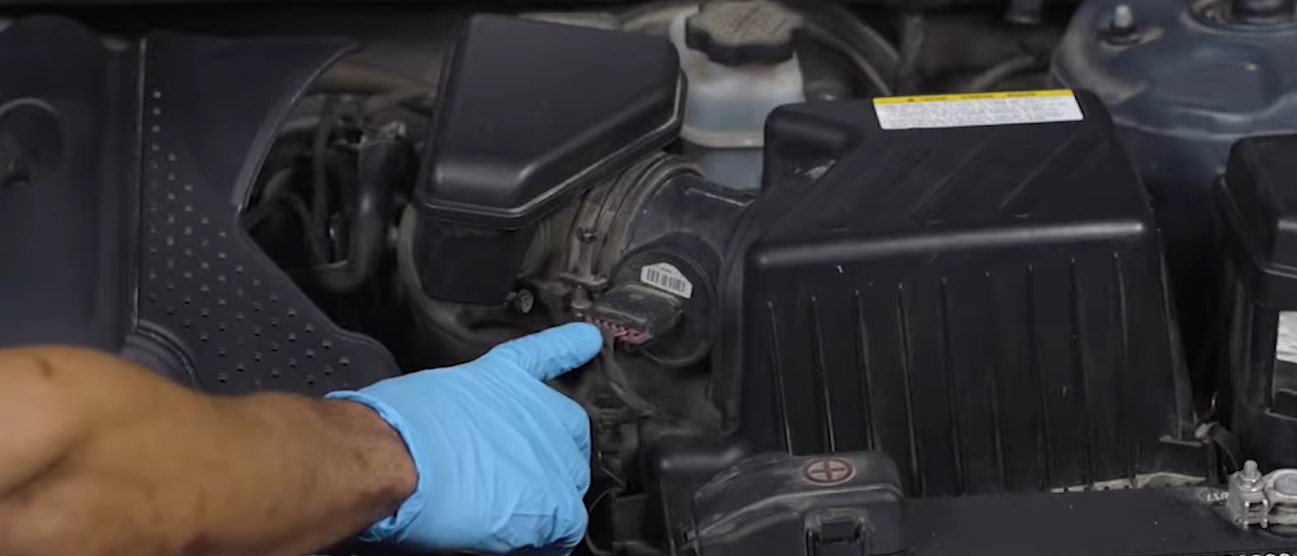
The MAF sensor measures incoming airflow. The MAP sensor measures intake manifold pressure. Depending on the vehicle, one or both of these sensors help the computer calculate engine load and fuel delivery.
If the sensor data is wrong, the engine may receive the wrong amount of fuel or enter a limited-power strategy.
Common codes:
P0101P0102P0103P0106P0107P0108
Possible signs:
- Hesitation
- Weak acceleration
- Rough idle
- Stalling
- Poor fuel economy
- Lean or rich codes
- Check engine light
OBD2 live data to check:
- MAF grams per second
- MAP pressure
- Calculated load
- Short-term fuel trim
- Long-term fuel trim
- Intake air temperature
- Freeze-frame RPM and load
What to check first:
Inspect the intake tube, clamps, air box, and sensor connector. A MAF code does not always mean the MAF sensor is bad. Air leaks, wiring faults, dirty sensor elements, or intake modifications can affect readings.
If cleaning is needed, use only MAF sensor cleaner. Do not use brake cleaner, carb cleaner, or compressed air directly on the sensor.
For a car losing power when accelerating, MAF and MAP readings are more useful when viewed during the condition, not just at idle.
3. Vacuum Leak Or Intake Air Leak
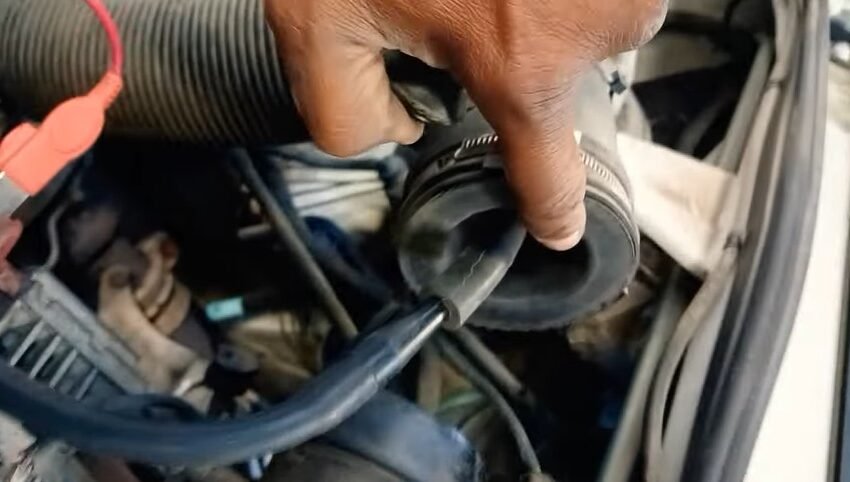
A vacuum leak lets extra air enter the engine where the computer does not expect it.
This can create a lean condition. The engine may idle rough, hesitate, or feel weak when accelerating. Some leaks are worse at idle. Others become noticeable when the engine moves under load and opens a cracked hose or intake boot.
Common codes:
P0171P0174- Sometimes misfire codes
Possible signs:
- Rough idle
- Hissing sound
- Hesitation
- High idle
- Lean codes
- Poor low-speed acceleration
- Fuel trims high positive
OBD2 clues:
- Positive fuel trims
- Fuel trims worse at idle than at cruise
- Lean codes on one bank or both banks
- Misfire counts on affected cylinders
What to check first:
Inspect the intake boot, PCV hose, brake booster hose, vacuum hoses, and intake manifold gasket area. If fuel trims are very positive at idle but improve at higher RPM, a vacuum leak is likely.
A smoke test is often the cleanest way to find small leaks.
Do not replace the oxygen sensor just because the car has a lean code. The oxygen sensor may be correctly reporting the lean condition.
4. Weak Fuel Pump, Clogged Fuel Filter, Or Low Fuel Pressure
A weak fuel pump can fool you because the engine may idle normally.
At idle, the engine does not need much fuel. Under acceleration, fuel demand rises quickly. If the pump, filter, regulator, or fuel delivery system cannot keep up, the car may hesitate, bog down, or lose power.

Common codes:
P0087P0191P0171P0174P0300-P0308
Possible signs:
- Power loss uphill
- Weak acceleration at highway speed
- Hesitation under load
- Hard starting
- Stalling
- Lean codes
- Misfires during acceleration
OBD2 data to check:
- Fuel rail pressure, if supported
- Commanded vs actual fuel pressure, on direct-injection vehicles
- Fuel trims
- Oxygen sensor or air-fuel ratio data
- Freeze-frame load and RPM
What to check first:
If your scanner shows fuel pressure, compare actual pressure to expected pressure under load. If the scanner does not show it, a mechanical fuel pressure test may be needed.
Also check whether the vehicle has a serviceable fuel filter. Many modern cars have the filter inside the tank, but some still use an external filter.
Low fuel pressure is one of the biggest reasons a car losing power when accelerating may feel fine at idle but weak on the road.
5. Dirty Fuel Injectors Or Injector Fault
Fuel injectors have to deliver the right amount of fuel in a clean spray pattern.
If one injector is clogged, leaking, or not responding correctly, the engine may feel uneven during acceleration. One cylinder may run lean, misfire, or contribute less power than the others.

Common codes:
P0300P0301-P0308P0171P0174- Sometimes rich codes if an injector leaks
Possible signs:
- Rough acceleration
- Cylinder-specific misfire
- Poor fuel economy
- Hard start
- Fuel smell
- Rough idle
- Jerking under load
OBD2 clues:
- Misfire counters on one cylinder
- Fuel trims abnormal
- Rich or lean codes
- Freeze-frame showing misfire under load
What to check first:
Check misfire data before assuming all injectors are dirty. If one cylinder keeps misfiring, compare spark, injector, compression, and wiring for that cylinder.
A professional injector balance test can show whether one injector is flowing differently from the others. On some vehicles, scan tools can help with cylinder contribution or injector testing, but this depends heavily on the car and scanner.
Fuel injector cleaner may help mild deposits, but it will not fix a dead injector, wiring fault, or mechanical problem.
6. Bad Spark Plugs, Coils, Or Ignition Misfire
Ignition problems often show up under acceleration before they show up at idle.
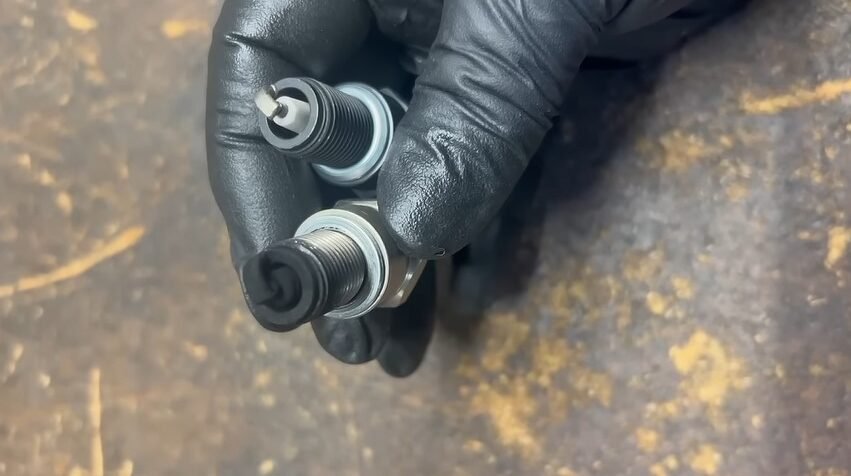
When cylinder pressure rises under load, a weak spark may fail. That creates a misfire. The car may jerk, shake, hesitate, or lose power. A severe misfire can make the check engine light flash.
Common codes:
P0300P0301P0302P0303P0304P0305-P0308
Possible signs:
- Jerking during acceleration
- Engine shaking
- Flashing check engine light
- Poor acceleration
- Fuel smell
- Rough idle
- Loss of power under load
OBD2 data to check:
- Misfire counters
- Cylinder-specific codes
- Freeze-frame RPM and engine load
- Fuel trims
- Pending codes
What to check first:
If you have a cylinder-specific misfire, start with that cylinder. Inspect the spark plug. Check the coil. If the vehicle uses plug wires, inspect those too.
A common test is moving the ignition coil to another cylinder. If the misfire follows the coil, the coil is likely bad. If it stays on the same cylinder, look at the plug, injector, compression, wiring, or mechanical condition.
Do not keep driving with a flashing check engine light. Unburned fuel can damage the catalytic converter.
7. Throttle Body Or Accelerator Pedal Sensor Problem
Most modern vehicles use electronic throttle control.
That means the gas pedal is not directly pulling a cable to open the throttle. Instead, the accelerator pedal sends a signal to the computer, and the computer commands the throttle body to open.

If the pedal sensor, throttle position sensor, throttle body motor, or wiring has a problem, the car may limit power.
Common codes:
P0121P0122P0221P2135P2111P2112
Possible signs:
- Delayed throttle response
- Pedal feels dead
- Car will not rev normally
- Limp mode
- Electronic throttle control warning
- EPC light on some vehicles
- Power returns after restart
OBD2 data to check:
- Accelerator pedal position
- Throttle position
- Commanded throttle angle
- Actual throttle angle
- Engine load
- Related pending codes
What to check first:
Check the throttle body connector and wiring. Inspect for carbon buildup around the throttle plate. Some vehicles need a throttle relearn after cleaning or replacement.
If pedal position changes normally but throttle angle does not respond correctly, that points one way. If pedal data itself drops out or disagrees between sensor circuits, that points another way.
This is where live data is far better than guessing.
8. Clogged Catalytic Converter Or Exhaust Restriction
An engine has to breathe out as well as breathe in.
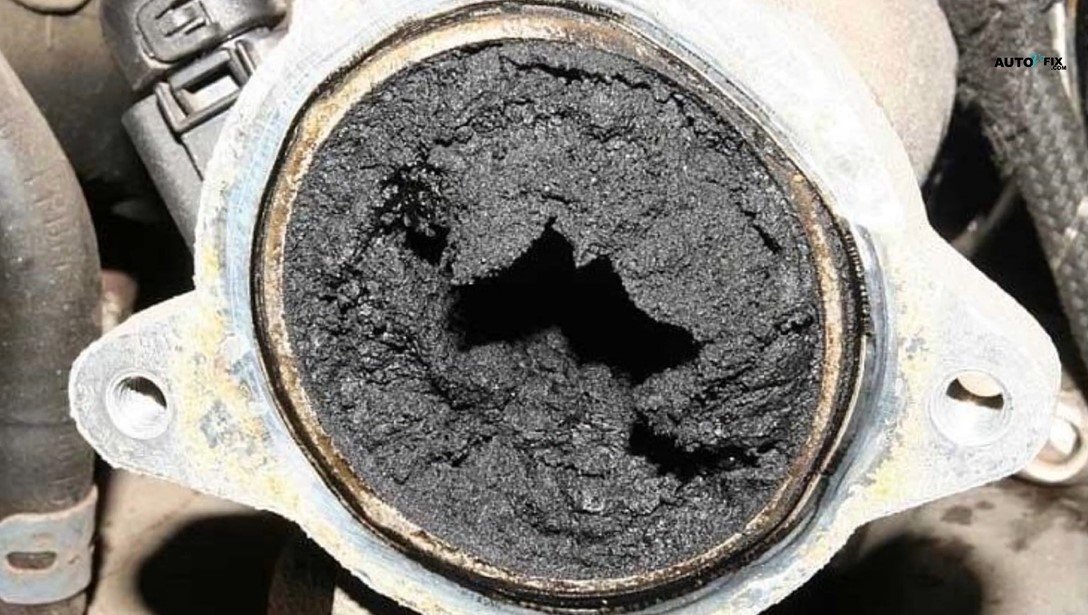
If the catalytic converter or exhaust is restricted, exhaust gases cannot leave the engine efficiently. The engine may idle, but it feels choked when you try to accelerate. The problem often gets worse at higher RPM or under heavier load.
Common codes:
P0420P0430- Sometimes no code
Possible signs:
- Weak high-RPM acceleration
- Engine feels restricted
- Car cannot climb hills well
- Excessive heat under the car
- Sulfur or rotten-egg smell
- Power loss after engine warms up
- Engine will not rev freely
OBD2 clues:
- High calculated load
- Poor acceleration despite throttle opening
- Misfire or rich-running history
- O2 sensor patterns may look unusual
What to check first:
Do not replace the catalytic converter just because power is low. First check misfires, rich running, oil burning, and fuel trim problems. These can damage a converter.
A backpressure test is one of the better ways to confirm exhaust restriction. Some technicians also compare upstream and downstream temperature readings, but backpressure is more direct.
For a car losing power when accelerating at higher speeds or higher RPM, a clogged catalytic converter should be on the list, especially if other air/fuel/spark checks look normal.
9. Turbo Underboost, Limp Mode, Or Transmission/Clutch Slip
This final group matters because not every acceleration problem is a basic air-fuel-spark issue.
Turbo Underboost
If your car is turbocharged, boost leaks or boost control faults can make it feel weak.
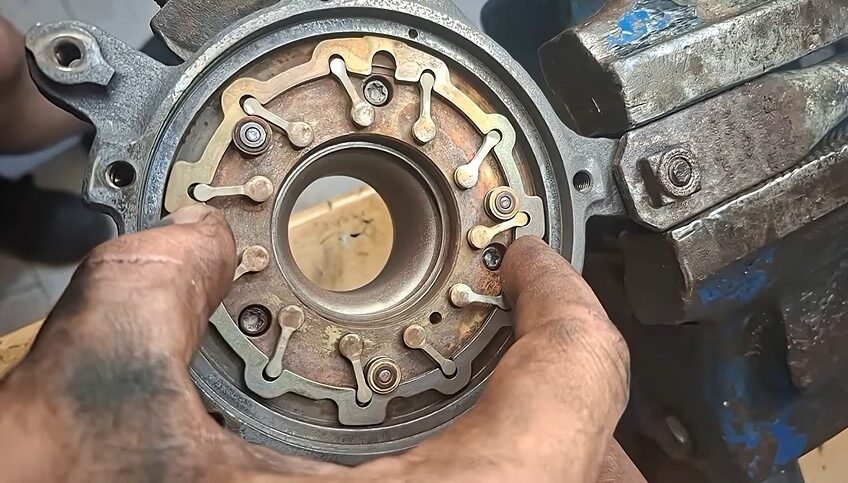
Common codes:
P0299P0234- Boost control codes
Possible signs:
- No boost
- Whooshing sound
- Poor acceleration
- Black smoke on some diesel engines
- Power loss under load
- Limp mode
Scanner data to check:
- Commanded boost
- Actual boost
- MAP pressure
- Turbo vane or wastegate command, if available
- MAF data
First checks:
Inspect intercooler pipes, boost hoses, clamps, diverter valve, wastegate actuator, vacuum lines, and charge pipes.
Limp Mode
Limp mode is a protective strategy. The computer limits power because it sees a fault that could damage the engine or transmission.
Signs of limp mode:
- Car will not rev normally
- Transmission stuck in one gear
- Power returns after restart
- Throttle response limited
- Warning lights appear
A basic OBD2 reader may only show engine codes. A better scanner may be needed to read transmission, ABS, throttle, or manufacturer-specific codes.
Transmission Or Clutch Slip
If RPM rises but speed does not, the engine may not be the problem.
Manual cars can have clutch slip. Automatic transmissions can slip internally. CVTs can have belt or pulley issues. Some vehicles may set transmission codes, while others may not show much on a basic code reader.
Common codes:
P0700- Transmission-specific codes
- Gear ratio codes
- Pressure control codes
First checks:
Scan all modules if possible, not only generic engine OBD2. Check transmission fluid condition and level if the vehicle allows it. For manual cars, pay attention to clutch slip under hard acceleration or uphill driving.
OBD2 Scanner Data To Check First
When diagnosing car losing power when accelerating, scan data should match the symptom.
Do not only scan at idle if the problem happens under load.
| Scanner Data | What It Helps Diagnose |
|---|---|
| Stored codes | Main fault direction |
| Pending codes | Early or intermittent faults |
| Freeze-frame data | Conditions when the fault happened |
| STFT/LTFT | Lean or rich fuel correction |
| MAF/MAP data | Airflow and load problems |
| Throttle position | Throttle body or pedal issue |
| Misfire counters | Ignition, injector, compression issue |
| Fuel rail pressure | Fuel pump, regulator, delivery problem |
| Boost pressure | Turbo underboost or overboost |
| Calculated load | Restriction or load mismatch |
| Transmission codes | Slip, limp mode, drivetrain issue |
Freeze-frame data is especially useful because it may show the exact RPM, speed, load, and coolant temperature when the code was set.
If the freeze frame shows the fault happened at high load during acceleration, that is different from a code that set at idle.
What To Check First Before Replacing Parts
Use this order.
First, check the warning lights.
A flashing check engine light changes the urgency. An oil pressure light or overheating warning changes everything.
Second, watch the RPM.
If RPM rises but speed does not, think clutch or transmission slip. If RPM struggles, think engine power loss.
Third, scan codes.
Read stored codes, pending codes, and freeze-frame data. Do not clear anything before saving the information.
Fourth, check fuel trims.
Positive trims can point toward lean conditions, vacuum leaks, low fuel delivery, or MAF issues. Negative trims can point toward rich conditions, leaking injectors, bad MAF data, or purge valve problems.
Fifth, check misfire data.
Misfires under load are a major cause of weak acceleration.
Sixth, inspect the simple physical items.
Air filter, intake tube, MAF connector, vacuum hoses, and visible wiring should be checked before expensive parts.
Seventh, match live data to the system.
If the code suggests throttle, compare pedal and throttle data. If it suggests fuel pressure, check actual fuel pressure under load. If it suggests boost, compare commanded and actual boost.
Common Mistakes
Avoid these:
- Replacing the MAF sensor without checking intake leaks
- Replacing spark plugs without checking misfire counters
- Replacing the catalytic converter before fixing misfires or rich running
- Ignoring transmission slip when RPM rises but speed does not
- Clearing codes before saving freeze-frame data
- Assuming no code means no problem
- Testing only at idle when the issue happens during acceleration
- Replacing the fuel pump without confirming fuel pressure under load
A car losing power when accelerating needs load-based diagnosis. Idle checks can miss the problem completely.
FAQ
Why does my car lose power only when accelerating?
Your car loses power only when accelerating because the engine or drivetrain is failing under load. Common causes include low fuel pressure, ignition misfire, dirty MAF sensor, vacuum leak, clogged catalytic converter, throttle control issue, turbo underboost, or transmission slip.
Can a bad MAF sensor cause loss of power?
Yes. A bad or dirty MAF sensor can send incorrect airflow data to the engine computer. That can cause hesitation, lean or rich codes, poor fuel economy, rough idle, and weak acceleration.
Can low fuel pressure cause weak acceleration?
Yes. Low fuel pressure often shows up during acceleration because the engine needs more fuel under load. A weak fuel pump, clogged fuel filter, faulty regulator, or fuel system issue can cause the car to feel fine at idle but weak on the road.
Why does my car lose power uphill?
Uphill driving increases engine load. If fuel delivery, ignition spark, turbo boost, or exhaust flow is weak, the problem may appear more clearly on hills than on flat roads.
Can a clogged catalytic converter cause poor acceleration?
Yes. A clogged catalytic converter or exhaust restriction can make the engine feel choked, especially at higher RPM or under load. Before replacing the converter, check for misfires, rich running, oil burning, or other causes that may have damaged it.
Why does RPM go up but the car does not accelerate?
If RPM rises but speed does not increase normally, the problem may be clutch slip, automatic transmission slip, CVT trouble, or another drivetrain issue. This is different from an engine bogging down.
Final Thoughts
Car losing power when accelerating does not point to one single part.
It points to a condition: the car cannot respond properly when load increases.
That load can expose a weak fuel pump, clogged filter, dirty MAF sensor, vacuum leak, failing coil, bad spark plug, restricted catalytic converter, boost leak, throttle fault, limp mode, or transmission slip.
The best first step is not guessing.
Watch the RPM. Notice whether the engine bogs or the transmission slips. Scan for stored and pending codes. Save freeze-frame data. Check live data while thinking about the system that actually fails under acceleration.
If you diagnose the pattern first, the repair becomes much easier to find.