
An oil warning light is one of those dashboard lights you should never treat casually. A check engine light may give you time to scan codes and plan a repair, but the red oil light can mean your engine is losing oil pressure right now.
That matters because oil is not just fluid inside the engine. It creates a protective film between fast-moving metal parts, carries heat away, helps clean internal surfaces, and keeps bearings, camshafts, pistons, and the crankshaft from grinding themselves apart. When oil pressure drops too low, engine damage can happen very quickly.
The confusing part is that oil light on causes are not always the same. Sometimes the engine is simply low on oil. Sometimes the oil level is full, but the oil pump, sensor, filter, or internal engine parts are the real problem. This guide breaks it down in a practical way so you know what the warning usually means and what to check first.
Oil Light On Causes: What the Warning Really Means
Most oil warning lights are related to oil pressure, not just oil level. That is the first thing to understand.
Your engine can have enough oil on the dipstick but still not have enough pressure moving through the oil passages. In that case, the engine is still at risk. Oil pressure depends on the oil pump, oil viscosity, filter flow, pickup screen condition, bearing clearance, and sometimes electronic oil pressure controls.
Also, do not confuse these three warnings:
| Dashboard Warning | What It Usually Means | How Serious Is It? |
|---|---|---|
| Red oil can light | Low oil pressure or pressure system fault | Very serious |
| Amber/yellow oil level warning | Oil level may be low | Serious, check soon |
| Oil change/service reminder | Maintenance interval is due | Not usually an emergency |
If your issue is only a service reminder, this guide on whether an OBD2 scanner can reset an oil light may help. But if the red oil pressure light stays on while the engine is running, treat it as urgent.
What You Should Do First
If the oil light comes on while driving, do not keep going just to “see what happens.” Pull over safely, shut the engine off, and give the engine a minute or two before checking the oil level.
Check the dipstick on level ground. If the oil is very low, add the correct oil recommended in your owner’s manual. Then restart the engine only briefly to see whether the light goes out. If the light stays on, shut it off again.
Also look under the vehicle for fresh oil leaks. Listen for knocking, ticking, rattling, or rough running. If the oil light is on and the engine sounds noisy, do not drive it. That combination can point to low oil pressure and possible engine damage.
One more warning: do not just keep adding oil without checking the dipstick. Overfilling the engine can create its own problems. For broader routine checks, this car maintenance tips guide can support the basics, but the red oil light itself should be handled immediately.
1. Low Engine Oil Level
Low oil level is one of the most common oil light on causes. If the engine does not have enough oil in the pan, the oil pump may struggle to pick up oil consistently. During turns, braking, acceleration, or driving on hills, the oil can move away from the pickup area, causing the light to flicker or come on.
Low oil can happen because of normal consumption, overdue maintenance, leaks, worn piston rings, valve seal wear, or simply not checking the level often enough.

Common signs include low oil on the dipstick, oil light flickering during turns, burning oil smell, blue smoke from the exhaust, or ticking noise from the engine.
If the oil is low, top it up with the correct grade. But topping up is not the full repair if the engine is burning or leaking oil. You still need to find out why the oil level dropped.
2. Oil Leak
An oil leak can slowly reduce the oil level until the warning light appears. In other cases, a larger leak can cause a sudden oil pressure problem.
Leaks may come from the valve cover gasket, oil pan gasket, drain plug, oil filter, timing cover, rear main seal, oil cooler lines, or turbo oil feed/return lines. Sometimes the leak is obvious as oil dripping under the car. Other times, oil lands on hot engine parts and burns off before it reaches the ground.

Look for wet, dark oil around the engine, oil spots where you park, or a burning smell after driving. If the oil light came on soon after an oil change, check the drain plug and oil filter area immediately. A loose filter or damaged filter gasket can dump oil quickly.
Among oil light on causes, leaks are especially important because the warning may not appear until the oil level is already dangerously low.
3. Wrong Oil Viscosity, Old Oil, or Contaminated Oil
Oil thickness matters. Your engine is designed for a specific viscosity range, such as 0W-20, 5W-30, or 10W-30. If the wrong oil is used, oil pressure can behave strangely, especially at hot idle.
Oil that is too thin may not maintain enough pressure when the engine is warm. Oil that is too thick may not flow properly in cold starts. Old oil can also lose its protective qualities, and contaminated oil may not lubricate as designed.
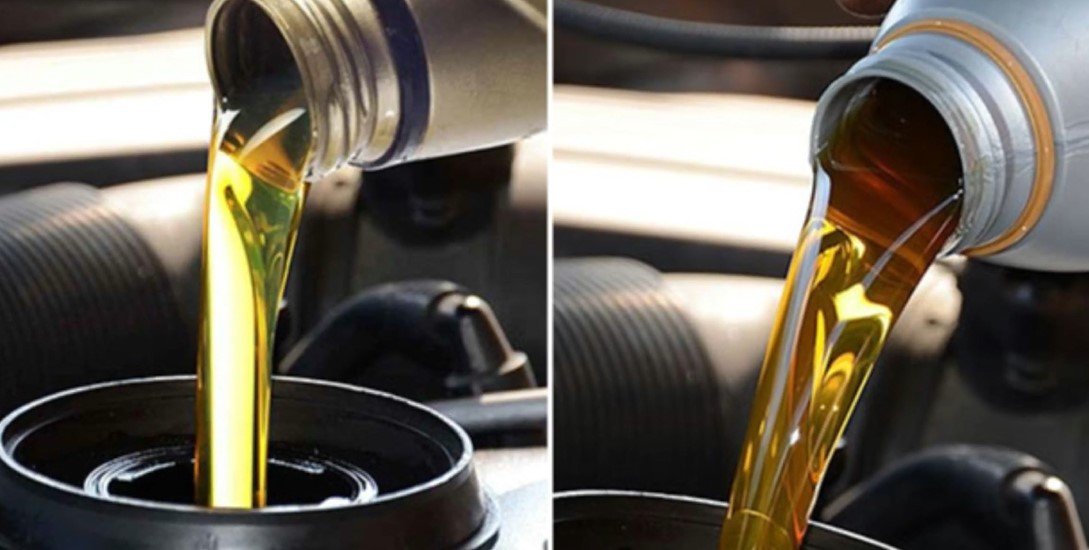
Fuel dilution, coolant contamination, sludge, and long oil change intervals can all affect oil performance. If the oil looks milky, smells strongly like gasoline, or appears unusually thick and dirty, that is not something to ignore.
This is why oil light on causes are not only about the amount of oil. The condition and type of oil matter too.
4. Clogged Oil Filter or Oil Pickup Screen
The oil pump pulls oil through a pickup tube and screen, then sends it through the filter and into the engine’s oil passages. If the filter is clogged, poorly made, collapsed internally, or incorrect for the vehicle, oil flow can suffer.
The pickup screen can also become restricted by sludge, gasket material, debris, or neglected oil changes. When the pickup screen is blocked, the pump may not get enough oil to build pressure.
Possible clues include oil light after the engine warms up, visible sludge under the oil cap, low pressure at idle, or a history of long oil change intervals.

A clogged pickup screen is not a quick driveway diagnosis for most drivers, but it is a real possibility on neglected engines. If oil level is full and the warning light remains on, this is one of the areas a mechanic may investigate.
5. Bad Oil Pressure Sensor or Wiring
Sometimes the engine has proper oil pressure, but the sensor or wiring is sending the wrong signal. The oil pressure sensor, also called an oil pressure switch on some vehicles, monitors pressure and tells the dashboard when something is wrong.
A failing sensor may cause the oil light to flicker, come on randomly, or appear even when the engine sounds normal and the oil level is correct. Damaged wiring, loose connectors, oil contamination inside the connector, or corrosion can create similar symptoms.

This is one of the less destructive oil light on causes, but you should not assume it is “just a sensor” without testing. An OBD2 scanner may help if the car stores a related trouble code, but it cannot always prove real oil pressure. This is where knowing what an OBD2 scanner cannot do is important.
The correct way to confirm the problem is often to measure actual oil pressure with a mechanical gauge or compare scan data where the vehicle supports it.
6. Failing Oil Pump
The oil pump is responsible for creating pressure and moving oil through the engine. If the pump wears out, sticks, loses prime, or has a faulty pressure relief valve, the engine may not receive enough oil pressure.
Oil pump failure is not as common as low oil level or leaks, but it is serious. Symptoms can include a steady oil warning light, low pressure at different RPMs, engine noise, and pressure readings below specification.
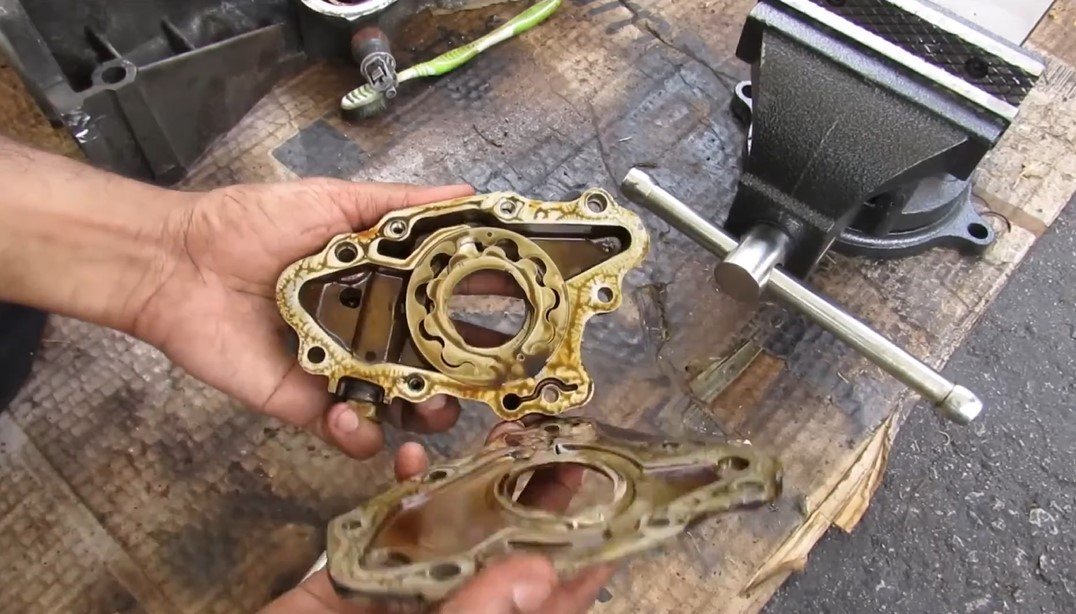
Some modern vehicles also use electronically controlled oil pressure systems. In those cases, a control valve, solenoid, or related circuit problem may affect oil pressure. If the vehicle stores an oil-pressure-related code such as P06DE code, that code should be diagnosed rather than simply cleared.
A failing oil pump is one of the oil light on causes where driving can turn a repairable issue into a ruined engine.
7. Internal Engine Wear or Worn Bearings
As engines age, internal clearances can increase. Worn crankshaft bearings, camshaft bearings, or other internal parts can allow oil to escape too easily inside the engine. When that happens, oil pressure may drop, especially at idle when the pump is turning slowly.
This often shows up as an oil light flickering at hot idle, then going away when you rev the engine. The oil level may be full, the sensor may be working, and the filter may be fine, but the engine can no longer hold pressure properly.

Other signs may include deep knocking from the lower engine, low oil pressure when hot, metal particles in the oil, high mileage, poor maintenance history, or an oil light that appears only after long drives.
This is usually one of the more expensive oil light on causes because it points to internal wear rather than an external part.
Oil Light On but Oil Level Is Full
If the oil light is on but the dipstick shows full, do not relax too quickly. A full oil level only tells you there is oil in the pan. It does not prove the engine has good oil pressure.
Possible reasons include a bad oil pressure sensor, clogged filter, restricted pickup screen, wrong oil viscosity, failing oil pump, worn bearings, wiring faults, or a pressure control system issue.
This is where guessing becomes risky. If you also have a check engine light, you can follow this guide on how to check engine light with scanner to see whether any related code is stored. But even if no code appears, the next step should still be an oil pressure test.
If actual pressure is normal, the sensor or circuit may be the issue. If actual pressure is low, the engine should not be driven until the cause is found.
Oil Light Flickers at Idle
An oil light that flickers at idle often points to pressure that is right on the edge. When the engine idles, the oil pump spins slower. If the oil is hot and thin, the engine is worn, the level is low, or the pickup is restricted, pressure can drop low enough to trigger the light.
If the light disappears when you accelerate, that does not mean the issue is harmless. It means pressure rises with RPM, but may still be too low at idle. A flickering oil light deserves quick diagnosis.
Oil Light After an Oil Change
If the oil light appears right after an oil change, shut the engine off and check the basics.
The engine may be underfilled, overfilled, using the wrong oil viscosity, or fitted with the wrong oil filter. The oil filter may be loose, double-gasketed, defective, or not sealing properly. The drain plug may also be loose.
A brief light for a second after startup can happen while oil pressure builds, but a light that stays on is not normal. Do not assume the shop did everything correctly. Check the oil level and look for leaks first.
Can You Drive With the Oil Light On?
If the red oil light stays on, the safest answer is no. You may be able to move the vehicle a very short distance to get out of traffic, but continuing to drive can destroy the engine.
The risk depends on the cause, but you do not know the cause until it is checked. Low oil pressure can damage bearings, camshaft surfaces, timing components, turbochargers, and other expensive parts. A tow bill is usually cheaper than an engine replacement.
Common Mistakes Drivers Make
The biggest mistake is confusing the oil pressure light with an oil change reminder. They are not the same thing.
Another mistake is checking the dipstick, seeing oil, and assuming the engine is safe. Again, oil level and oil pressure are related but not identical.
Drivers also sometimes clear codes, reset maintenance reminders, or keep driving because the engine “sounds fine.” If you do scan the vehicle, use the code as a clue, not the full diagnosis. This OBD2 codes list can help explain what codes usually mean, but the oil pressure warning still needs real pressure verification when the light stays on.
What a Mechanic Will Check
A proper diagnosis usually starts with the oil level, oil condition, and leak inspection. Then the technician may check the oil filter, verify the correct oil viscosity, inspect the sensor connector, scan for related codes, and test actual oil pressure with a mechanical gauge.
If you are doing the first scan yourself, this guide on how to use OBD2 scanner can help with the basic process. But for an active red oil pressure light, scanning should not replace the physical oil pressure test.
If pressure is low, deeper checks may include the oil pump, pickup tube, pressure relief valve, bearing clearance, and internal engine condition. If pressure is normal, the focus shifts toward the sensor, wiring, instrument cluster, or control circuit.
Final Takeaway
The oil warning light is not a reminder to handle later. It is a warning that your engine may not be getting the oil pressure it needs.
The most common oil light on causes include low oil level, leaks, wrong or degraded oil, clogged filters, bad sensors, failing oil pumps, and internal engine wear. Some are simple. Some are severe. The problem is that the dashboard light alone cannot tell you which one you have.
Pull over, check the oil level, look for leaks, and listen to the engine. If the red oil light stays on, shut the engine off and get it diagnosed before driving again.