
Black smoke from the exhaust is usually not an exhaust pipe problem. It is a combustion problem.
Most of the time, the engine is getting too much fuel, not enough air, or wrong information from a sensor. When fuel does not burn cleanly, it leaves carbon soot behind. That soot is what you see as dark smoke from the tailpipe.
This is why black smoke is different from white smoke or blue smoke. White smoke often points toward condensation, steam, or coolant. Blue-gray smoke usually points toward oil burning. Black smoke usually points toward a rich fuel mixture or soot-heavy combustion.
The tricky part is that several parts can cause the same symptom. So the best way to understand black smoke from exhaust causes is to look at when the smoke appears, how the engine runs, and what the scan data shows.
Black Smoke From Exhaust Causes: What the Smoke Is Telling You
A gasoline engine needs a controlled air-fuel mixture. If there is too much fuel for the amount of air entering the engine, the mixture becomes rich. The engine may still run, but it will not burn fuel cleanly.
That can cause black smoke, poor fuel economy, fuel smell, rough idle, and sooty spark plugs. If the condition continues, it can damage the catalytic converter and foul oxygen sensors. It can also overlap with a car using too much fuel problem, because a rich engine often wastes fuel long before the driver understands why.
Diesel engines are different, but the basic idea is similar. Black diesel smoke means too much soot is being produced or not enough soot is being trapped. A small puff under heavy load on an older diesel may not be unusual. Thick or constant smoke, especially on a modern diesel with a DPF, is a warning sign.
So instead of guessing the part, read the pattern first.
First, Notice When the Smoke Happens
Black smoke at idle often points toward too much fuel entering the engine at all times. A leaking injector, high fuel pressure, bad sensor reading, or purge valve issue can cause that. If the scan shows a rich-at-idle fault, a code like P2188 can help narrow the direction.
Black smoke when accelerating often points toward an airflow or load problem. The engine may demand more air, but the intake, MAF sensor, turbo, boost pipe, or diesel EGR/DPF system may not be keeping up.
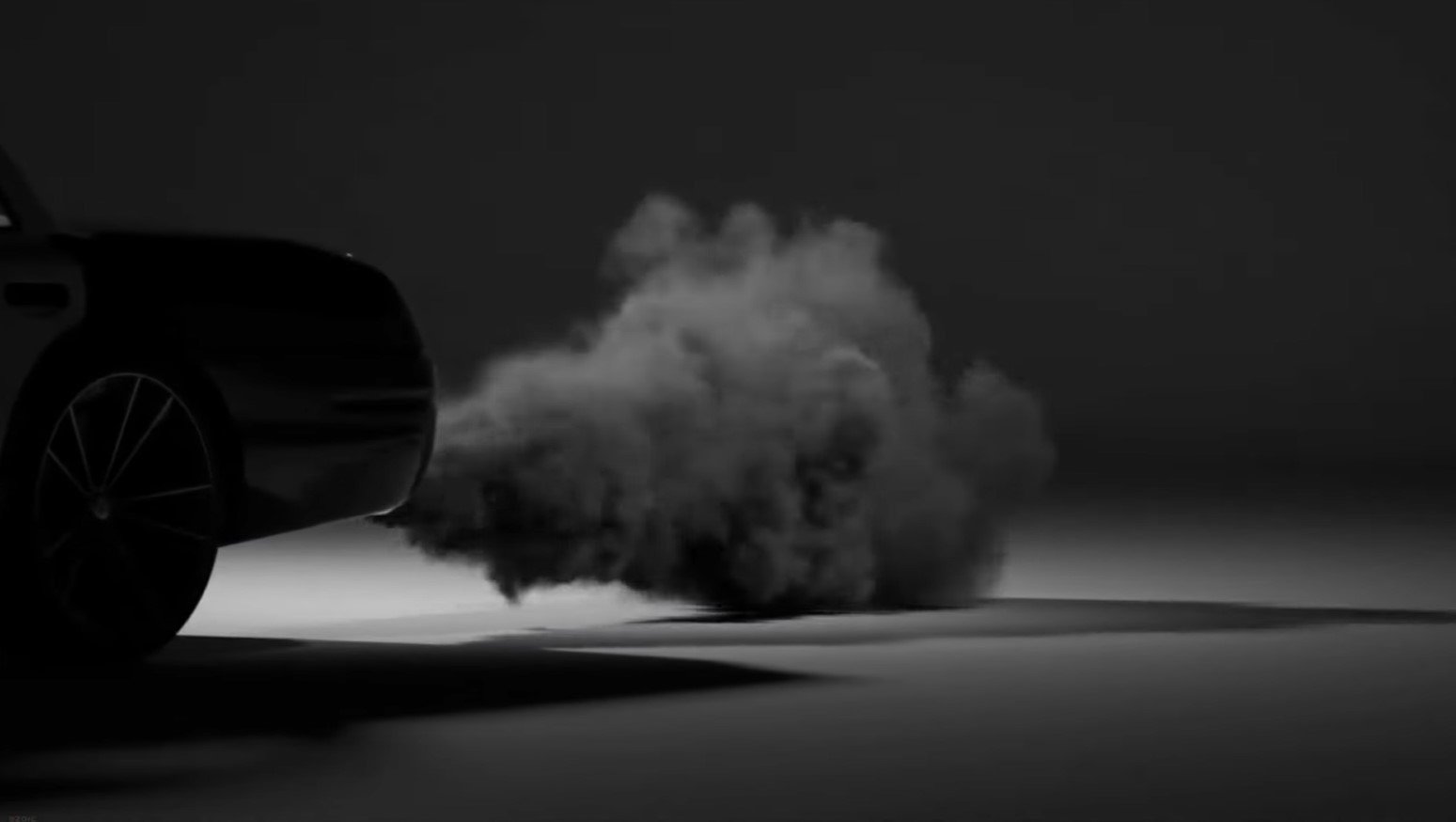
Black smoke only on startup can happen when extra fuel enters the engine before or during starting. A dripping injector or wrong coolant temperature reading can be involved.
Black smoke all the time is more serious. That usually means the engine is staying rich long enough to waste fuel, foul plugs, and stress the catalytic converter.
This smoke pattern is the first clue before checking the common black smoke from exhaust causes below.
1. Restricted Air Filter or Intake
A dirty air filter can make the engine run rich because the engine is not getting enough air.
The fuel system may still deliver fuel normally, but if airflow is restricted, the fuel cannot burn cleanly. That leaves soot in the exhaust. You may notice weak acceleration, poor fuel economy, and black smoke when pressing the gas.

Check more than the air filter. Look at the air box, intake duct, clamps, and any collapsed or loose hose. A blockage before the throttle body can create the same result.
This is one of the easiest black smoke from exhaust causes to check first because it is simple, cheap, and visible.
2. Bad MAF or MAP Sensor
The engine computer depends on airflow data.
The MAF sensor measures how much air enters the engine. The MAP sensor helps estimate engine load and pressure. If either one gives the wrong information, the computer may command more fuel than the engine actually needs.
A dirty MAF sensor can cause rich running, hesitation, rough idle, poor MPG, and black smoke. Codes like P0101, P0102, P0103, or P0106 may appear, but sometimes the readings are simply inaccurate without a very obvious failure.

Do not replace the sensor only because it is mentioned in a code. Check live data, fuel trims, and intake condition first. A contaminated sensor, air leak, or wiring issue can all confuse the diagnosis.
3. Leaking Fuel Injector
A fuel injector should spray a controlled amount of fuel. If it leaks, sticks open, or drips after shutdown, extra fuel enters one cylinder.
That extra fuel may not burn completely. The result can be black smoke, fuel smell, rough idle, hard start, misfire, and poor fuel economy. One spark plug may look darker or wetter than the others.
A leaking injector can also wash oil from the cylinder wall and dilute engine oil if the leak is bad enough. That makes this more than a fuel economy issue.
This is one of the more serious black smoke from exhaust causes, especially when smoke appears at idle or after startup with a strong fuel smell.
4. High Fuel Pressure
Even good injectors can overfuel the engine if fuel pressure is too high.
On some systems, a bad fuel pressure regulator can let pressure climb. On newer returnless systems, the fuel rail pressure sensor, pump control, or wiring can affect pressure. When pressure is too high, each injector pulse delivers more fuel than expected.

Common signs include black smoke, rich codes, hard starting, poor MPG, and a strong fuel smell. Codes like P0172, P0175, or fuel rail pressure codes may appear.
This problem needs testing. A scan tool or fuel pressure gauge can confirm whether pressure is within spec. Without that test, it is easy to blame the injectors or oxygen sensors by mistake.
5. Faulty Oxygen Sensor or Fuel Trim Problem
The upstream oxygen sensor helps the computer adjust fuel mixture. If the signal is wrong, the computer may add too much fuel.
But this is where many people make a mistake. A rich code or oxygen sensor code does not always mean the oxygen sensor is bad. Sometimes the sensor is only reporting what it sees: too much fuel in the exhaust.
A leaking injector, high fuel pressure, dirty MAF sensor, restricted intake, or bad coolant temperature reading can all make the exhaust rich. The oxygen sensor may be doing its job.
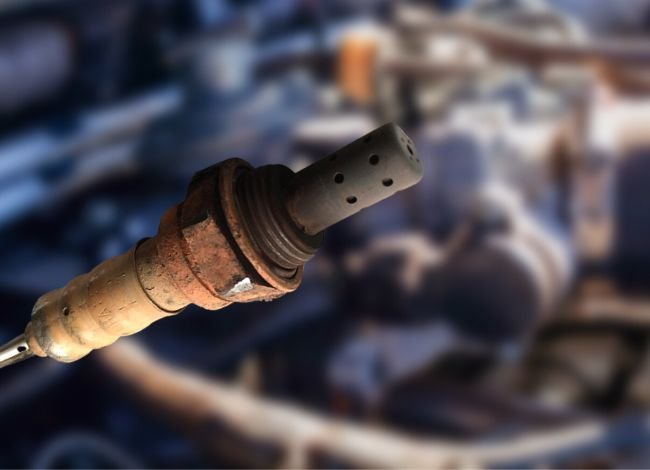
That is why fuel trim data matters. If the computer is constantly trying to subtract fuel, the engine is likely running rich. The cause may be somewhere upstream from the O2 sensor. If you want to confirm sensor behavior instead of guessing, bad O2 sensor live data readings can help show what a suspicious reading may look like.
6. Bad Coolant Temperature Sensor
A cold engine needs extra fuel. A warm engine does not.
The coolant temperature sensor tells the computer how warm the engine is. If the sensor reads too cold after the engine is already warm, the computer may keep adding extra fuel. That can create black smoke, high idle, hard warm starts, fuel smell, and poor fuel economy.
This issue can hide because the dashboard temperature gauge may look normal while the ECU data is wrong. The better check is live data from a scan tool.
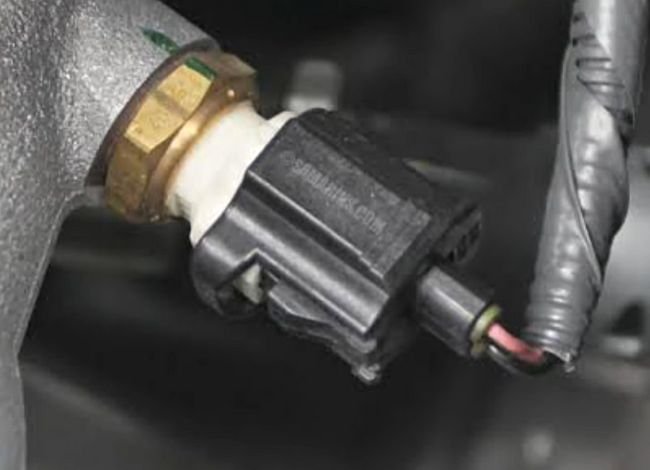
If the scanner shows an unrealistic coolant temperature, check the sensor, wiring, connector, and thermostat behavior. This is not the most common cause, but it belongs on the list of black smoke from exhaust causes because it can make a warm engine act like it is still cold.
7. Diesel EGR, DPF, Turbo, or Boost Issue
Diesel black smoke needs a slightly different approach.
A diesel engine can produce black smoke when it gets too much fuel, not enough air, or cannot control soot properly. Common causes include a clogged air intake, stuck EGR valve, leaking boost hose, turbo underboost, bad diesel injector, or DPF issue.
Be careful with the DPF explanation. A clogged DPF usually traps soot and creates backpressure or regeneration problems. If visible black smoke is coming out of a modern diesel, the engine may be producing too much soot, the DPF may be damaged, overloaded, removed, or not functioning properly.
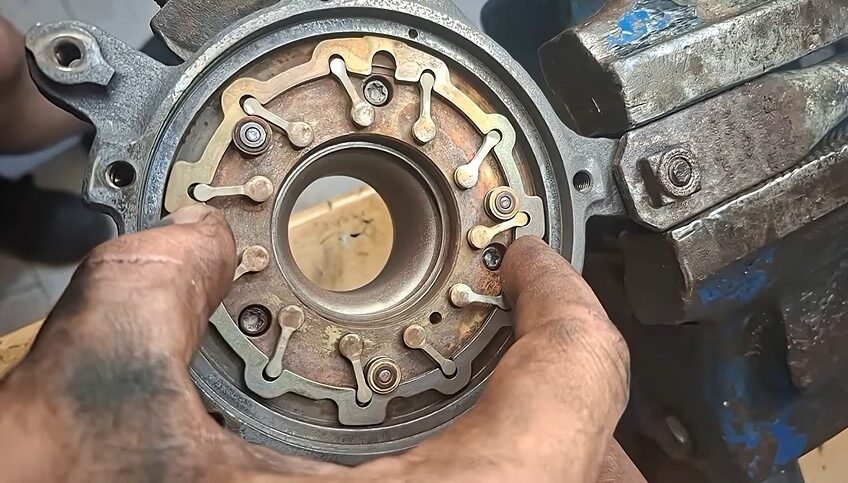
Turbo problems can also cause smoke under acceleration. If the engine is fueling for boost but the turbo system is leaking air, the engine runs smoke-heavy under load. Low power, hissing sounds, limp mode, or a P0299 code can point in that direction.
For diesel vehicles, these black smoke from exhaust causes should be checked before repeated driving makes the emissions system more expensive to repair.
Is It Safe to Drive With Black Smoke?
Light, brief smoke may not mean the engine is about to fail, but black smoke should not be ignored.
On gasoline engines, rich running can overheat the catalytic converter, foul spark plugs, damage oxygen sensors, waste fuel, and contaminate engine oil. If the check engine light is flashing, avoid driving because a severe misfire can damage the catalytic converter quickly.
On diesel engines, heavy black smoke with low power, DPF warnings, limp mode, or boost codes should be diagnosed soon. Continuing to drive can make soot and regeneration problems worse.
If there is a strong raw fuel smell, rough running, or heavy smoke, it is better to stop and diagnose instead of hoping it clears itself.
What to Check First
Start with simple airflow checks. Inspect the air filter, air box, intake hose, and clamps. Then scan for codes before clearing anything. If you are not sure where to begin, this guide on how to check engine light with scanner fits naturally before clearing codes or replacing parts.
After that, look at live data:
- Short-term and long-term fuel trims
- MAF or MAP readings
- Coolant temperature
- Upstream O2 sensor behavior
- Misfire counters
- Fuel pressure data
- Diesel boost pressure, EGR data, and DPF pressure if applicable
Codes help, but they do not replace testing. Black smoke tells you the mixture is not burning cleanly. Live data helps explain why. If you are using a scan tool, learning how to read live data from OBD-II scanners can make this diagnosis much easier.
Common Codes Linked With Black Smoke
Black smoke may appear with:
- P0172: System Too Rich Bank 1
- P0175: System Too Rich Bank 2
- P0101: MAF Range/Performance
- P0102/P0103: MAF low or high input
- P0130-P0135: O2 sensor circuit issues
- P0201-P0208: Injector circuit codes
- P0190-P0193: Fuel rail pressure sensor codes
- P0299: Turbo underboost
- P0401/P0402: EGR flow issues
- P0300-P0308: Misfire codes
The code points to a system. It does not always name the failed part. If several codes are stored together, an OBD2 codes list can help separate rich-condition codes from sensor, injector, boost, and misfire codes.
Common Misdiagnoses
Do not replace the oxygen sensor just because the car has a rich code.
Do not assume oil smoke is black smoke. Oil smoke is usually blue-gray and may smell burnt, not like raw fuel.
Do not assume diesel black smoke is always normal. A small puff on an older diesel is one thing. Thick smoke from a modern diesel is different.
Do not clear codes before checking freeze-frame data. That data can show whether the fault happened at idle, startup, cruise, or acceleration. If you are not used to reading it, how to read freeze frame data is especially useful before erasing anything.
And do not skip the air filter. It is basic, but it is still one of the simplest black smoke from exhaust causes to rule out.
Final Takeaway
Black smoke from the exhaust usually means the engine is running rich or producing too much soot. The cause may be as simple as a clogged air filter or as serious as a leaking injector, high fuel pressure, turbo issue, or diesel DPF/EGR problem.
The smartest path is to start with airflow, scan the codes, read fuel trims and live data, then test fuel pressure and injectors if needed.
Black smoke is not always catastrophic, but it is a warning. Ignore it long enough, and the problem can move from wasted fuel to damaged plugs, sensors, catalytic converter, or diesel emissions parts.