
Spark plugs are small parts, but when they stop firing properly, the whole engine can feel different. The car may shake at idle, hesitate when you press the gas, take longer to start, burn more fuel, or trigger a check engine light.
The tricky part is this: Bad Spark Plugs symptoms often look almost the same as ignition coil problems, fuel injector issues, vacuum leaks, low compression, or dirty sensors. A misfire code can tell you which cylinder is unhappy, but it does not automatically prove the spark plug is bad.
That is why this guide is not just another list of symptoms. You will learn what bad spark plugs feel like, what OBD2 codes may appear, what to check on a scanner, what the spark plug tip can tell you, and how to avoid replacing parts blindly.
Quick Answer: What Are Bad Spark Plugs Symptoms?
The most common Bad Spark Plugs symptoms are rough idle, engine misfire, hard starting, poor acceleration, poor fuel economy, check engine light, and hesitation or uneven RPM.
Here is the fast version:
| Symptom | What You May Notice |
|---|---|
| Rough idle | Engine shakes or feels uneven at a stop |
| Misfire | Car jerks, sputters, or vibrates |
| Hard starting | Longer crank before engine starts |
| Poor acceleration | Slow response when pressing the gas |
| Poor fuel economy | More fuel used than normal |
| Check engine light | Often misfire-related codes |
| Hesitation or surging | RPM feels unstable or uneven |
If the check engine light is flashing, do not treat it like a small maintenance reminder. A flashing light usually means an active misfire, and driving like that can damage the catalytic converter.
What Spark Plugs Actually Do
In a gasoline engine, each spark plug creates the spark that ignites the air-fuel mixture inside the cylinder. That combustion pushes the piston down and creates power.
When the spark is strong and timed correctly, the engine runs smoothly. When the spark is weak, delayed, inconsistent, or missing, that cylinder may not burn fuel properly. That is when you start feeling rough running, poor power, bad mileage, or misfire symptoms.
Spark plugs can cause trouble for several reasons:
- The electrode is worn.
- The spark plug gap is too wide or incorrect.
- The plug is fouled with carbon, oil, or fuel.
- The ceramic insulator is cracked.
- The wrong plug type is installed.
- The plug is overheated or damaged.
- The plug is loose, over-tightened, or installed incorrectly.
Sometimes the spark plug is only the victim. A rich fuel mixture, leaking injector, worn piston rings, valve cover gasket leak, or bad ignition coil can damage or foul the plug. That is why looking at the plug condition matters.
Bad Spark Plugs symptoms: 7 Signs You Should Check First
Bad Spark Plugs symptoms usually show up in how the engine starts, idles, accelerates, and burns fuel. Some symptoms are obvious. Others are subtle and only show up under load, during cold starts, or when the engine is idling.
1. Rough Idle Or Engine Shaking
A healthy engine should idle smoothly. If the car shakes at stoplights, the steering wheel vibrates, or the engine feels uneven in park, a weak spark plug may be causing one cylinder to misfire or fire poorly.
A worn or fouled spark plug may still work sometimes, but not cleanly. At idle, the engine has less momentum, so even a small combustion problem becomes easier to feel.
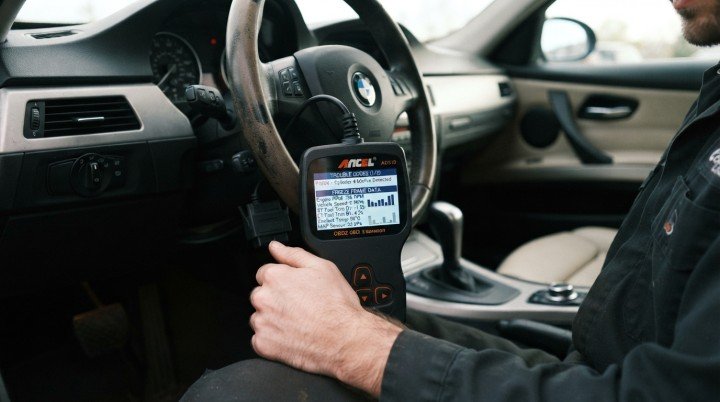
You may notice:
- Shaking while stopped
- Rough idle after cold start
- Uneven engine sound
- RPM dipping up and down
- Vibration that improves when driving
But rough idle does not always mean spark plugs. A vacuum leak, dirty throttle body, weak coil, bad injector, low compression, or incorrect air-fuel mixture can create the same feeling.
What to check first:
- Scan for stored and pending misfire codes.
- Check if the misfire is cylinder-specific.
- Look at misfire counters if your scanner supports them.
- Inspect the spark plug condition.
- Check the ignition coil or plug wire for that cylinder.
If the rough idle comes with a cylinder-specific code like P0302, that cylinder should be diagnosed first.
2. Engine Misfire
A misfire is one of the strongest Bad Spark Plugs symptoms. It happens when a cylinder does not burn the air-fuel mixture correctly. The engine may jerk, stumble, shake, or feel like it skips a beat.
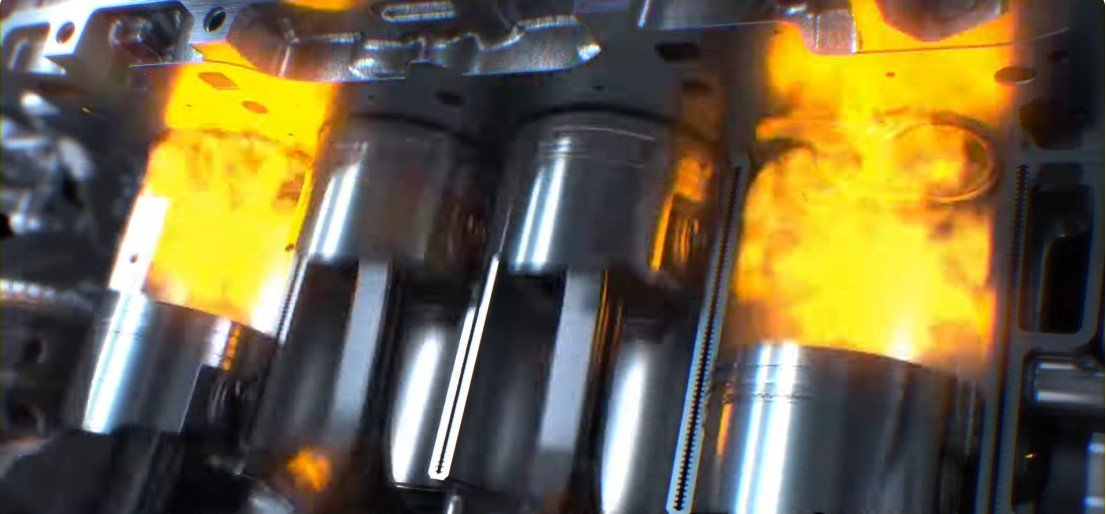
Common misfire codes include:
P0300: Random or multiple cylinder misfireP0301: Cylinder 1 misfireP0302: Cylinder 2 misfireP0303-P0308: Cylinder-specific misfire
A bad spark plug can cause a misfire because the spark is too weak to ignite the mixture. But a misfire can also come from a bad ignition coil, faulty fuel injector, vacuum leak, low fuel pressure, compression problem, or wiring issue.
A useful diagnosis method is the swap test.
If cylinder 3 has a misfire, you can move the spark plug from cylinder 3 to another cylinder and see if the misfire follows the plug. If the misfire moves, the plug is likely the problem. If the misfire stays on cylinder 3, the issue may be the coil, injector, wiring, compression, or something affecting that cylinder.
Do the same carefully with ignition coils if the engine uses coil-on-plug ignition. If the misfire follows the coil, the coil is more likely the issue.
A flashing check engine light during a misfire is serious. It means unburned fuel may be entering the exhaust and overheating the catalytic converter.
3. Hard Starting Or Long Crank
Bad spark plugs can make the engine harder to start, especially when cold. The starter may crank normally, but the engine takes longer to fire up.
This happens because old or fouled plugs may not create a strong spark when the engine needs it most. Cold starts require a good spark, proper fuel delivery, and enough compression. If the spark is weak, the engine may crank longer before it catches.

You may notice:
- Long crank in the morning
- Engine starts, then stumbles
- Start-up feels rough for a few seconds
- Occasional crank-no-start
- Strong fuel smell after repeated starting attempts
However, hard starting can also come from a weak battery, starter issue, low fuel pressure, bad crankshaft position sensor, purge valve issue, or leaking fuel injector.
How to separate it:
- If the engine cranks slowly, check battery and starter first.
- If it cranks normally but takes time to start, scan for codes.
- If there is a fuel smell, check for flooding or injector leak.
- If a misfire appears right after start-up, inspect plugs and coils.
Spark plugs are one possible cause, but they should not be the only part you check.
4. Poor Acceleration
If your car feels sluggish when you press the accelerator, worn spark plugs may be failing under load. A weak plug might idle acceptably but break down when cylinder pressure rises during acceleration.

This is why some drivers feel the problem most when:
- Merging onto the highway
- Going uphill
- Accelerating from low speed
- Passing another vehicle
- Driving with passengers or extra load
The engine may hesitate, stumble, or feel like it is working harder than normal. A bad spark plug can cause incomplete combustion, which means the engine does not turn fuel into power efficiently.
Scanner clues can help here. Check freeze-frame data to see when the misfire happened. If the misfire happened under load, at higher RPM, or during acceleration, ignition breakdown is possible.
But poor acceleration can also come from a clogged catalytic converter, dirty MAF sensor, fuel delivery problem, transmission issue, or turbo/boost issue on some vehicles. That is why live data matters.
Check:
- Misfire counters under load
- MAF or MAP readings
- Short-term and long-term fuel trims
- Fuel pressure if available
- Throttle position data
- Pending codes
If the engine misfires under load and the spark plug is worn, cracked, or incorrectly gapped, replacing the plug may solve it. If the plug looks wet, oily, or unusually white, look deeper.
5. Poor Fuel Economy
Bad Spark Plugs symptoms often show up as poor fuel economy. When a spark plug does not ignite the mixture properly, fuel does not burn completely. The engine may compensate, performance drops, and fuel use increases.
You may notice:

- More frequent fill-ups
- Lower miles per gallon
- Fuel smell from exhaust
- Rough idle plus poor mileage
- Check engine light with misfire codes
A worn spark plug can waste fuel, but poor fuel economy is not always an ignition problem. A stuck thermostat, bad oxygen sensor, dirty air filter, low tire pressure, dragging brake, leaking injector, or rich fuel condition can also cause poor mileage.
This is where fuel trims help.
- Positive fuel trim means the computer is adding fuel.
- Negative fuel trim means the computer is removing fuel.
- Large positive or negative numbers suggest the air-fuel mixture is not where it should be.
If the only issue is old plugs, fuel trims may not be extreme. If trims are very abnormal, look for fuel delivery, vacuum leak, sensor, or injector problems too.
6. Check Engine Light Or Flashing Check Engine Light
A check engine light is one of the most common Bad Spark Plugs symptoms, but the code may not say “spark plug” directly. Most of the time, a spark plug problem appears as a misfire code.

Important OBD2 codes include:
| Code | Meaning | How It Relates |
|---|---|---|
P0300 |
Random/multiple misfire | Multiple cylinders misfiring |
P0301-P0308 |
Cylinder-specific misfire | Plug, coil, injector, compression, or wiring issue |
P0171/P0174 |
Lean condition | Lean mixture can cause misfires |
P0172/P0175 |
Rich condition | Rich mixture can foul plugs |
P0420 |
Catalyst efficiency | Long-term misfire can damage converter |
Before clearing the codes, save freeze-frame data. Freeze-frame shows what was happening when the code was set.
Look for:
- Engine RPM
- Vehicle speed
- Engine load
- Coolant temperature
- Fuel trims
- Throttle position
- Whether the engine was cold or warm
A misfire at cold idle gives a different clue than a misfire under highway load.
A flashing check engine light means the misfire is active and serious. If that happens, reduce driving and diagnose the problem quickly.
7. Hesitation, Surging, Or Uneven RPM
A weak spark can make the engine hesitate or surge. The car may feel like it cannot decide how much power to make. You press the gas, but the response is not smooth.
This may feel like:
- Light jerking at steady speed
- RPM rising and falling slightly
- Hesitation when leaving a stop
- Small stumble during acceleration
- Intermittent misfire that comes and goes
Intermittent symptoms are harder to diagnose because they may not always set a code. That is why pending codes and live misfire counters are useful. Some scanners can show misfires before the check engine light turns on.
If there are no codes, inspect the plugs based on mileage, condition, and maintenance history. If the plugs are old, worn, or fouled, they may be due anyway.
OBD2 Scanner Checks Before Replacing Spark Plugs
A basic OBD2 scanner can save you from guessing. A better scanner with live data and misfire counters can help even more.
Check these before buying parts:
Stored Codes
Stored codes are confirmed faults. If you see P0301, the ECU has detected a misfire on cylinder 1.
Pending Codes
Pending codes are early warnings. They may show problems before the check engine light turns on.
Freeze-Frame Data
This tells you when the problem happened. Cold start? Idle? High load? Highway speed? That detail matters.
Misfire Counters
Misfire counters can show which cylinder is misfiring and when. If cylinder 4 counts misfires only under acceleration, that gives a better direction than a generic rough idle complaint.
Fuel Trims
Fuel trims help you see whether the engine is running lean or rich. Bad plugs can create misfires, but air-fuel problems can also foul plugs or cause misfire codes.
Mode 6 Data
Some scanners show Mode 6 misfire test data. This can help find weak cylinders before a code fully sets, but the data can be manufacturer-specific and may be harder to interpret.
Spark Plug, Ignition Coil, Fuel Injector, Or Compression?
The worst mistake is replacing spark plugs only because a misfire code appears. A misfire code tells you where the problem is happening, not exactly why.
Use this guide:
| Clue | More Likely Cause |
|---|---|
| Misfire follows spark plug after swapping | Bad spark plug |
| Misfire follows ignition coil after swapping | Bad ignition coil |
| Plug is wet with fuel | No spark, flooding, or injector issue |
| Plug is oily | Oil entering cylinder or plug tube |
| Compression is low | Mechanical engine problem |
| Fuel trim is very positive | Lean condition or fuel delivery issue |
| Fuel trim is very negative | Rich condition or leaking injector |
| Plug ceramic is cracked | Replace spark plug |
| Electrode is badly worn | Replace spark plug |
| Oil in plug well | Valve cover gasket or tube seal issue |
A cylinder needs spark, fuel, air, compression, and correct timing. If one of those is missing, the engine can misfire.
What A Bad Spark Plug Looks Like
Visual inspection can tell you a lot. Remove plugs only when the engine is cool, and be careful not to drop debris into the cylinder.
| Spark Plug Appearance | What It May Mean |
|---|---|
| Light tan or gray | Usually normal |
| Black dry carbon | Rich mixture, weak spark, too much idling |
| Wet with fuel | No spark, flooding, injector issue |
| Oily deposits | Oil leak, worn rings, valve seals, plug tube leak |
| White or blistered tip | Overheating, lean condition, wrong heat range |
| Worn rounded electrode | Old plug, wide gap |
| Cracked ceramic | Replace immediately |
| Heavy deposits | Oil, additives, fuel quality, or long service interval |
Bad Spark Plugs symptoms become more believable when the plug condition matches the complaint. For example, a rough idle with a cracked plug on the same cylinder as a misfire code is a strong clue. But a clean plug with normal wear may point you somewhere else.
Can You Drive With Bad Spark Plugs?
Sometimes you can drive a short distance with weak spark plugs, but it depends on how bad the symptoms are.
You should avoid unnecessary driving if:
- The check engine light is flashing.
- The engine is shaking badly.
- The car has poor power.
- You smell raw fuel.
- The misfire happens under load.
- The exhaust smells rich.
- The car is hard to start repeatedly.
A misfire can send unburned fuel into the exhaust. That can overheat and damage the catalytic converter. It can also make the engine run rough enough to stress other ignition components.
If the light is steady and the engine runs mostly normal, you may be able to drive carefully to a repair shop. But do not ignore the problem for weeks.
What To Check Before Replacing Spark Plugs
Before replacing spark plugs, check these items:
- Vehicle maintenance history
- Correct spark plug type
- Correct gap if the plug requires checking
- Ignition coil condition
- Spark plug wires if equipped
- Oil in the spark plug tubes
- Injector problems
- Vacuum leaks
- Fuel pressure issues
- Compression on the affected cylinder
- Related OBD2 codes
Also check whether your engine has special spark plug removal procedures. Some engines are known for plugs seizing, breaking, or requiring careful torque and removal methods. If access is difficult or the plugs feel stuck, forcing them can create a much more expensive repair.
Spark Plug Replacement Tips
If the diagnosis points to worn or bad spark plugs, replacement is usually straightforward on many cars, but details matter.
Use these tips:
- Use the spark plug type recommended for your vehicle.
- Do not install random “upgrade” plugs without checking compatibility.
- Let the engine cool before removal.
- Blow debris away from the plug wells before removing plugs.
- Avoid cross-threading.
- Use the correct torque.
- Check gap only if the manufacturer says the plug can be gapped.
- Replace damaged boots or wires if needed.
- Clear codes after repair.
- Test drive and recheck for pending codes.
If the old plug is oily, wet, or unusually colored, do not ignore that clue. Replacing the plug may temporarily improve the symptom, but the real cause can return.
Common Mistakes To Avoid
Many people replace spark plugs too quickly without checking the pattern. That can work if the plugs are simply old, but it can also waste money.
Avoid these mistakes:
- Replacing plugs without reading codes
- Clearing codes before saving freeze-frame data
- Ignoring pending codes
- Assuming every misfire is a spark plug
- Replacing coils and plugs together without diagnosis
- Ignoring oil in spark plug wells
- Installing the wrong plug type
- Using the wrong gap
- Over-tightening spark plugs
- Ignoring a flashing check engine light
The better approach is simple: scan first, inspect second, replace last.
FAQ About Bad Spark Plugs Symptoms
What are the first Bad Spark Plugs symptoms?
The first Bad Spark Plugs symptoms are often rough idle, poor acceleration, slight hesitation, hard starting, reduced fuel economy, or a check engine light with misfire codes.
Can bad spark plugs cause a check engine light?
Yes. Bad spark plugs can cause misfire codes such as P0300 or P0301-P0308. A flashing check engine light usually means an active misfire that should be diagnosed quickly.
Can bad spark plugs cause poor acceleration?
Yes. Worn or fouled plugs may fail under load, causing hesitation, weak acceleration, or misfire during uphill driving or highway merging.
Can bad spark plugs cause bad gas mileage?
Yes. If the spark is weak, combustion may be incomplete. That can waste fuel and reduce mileage. But fuel injectors, oxygen sensors, tire pressure, and other issues can also hurt fuel economy.
How do I know if it is a spark plug or ignition coil?
If your engine has a cylinder-specific misfire, swap the spark plug with another cylinder and see if the misfire follows. You can also swap the ignition coil if accessible. If the misfire follows the coil, the coil is likely bad. If it follows the plug, the plug is likely bad.
Can I drive with bad spark plugs?
You may be able to drive short distances if the engine runs mostly normal. But if the check engine light is flashing, the engine shakes badly, or there is a strong fuel smell, avoid driving until it is diagnosed.
How often should spark plugs be replaced?
It depends on the vehicle and plug type. Some plugs may need replacement around 30,000 miles, while others can last much longer. Always check the owner’s manual or service schedule for your specific vehicle.
Final Thoughts
Bad Spark Plugs symptoms can be simple to feel but easy to misdiagnose. Rough idle, misfire, hard starting, poor acceleration, poor fuel economy, check engine light, and hesitation can all point toward worn spark plugs, but they can also come from coils, injectors, vacuum leaks, fuel pressure issues, or compression problems.
Start with an OBD2 scan. Save the codes and freeze-frame data. Check misfire counters if your scanner has them. Then inspect the spark plugs and compare the plug condition with the cylinder showing trouble.
If the plug is worn, fouled, cracked, incorrectly gapped, or contaminated, replacement may fix the issue. If the plug is only showing signs of a deeper problem, find the cause before the new plug becomes damaged too.
The goal is not just to replace spark plugs. The goal is to confirm why the engine is running poorly and fix the right problem the first time.