
Ignition coil problems can start quietly.
At first, the car may only shake a little at a stoplight. Then it may jerk when you press the gas. A few days later, the check engine light may flash for a moment, then disappear. Many drivers keep driving because the engine still starts and the car still moves.
But that small misfire can turn into a bigger problem if the coil is weak enough to leave unburned fuel going into the exhaust.
On gasoline engines, an ignition coil has one main job: it turns low battery voltage into the high voltage needed to fire the spark plug. If the coil cannot create a strong, consistent spark, the air-fuel mixture inside that cylinder may not burn properly. That is when the classic bad ignition coil symptoms begin to show up.
The important part is not only noticing the symptoms. It is confirming the coil before replacing parts, because a bad spark plug, bad injector, vacuum leak, wiring issue, or low compression can feel almost the same from the driver’s seat.
Bad Ignition Coil Symptoms: The Signs That Usually Show Up First
The most common bad ignition coil symptoms are engine misfires, rough idle, a flashing or steady check engine light, jerking during acceleration, weak power, poor fuel economy, hard starting, fuel smell, backfiring, and sometimes stalling.
These symptoms happen because the cylinder is not burning fuel cleanly every time it should. Sometimes the problem is constant. Other times, the coil works when cold but starts failing after the engine gets hot.
That is why coil problems can feel confusing. The car may drive fine in the morning, then act rough after ten minutes. Or it may cruise smoothly but misfire when you climb a hill or press the gas harder.
1. Engine Misfire
A misfire is the biggest clue.
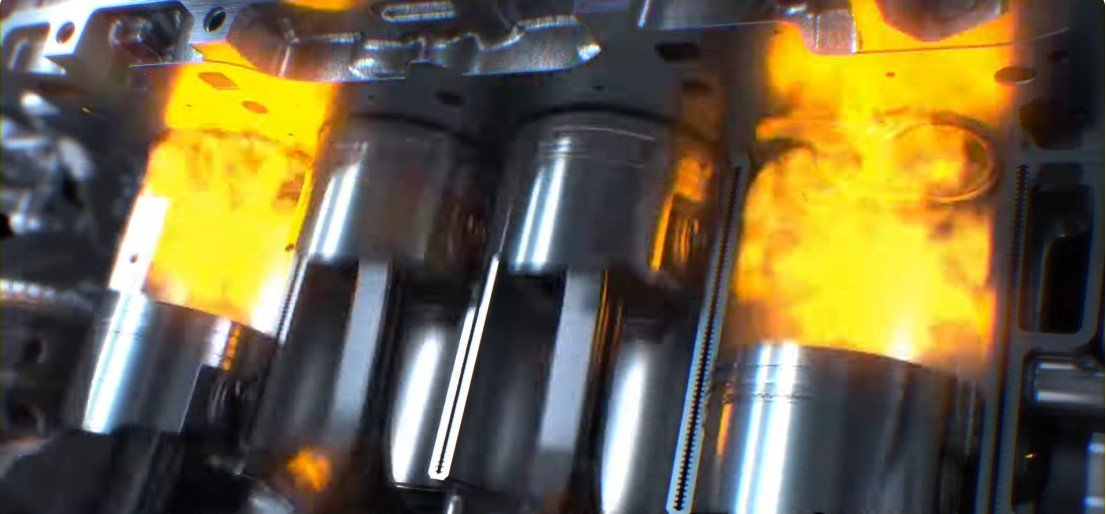
When an ignition coil gets weak, the spark plug may not fire strongly enough to burn the air-fuel mixture inside the cylinder. That cylinder may skip, stumble, or stop contributing power for a moment.
From the driver’s seat, it may feel like the engine drops a beat. The car may shake, hesitate, or feel uneven. On a four-cylinder engine, one weak cylinder can make the whole car feel rough. On a six-cylinder or V8 engine, the symptom may be softer at first, but it is still important.
A scan tool may show P0300 for random or multiple misfires. If the computer can identify the cylinder, it may show P0301, P0302, P0303, and so on. The last number usually points to the cylinder where the misfire was detected. If you are not sure how to understand those numbers, this OBD2 codes list and meaning guide can help.
But remember, a misfire code does not automatically mean the ignition coil is bad. It tells you where the problem is happening, not always why it is happening.
2. Flashing or Steady Check Engine Light
A check engine light is one of the most common bad ignition coil symptoms, especially on modern cars.
A steady check engine light usually means the computer has detected a fault and stored a code. The car may still run, but it needs diagnosis.
A flashing check engine light is more serious. It often means an active misfire is happening right now. If raw fuel keeps entering the exhaust, it can overheat and damage the catalytic converter. That repair can cost much more than an ignition coil.

If the light flashes while the car is shaking, bucking, or losing power, avoid hard acceleration. If the flashing continues, it is better to stop driving and get the car checked. If you want to scan it yourself first, here is a simple guide on how to check engine light with a scanner.
3. Rough Idle at Stoplights
A weak ignition coil often shows itself when the engine is idling.
At a stoplight, the engine may feel uneven. You may feel vibration through the steering wheel, seat, or floor. The RPM needle may move slightly up and down. The engine sound may change from smooth to lumpy.
Rough idle happens because one cylinder is not firing cleanly. At higher RPM, the roughness may feel less obvious because the engine is spinning faster. That can make the problem easy to ignore.
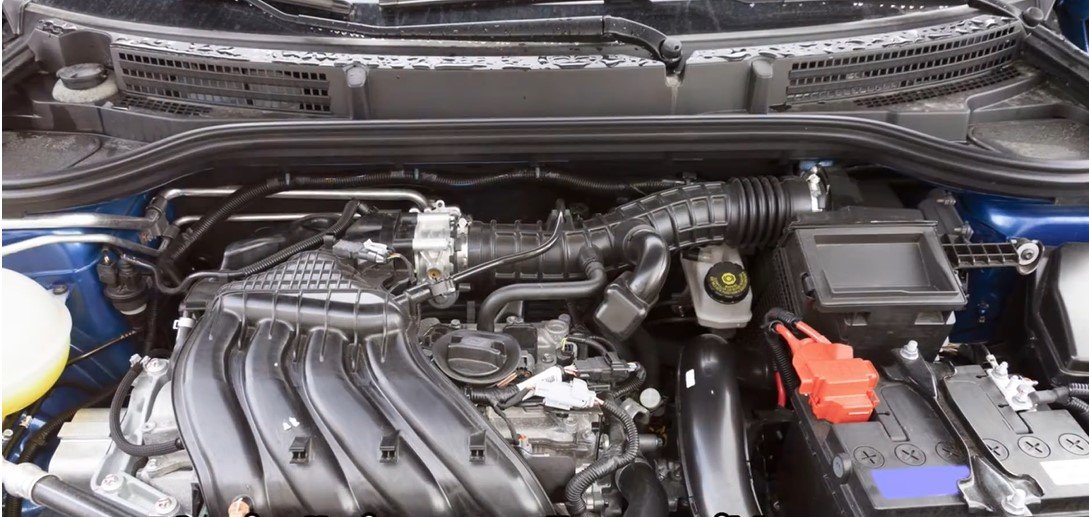
Still, rough idle is not proof of a bad coil by itself. A vacuum leak, dirty throttle body, bad spark plug, fuel injector issue, or engine compression problem can also cause a rough idle. A lean condition code like P0171 may point more toward extra air, vacuum leaks, or fuel mixture problems than the coil itself.
4. Jerking or Hesitation When Accelerating
A weak coil may act worse under load.
When you press the gas, cylinder pressure rises and the ignition system has to work harder. If the coil is already weak, it may fail right when the engine needs a strong spark most.
This can cause jerking, hesitation, stumbling, or a brief loss of power during acceleration. It may happen when pulling away from a stop, climbing a hill, merging onto the highway, or passing another car.

Many drivers mistake this for a fuel problem because it feels like the engine is not getting enough gas. Sometimes it is fuel-related. But when hesitation comes with a misfire code, rough idle, or flashing check engine light, the ignition system deserves attention.
5. Loss of Power
Another sign is a car that suddenly feels weaker than normal.
If one cylinder is not firing properly, the engine is not making full power. The car may feel heavy, lazy, or slow to respond. You may need to press the gas harder to get the same speed.
This symptom is easier to notice during uphill driving, highway acceleration, or when the vehicle is carrying extra weight. On turbocharged engines or high-load driving, a weak coil can show up even faster because the spark demand is higher.
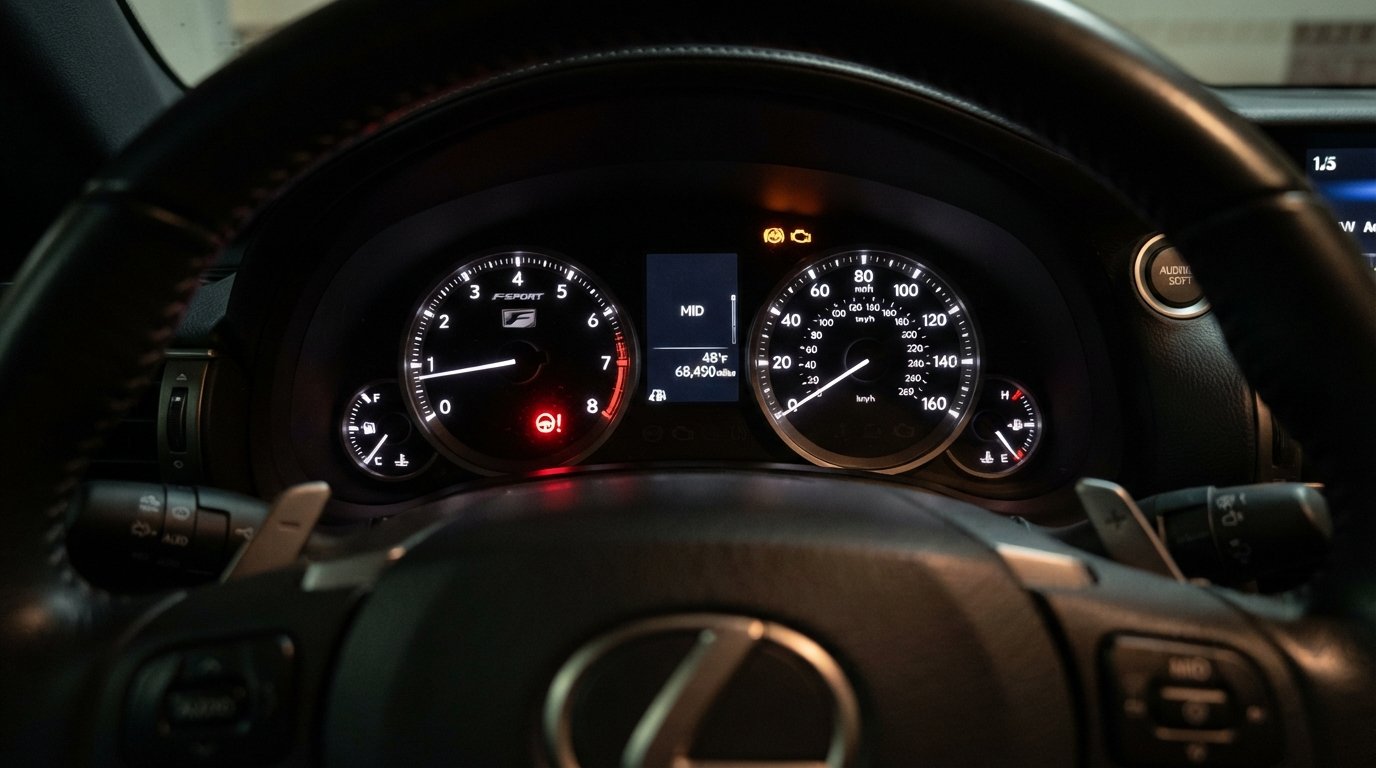
Loss of power is one of those bad ignition coil symptoms that can overlap with many other problems. A clogged catalytic converter, weak fuel pump, bad MAF sensor, crankshaft position sensor issue, or transmission problem can also make a car feel weak. If the car also has starting trouble, stalling, or RPM signal problems, a crank sensor issue such as P0335 may need to be checked too.
6. Poor Fuel Economy
A bad ignition coil can make your car use more fuel.
When the cylinder misfires, fuel may not burn completely. The engine computer may also adjust fuel delivery while trying to keep the engine running smoothly. Either way, the car becomes less efficient.
You may notice the fuel gauge dropping faster than usual. You may also smell fuel from the exhaust if the misfire is severe. In some cases, the spark plug from the misfiring cylinder may look wet, dark, or fouled.

Poor fuel economy alone does not prove a bad coil. Tire pressure, driving style, oxygen sensors, fuel injectors, and many other issues can affect mileage. If fuel use is the main complaint, this guide on a car using too much fuel can help separate ignition problems from other common causes.
But when poor mileage appears with rough idle, jerking, and misfire codes, the ignition coil becomes a stronger suspect.
7. Hard Starting or No Start
A weak coil can also make the engine harder to start.
During startup, the engine needs a strong spark right away. If the coil is weak, the engine may crank longer before it starts. It may stumble for a few seconds after starting, especially when cold.
On most modern coil-on-plug engines, one bad coil usually does not cause a complete no-start because the other cylinders can still fire. But the start may feel rough, uneven, or delayed.

Older ignition systems can be different. If the vehicle uses one main coil or a coil pack that serves multiple cylinders, a failure may affect several cylinders at once. In that case, the engine may crank but not start at all.
8. Backfire, Popping Sound, or Fuel Smell
Backfiring or popping from the exhaust can happen when unburned fuel reaches the exhaust system.
If a weak coil does not fire the spark plug properly, fuel may leave the cylinder without being fully burned. That fuel can ignite later in the exhaust, creating a pop or bang. You may also smell raw fuel, especially after starting or accelerating.

This is one of the more serious bad ignition coil symptoms because it means fuel is going where it should not. If the problem continues, the catalytic converter can overheat.
A fuel smell should never be ignored. While a misfire can cause fuel odor from the exhaust, an actual fuel leak is also possible and needs immediate attention.
9. Engine Stalling or Limp Mode
In more severe cases, a failing coil can cause stalling.
The engine may stall at idle, when slowing down, or when the misfire becomes bad enough that the engine cannot stay smooth. Some vehicles may also reduce power or enter limp mode if the computer sees a serious fault.
Stalling in traffic is not just annoying. It can be dangerous, especially at intersections, in heavy traffic, or while turning.

If your car stalls along with misfire codes, shaking, or a flashing check engine light, do not keep treating it like a minor tune-up issue. The ignition system, fuel system, and engine control system need proper diagnosis.
OBD2 Codes Linked to Bad Ignition Coils
The most common codes related to coil problems are misfire codes and ignition coil circuit codes.
P0300 means random or multiple cylinder misfire. P0301 through P0308 usually point to a misfire on a specific cylinder. For example, P0302 means cylinder 2 misfire.
Ignition coil circuit codes may include P0351 through P0362, depending on the vehicle and number of cylinders. These codes point more directly toward the coil circuit, wiring, connector, or control side of the ignition system.
Still, codes are clues, not final proof. A bad spark plug, damaged coil boot, oil inside the spark plug tube, injector issue, wiring fault, vacuum leak, or compression problem can trigger similar misfire symptoms.
Also, do not clear codes too quickly. A pending code, stored code, and permanent code do not mean the same thing. This guide on pending vs stored vs permanent codes is useful before you erase anything.
How to Tell for Sure If the Ignition Coil Is Bad
The best simple test on many coil-on-plug engines is the coil swap test.
First, scan the codes. If you are new to this, start with this guide on how to use an OBD2 scanner.
Suppose the car has P0302, which means cylinder 2 is misfiring. Let the engine cool, turn it off, move the ignition coil from cylinder 2 to another cylinder, such as cylinder 3, then clear the code and drive or run the engine again.
If the misfire moves to cylinder 3 and the code changes to P0303, the coil is likely bad. If the misfire stays on cylinder 2, the coil may not be the problem. Then you need to check the spark plug, injector, wiring, compression, or mechanical condition of that cylinder.
Before doing the swap test, inspect the coil and plug area. Look for cracks, burn marks, carbon tracking, corrosion, loose connectors, oil in the spark plug well, or water intrusion. Oil around the coil boot often points to a leaking valve cover gasket, and replacing only the coil may not solve the root problem.
A multimeter test can help in some cases, especially with older coil designs, but it does not always catch a coil that fails only when hot or under load. That is why scan data, visual inspection, and a swap test are often more useful for regular diagnosis.
Live data can also help if you know what to look for. Misfire counters, fuel trims, RPM behavior, and oxygen sensor behavior can show whether the problem is isolated to one cylinder or part of a wider fuel/air issue. This guide on how to read live data from OBD-II scanners explains that process in more detail.
Bad Ignition Coil vs Bad Spark Plug vs Bad Fuel Injector
This is where many unnecessary repairs happen.
A bad spark plug can feel almost exactly like a bad ignition coil. If the plug is worn, fouled, cracked, oil-covered, or gapped incorrectly, the cylinder can misfire even if the coil is fine.
A bad fuel injector can also cause a misfire. In that case, the cylinder may not be getting the right amount of fuel. The coil may spark properly, but the combustion still fails.
A compression problem is another possibility. If one cylinder has low compression because of a valve, piston ring, head gasket, or mechanical issue, no new coil will fix it.
The key difference is movement. If the misfire follows the coil during a swap test, the coil is likely the problem. If it stays on the same cylinder, keep testing before buying parts.
Freeze frame data can also help here because it shows what was happening when the code was stored. If the code only sets under load, heat, or certain RPM, that clue matters. This comparison of freeze frame vs live data explains the difference.
What Causes Ignition Coils to Fail?
Ignition coils live in a harsh place. They deal with heat, vibration, electrical stress, and sometimes oil or moisture.
Age is one common reason. Many coils last a long time, but they do not last forever. Heat cycles can break down internal insulation over time.
Worn spark plugs are another major cause. If the plug gap gets too wide, the coil has to work harder to fire the plug. That extra stress can shorten coil life.
Oil leaks can also damage coils. If oil gets into the spark plug tube, it can break down the rubber boot and cause arcing. Moisture can do something similar, especially if water enters the plug well after washing the engine bay or driving through heavy water.
Bad wiring, loose connectors, poor-quality replacement coils, and charging system issues can also contribute to repeat coil failure.
Can You Drive With a Bad Ignition Coil?
The car may still run with one bad ignition coil, but that does not mean it is safe to ignore.
A mild misfire may allow short local driving, but you should avoid hard acceleration and get it checked soon. If the check engine light is flashing, driving should be limited or avoided because catalytic converter damage can happen quickly.
Long-term driving with a bad coil can lead to poor fuel economy, rough running, stalling, damaged spark plugs, and exhaust system damage. It can also make the car unpredictable when you need power.
Should You Replace One Ignition Coil or All?
You do not always need to replace every ignition coil.
If one coil fails and the others are working well, replacing only the failed coil can be reasonable. This is especially true if the vehicle is not very high mileage and the failure is isolated.
But if the car has high mileage and all coils are original, more coils may fail later. Some owners choose to replace all of them at once to avoid repeated repairs. Others replace only the bad one and monitor the rest.
Spark plugs are different. If the plugs are due, it is smart to replace them while dealing with coil problems. New coils paired with old, worn plugs can put the new coils under extra stress.
If the misfire is intermittent and normal codes are not enough, Mode 6 data may reveal misfire counts before the check engine light becomes obvious. This guide on what Mode 6 is on an OBD2 scanner can help if you are using a more capable scan tool.
Final Thoughts
The most common bad ignition coil symptoms are misfires, rough idle, check engine light, jerking under acceleration, weak power, poor fuel economy, hard starting, backfiring, and stalling.
But the coil should not be blamed automatically. Spark plugs, injectors, wiring, vacuum leaks, and compression problems can create the same type of misfire.
The best approach is simple: scan the codes, inspect the plug and coil area, check for oil or wiring damage, and use a coil swap test when possible. That way, you replace the part that actually failed instead of throwing money at the engine and hoping the symptom disappears.