
A healthy engine has a rhythm. You may not think about it when everything is normal, but you notice it quickly when that rhythm breaks.
The car may shake at a stop. It may jerk when you accelerate. The check engine light may flash. Sometimes the engine feels like it skipped a beat and then caught itself again.
That is often what a misfire feels like.
An engine misfire happens when one or more cylinders fail to burn the air-fuel mixture correctly. In a gasoline engine, that usually means something went wrong with spark, fuel, air, compression, or timing. In a diesel engine, the diagnosis is different because there are no spark plugs, but the basic idea is similar: one cylinder is not producing clean power.
The tricky part is that engine misfire symptoms can look like several other problems. A bad spark plug, weak ignition coil, dirty fuel injector, vacuum leak, low compression, bad sensor, or even poor fuel can all make the engine run rough. So the goal is not just to notice the symptom. The goal is to read the pattern.
First, What Does a Misfire Actually Mean?
Inside the engine, each cylinder is supposed to fire in a controlled sequence. Air and fuel enter the cylinder, the mixture gets compressed, then combustion happens at the right time. That combustion creates the force that moves the piston and powers the car.
A misfire means that process did not happen properly.
Sometimes the cylinder does not fire at all. Sometimes it fires weakly. Sometimes it only misfires under load, when the engine is hot, or when the car is idling.
That is why engine misfire symptoms are not always constant. The car may feel fine on a light cruise but stumble when you climb a hill. It may idle rough in the morning and smooth out later. Or it may run badly all the time.
1. The Engine Feels Rough at Idle
One of the first signs is a rough idle.
You stop at a red light, and the engine does not feel settled. The steering wheel vibrates. The seat shakes. The RPM needle may move slightly up and down. The engine sound may become uneven, almost like it is missing a beat.
This happens because one or more cylinders are not contributing smoothly. At idle, the engine is turning slowly, so each missed combustion event is easier to feel.
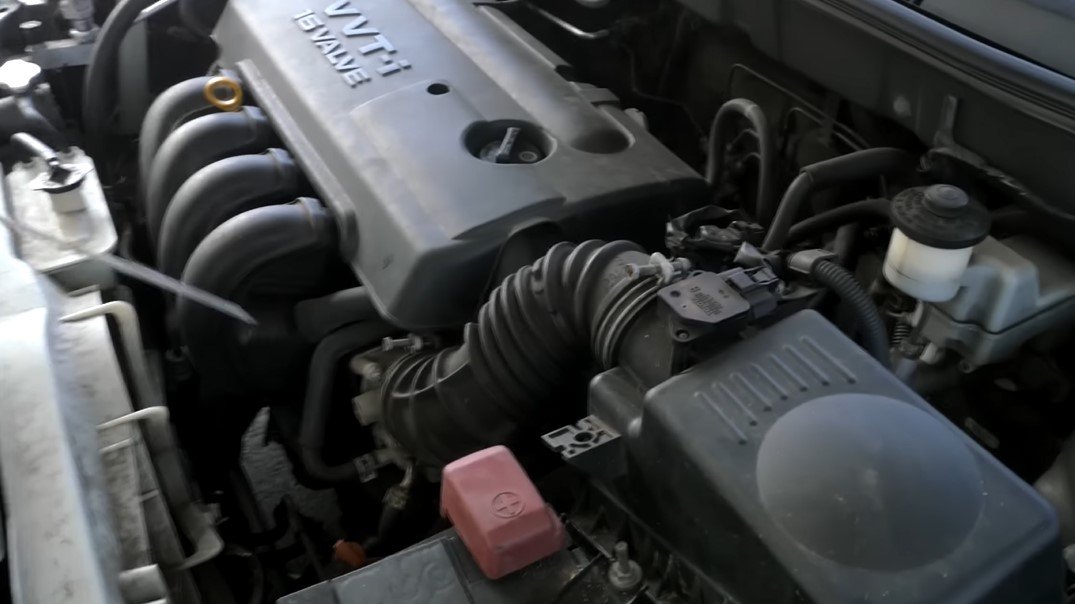
But rough idle does not always mean misfire. A vacuum leak, dirty throttle body, low fuel pressure, or idle control issue can also make an engine idle poorly. If the car runs too rich at idle, a code like P2188 may point toward a fuel mixture problem instead of a simple spark issue.
2. The Car Jerks or Hesitates When Accelerating
A misfire often becomes more obvious when you press the gas.
The car may jerk, stumble, hesitate, or feel like it loses power for a second. This may happen when pulling away from a stop, climbing a hill, merging onto a highway, or accelerating at low RPM.
Acceleration puts more demand on the engine. The spark has to be strong, the injector has to deliver fuel correctly, and the air-fuel mixture has to burn cleanly. If one part is weak, the cylinder may misfire under load.
This is one of the most common engine misfire symptoms drivers notice because it affects how the car feels immediately. It can feel like a fuel problem, but ignition coils and spark plugs are also common causes.
3. The Check Engine Light Comes On or Flashes
A check engine light is one of the most useful clues.
A steady check engine light means the computer detected a fault and stored a code. The car may still drive, but the problem should be checked soon.
A flashing check engine light is more urgent. It often means an active misfire is happening right now. When a cylinder misfires, unburned fuel can enter the exhaust. That fuel can overheat and damage the catalytic converter.
This is why a flashing light should not be treated like a normal warning light. If the car is shaking, bucking, losing power, or smelling like fuel while the light flashes, avoid hard driving and get it checked quickly.
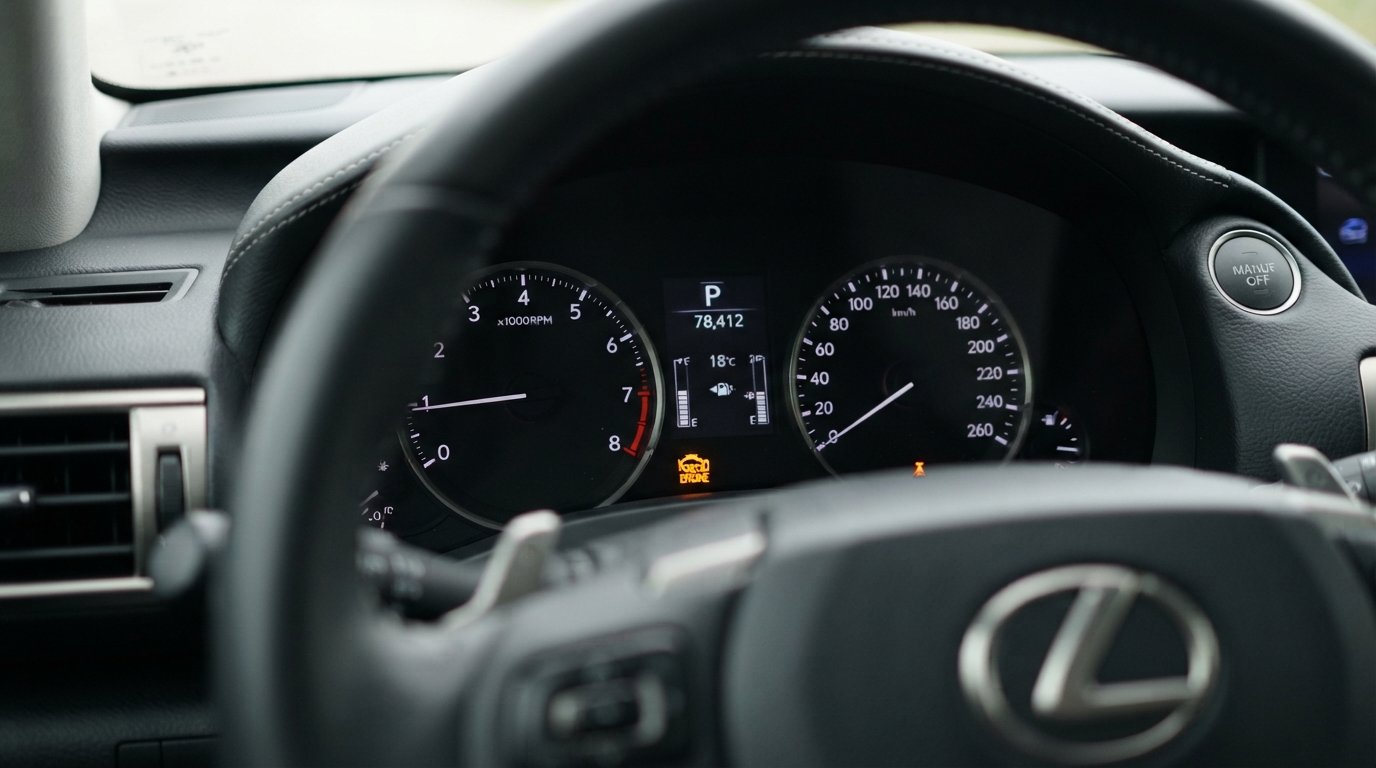
The light may also stop flashing later. That does not always mean the problem is gone. Intermittent misfires can come and go before the failing part completely gives up. If the light disappears after disconnecting the battery or clearing codes, this guide on whether the check engine light will stay off after disconnecting the battery explains why that does not always mean the repair is complete.
4. The Engine Loses Power
A misfiring engine cannot make full power.
If one cylinder is weak, the engine has to work with less power than normal. The car may feel heavy, lazy, or slow to respond. You may press the gas harder but get less acceleration.
This is more noticeable during hill climbs, overtaking, highway merging, or carrying extra weight. On a four-cylinder engine, one dead cylinder can make the car feel dramatically weaker. On a V6 or V8, the early symptom may be less obvious.

Power loss can also come from a clogged catalytic converter, weak fuel pump, bad MAF sensor, or transmission issue. But when power loss comes with shaking, rough idle, fuel smell, or misfire codes, the engine itself should be checked first.
5. The Car Shakes More Than Usual
A misfire can make the whole vehicle shake.
This can feel like a vibration through the steering wheel, dashboard, seat, or floor. Sometimes the engine feels like it is rocking. Sometimes the vibration gets worse in gear, with the A/C on, or while stopped.

The reason is balance. The engine is designed to fire evenly. When one cylinder misses, the smooth rhythm breaks.
A bad engine mount can also cause vibration, but mounts usually do not cause check engine misfire codes. If the shaking appeared suddenly and came with rough running or poor acceleration, misfire diagnosis makes more sense.
6. Fuel Economy Gets Worse
Poor fuel economy can be one of the quieter engine misfire symptoms.
When fuel does not burn properly, the engine wastes energy. The computer may also adjust fuel delivery while trying to keep the engine running. Over time, you may notice the car using more fuel than usual.
You may also smell fuel near the exhaust if the misfire is severe. That smell can happen when unburned fuel leaves the cylinder and enters the exhaust system.
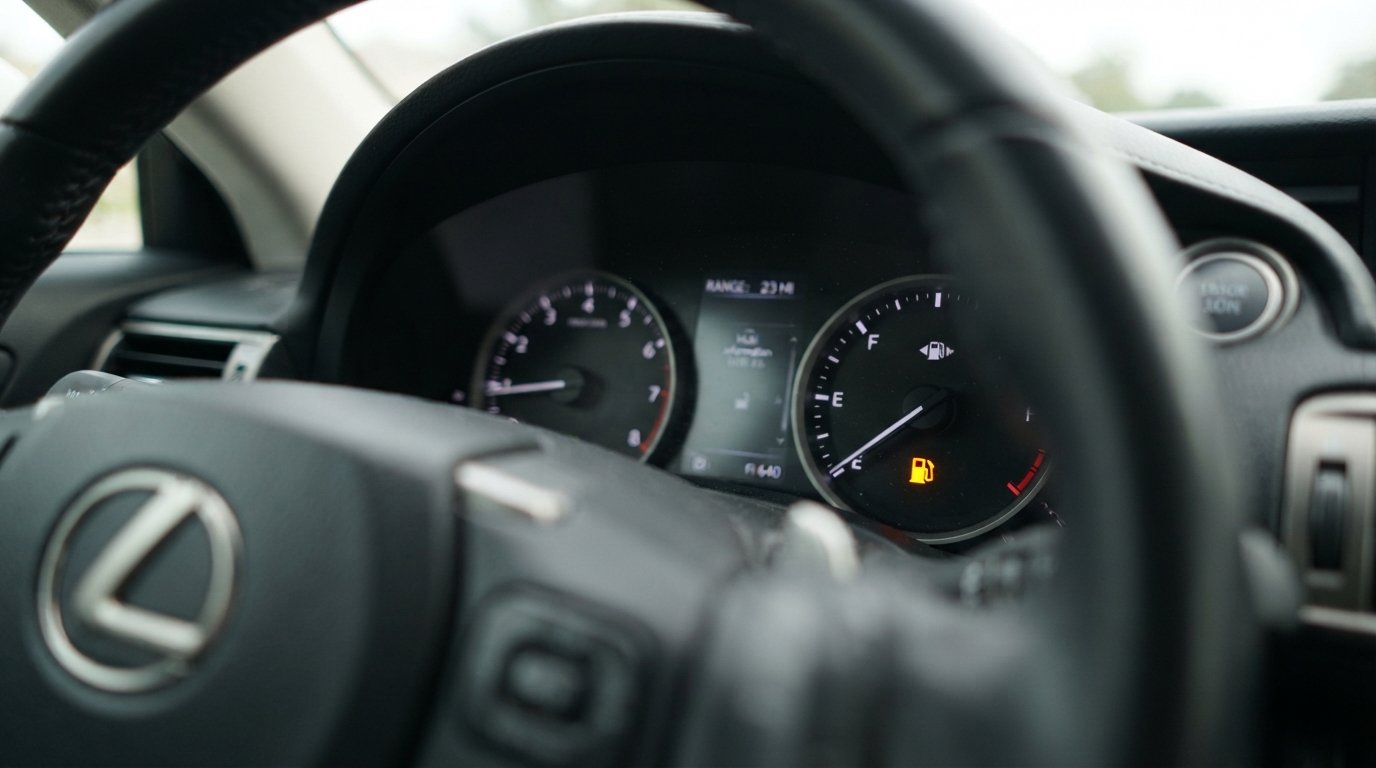
Poor mileage alone does not prove a misfire. Low tire pressure, dragging brakes, oxygen sensor issues, dirty air filters, short trips, and driving habits can all reduce fuel economy. If oxygen sensor data looks suspicious, this guide on bad O2 sensor live data readings can help separate fuel-control problems from ignition problems.
7. The Engine Is Hard to Start or Stalls
A misfire can make starting harder, especially if the issue affects spark, fuel, compression, or sensor timing.
The engine may crank longer than normal. It may start and then stumble for a few seconds. It may idle roughly when cold, then improve as it warms up.
In more serious cases, the engine may stall at idle or when slowing down. This can happen when the misfire is severe enough that the engine cannot maintain smooth combustion.

Stalling in traffic is a safety issue. If the engine stalls while turning, stopping, or crossing traffic, the problem needs attention quickly. A failing crankshaft sensor can also cause stalling, hard starting, and misfire-like symptoms, so this guide on bad crankshaft position sensor symptoms is relevant if the problem is intermittent.
8. You Hear Popping or Smell Raw Fuel
Some misfires create signs you can hear or smell.
If fuel does not burn inside the cylinder, it may enter the exhaust. That fuel can ignite later and create popping or backfiring sounds. You may also smell raw gasoline from the tailpipe.
Smoke can also appear in some cases. Dark smoke may point toward too much fuel. White smoke with coolant loss can suggest a head gasket or coolant-related issue, which is more serious than a simple spark plug problem.
Raw fuel smell, backfiring, and smoke should not be ignored. These signs can point to a misfire that is severe enough to damage the catalytic converter or signal a deeper mechanical issue.
What Usually Causes an Engine Misfire?
A misfire is not one single failure. It is a result. The cause usually falls into one of a few groups.
Ignition problems are very common on gasoline engines. Worn spark plugs, weak ignition coils, damaged coil boots, bad plug wires, or incorrect plug gaps can all stop a cylinder from firing properly.
Fuel problems can also cause a misfire. A clogged injector, weak fuel pump, low fuel pressure, bad fuel pressure regulator, or contaminated fuel can prevent the cylinder from getting the right amount of fuel.
Air and vacuum problems can create a lean mixture. A cracked intake hose, leaking vacuum line, intake manifold gasket leak, or dirty MAF sensor can all upset the air-fuel ratio. Airflow or pressure sensor issues can also confuse the engine computer. For example, a code like P012B can point toward an intake pressure or boost sensor range issue, depending on the vehicle.
Mechanical problems are more serious. Low compression, burnt valves, worn piston rings, timing chain problems, or head gasket leaks can cause repeat misfires even when the spark and fuel systems look fine.
Sensor and wiring problems can also be involved. A crankshaft position sensor, camshaft position sensor, oxygen sensor, wiring fault, or ECU control issue can affect timing, fuel delivery, or ignition control.
What OBD2 Codes Point to a Misfire?
The most common misfire code is P0300. This means random or multiple cylinder misfire. It does not point to one exact cylinder.
P0301 through P0308 are cylinder-specific misfire codes. P0301 means the computer detected a misfire on cylinder 1. P0302 means cylinder 2, and so on. The code points to the cylinder number used by that engine, but the physical location of that cylinder depends on the vehicle’s engine layout.
Other codes can appear too. P0171 or P0174 may point to a lean condition. P0351 through P0362 can point toward ignition coil circuit problems. Sensor codes may also appear if the misfire is caused by bad data.
Camshaft sensor or timing-related codes can also matter. A code like P0341 may point toward a camshaft position sensor range/performance issue, which can affect timing and cause rough running or misfire-like behavior.
The important point: a code tells you where to start. It does not always tell you the exact failed part.
How to Diagnose Without Guessing
Start with the code.
If the code is P0303, begin with cylinder 3. Inspect the spark plug, ignition coil, coil boot, connector, and wiring for that cylinder.
On many coil-on-plug gasoline engines, a coil swap test can help. Move the coil from the misfiring cylinder to another cylinder, clear the code, and see if the misfire follows the coil. If it follows, the coil is likely bad. If it stays on the same cylinder, check the spark plug, injector, wiring, compression, or mechanical condition.
If the code is P0300, the cause may affect multiple cylinders. That could mean a vacuum leak, low fuel pressure, bad fuel, timing issue, sensor problem, or another system-wide issue.
This is why random parts replacement often wastes money. A misfire can be simple, but it can also be a clue to something deeper.
Can You Drive With a Misfiring Engine?
It depends on severity.
If the car has a mild misfire, a steady check engine light, and still drives normally, a short careful drive to a repair shop may be possible.
If the check engine light is flashing, avoid driving. A flashing light usually means the misfire is severe enough to risk catalytic converter damage.
Driving for too long with engine misfire symptoms can waste fuel, foul spark plugs, damage the catalytic converter, cause stalling, and make the engine run worse over time.
Final Thoughts
The most common engine misfire symptoms are rough idle, shaking, jerking, hesitation, check engine light, loss of power, poor fuel economy, hard starting, stalling, fuel smell, and popping from the exhaust.
But a misfire is not the final diagnosis. It is a sign that one or more cylinders are not burning properly.
The cause may be spark, fuel, air, compression, timing, or sensor-related. Start with the codes, identify whether the misfire is random or cylinder-specific, and test in order before replacing parts.
A spark plug or ignition coil may be a simple fix. But if a misfire is ignored, it can damage the catalytic converter and turn a small repair into a much bigger one.