
A car that will not start can make almost anyone blame the battery first. Sometimes that guess is right. But sometimes the battery is only dead because the alternator failed to recharge it while you were driving.
That is why bad alternator vs bad battery is such a common confusion. Both problems can leave you with a no-start, dim lights, clicking noises, and repeated jump-starts. The real clue is not just what the car does. It is when it does it.
If the problem happens mostly before the engine starts, the battery, terminals, cables, or starter should be checked first. If the problem happens while the engine is running, the alternator, belt, voltage regulator, or charging circuit becomes more suspicious.
Before replacing parts, slow down and look at the pattern. A weak battery can make a good alternator look guilty. A bad alternator can kill a good battery. And a loose cable can mimic both.
Bad Alternator vs Bad Battery: The Quick Difference
The easiest way to separate bad alternator vs bad battery is to think about the job each part does.
The battery stores electrical power. Its hardest job is starting the engine. When you turn the key or press the start button, the battery has to send a heavy burst of current to the starter. If the battery is weak, the engine may crank slowly, click, or do nothing at all.
The alternator takes over after the engine starts. It powers the electrical system and recharges the battery while the engine is running. If the alternator is failing, the car may start with a charged battery, but the battery will slowly drain as you drive. Eventually, lights dim, electronics act strange, warning lights appear, and the engine may stall.
So here is the simple version:
If the car struggles before starting, suspect the battery side first.
If the car struggles after starting, suspect the alternator or charging system first.
That does not mean you should guess. It means you know where to begin.
1. Slow Cranking or Clicking When You Start the Car
A slow crank is one of the strongest bad battery symptoms.
Instead of the engine turning over normally, it may sound tired. The starter may drag, pause, or crank slower than usual. In cold weather, this can become even more obvious because a weak battery has a harder time delivering power.
A rapid clicking sound can also point to low battery voltage. The starter solenoid tries to engage, but the battery does not have enough strength to turn the engine properly.
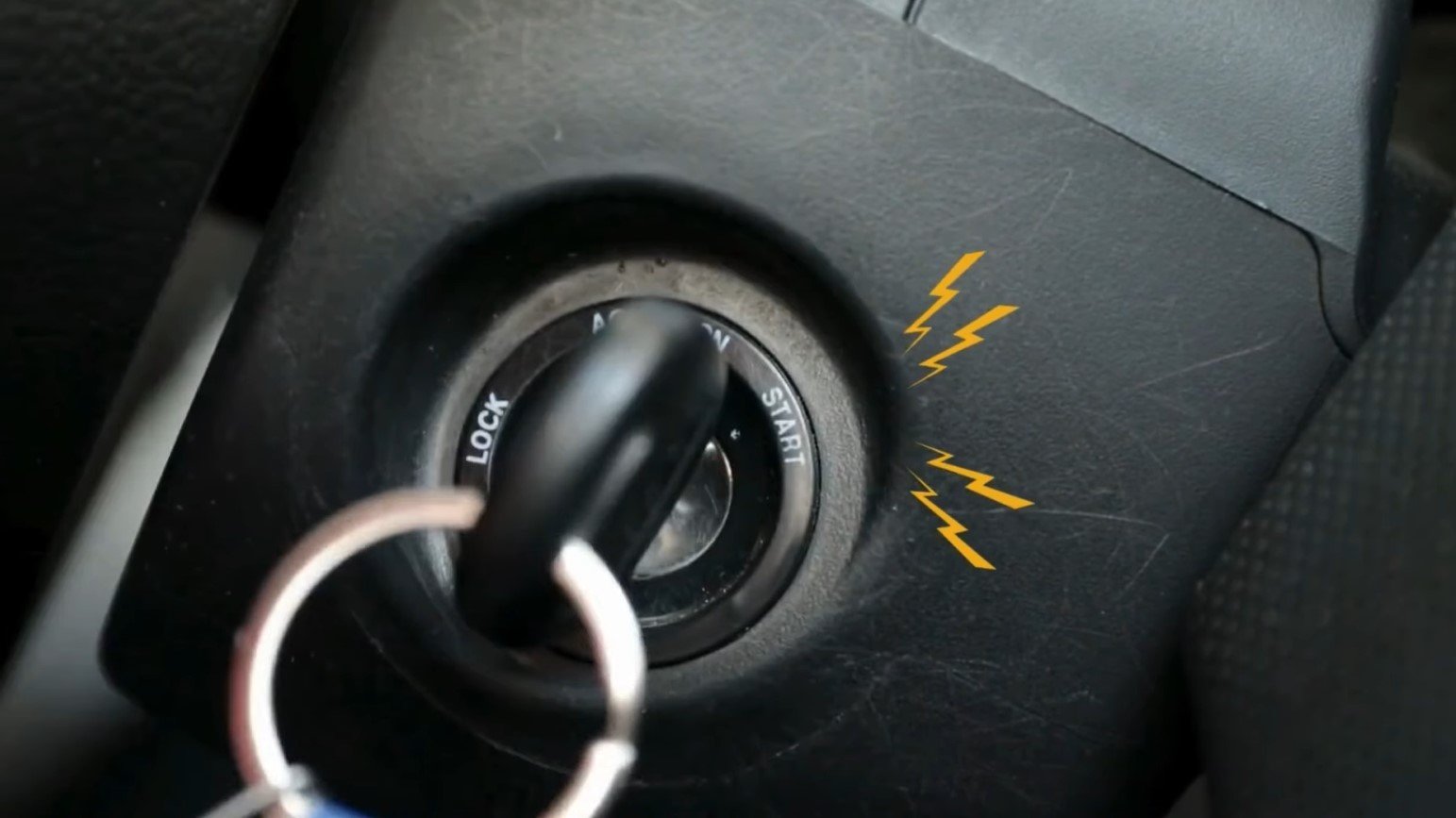
This is where many drivers start thinking about bad alternator vs bad battery, but timing matters. If the engine has not started yet, the alternator is not doing the work. The battery, battery terminals, ground cable, or starter circuit is more likely involved.
But do not replace the battery instantly. A corroded terminal can block power even when the battery itself is still usable. A loose battery cable can cause random no-start symptoms. A failing starter can also click or crank slowly.
A weak battery is likely if the car cranks slowly after sitting overnight, struggles more on cold mornings, and then runs normally once it finally starts.
2. The Car Starts With a Jump but Won’t Start Again Later
A jump-start can tell you a lot, but only if you pay attention to what happens afterward.
If the car starts with a jump and drives normally for the rest of the trip, the battery may be weak or unable to hold a charge. The alternator may be charging enough while the engine runs, but the battery cannot store that power after the car is parked.
For example, you jump-start the car in the morning, drive to work, park for eight hours, and then it will not start again. That sounds more like a bad battery, a parasitic drain, or a connection problem.
This is a classic bad alternator vs bad battery situation because both can lead to repeated jump-starts. The difference is whether the car keeps running normally after the jump.
If it runs fine once started, the battery side deserves attention.
If it dies again while driving, the alternator side becomes more likely.
Also think about battery age. Most car batteries do not last forever. If the battery is three to five years old, has been drained several times, or has visible swelling or leaking, checking the car battery replacement cost can help you plan before it leaves you stranded.
3. The Car Starts With a Jump but Dies While Driving
This is one of the clearer signs of a bad alternator.
The jump gave the battery enough power to start the engine. But once the jumper cables or jump pack were removed, the car needed its own charging system to keep running. If the alternator cannot supply enough voltage, the vehicle starts running only on battery power. Once that stored power drops too low, the engine can stumble, warning lights can appear, and the car may stall.
A healthy alternator should keep the vehicle running and keep the battery charged after startup. If the car dies a few minutes after a jump, the alternator, belt, charging wire, fusible link, or voltage regulator needs to be tested.
This is where guessing gets expensive. A driver may buy a new battery, install it, and the car works for a day or two. Then the new battery dies too. The battery was not the original problem. It was being drained because the alternator was not charging it.

When comparing bad alternator vs bad battery, remember this rule: a battery starts the car, but the alternator keeps it alive while it runs.
4. Battery Warning Light Comes On While Driving
The red battery light on the dashboard does not always mean the battery itself is bad. In many cars, that light warns about the charging system.
If the battery warning light comes on while driving, the alternator may not be charging properly. The voltage regulator may be failing. The serpentine belt may be slipping. A charging wire may be loose or damaged.
This warning light becomes more serious if it appears with dim headlights, heavy steering on some vehicles, multiple dash warnings, or a burning smell. The car may still drive for a short time, but it is likely running on stored battery power.
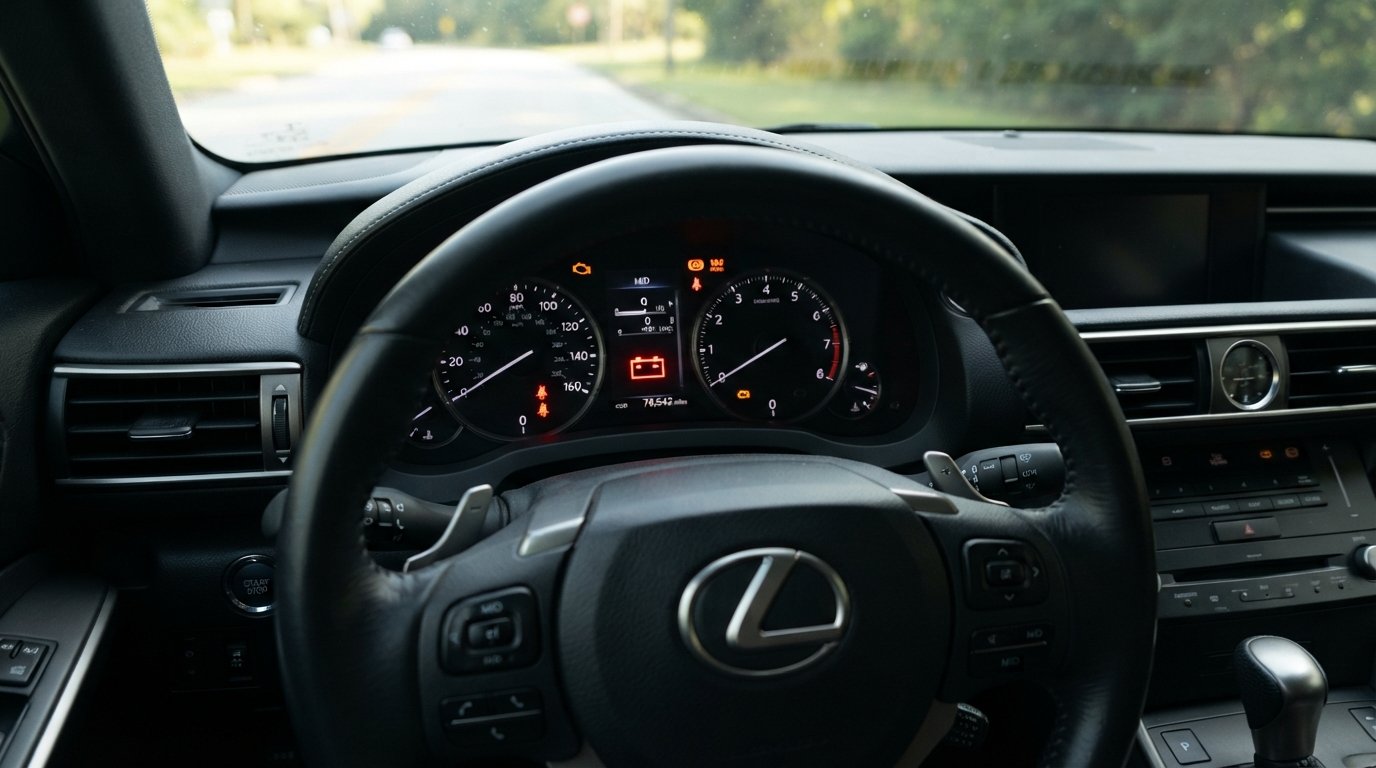
Do not ignore a battery light that comes on while driving. It is different from a car that simply has a weak start in the morning. A weak battery usually shows itself when you try to start the engine. A charging problem often shows itself after the engine is already running.
That difference is one of the most useful clues in the bad alternator vs bad battery debate.
5. Headlights or Dashboard Lights Flicker While the Engine Is Running
Dim headlights during startup can happen with a weak battery because the starter is pulling a lot of power.
But flickering lights while driving are different.
If the headlights dim at idle, brighten when you rev the engine, or flicker while the car is running, the alternator or voltage regulator may not be keeping voltage stable. The same can happen with dashboard lights, interior lights, or the infotainment screen.
A bad alternator may undercharge, overcharge, or charge inconsistently. Undercharging slowly drains the battery. Overcharging can damage the battery and sensitive electronics.
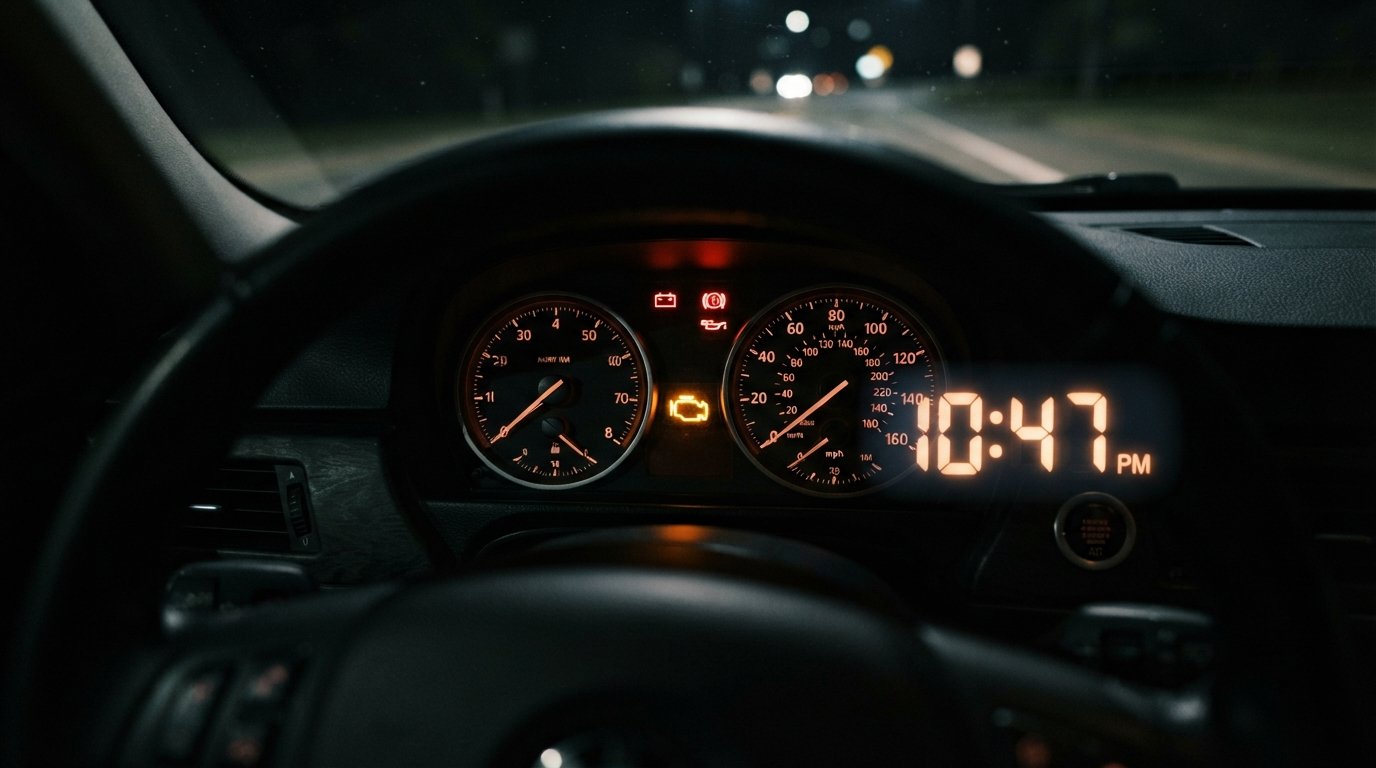
This is why a multimeter test matters. Your eyes can notice flickering, but voltage readings confirm what the charging system is actually doing.
A bad battery alone usually does not make headlights brighten and dim with engine speed. That behavior points more toward the alternator, belt, pulley, or regulator.
6. Electrical Accessories Start Acting Strange
Modern cars depend heavily on stable voltage. When the alternator output drops, strange things can happen before the car fully dies.
You may notice power windows moving slowly, the radio cutting out, the blower motor getting weaker, heated seats not working properly, or the dashboard lighting up with random warnings. Sometimes the transmission, steering assist, ABS, or engine computer may act up because modules are not getting steady voltage.
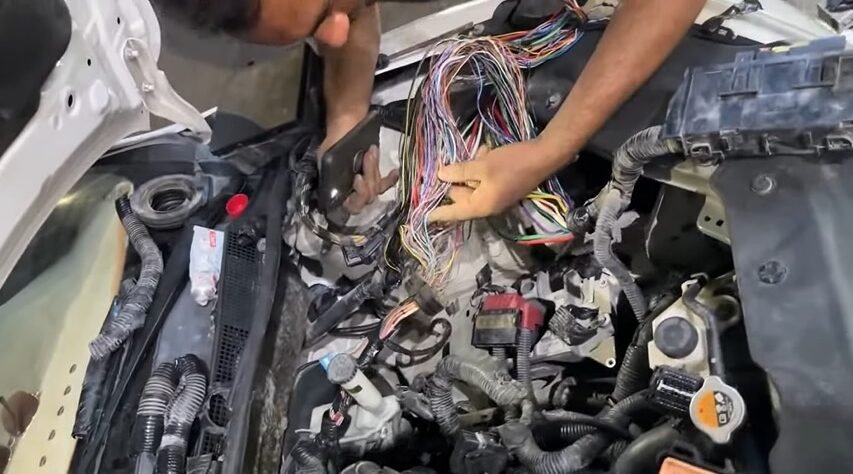
This can feel like several unrelated problems at once. But if the symptoms appear together while driving, think charging system first.
This is another strong bad alternator vs bad battery clue. A battery problem usually appears most clearly at startup. Electrical problems that get worse as you drive often mean the car is losing voltage while running.
However, do not forget the basics. A loose ground cable, corroded battery terminal, damaged alternator wire, or bad fuse connection can create the same kind of electrical weirdness. Testing is better than guessing.
7. Whining Noise, Belt Squeal, or Burning Smell
Not every alternator fails quietly.
A worn alternator bearing can make a whining, grinding, or growling noise from the front of the engine. A slipping belt can squeal, especially during startup or when electrical load is high. A burning rubber smell may come from a slipping belt. A hot electrical smell can come from an overworked alternator or wiring issue.
These signs lean more toward alternator or belt trouble than a bad battery.
A battery can smell like rotten eggs if it is leaking or overcharging, and a swollen battery case is serious. But noise from the pulley area or belt path should make you inspect the alternator and belt system quickly.

If there is smoke, a strong burning smell, or the battery warning light is on while driving, do not keep pushing the car. Electrical and belt problems can go from annoying to stranded very quickly.
Simple Tests Before You Replace Anything
You do not need advanced tools to get a first clue. A basic digital multimeter can separate many bad alternator vs bad battery cases. If you do more DIY electrical checks, this list of must-have automotive electrical tools is also useful.
With the engine off, check voltage at the battery terminals. A healthy, fully charged battery is usually around 12.4 to 12.6 volts. If it is much lower, the battery is discharged. That does not automatically mean the battery is bad, but it means it needs charging before deeper testing.
Now start the engine and check voltage again. A healthy charging system often reads around 13.5 to 14.7 volts. If the reading stays near battery voltage, the alternator may not be charging. If it climbs too high, such as around 15 volts or more, the voltage regulator may be overcharging.
Then turn on electrical loads like headlights, rear defroster, and air conditioning. The voltage should stay reasonably stable. If it drops too low at idle and the lights dim badly, the alternator may be weak under load.
Also inspect the battery terminals. White, green, or blue corrosion can block current. Make sure the terminals are tight and clean. Check the ground cable and alternator belt too.
An OBD2 scanner can sometimes show system voltage or related module data, but it cannot fully load-test a battery by itself. If you are relying on a scan tool, read this guide on whether an OBD2 scanner can detect a bad battery so you do not trust the wrong clue.
One warning: do not test a modern alternator by disconnecting a battery cable while the engine is running. Battery disconnecting is often discussed for resets, but it is not a safe alternator test. This guide about whether the check engine light will stay off after disconnecting the battery is a separate topic from diagnosing charging voltage.
Do Not Confuse These With a Bad Battery or Alternator
Some problems imitate both.
A bad starter can cause clicking or no crank even when the battery is charged. A loose battery cable can make the car act completely dead one minute and normal the next. A bad engine ground can create slow cranking, dim lights, or random electrical symptoms.
A parasitic drain can kill a good battery overnight. That means something in the car keeps using power after the vehicle is turned off. Common causes include interior lights, glove box lights, aftermarket electronics, faulty modules, or a relay stuck on. If you use a dash cam or device through the diagnostic port, it is worth checking whether it is safe to get power from the OBD2 port for the dash cam because poor setup can create battery-drain complaints.
A broken or slipping serpentine belt can stop the alternator from charging even if the alternator itself is fine. On some cars, that same belt may also affect power steering, cooling, or other systems.
So the real question is not only bad alternator vs bad battery. Sometimes it is battery vs alternator vs starter vs cable vs drain. The testing order should match the symptoms.
Should You Replace the Battery or Alternator First?
Replace the part that fails the test, not the part that feels most familiar.
Replace the battery first if it fails a load test, cannot hold a charge after being fully charged, is old and weak, has a swollen case, leaks, or keeps cranking slowly even when the charging system tests normal.
Replace or repair the alternator first if charging voltage is too low or too high, the battery light comes on while driving, the car dies after a jump-start, electrical accessories weaken while the engine is running, or a new battery keeps dying after normal driving.
If the alternator has been failing for a while, test the battery too. Repeated deep discharge can damage a battery. That is why some cars need both parts, especially if the driver kept jump-starting and driving for weeks.
Can a Bad Alternator Ruin a New Battery?
Yes, it can.
A bad alternator can undercharge a new battery until it repeatedly drains. Car batteries are not designed to be deeply discharged over and over. That shortens battery life fast.
An overcharging alternator can be even worse. Too much voltage can overheat the battery, damage internal plates, boil off electrolyte in some battery types, and stress vehicle electronics.
This is why installing a new battery without checking the alternator can backfire. The car may start perfectly for a few days, but the new battery can end up dead for the same reason the old one died.
When the symptom is repeated dead batteries, bad alternator vs bad battery should always be tested as a pair.
When Is It Safe to Drive?
If the car only cranks slowly but starts and runs normally, you may be able to drive to a shop or parts store for testing. Still, do not ignore it for long. A weak battery usually gets worse.
If the battery warning light is on while driving, lights are dimming, electronics are shutting down, or the car has already stalled, driving becomes risky. The engine may stop again without warning.
If there is a burning smell, smoke, loud belt noise, or the alternator belt is damaged, stop as soon as it is safe. That is no longer just a starting problem.
FAQ
How do I know if it is the battery or alternator?
Look at when the problem happens. If the car struggles before starting, the battery, cables, terminals, or starter are more likely. If the car starts but dies while driving, the battery light comes on, or electronics get weak while running, the alternator or charging system is more likely.
Can a bad alternator cause a dead battery?
Yes. If the alternator does not recharge the battery while driving, the battery slowly drains. Eventually, the car may not start even if the battery was good before.
Can a bad battery make the alternator look bad?
Yes. A weak or shorted battery can put extra stress on the charging system and make voltage readings confusing. That is why the battery should be charged and tested before blaming the alternator.
Is the battery light always a bad battery?
No. The battery light usually warns about the charging system. It can be triggered by a bad alternator, slipping belt, wiring problem, voltage regulator issue, or battery problem.
What voltage should I see with the car running?
Many healthy charging systems read around 13.5 to 14.7 volts with the engine running. Exact specs vary by vehicle, but a reading that stays near 12 volts while running usually means the battery is not being charged properly.
Final Thoughts
The difference between bad alternator vs bad battery usually comes down to timing.
A bad battery often shows up when the car is parked and you try to start it. A bad alternator often shows up after the engine is running, especially with warning lights, dimming lights, weak electronics, or stalling.
But the smartest move is not guessing. Check the battery voltage, charging voltage, terminals, cables, belt, and load test results. That small amount of testing can save you from replacing a good battery, missing a bad alternator, or overlooking a simple loose connection.