
A bad alternator can look like a weak battery at first.
The car may crank slowly. The headlights may dim. The battery may die again after you just charged it. You replace the battery, everything seems fine for a day or two, and then the same problem comes back.
That is when the alternator needs attention.
The alternator keeps the battery charged while the engine is running. It also helps power the ignition system, fuel pump, lights, sensors, computers, blower motor, radio, and other electrical systems. When it gets weak, the battery becomes the backup power source. Once that stored power runs out, the car can stall or refuse to restart.
The tricky part is that bad alternator symptoms can overlap with a bad battery, bad starter, loose cable, slipping belt, blown fuse, poor ground, or parasitic drain. So the goal is not just to notice the signs. The goal is to test the charging system before replacing parts.
Here are the 9 signs to watch for and what to check first.
Quick Answer: Common Bad Alternator Symptoms
The most common bad alternator symptoms include a battery warning light, dim or flickering headlights, repeated dead batteries, slow cranking, strange electrical behavior, burning smells, whining or grinding noises, engine stalling, and abnormal charging voltage.
If the battery light comes on while driving, the lights change brightness with engine speed, or the car dies soon after a jump-start, the alternator or charging system should be tested quickly.
On many vehicles, a healthy charging system often shows around 13.5 to 14.7 volts with the engine running. But some modern smart charging systems can vary voltage on purpose, so the number should be judged with vehicle design, battery state, electrical load, and symptoms in mind.
Bad Alternator Symptoms You Should Check First
One symptom by itself may not prove the alternator is bad. But several bad alternator symptoms happening together make the charging system a strong suspect.
1. Battery Warning Light Comes On While Driving
The battery-shaped warning light is one of the first signs many drivers notice.
But the name can be misleading.
That light does not always mean the battery itself is bad. It usually means the charging system voltage is not where the vehicle expects it to be. The problem could be the alternator, serpentine belt, belt tensioner, battery terminal, ground cable, charging wire, main fuse, or voltage regulator.

If the battery light comes on while the engine is running, take it seriously. The vehicle may be running mostly on battery power. Once that battery drains, the engine can stall.
What to check first:
- Is the serpentine belt still in place?
- Are the battery terminals loose or corroded?
- Did other warning lights appear at the same time?
- Does the light change when engine RPM changes?
- What is the charging voltage with the engine running?
If the battery light appears with dim lights, power loss, or multiple dashboard warnings, avoid driving far.
2. Headlights or Dash Lights Dim, Flicker, or Get Too Bright
Lights often reveal charging problems before the car stops running.
When the alternator is weak, headlights may look dim at idle and brighten when you press the gas. Interior lights may pulse. The dashboard may flicker. In some cases, lights may become unusually bright if the voltage regulator is overcharging.
This happens because voltage is not staying stable under different loads. Turning on the headlights, A/C, blower motor, rear defroster, or heated seats may make the problem more obvious.

This is one of the bad alternator symptoms drivers often ignore because the car still runs. But lights that change brightness while driving are not normal.
What to check first:
- Compare light brightness at idle and higher RPM.
- Turn on headlights, blower fan, and rear defroster.
- Watch for flickering or heavy dimming.
- Test charging voltage under load.
A weak battery can cause dim lights with the engine off. But lights that change brightness while the engine is running often point more toward charging system trouble.
3. The Battery Keeps Dying Again and Again
A dead battery does not always mean a bad battery.
The battery starts the engine and stores power. The alternator recharges the battery while you drive. If the alternator cannot charge properly, even a new battery can keep dying.
This is a common pattern:
You jump-start the car. It runs for a while. Later, the battery is dead again. You install a new battery. A few days later, the same thing happens.

That points toward a charging problem, a drain, or a wiring issue. If you are trying to separate battery failure from charging system failure, this guide on whether an OBD2 scanner can detect a bad battery is a useful next read.
Possible causes include:
- Alternator not charging
- Loose charging cable
- Corroded battery terminals
- Weak ground connection
- Slipping serpentine belt
- Parasitic drain
- Blown charging fuse or fusible link
- Short trips that never recharge the battery fully
If the battery dies after sitting overnight, suspect the battery or parasitic drain. If the car dies while driving or soon after a jump-start, suspect the alternator or charging circuit.
If the battery has already failed and you are comparing replacement costs, this car battery replacement cost guide can help, but test the alternator before installing another battery.
4. Slow Cranking or Hard Starting
Slow cranking usually makes people blame the battery or starter. Sometimes that is correct. But the alternator may be the reason the battery is weak in the first place.
If the alternator has been undercharging for days, the battery may not have enough power the next time you start the car. You may hear slow cranking, repeated clicking, or a weak start.

This does not automatically prove the alternator is bad. Cold weather, a weak battery, bad starter, or poor cable connection can cause similar symptoms.
But if slow starting appears with other bad alternator symptoms, test the charging system before replacing the starter.
What to check first:
- Resting battery voltage
- Battery terminals and cables
- Battery load test
- Charging voltage after startup
- Starter draw if battery and alternator test good
Guessing here can get expensive because the battery, starter, and alternator can all create starting complaints.
5. Electrical Accessories Act Strange
Modern vehicles need stable voltage. When voltage drops or jumps around, electronic systems can act strange.

You may notice:
- Radio resets
- Infotainment screen reboots
- Power windows slow down
- Blower motor changes speed
- Dashboard lights flicker
- Power steering warning appears
- ABS or traction control lights come on
- Door locks act weak
- Gauges behave oddly
This is why a weak alternator can look like many unrelated problems at once. The alternator may not be directly damaging those systems. It may simply be failing to provide stable voltage.
If several warning lights appear together, check system voltage before assuming multiple sensors failed at the same time.
Low voltage can confuse modules, interrupt communication, and create codes that are only symptoms of the electrical problem. For general code meaning and diagnostic workflow, this OBD2 codes list and meaning guide is helpful.
6. Burning Rubber or Electrical Smell
A burning smell should not be ignored.
A burning rubber smell may come from a slipping serpentine belt. Since the alternator is belt-driven on most gas vehicles, a worn, loose, or slipping belt can stop a good alternator from charging properly.
An electrical burning smell may come from overheated wiring, a damaged connector, internal alternator failure, or charging circuit trouble.

What to do first:
- Pull over if the smell is strong.
- Look for smoke from the engine bay.
- Do not touch hot wiring or pulleys.
- Check if the belt is loose, damaged, or missing.
- Avoid driving if the battery light is on with a burning smell.
A bad belt can mimic a bad alternator because the alternator cannot charge if it is not spinning correctly. That is why belt inspection should happen before alternator replacement. For basic testing tools, this list of must-have automotive electrical tools is relevant.
7. Whining, Grinding, Growling, or Squealing Noise
A failing alternator can make noise before it fails completely.
A whining, grinding, or growling sound near the front of the engine may come from worn alternator bearings or a failing pulley. A squealing sound may come from a slipping belt or weak tensioner.
But noise can be tricky. The A/C compressor, idler pulley, belt tensioner, water pump, or power steering pump can make similar sounds.
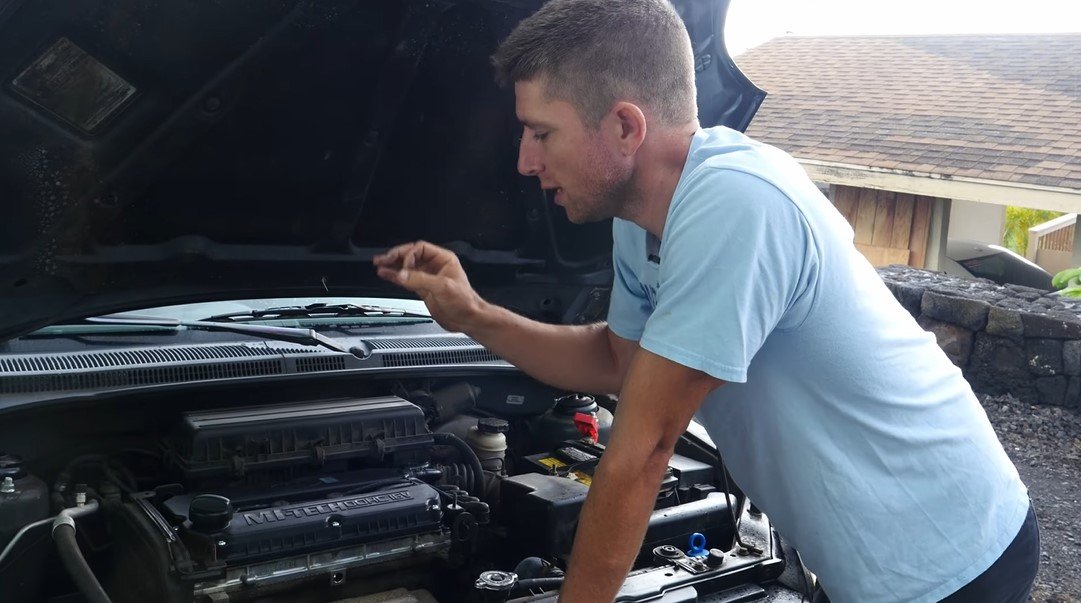
Clues that point toward the alternator or charging system include:
- Noise changes with engine RPM
- Noise comes from the alternator area
- Battery warning light is also on
- Charging voltage is low
- Belt is worn, loose, or vibrating
Do not replace the alternator from noise alone. Confirm it with a belt inspection and charging test.
8. Engine Stalls or Loses Power While Driving
This is one of the more serious bad alternator symptoms.
If the alternator stops charging, the car runs from battery power alone. As the battery drains, the ECU, ignition coils, fuel pump, injectors, sensors, and control modules may not get stable power.
The engine may hesitate, misfire, lose power, or stall.

A typical pattern looks like this:
The battery light comes on. The headlights get dim. The radio or screen shuts off. More warning lights appear. The engine starts running rough. Then the car dies and will not restart.
That is classic charging system failure behavior.
A jump-start may get the car running again for a short time. But if the alternator is not charging, the battery will drain again.
9. Low or High Charging Voltage
Voltage testing is one of the best ways to stop guessing.
You can test with a digital multimeter at the battery terminals. Some OBD2 scanners also show system voltage in live data, but a multimeter is still useful for confirming voltage directly at the battery.
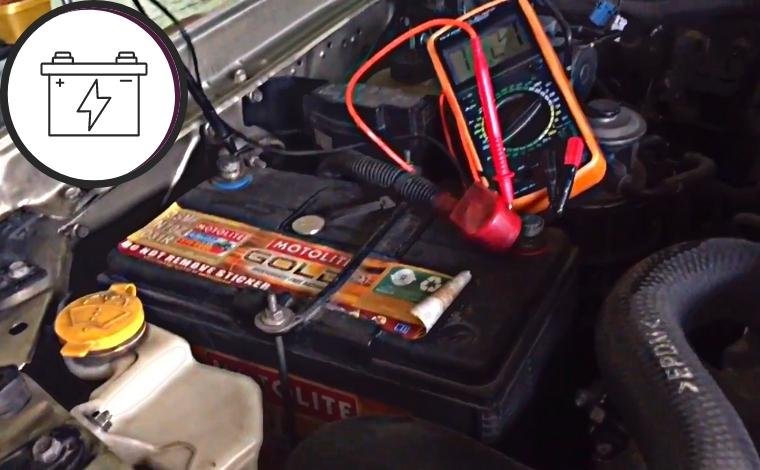
Here is a practical guide:
| Test Condition | Typical Reading | What It May Mean |
|---|---|---|
| Engine off, battery rested | About 12.4V to 12.6V | Battery has decent charge |
| Engine off, below 12.0V | Low | Battery discharged or weak |
| Engine running | Often about 13.5V to 14.7V | Charging system likely working |
| Engine running, below 13V | Low | Undercharging, belt, wiring, or alternator issue |
| Engine running, above 15V | High | Possible overcharging or regulator issue |
| Loaded test drops very low | Weak under load | Alternator may not keep up |
These numbers are general guides. Some modern vehicles use computer-controlled charging systems that can vary voltage depending on battery condition, temperature, load, and driving conditions. So do not judge by voltage alone if the vehicle uses smart charging. Look at symptoms, codes, load testing, and service information too.
To do a simple load check, turn on the headlights, blower fan, rear defroster, and A/C. Voltage should stay reasonably stable. If it drops badly and does not recover, the alternator, belt, wiring, or battery needs further testing.
If your scanner shows live voltage data, this guide on how to read live data from OBD-II scanners will help you understand what you are looking at.
Overcharging is just as important as undercharging. Sustained high voltage can damage the battery, shorten bulb life, and create electronic problems.
Bad Alternator vs Bad Battery vs Bad Starter
Many drivers replace the wrong part because these problems overlap.
A battery stores power and starts the engine.
An alternator charges the battery while the engine runs.
A starter uses battery power to crank the engine.
Here is the simple difference:
| Symptom Pattern | More Likely Cause |
|---|---|
| Car will not start after sitting, but runs fine once jumped | Battery or parasitic drain |
| Car starts after jump but dies again while driving | Alternator or charging system |
| Single click or no crank, but lights are strong | Starter or connection issue |
| Battery light on while engine is running | Charging system |
| Headlights brighten with RPM | Charging output issue |
| New battery dies repeatedly | Alternator, drain, wiring, or ground issue |
A weak alternator can ruin a good battery over time. A weak battery can also stress the charging system. That is why both should be tested together.
What To Check Before Replacing the Alternator
Do not buy an alternator just because the battery light is on. The charging system includes more than one part.
Check these first:
- Battery terminals
- Battery health
- Serpentine belt
- Belt tensioner
- Alternator pulley
- Alternator electrical connector
- Main charging cable
- Ground cable
- Fusible link or main charging fuse
- Oil or coolant contamination on the alternator
- Aftermarket stereo or accessory overload
A loose ground or corroded charging cable can create low voltage even if the alternator itself is fine. A slipping belt can stop a good alternator from charging. A blown fuse or fusible link can block charging current from reaching the battery.
Good diagnosis protects you from replacing the wrong part.
Can an OBD2 Scanner Detect a Bad Alternator?
An OBD2 scanner can help, but it does not always prove the alternator itself is bad.
A basic scanner may show system voltage in live data. It may also show low-voltage or charging-system-related codes.
Possible codes include:
- P0562: System Voltage Low
- P0563: System Voltage High
- P0620: Generator Control Circuit
- P0622: Generator Field Control Circuit
- P2503: Charging System Voltage Low
But these codes do not automatically mean “replace the alternator.” The real cause could be the alternator, battery, belt, wiring, ground, fuse, voltage regulator, or control circuit.
This is a good example of why generic vs enhanced OBD2 codes matter. A basic code reader may show a low-voltage code, while a better scan tool may show more module-specific details.
Use the scanner as part of the diagnosis:
- Read current and pending codes.
- Check system voltage live data.
- Look for low-voltage codes in multiple modules.
- Save freeze frame data before clearing codes.
- Confirm voltage with a multimeter.
If many modules show low-voltage codes, check the charging system before chasing individual sensors. Also remember that an OBD2 scanner has limits. This guide explains what an OBD2 scanner cannot do when you are diagnosing electrical problems.
Can You Drive With a Bad Alternator?
Sometimes a car may drive for a short distance with a bad alternator, but it is risky.
Once the alternator stops charging, the vehicle runs on battery power alone. How long it lasts depends on battery charge, vehicle design, temperature, and electrical load.
Headlights, A/C, blower fan, heated seats, rear defroster, wipers, and audio systems can drain the battery faster.
If you must move the car a short distance:
- Turn off unnecessary accessories.
- Avoid night driving if possible.
- Do not use heated seats or rear defroster unless needed.
- Keep the trip short.
- Do not shut the engine off until you reach a safe place.
Stop driving if the lights are dim, steering assist changes, multiple warning lights appear, or the engine starts stumbling.
What Happens If You Ignore Bad Alternator Symptoms?
Ignoring bad alternator symptoms can turn a simple charging issue into a roadside breakdown.
Possible results include:
- Repeated dead battery
- Stalling while driving
- No-start condition
- Damaged battery from undercharging
- Battery damage from overcharging
- Random warning lights
- Electrical module errors
- Blown fuses or damaged wiring in severe cases
- Tow bill and emergency repair
The earlier you test the charging system, the easier it is to avoid being stranded.
Common Mistakes To Avoid
The most common mistake is replacing the battery without testing the alternator. The second mistake is replacing the alternator without checking the belt, cables, fuses, and grounds.
Avoid these mistakes:
- Do not assume the battery light means only the battery is bad.
- Do not clear low-voltage codes before saving data.
- Do not repeatedly jump-start the car without diagnosis.
- Do not ignore belt squeal.
- Do not buy parts based only on one symptom.
- Do not disconnect the battery cable while the engine is running.
- Do not ignore overcharging voltage.
That old “disconnect the battery while running” test is unsafe on modern vehicles. It can create voltage spikes and damage electronics.
If you do scan codes, save the information first. Understanding pending vs stored vs permanent codes can keep you from erasing useful diagnostic clues too early.
Freeze frame and live data can also help show what was happening when a fault appeared. If you are not sure how those are different, read this freeze frame vs live data guide.
If you need to clear codes after the real repair, use the proper process. This guide explains how to clear OBD2 codes. Disconnecting the battery just to hide a warning light is not a real fix, and this article explains whether the check engine light will stay off after disconnecting the battery.
FAQ About Bad Alternator Symptoms
What is the first sign of a bad alternator?
The first sign is often the battery warning light, dim headlights, slow cranking, or electrical accessories acting weak. Early bad alternator symptoms can be subtle if the battery still has enough charge to hide the problem.
Can a bad alternator drain a new battery?
Yes. If the alternator is not charging correctly, a new battery can still die because it is not being recharged while you drive.
What voltage means the alternator is bad?
On many vehicles, charging voltage with the engine running is often around 13.5 to 14.7 volts. If it stays below about 13 volts or rises above 15 volts, the charging system needs testing. Some smart charging systems vary voltage, so always compare the reading with symptoms and vehicle specifications.
Can a bad alternator cause multiple warning lights?
Yes. Low system voltage can trigger ABS, traction control, airbag, power steering, check engine, and other warning lights because many modules need stable voltage to work correctly.
Can an OBD2 scanner tell if the alternator is bad?
It can help by showing system voltage and voltage-related codes, but it may not confirm the alternator by itself. Use scanner data with a multimeter, battery test, belt inspection, and wiring checks.
How long can a car run with a bad alternator?
It depends on battery charge and electrical load. It may run for a short time, but once the battery drains, the engine can stall and may not restart.
Final Thoughts
Bad alternator symptoms usually start small: a battery light, dim headlights, slow cranking, strange electrical behavior, or a battery that keeps dying.
Do not replace parts by guesswork. Test the battery, check the belt, inspect the cables and grounds, scan for voltage-related codes, and measure charging voltage with the engine running.
If the battery light, dim lights, repeated dead battery, strange electrical behavior, and low charging voltage show up together, the alternator or charging system should be checked as soon as possible.