
A weak car battery usually does not fail out of nowhere. Most of the time, it gives you small warnings first: the engine cranks slower, the dashboard lights act strange, or the car starts only after a jump.
The tricky part is that bad battery symptoms can look a lot like alternator, starter, cable, or even sensor problems. That is why guessing is risky. A battery can have enough power to turn on the lights but still fail when the starter demands heavy current.
This guide explains the most common signs of a weak or failing battery, what each symptom usually means, and how to check it before spending money on the wrong part.
Quick Answer: What Are the Most Common Bad Battery Symptoms?
The most common bad battery symptoms are slow engine cranking, clicking when you turn the key, dim headlights, electrical resets, needing frequent jump starts, corrosion around the terminals, and a battery case that is old, swollen, leaking, or smells like sulfur.
If your car will not start but the lights still come on, do not assume the battery is good. Lights need very little power compared with the starter motor. A weak battery may power small electronics but still fail under load.
| What You Notice | What It May Mean | First Thing To Check |
|---|---|---|
| Slow crank | Weak battery or poor connection | Battery voltage and terminals |
| Single click/no crank | Battery, cable, starter, relay | Voltage drop while cranking |
| Dim lights | Low battery charge or charging issue | Battery and alternator output |
| Starts after jump | Battery cannot hold charge | Load test |
| Warning lights/codes | Low system voltage affecting modules | Scan for codes and live voltage |
| Corrosion | Poor current flow | Clean and tighten terminals |
| Swollen/leaking battery | Internal battery damage | Replace safely |
Bad Battery Symptoms You Should Check Before Replacing Parts
Before replacing the starter, alternator, fuel pump, or ignition parts, look closely at these bad battery symptoms. A weak battery can create confusing problems because modern vehicles rely on stable voltage for almost every system.
1. The Engine Cranks Slowly Before Starting
A healthy battery should spin the engine with a strong, even rhythm. When the battery gets weak, the crank often sounds slower, heavier, or uneven.
You may hear something like: “rrr… rrr… rrr…” instead of a sharp, quick start. This is one of the most common signs of a weak car battery, especially in the morning or after the car has been parked overnight.

Cold weather can make this worse because engine oil gets thicker and the battery produces less power. But if the slow crank keeps happening in normal weather, do not blame the temperature only. Test the battery.
A slow crank can also come from dirty terminals, loose battery cables, a failing starter, or poor engine ground. That is why the first check should be simple: inspect the terminals, measure battery voltage, and test the battery under load.
2. You Hear Clicking When You Try To Start the Car
Clicking is another classic weak battery symptom. When you turn the key or press the start button, you may hear a rapid clicking sound or one solid click.
Rapid clicking often means the starter relay is trying to work, but voltage drops too low to keep the starter engaged. One loud click can also happen with a weak battery, bad cable connection, or starter problem.
This is where many drivers make the wrong call. They hear clicking and immediately think “bad starter.” Sometimes that is true, but a weak battery or corroded terminal can create the same sound.
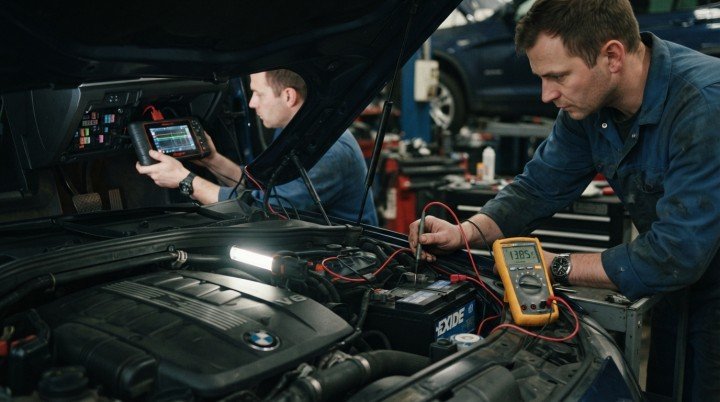
If the car starts after a jump, the battery or charging system deserves attention first. If it still does not crank with a known-good jump connection, then starter circuit diagnosis becomes more important.
3. Headlights, Interior Lights, or Dashboard Lights Look Dim
Dim lights are easy to ignore, but they can be an early warning sign. If the headlights look weak before starting the engine, the battery may be low. If the dashboard lights fade when you turn the key, the battery may be dropping voltage under load.
Modern cars may also show strange electrical behavior when battery voltage is unstable. You may notice the radio resetting, clock losing time, power windows moving slowly, or infotainment screen restarting.
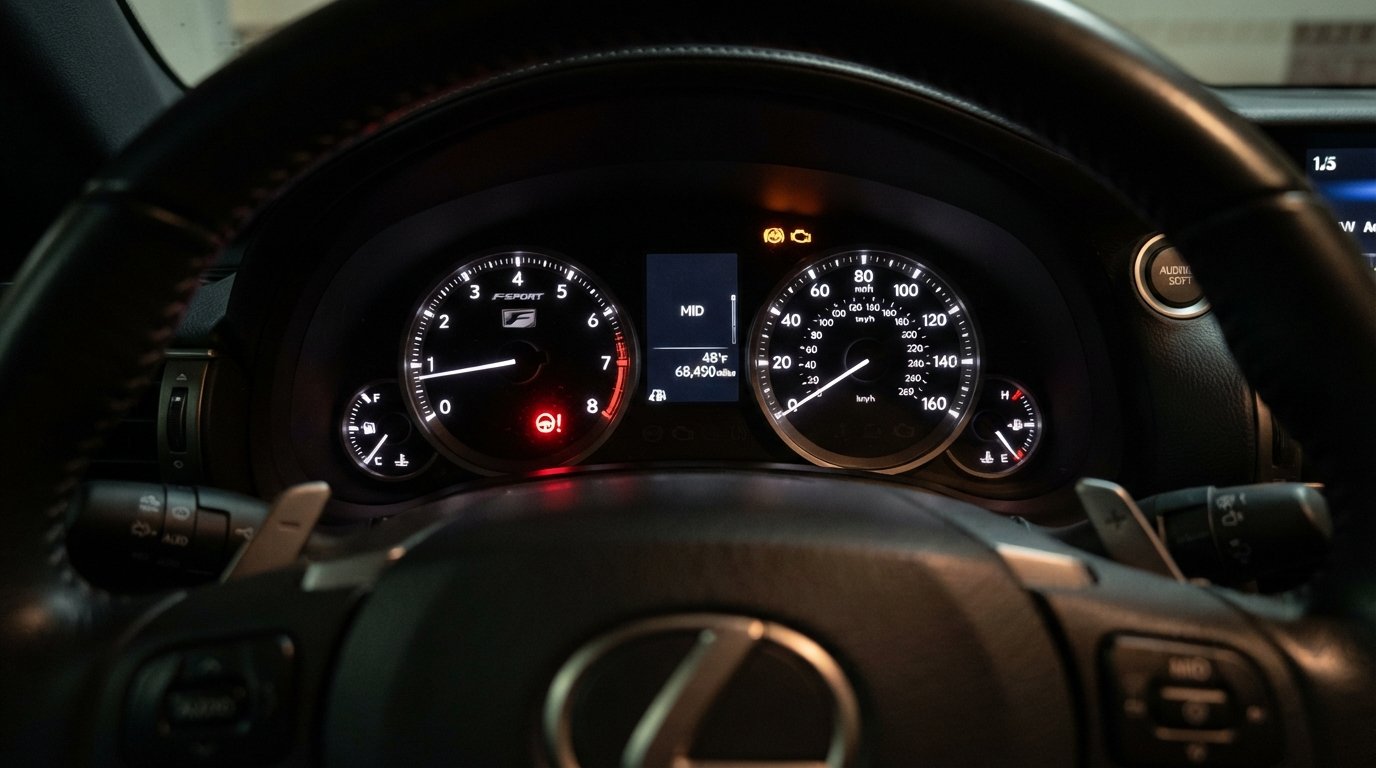
A weak battery can also confuse control modules. If several unrelated warning lights appear at the same time, low voltage should be considered before assuming many systems failed together.
An OBD2 scanner may help by showing voltage-related trouble codes or module voltage data. If you are not sure how scanner data works, this guide on how to read live data from OBD-II scanners can help you understand what the scanner is actually showing.
4. The Car Starts Only After a Jump
If your car starts after a jump but struggles again later, the battery may not be holding a charge. This is one of the clearest bad battery symptoms, but it still needs one more step: find out why the battery was low.
A battery can be weak because it is old. It can also be drained by a light left on, short trips, a parasitic draw, loose terminals, or an alternator that is not charging properly.

Here is the simple pattern:
| What Happens After Jump Start | Likely Direction |
|---|---|
| Starts fine once, then fails next morning | Battery may not hold charge |
| Dies again while driving | Charging system may be failing |
| Needs jump after sitting several days | Battery drain or old battery |
| Jump does not help | Cable, starter, relay, or ground issue possible |
Do not keep jump-starting the car for weeks. Repeated low-voltage starts can stress electronic modules and leave you stranded at the worst time.
5. Battery Warning Light or Low-Voltage Codes Appear
The battery light on the dashboard does not always mean the battery itself is bad. In many cars, it points to a charging system problem. That may include the alternator, belt, wiring, or battery connection.
Still, a weak battery can trigger voltage-related issues. Low system voltage can create codes in the engine control module, body control module, ABS module, airbag module, or other systems depending on the vehicle.
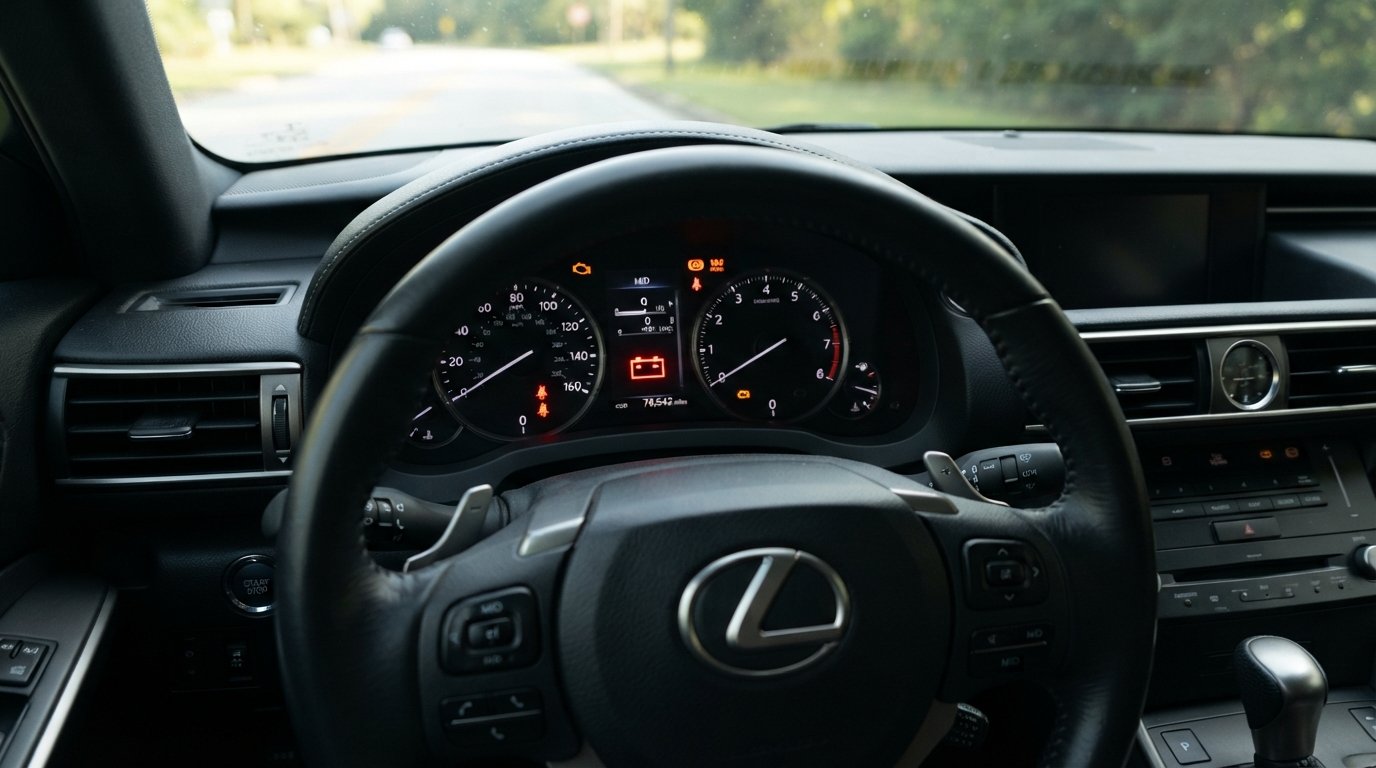
If the check engine light comes on, scan the vehicle before disconnecting the battery. You may find current, pending, stored, or permanent codes. If you are not sure how those categories differ, read this breakdown of pending vs stored vs permanent codes.
A full code scan is useful because low voltage can create misleading symptoms. You can also compare your results with an OBD2 codes list and meaning guide to understand whether the code points to voltage, charging, communication, or another system.
6. The Battery Terminals Are Corroded, Loose, or Dirty
Sometimes the battery is not the only problem. The battery may be fine, but the power cannot flow properly because the terminals are corroded or loose.
Corrosion often looks white, green, or bluish around the battery posts. It can create resistance, which reduces the current reaching the starter. The result may look exactly like a weak battery: slow cranking, clicking, dim lights, or random electrical problems.
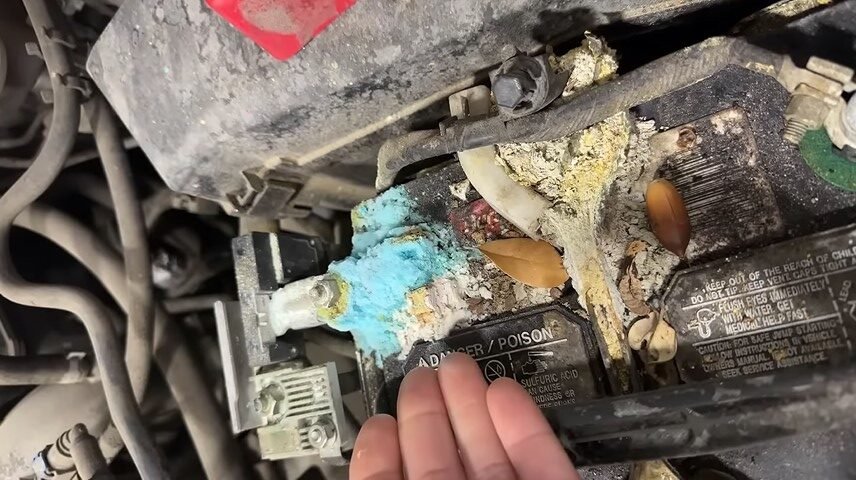
Do not just wipe the top of the battery and move on. Check that both terminals are tight, the cables are not cracked, and the ground connection is secure. A loose negative cable can cause intermittent no-start problems that seem random.
For basic testing, a digital multimeter, battery terminal cleaner, and simple hand tools are often enough. If you want a cleaner diagnostic setup, this list of must-have automotive electrical tools is useful for battery and voltage checks.
7. The Battery Is Old, Swollen, Leaking, or Smells Bad
Age matters. Many car batteries last around three to five years, but heat, cold, short trips, vibration, and long parking periods can shorten battery life.
If the battery case is swollen, cracked, leaking, or smells like rotten eggs, treat it seriously. A swollen battery may have internal damage. A sulfur smell can mean the battery is venting gas or has been overcharged.
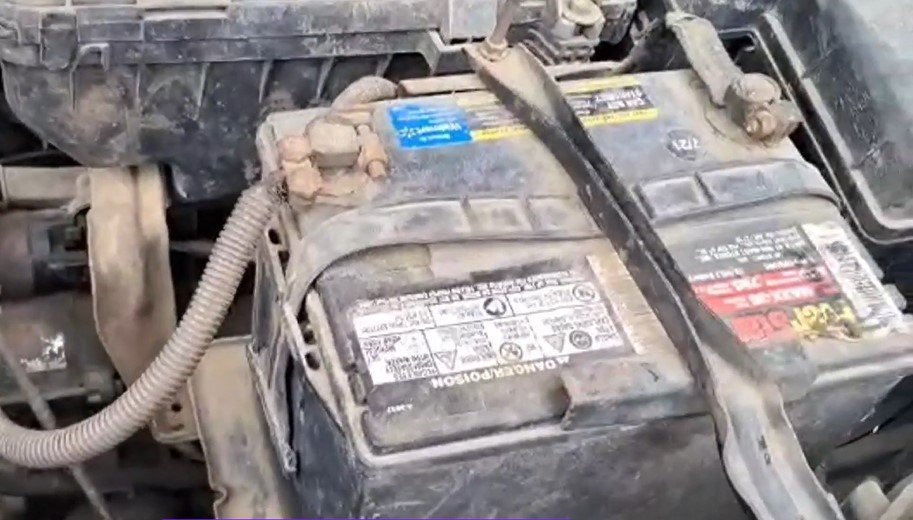
Do not try to “bring back” a damaged battery that is leaking or swollen. That is not a normal maintenance issue. Replace it safely and check charging voltage so the new battery is not damaged by the same problem.
If replacement is needed, you can compare expected pricing here: car battery replacement cost.
Bad Battery vs Bad Alternator vs Bad Starter
These problems overlap, so this table helps separate them:
| Problem | Common Clue | What Usually Happens |
|---|---|---|
| Bad battery | Slow crank, needs jump, low resting voltage | Car struggles before engine starts |
| Bad alternator | Battery light, dimming while driving, battery keeps dying | Car may start, then lose power later |
| Bad starter | One click, no crank, battery tests good | Power is available but starter does not turn |
| Bad cable/ground | Random no-start, intermittent clicking | Voltage cannot flow properly |
If the engine cranks normally but does not start, the battery may not be the main issue. Then you would look at fuel, spark, crank sensor signal, immobilizer, or engine codes.
How To Test a Car Battery Before Replacing It
The best way to confirm bad battery symptoms is to test the battery instead of guessing.
First, inspect the terminals and cables. A loose or corroded connection can make a good battery act weak.
Next, check resting voltage with a multimeter after the car has been off for a while. A fully charged 12-volt battery is usually around 12.6 volts or a little higher. Around 12.4 volts means it is partly discharged. Around 12.2 volts or lower often means the battery is very low, though voltage alone does not prove battery health.
Then watch voltage while cranking. If voltage drops too low during start-up, the battery may be failing under load. A proper battery load test is better than a simple voltage check because a weak battery can show decent voltage with no load but fail when the starter pulls heavy current.
Finally, check charging voltage with the engine running. Many vehicles charge somewhere around the mid-13 to mid-14 volt range, depending on design and conditions. If charging voltage is too low or too high, the alternator or charging circuit may be part of the problem.
Can an OBD2 Scanner Detect a Bad Battery?
An OBD2 scanner can help, but it usually cannot replace a real battery load test. This is important because many drivers expect the scanner to say “bad battery” directly.
A basic code reader may only show engine codes. A better scan tool may show module voltage, freeze frame data, charging system codes, or communication errors caused by low voltage. That does not always prove the battery is bad, but it gives you direction.
If you want the detailed answer, read this guide on whether an OBD2 scanner can detect a bad battery.
Freeze frame can also help because it shows what was happening when a code set. For example, if a code appeared when system voltage was very low, that changes the diagnostic direction. This comparison of freeze frame vs live data explains when each one is useful.
Also remember scanner limits. A scanner reads data from vehicle modules; it does not physically stress-test the battery plates. This guide on what an OBD2 scanner cannot do explains those boundaries clearly.
What To Check Before You Replace the Battery
Before buying a new battery, check the basics:
| Check | Why It Matters |
|---|---|
| Battery age | Older batteries fail more often |
| Terminals and cables | Bad connection can mimic a dead battery |
| Resting voltage | Shows charge level |
| Load test | Shows real battery strength |
| Alternator output | Confirms the new battery will charge |
| Parasitic drain | Finds power draw while parked |
If you recently disconnected the battery to reset warning lights, be careful. Clearing memory does not fix the cause. This guide on whether the check engine light will stay off after disconnecting the battery explains why the light may return.
If you clear codes after repairing a low-voltage issue, do it properly and confirm the codes do not return. Here is a helpful guide on how to clear OBD2 codes.
Common Mistakes Drivers Make With Weak Batteries
One common mistake is trusting headlights as a battery test. Headlights may work even when the battery cannot crank the engine.
Another mistake is replacing the starter first because the car clicks. Clicking can come from a weak battery or bad connection.
Some drivers also clear codes before saving them. That can erase useful clues, especially if low voltage triggered several module warnings. If the check engine light behaves strangely or there are no codes when you expected codes, this article about check engine light on but no codes can help explain possible reasons.
The safest approach is simple: inspect, test, scan if warning lights are present, then replace parts only after the evidence points there.
FAQ About Bad Battery Symptoms
Can a bad battery still start the car sometimes?
Yes. A weak battery may start the car one day and fail the next, especially when the temperature changes or the car sits overnight.
Can a bad battery cause warning lights?
Yes, low voltage can trigger warning lights or module communication issues. But the warning light may also point to alternator, wiring, or control module problems, so testing is important.
Will jump-starting prove the battery is bad?
Not always. If the car starts with a jump, the battery may be weak, discharged, or not receiving proper charge. A load test gives a better answer.
Can an OBD2 scanner test battery health?
Some scanners can show voltage data and related codes, but a proper battery tester or load test is still the best way to confirm battery condition.
Final Thoughts
The most important bad battery symptoms are slow cranking, clicking, dim lights, strange electrical resets, frequent jump starts, corroded terminals, and physical battery damage.
Do not guess from one symptom alone. Check the terminals, test voltage, run a load test, and scan the vehicle if warning lights or codes appear. A weak battery is simple to replace, but replacing the wrong part because of low voltage can get expensive fast.