
A battery light on the dashboard does not always mean the battery is dead.
That little battery symbol usually means the car has noticed a charging system problem. The battery may be weak, but the alternator, belt, wiring, terminals, voltage regulator, or ground connection can also be the real reason.
This is why battery light problems can fool people. The car may still start. It may still drive normally for a while. But if the alternator is not charging, the vehicle is using the battery’s remaining power. Once that reserve is gone, the engine can stall and the car may not restart.
So before replacing the battery, it helps to understand the main battery light on causes and what to check first.
Battery Light On Causes: The Warning Is About Charging
When you first turn the key or press the start button, the battery light may come on briefly. That is normal. The warning lights are doing a quick self-check.
The problem is when the battery light stays on after the engine starts, comes on while driving, flickers, or appears with dim lights and weak electronics.
In that case, the car is usually warning you that system voltage is not where it should be. It may be too low, too high, or unstable.
The battery starts the engine. The alternator keeps the electrical system powered after the engine is running. If the alternator cannot recharge the battery, or if the charge cannot reach the battery, the warning light comes on.
That is why the correct first move is not “buy a battery.” The correct first move is to check the charging system. A scan tool can help with related codes, but it cannot replace voltage testing, so it is worth knowing what an OBD2 scanner cannot do before trusting codes alone.
What to Do First If the Battery Light Comes On
If the battery light comes on while driving, reduce electrical load immediately.
Turn off the AC, heated seats, rear defroster, extra lights, stereo, phone charger, and anything else you do not need. The less electrical load you use, the longer the battery may last.
Then drive to a safe place, home, or a repair shop. Do not keep driving normally and hope it goes away.
If the car is still running, avoid shutting it off somewhere unsafe. A weak battery or failed charging system may not have enough power to restart the engine.
Stop as soon as safely possible if you notice:
- Headlights getting dim
- Steering becoming heavy
- Temperature gauge rising
- Multiple warning lights
- Engine running rough
- Burning smell
- Belt noise
- Electrical accessories shutting off
Those signs mean the issue may be more urgent than a simple weak battery. If other warning lights come on with the battery light, you can also use a scanner to check stored faults; this guide on how to check engine light with scanner explains the basic process.
A Simple Voltage Test Tells a Lot
A multimeter can quickly separate several battery light on causes.
With the engine off, a healthy charged battery usually reads around 12.4 to 12.7 volts. If it is much lower, the battery may be discharged or weak.
With the engine running, voltage should usually rise to around 13.5 to 14.8 volts. That means the alternator is charging.
If the engine is running but voltage stays near 12 volts, the battery is not being charged properly. If voltage goes above 15 volts, the system may be overcharging, which can damage the battery and electronics.
Use this as a quick guide:
| Reading | What It Usually Means |
|---|---|
| 12.4–12.7V engine off | Battery is charged |
| 13.5–14.8V engine running | Charging system likely working |
| Around 12V engine running | Alternator, belt, wiring, or fuse issue |
| Above 15V engine running | Possible regulator/overcharging issue |
| Voltage jumps when cable moves | Loose/corroded connection |
This test does not replace full diagnosis, but it helps prevent random parts replacement. If you do your own basic electrical checks, a multimeter is one of the most useful automotive electrical tools to keep around.
1. Bad Alternator
A bad alternator is one of the most common reasons the battery light comes on.
The alternator powers the vehicle while the engine is running. It also recharges the battery after startup. If it gets weak or fails, the battery has to carry the electrical load by itself.
At first, the car may seem fine. But the battery is slowly draining. When voltage drops too low, the engine may stall.
Common signs of a bad alternator include dim headlights, flickering lights, slow power windows, weak blower motor, warning lights, whining noise, burning smell, or a battery that keeps going dead.

A new battery will not solve this if the alternator is the real problem. The new battery may start the car, but it will drain again if it is not being recharged.
2. Slipping or Broken Serpentine Belt
The alternator needs the serpentine belt to spin. If the belt slips, the alternator may not charge properly. If the belt breaks, charging can stop completely.
This can make the battery light appear suddenly while driving.
A slipping belt may squeal during startup, acceleration, or when the AC is on. A worn belt may look cracked, shiny, frayed, loose, or glazed.
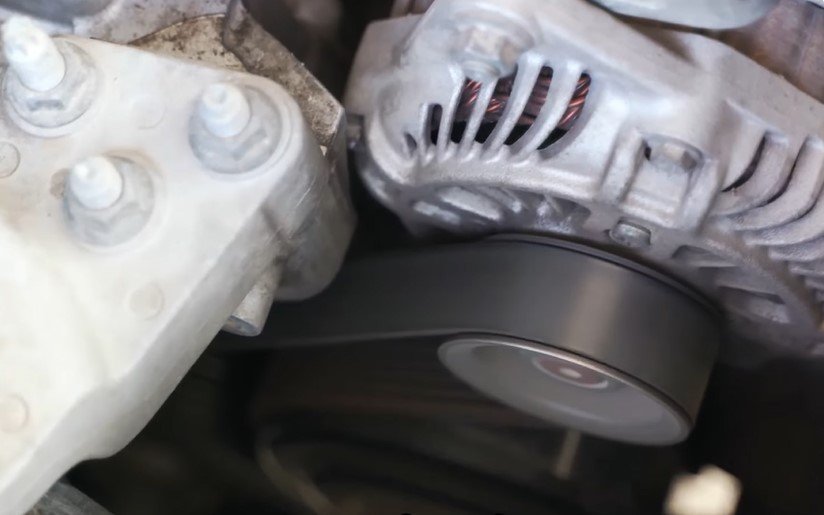
A broken belt can be more serious than a charging issue. On some vehicles, the same belt may also drive the water pump or power steering pump. That means the engine could overheat or steering could become heavy.
If the battery light comes on with belt noise, burning rubber smell, overheating, or heavy steering, do not keep driving.
3. Weak or Old Battery
A weak battery can also trigger the battery light if it cannot hold or accept charge properly.
Most car batteries last around three to five years, but heat, cold, short trips, long sitting periods, corrosion, and repeated jump-starts can shorten battery life.
Signs of a weak battery include slow cranking, clicking when starting, dim lights before startup, needing jump-starts, or voltage dropping after the car sits overnight.
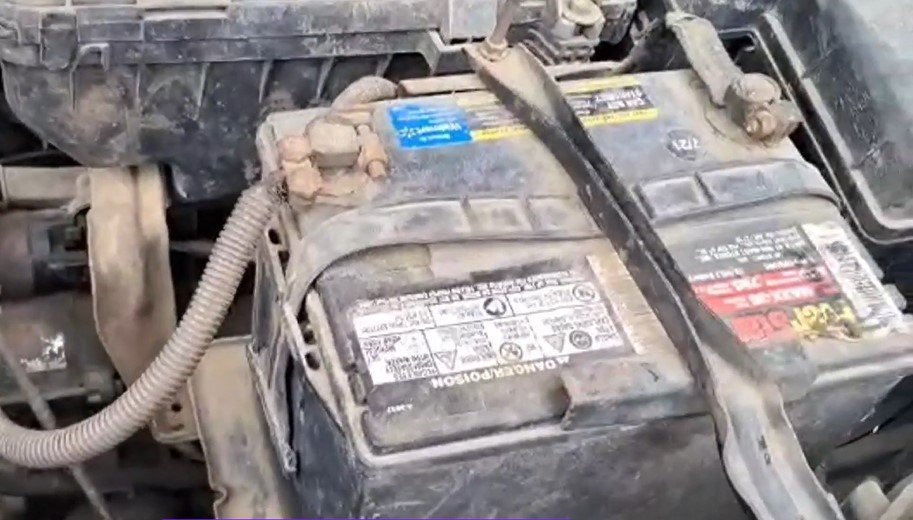
Still, a weak battery should be confirmed with a battery test. A bad alternator can make a good battery go dead. A weak battery can also make the alternator work harder.
This is why battery and alternator should be tested together. If the battery really does need replacement, this guide on car battery replacement cost can help you understand the likely repair expense.
4. Loose or Corroded Battery Terminals
Loose or corroded terminals can interrupt the flow of electricity between the battery and the rest of the car.
Corrosion often looks like white, green, or blue powder around the battery posts or cable ends. Loose clamps may move by hand or fail to make solid contact.
This can cause a battery light, slow starting, random electrical issues, or a warning light that comes and goes.
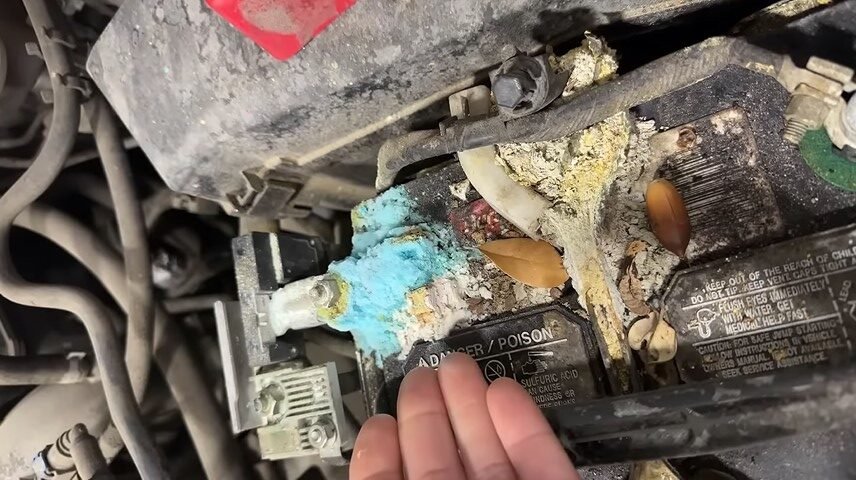
This is one of the easiest battery light on causes to check before buying parts. Open the hood and inspect the terminals. If they are dirty, loose, cracked, or damaged, fix that first.
Be careful when cleaning battery corrosion. Wear eye protection and gloves. Battery acid and corrosion can irritate skin and eyes. Also, some cars may lose settings or require relearn procedures if the battery is disconnected.
5. Faulty Voltage Regulator
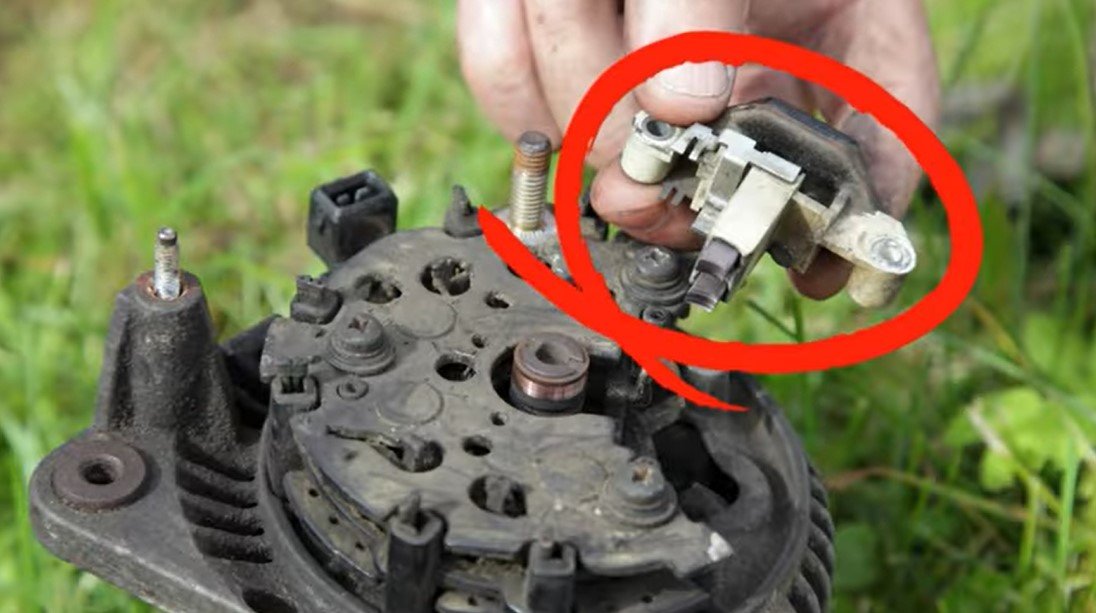
The voltage regulator controls alternator output. It keeps charging voltage within a safe range.
If it undercharges, the battery may not receive enough power. If it overcharges, the battery and electronics can be damaged.
Many modern alternators have the voltage regulator built inside the alternator. Some newer vehicles also use the engine computer to control charging.
Possible signs include:
- Battery light on
- Lights too bright or too dim
- Bulbs burning out
- Battery smell
- Swollen battery case
- Voltage above 15V
- Repeated battery failure
Overcharging is not something to ignore. A battery that is overcharged can overheat, leak, swell, or fail early.
6. Charging System Wiring, Fuse, or Fusible Link Problem
Sometimes the alternator is good, but the charge cannot reach the battery.
The problem may be a damaged wire, loose alternator connector, blown charging fuse, bad fusible link, corroded cable, or poor connection in the charging circuit.
This is especially possible when the battery light stays on after replacing the alternator.

The light may also come and go over bumps or during engine movement. That can happen when a wire or connector makes contact sometimes but not always.
A mechanic may test voltage at the alternator and at the battery. If the alternator output is good but the battery is not receiving it, the problem is likely in the wiring path.
7. Bad Ground, Battery Sensor, or Smart Charging Issue
Modern vehicles often use smart charging systems. Some have a battery current sensor, intelligent battery sensor, battery management system, or computer-controlled alternator.
If the sensor fails, the ground strap is weak, or the system is not reset correctly after battery replacement, the battery light may stay on even with a new battery.
A bad ground can also create confusing symptoms because the electrical system needs a clean return path.
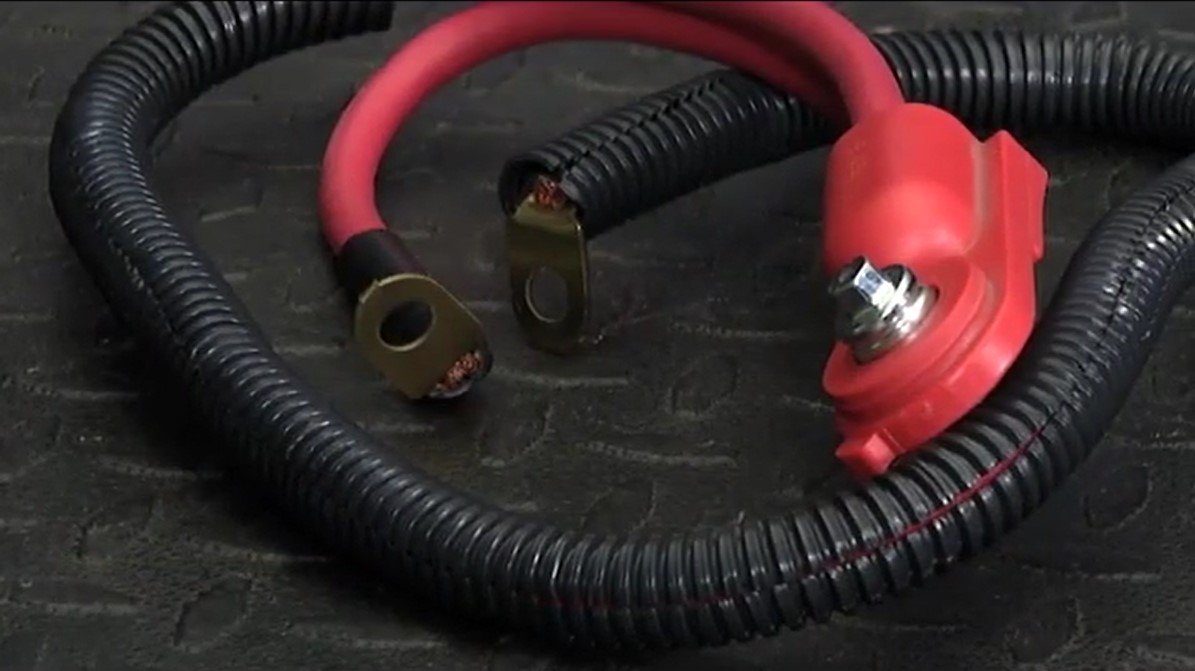
Signs may include random warning lights, flickering lights, unstable voltage, battery light after replacement, or charging codes stored in the computer.
This is one of the more overlooked battery light on causes, especially on newer vehicles. An OBD2 scanner may show system voltage or charging-related codes, but it cannot always prove the battery itself is bad. This article on whether an OBD2 scanner can detect a bad battery explains that limitation well.
Battery Light Comes On and Off
A flickering battery light usually means the problem is intermittent.
Possible causes include a loose terminal, slipping belt, failing alternator brush, weak alternator connector, corroded cable, bad ground, or damaged wiring.
The tricky part is that the car may test normal when the light is off. If possible, test voltage while the light is active.
Pay attention to when it happens. If it appears over bumps, suspect wiring or terminals. If it appears at idle, suspect low alternator output, weak battery, or belt slip. If it appears during acceleration, suspect belt slip or a connection reacting to engine movement.
Battery Light On After New Battery
If the battery light is on after installing a new battery, the battery may not have been the real problem.
Possible reasons include a bad alternator, loose terminal, bad ground, charging fuse problem, damaged cable, battery sensor issue, or a vehicle that needs battery registration.
A new battery can start the engine, but it cannot charge itself. If the alternator is not charging, the light will come back.
This is a common mistake: replacing the battery because the icon looks like a battery, then finding out the charging system was the real issue.
Battery Light On After New Alternator
A new alternator does not guarantee the system is fixed.
The problem could still be a loose belt, weak belt tensioner, bad alternator connector, blown fusible link, bad ground, weak battery, or wiring fault. Sometimes a replacement alternator can also be faulty.
The next step is voltage testing. Check charging voltage at the alternator and at the battery. If the alternator produces power but the battery does not receive it, the wiring path needs attention.
Can You Drive With the Battery Light On?
You can sometimes drive a short distance, but it is not safe to ignore.
If the alternator is not charging, the car is running on battery reserve. That reserve may last minutes or longer depending on battery condition and electrical load.
Turn off unnecessary electronics and head to a safe place. Do not take a long trip. Do not assume the car is fine because it still runs.
Also, do not disconnect the battery while the engine is running to “test” the alternator. That old trick can damage modern electronics.
How an OBD2 Scanner Fits Into Diagnosis
A scanner can help, but it is only one part of the diagnosis.
If the vehicle stores low-voltage or high-voltage codes, scan data can point you toward a charging system problem. If you are new to scan tools, this guide on how to use OBD2 scanner is a good basic starting point.
You may also see codes related to system voltage, communication problems, or other modules reacting to low voltage. When that happens, compare the code with an OBD2 codes list before replacing parts.
But remember: codes do not replace a voltage test. A scanner may show symptoms of low voltage, while the real cause is a bad alternator, slipping belt, corroded cable, weak battery, or blown fusible link.
Common Mistakes to Avoid
Do not replace the battery without testing the alternator.
Do not replace the alternator without checking the belt, terminals, fuse, wiring, and ground.
Do not ignore a flickering battery light.
Do not keep driving because the car still starts.
Do not assume jump-starting fixed the problem. If the alternator is bad, a jump-start may only get the engine running temporarily.
A battery light should be treated as a charging system warning, not a single-part diagnosis.
Final Takeaway
The main battery light on causes include a bad alternator, slipping serpentine belt, weak battery, loose or corroded terminals, faulty voltage regulator, wiring or fusible link problems, bad grounds, and smart charging sensor issues.
Start with the simple checks: terminals, belt, and voltage. If engine-running voltage is low or too high, do not guess. Test the charging system properly.
The battery light may look small, but it can leave you stranded fast if the car is no longer charging.