
The worst time to learn a dashboard symbol is when it suddenly appears while you are driving.
One small light comes on. The car still moves. The engine still runs. Nothing feels broken yet. So it is easy to think, “I’ll check it later.”
Sometimes that is fine. But sometimes that little symbol is the first warning before overheating, brake trouble, low oil pressure, charging failure, airbag system problems, or expensive engine damage.
That is why Dashboard Warning Lights should not be treated like random reminders. They are your car’s way of saying, “Something changed. Pay attention.”
The important thing is knowing which warning light means stop now, which one means diagnose soon, and which one simply means a system is active. A red oil pressure light is not the same as a low fuel light. A flashing check engine light is not the same as a solid amber light. An ABS light is not the same as a red brake warning light.
This guide explains 14 Dashboard Warning Lights you should never ignore, what they usually mean, what to check first, and when a basic OBD2 scanner is enough versus when you need a full-system scan tool. If you are not sure about that difference, this guide on code reader vs scan tool is a useful starting point.
Dashboard Warning Lights: The Fast Way To Judge the Risk
Before you worry about the exact symbol, look at the color and behavior of the light.
| Light Type | What It Usually Means | First Action |
|---|---|---|
| Red warning light | Serious problem or safety risk | Stop safely and check immediately |
| Amber/yellow warning light | Fault detected, service needed | Drive carefully and diagnose soon |
| Flashing warning light | Active problem happening now | Treat as urgent |
| Green/blue/white light | System is on or operating | Usually not a fault |
Red Dashboard Warning Lights usually deserve the fastest reaction. They can involve oil pressure, overheating, brakes, steering, battery charging, or safety systems.
Amber warning lights still matter, but they often give you more time to diagnose the issue. A solid check engine light, ABS light, or TPMS light may not mean the car must stop instantly, but it should not be ignored.
A flashing light is different. Flashing usually means the problem is active right now. A flashing check engine light, for example, can point to a serious misfire that may damage the catalytic converter.
The 60-Second Check Before You Keep Driving
When a warning light appears, do not rush to clear it. The light is not the problem. It is the message.
First, ask these questions:
- Is the light red, amber, or flashing?
- Is the engine overheating?
- Is the oil pressure light on?
- Does the brake pedal feel soft or strange?
- Is the car losing power, shaking, smoking, or smelling burnt?
- Did several warning lights appear at once?
- Did the light come on right after battery work, tire work, or fueling?
If the car feels unsafe, pull over. If the light is red or flashing, take it seriously. If it is amber and the car drives normally, you may be able to drive carefully to a safe place and scan it.
The key is this: scan the car before clearing the code. If you erase the warning too early, you may lose freeze frame data, pending codes, stored codes, or module information that helps explain what happened. This is why it helps to understand pending vs stored vs permanent codes before you reset anything.
1. Check Engine Light
The check engine light is one of the most common car dashboard warning lights. It can mean something simple, like a loose gas cap, or something more serious, like a misfire, lean condition, bad sensor reading, catalytic converter problem, or transmission-related fault.
A solid check engine light usually means the engine computer has detected a problem and stored a diagnostic trouble code. The car may still drive normally, but the problem should be checked soon.
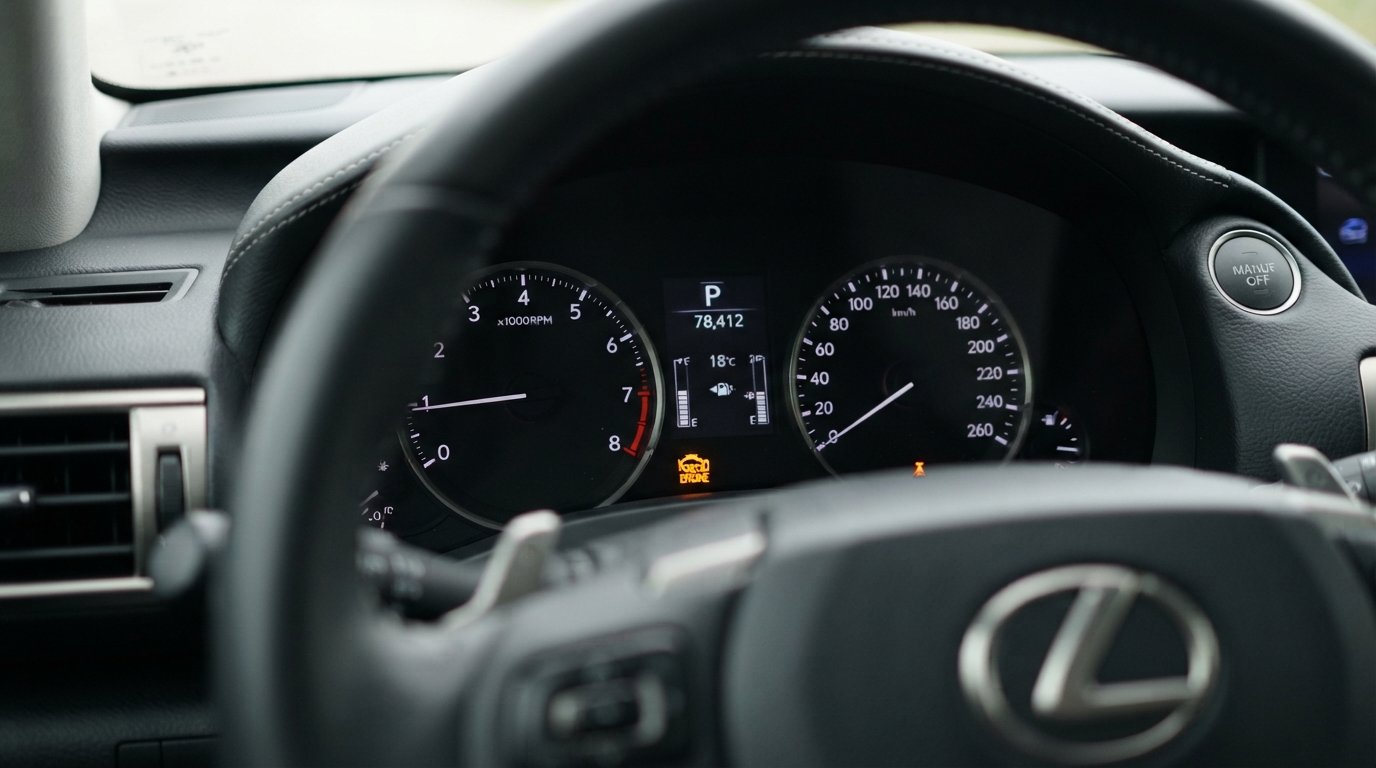
A flashing check engine light is more serious. It often means an active misfire. Driving with a flashing check engine light can damage the catalytic converter, especially if the engine is shaking or running rough.
What to do first:
- Tighten the gas cap if the light came on after fueling.
- Reduce speed and avoid hard acceleration.
- Scan the OBD2 codes.
- Check freeze frame data before clearing anything.
- If the light is flashing, stop driving as soon as safely possible.
A basic OBD2 scanner can usually read check engine codes. If you are new to this, start with this guide on how to check engine light with a scanner.
But the code is only a clue. A P0171 lean code, for example, does not automatically mean the oxygen sensor is bad. It could be a vacuum leak, weak fuel pump, dirty MAF sensor, exhaust leak, or fuel trim issue. For a broader code breakdown, see this OBD2 codes list and meaning guide.
If the check engine light is on but your scanner shows nothing, that does not always mean the car is fine. This guide explains why a check engine light can be on but no codes show.
2. Oil Pressure Warning Light
The oil pressure light is one of the most dangerous Dashboard Warning Lights to ignore. It usually looks like an oil can.
This light does not simply mean “change your oil.” It means the engine may not have enough oil pressure to protect internal parts.
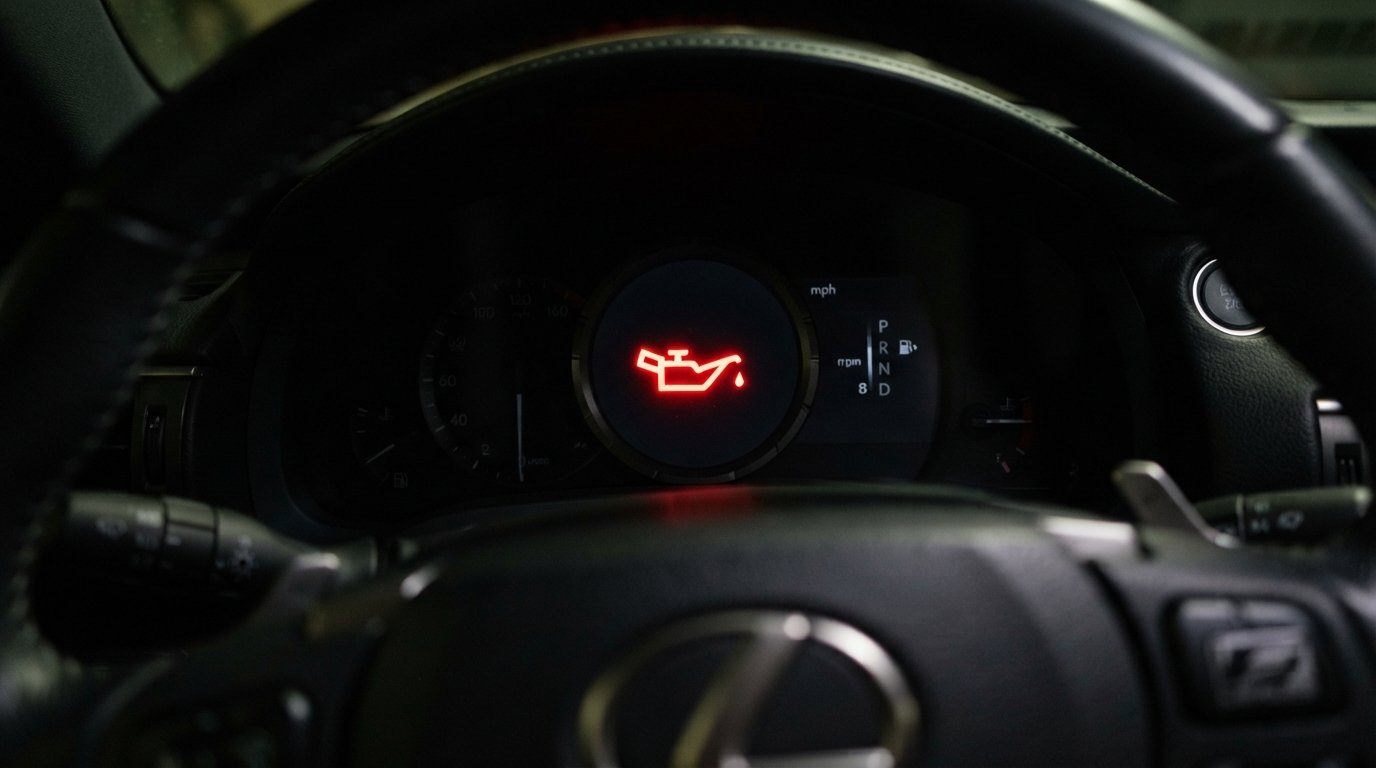
Possible causes include:
- Low engine oil level
- Oil leak
- Faulty oil pressure sensor
- Failing oil pump
- Clogged oil pickup tube
- Wrong oil viscosity
- Internal engine wear
What to do first:
- Pull over safely.
- Turn the engine off.
- Check the oil level.
- Do not keep driving if the light stays on.
Low oil pressure can damage bearings, timing components, camshafts, and other internal engine parts. This is not the kind of light you should “watch for a few days.”
A scanner may show related codes, but oil pressure diagnosis often needs manual inspection or mechanical pressure testing. Also, do not confuse this with an oil maintenance reminder. Some scanners can reset service reminders, but that is different from diagnosing low oil pressure. Here is a separate guide on whether an OBD2 scanner can reset an oil light.
3. Coolant Temperature Warning Light
The coolant temperature warning light means the engine is getting too hot. It may appear as a thermometer symbol or a temperature warning message.
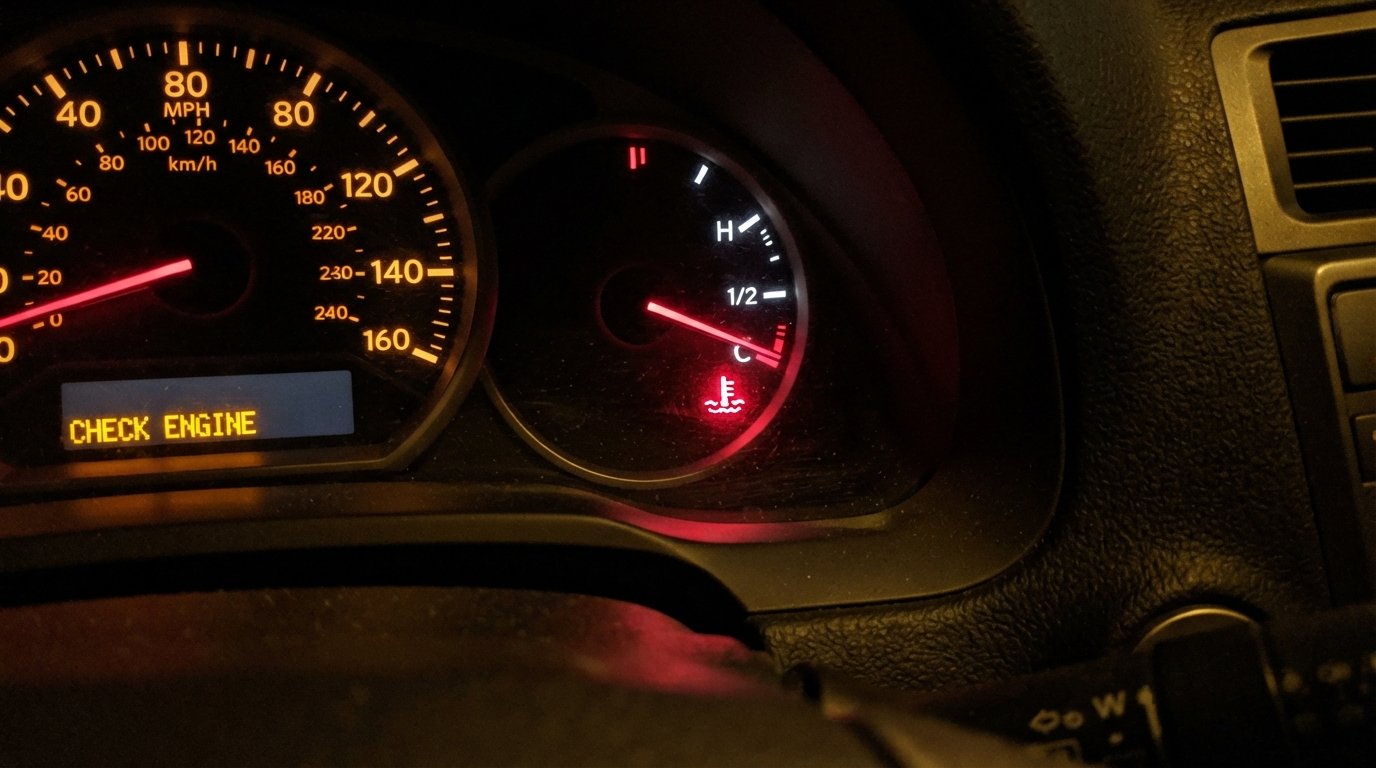
Common causes include:
- Low coolant
- Coolant leak
- Stuck thermostat
- Bad radiator fan
- Failing water pump
- Clogged radiator
- Air trapped in the cooling system
- Blown head gasket
What to do first:
- Turn off the A/C.
- Pull over safely.
- Shut the engine off.
- Let the engine cool.
- Do not open the radiator cap while the engine is hot.
Overheating can warp the cylinder head, damage the head gasket, and ruin the engine. If steam is coming out or the gauge is in the red, do not keep driving.
An OBD2 scanner can help by showing live coolant temperature. That is useful because the dashboard gauge may not show the exact number. If you want to understand this better, read this guide on how to read live data from OBD-II scanners.
4. Battery or Charging System Light
The battery warning light does not always mean the battery itself is bad. Most of the time, it means the charging system is not working correctly.
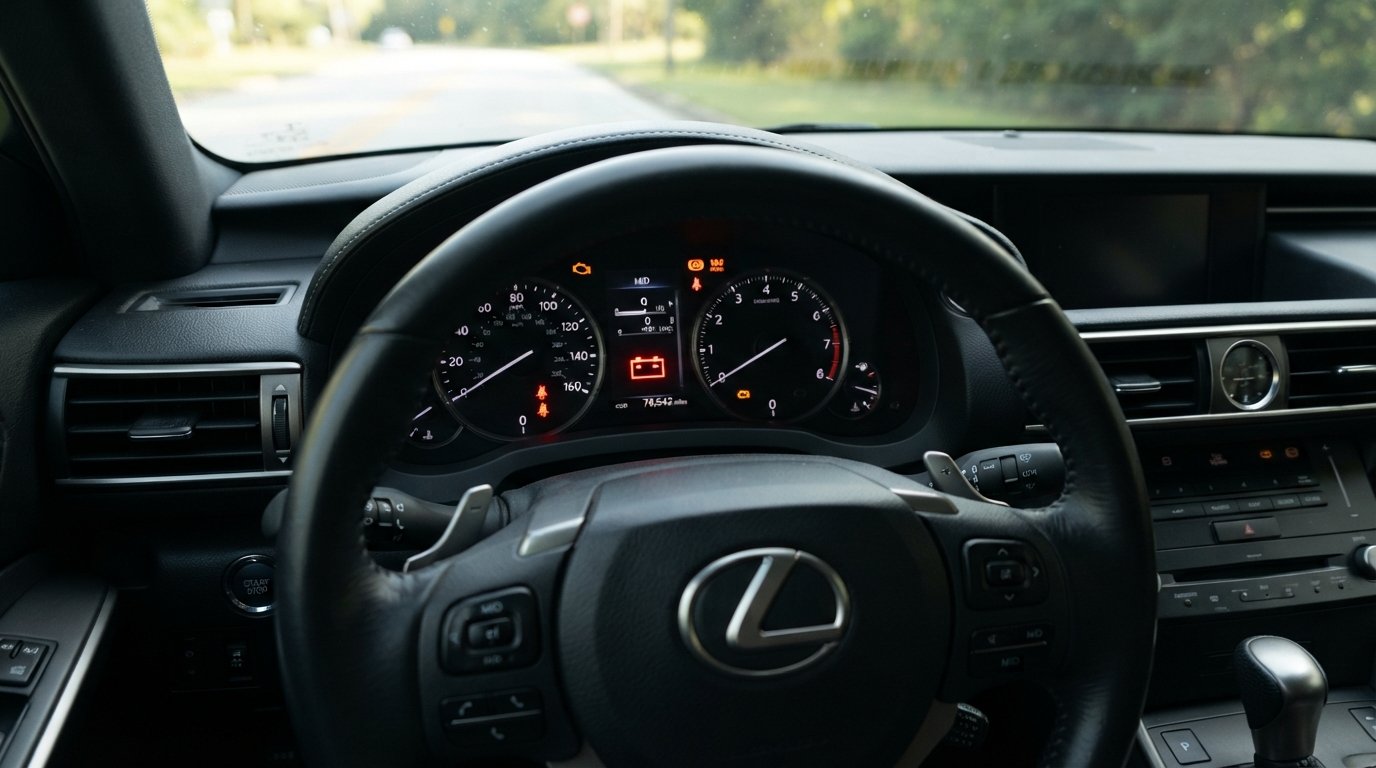
Possible causes include:
- Bad alternator
- Loose or broken serpentine belt
- Weak battery
- Corroded battery terminals
- Bad battery cable
- Wiring problem
- Voltage regulator fault
What to do first:
- Turn off unnecessary electrical loads.
- Check if the serpentine belt is still in place.
- Avoid a long drive.
- Test battery voltage and alternator output.
If the alternator is not charging, the car may run only until the battery drains. Then it can stall and may not restart.
Some scan tools show battery voltage in live data. A running vehicle is often around 13.5 to 14.7 volts, depending on the system. If voltage stays close to battery-only voltage while the engine is running, the charging system needs attention. This guide explains what an OBD2 scanner can and cannot tell you about a bad battery.
5. Brake Warning Light
The brake warning light is one of the most important Dashboard Warning Lights because it can involve stopping power.
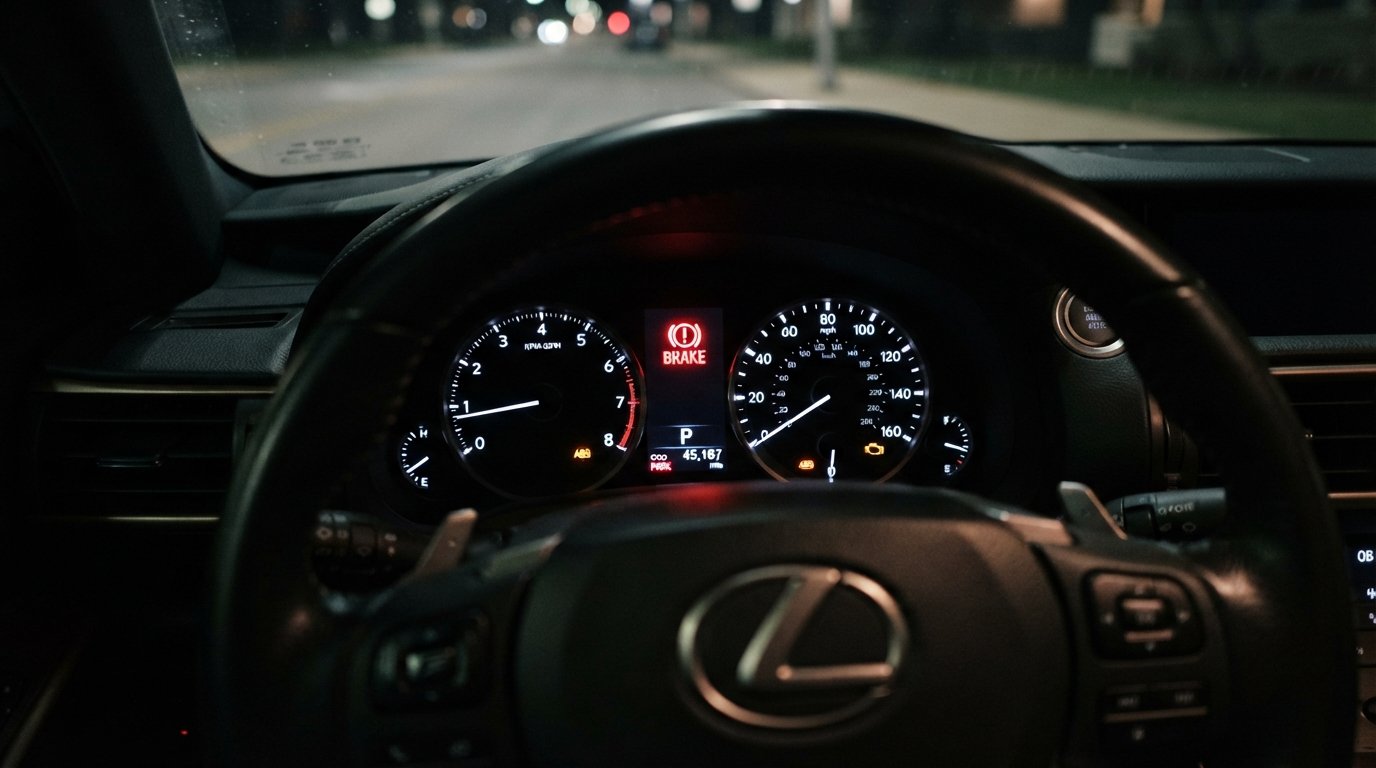
It may mean:
- Parking brake is still engaged
- Low brake fluid
- Brake hydraulic problem
- Worn brake pads on some vehicles
- Brake system fault
What to do first:
- Make sure the parking brake is fully released.
- Check brake fluid level if safe.
- Pay attention to brake pedal feel.
- Stop driving if the pedal feels soft, sinks, or the car does not stop normally.
If the red brake light and ABS light are both on, be extra careful. The braking system may have a more serious fault.
A basic OBD2 scanner usually will not read brake system codes. For brake module or ABS faults, you need an ABS-capable or full-system scanner.
6. ABS Warning Light
The ABS light means the anti-lock braking system has detected a problem. Your regular brakes may still work, but ABS may not help during hard braking or slippery conditions.
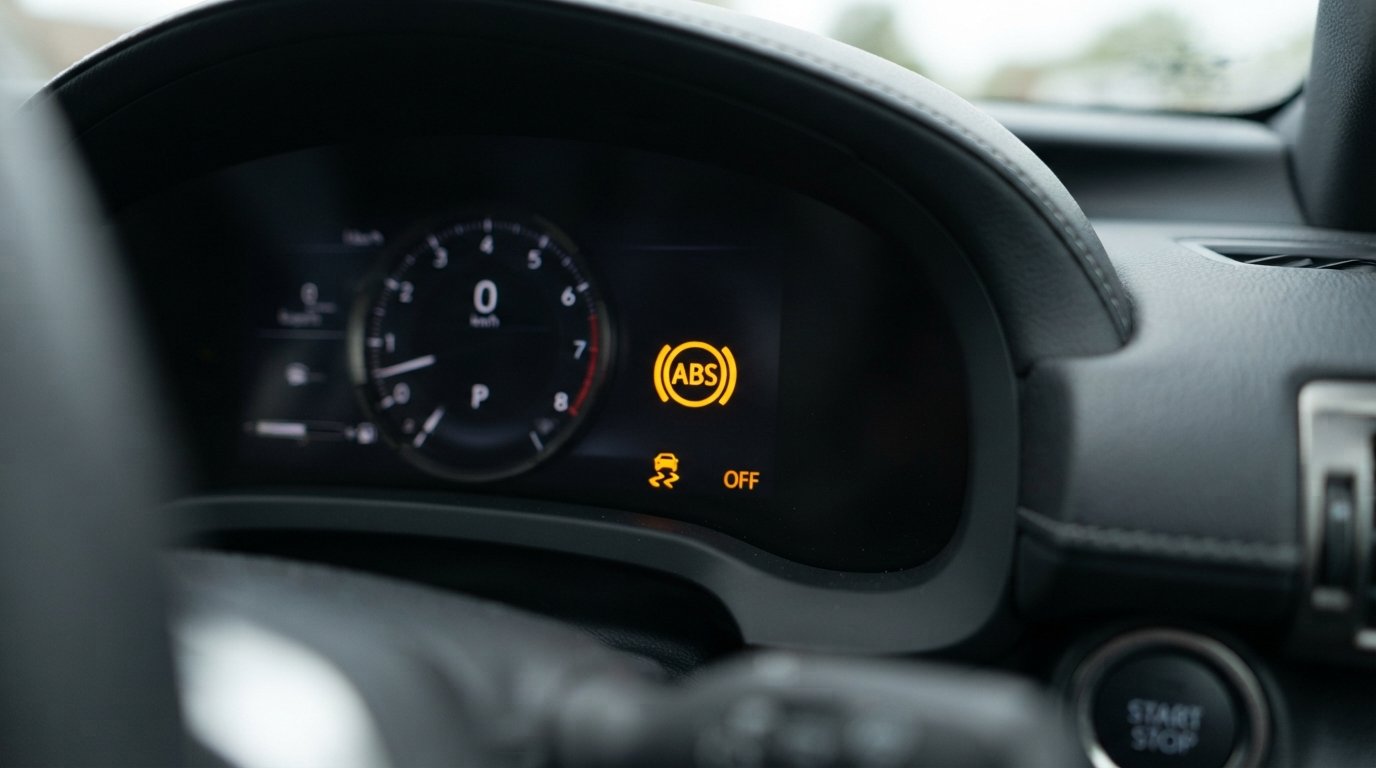
Common causes include:
- Bad wheel speed sensor
- Damaged sensor wiring
- Dirty or damaged tone ring
- Bad wheel bearing with sensor issue
- ABS module fault
- Low system voltage
What to do first:
- Drive carefully.
- Avoid sudden braking when possible.
- Scan the ABS module with a compatible scanner.
This is a common scanner mistake. A basic engine-only OBD2 scanner may say “no codes,” even though the ABS light is on. That does not mean there is no problem. It may only mean your scanner cannot talk to the ABS module. For more detail, see this guide on whether a basic OBD2 scanner can read ABS codes.
If the ABS fault turns into a repair, this guide on ABS system repair cost can help you understand the possible expense.
7. Airbag or SRS Warning Light
The airbag warning light means the supplemental restraint system has detected a fault. The car may drive normally, but the safety system may not work correctly in a crash.
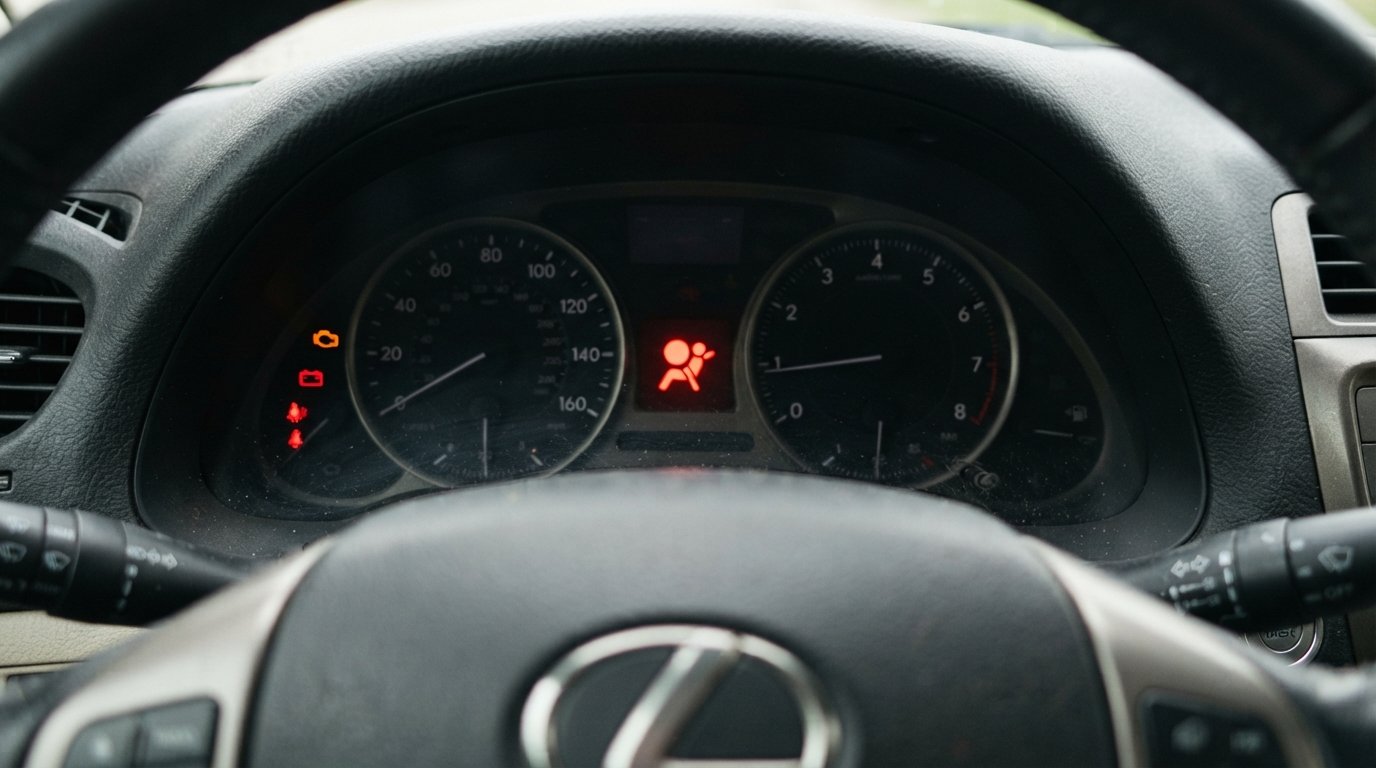
Possible causes include:
- Seat belt pretensioner fault
- Occupant sensor issue
- Clock spring problem
- Airbag module fault
- Wiring under the seat
- Low voltage event
- Previous collision repair issue
What to do first:
- Do not ignore it because the car drives fine.
- Do not randomly unplug airbag connectors.
- Scan the SRS module with an airbag-capable scanner.
A basic OBD2 scanner usually cannot read airbag codes. You need an SRS-capable scanner or full-system diagnostic tool. This article explains whether an OBD2 scanner can read airbag codes.
After a real repair, the light may need to be cleared correctly. This guide on how to reset an airbag light is useful, but the reset should not be used to hide an unfixed safety problem.
8. TPMS or Tire Pressure Warning Light
The TPMS light means one or more tires may be low on air, or the tire pressure monitoring system has a fault.
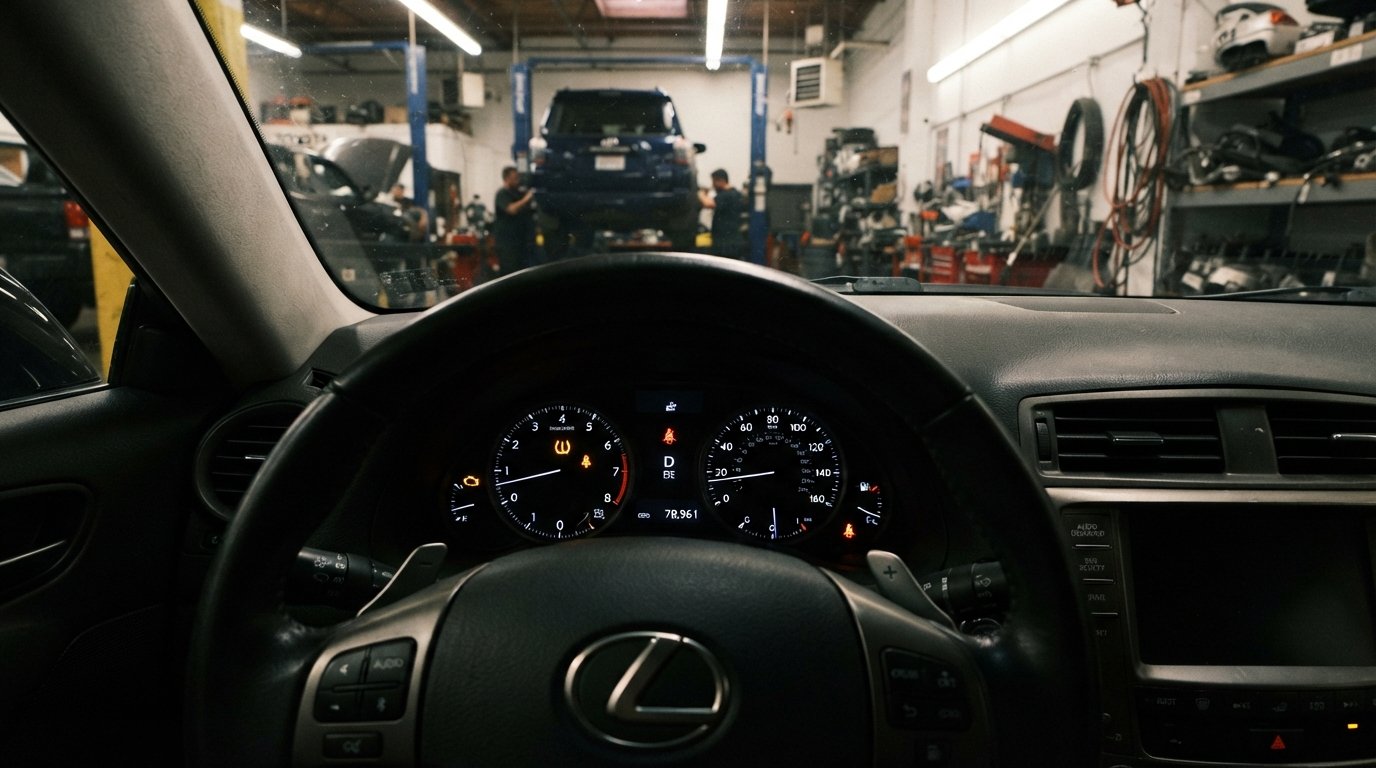
Possible causes include:
- Low tire pressure
- Tire puncture
- Temperature change
- Bad TPMS sensor battery
- Sensor relearn needed
- Wrong or missing sensor
What to do first:
- Check tire pressure with a gauge.
- Inflate tires to the pressure on the driver door sticker.
- Inspect for nails, leaks, or sidewall damage.
A solid TPMS light often means low pressure. A blinking TPMS light that later stays on often means a sensor or system fault.
If you want the basics, this guide explains what TPMS means on a car. Many basic OBD2 scanners cannot read TPMS data. Some advanced scanners can, but TPMS relearn work may require a dedicated tool, which is why a best TPMS tool guide can be helpful.
9. Traction Control or Stability Control Light
The traction control light can be normal or it can mean a fault.
If it flashes on a slippery road, the system may simply be working. If it stays on all the time, the system may be disabled or malfunctioning.
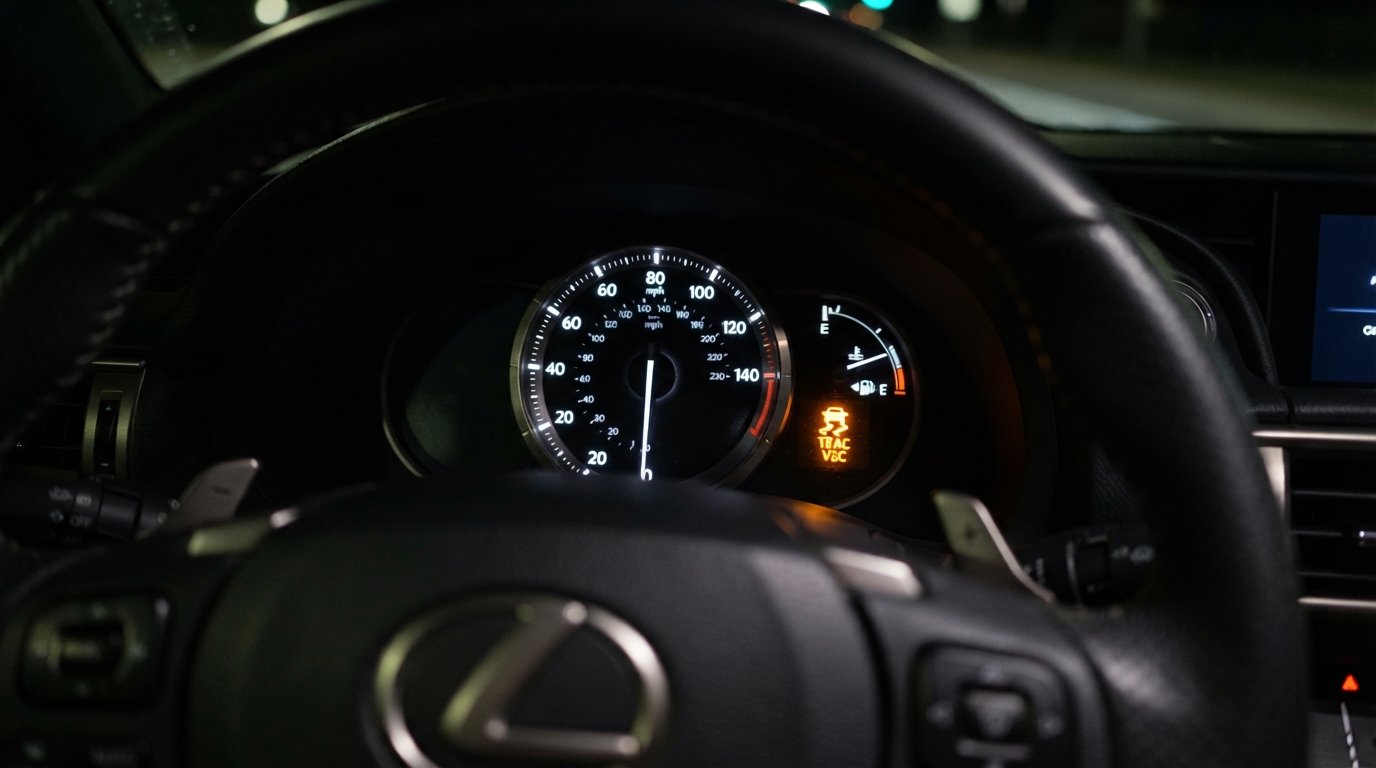
Common causes include:
- Wheel speed sensor issue
- ABS fault
- Steering angle sensor problem
- Brake switch fault
- Yaw rate sensor issue
- Low voltage
What to do first:
- Check if traction control was turned off manually.
- Look for an ABS light at the same time.
- Scan ABS or stability control codes with a compatible scanner.
Traction control and ABS often share the same wheel speed sensor data, so one sensor problem can trigger several warning lights. If your vehicle shows a TRAC message, this guide on the TRAC OFF light is closely related.
10. Transmission Temperature or Transmission Warning Light
A transmission warning light may appear as a gear symbol, thermometer, or dashboard message. This light matters because heat can damage transmission fluid and internal parts.
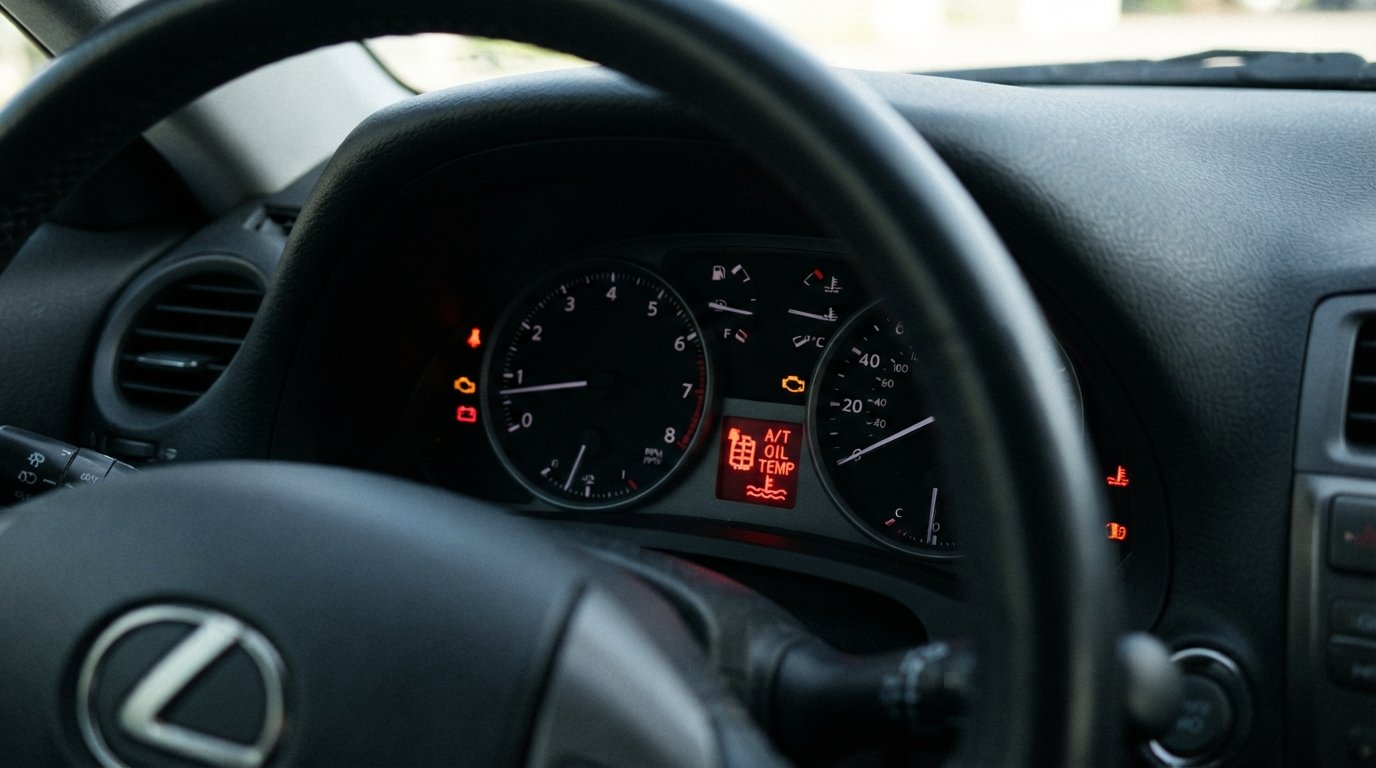
Possible causes include:
- Overheated transmission fluid
- Low transmission fluid
- Internal transmission fault
- Torque converter issue
- Transmission control module fault
- Cooling system problem
What to do first:
- Pull over safely.
- Let the transmission cool.
- Avoid towing or hard acceleration.
- Scan transmission codes if the light returns.
Many basic OBD2 scanners read only generic engine codes. Transmission codes and live transmission temperature often require an enhanced or full-system scanner. This guide answers the common question: Can an OBD2 scanner read transmission codes?
If the problem points to the control module, this article on transmission control module repair cost may also be useful.
11. Power Steering Warning Light
The power steering warning light often looks like a steering wheel with an exclamation mark. In newer cars, it usually relates to electric power steering.
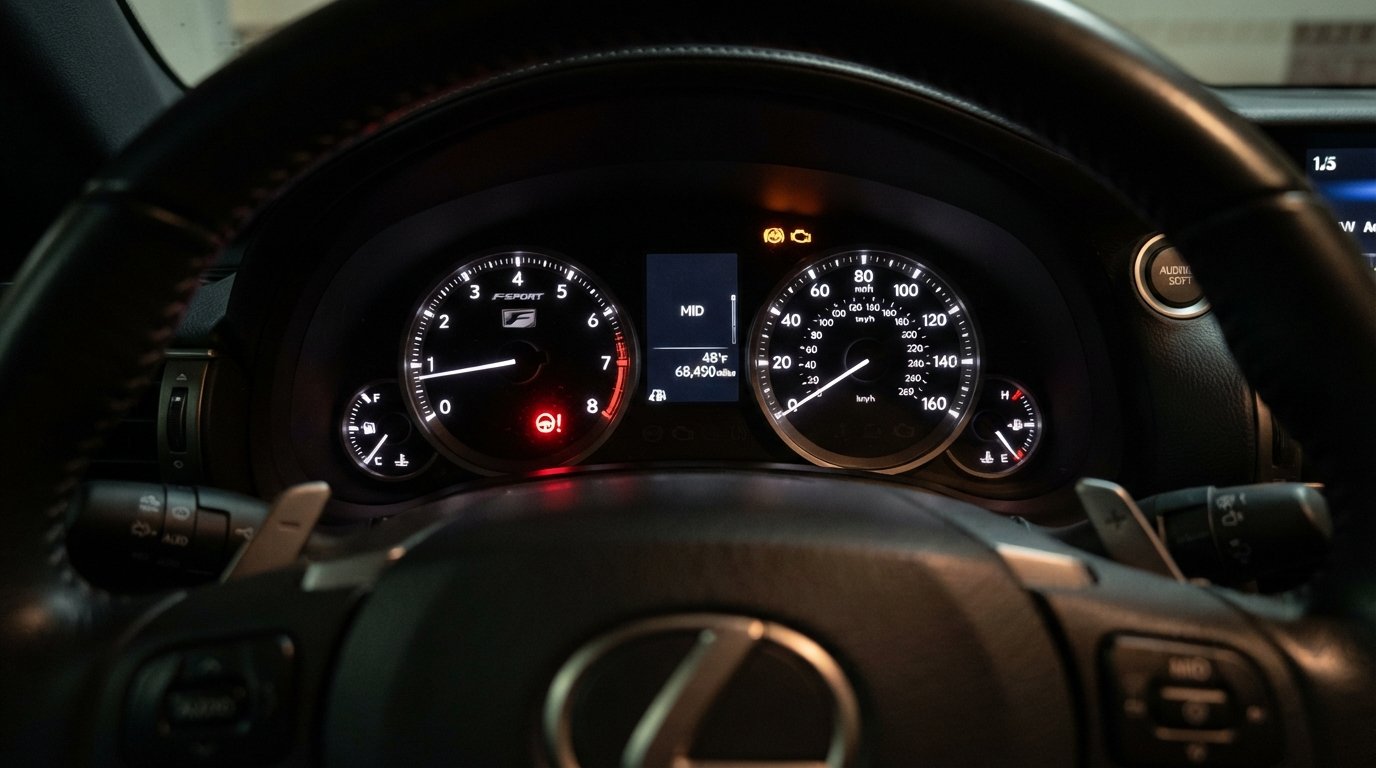
Possible causes include:
- Electric power steering fault
- Low voltage
- Steering angle sensor issue
- Power steering module fault
- Low fluid in hydraulic systems
- Belt problem in older vehicles
What to do first:
- Notice if steering feels heavy.
- Pull over if the car is hard to control.
- Check battery/charging voltage if several lights appeared at once.
If steering assist fails, the car may still turn, but it can become difficult to steer, especially at low speed. Many steering faults require a scanner that can read more than generic engine codes.
12. Master Warning Light
The master warning light is usually a triangle with an exclamation mark. It does not always point to one specific part. It means the car wants you to check another warning message.
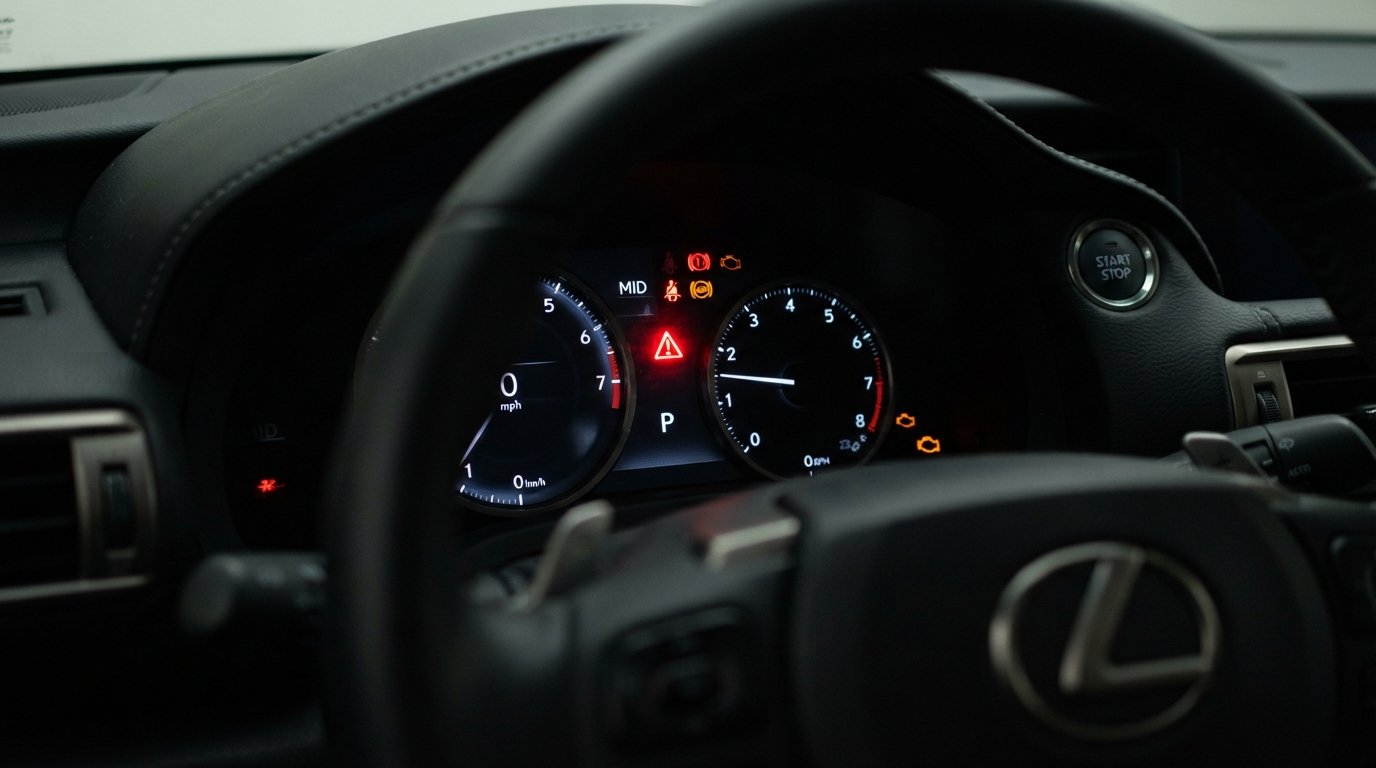
Possible causes include:
- Low fluid warning
- Door, hood, or trunk open
- Keyless system warning
- Hybrid system alert
- Brake warning
- Maintenance reminder
- Sensor fault
What to do first:
- Read the message on the instrument cluster.
- Check the owner’s manual.
- Scan all modules if the warning is unclear.
The master warning light can be minor or serious. The attached message matters more than the triangle itself. If your scanner cannot access the needed module, that is a scanner coverage issue, not proof that the car has no fault.
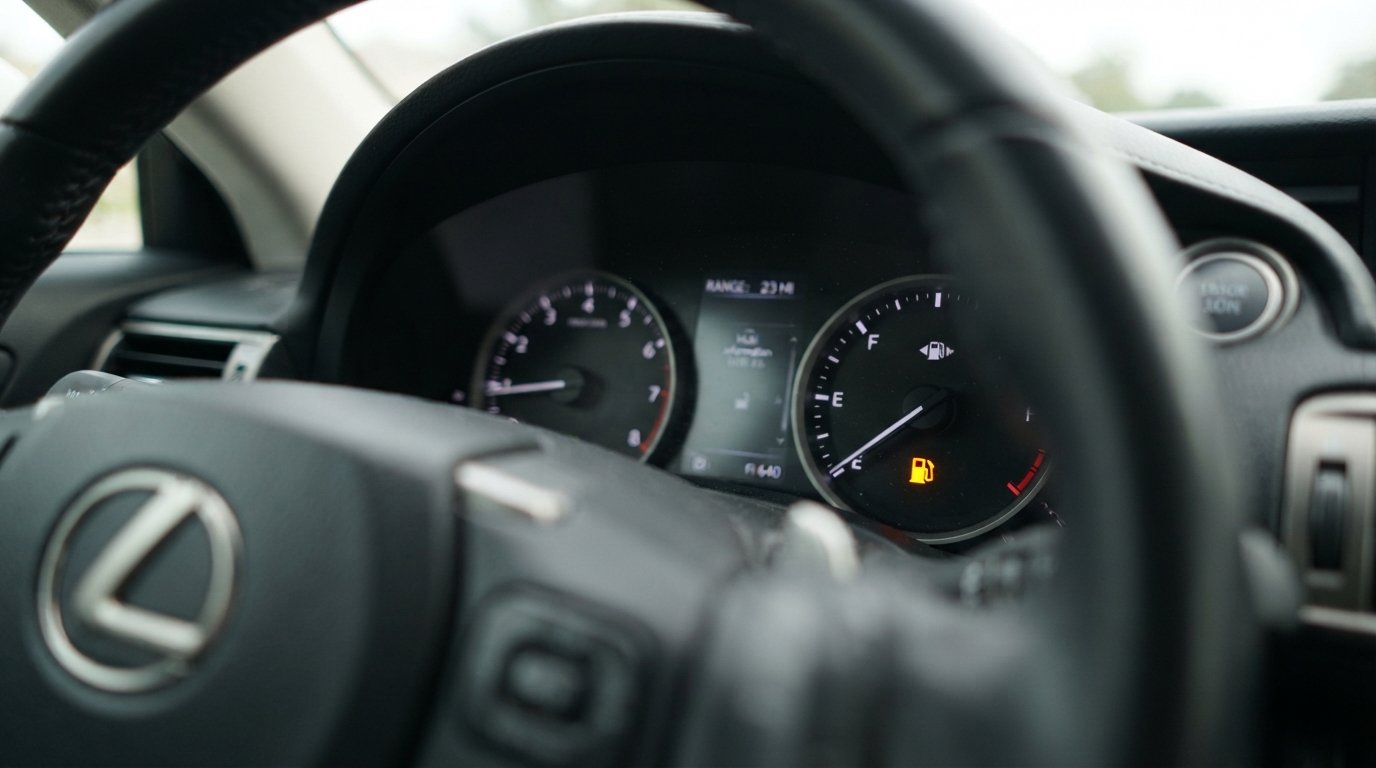
13. Low Fuel Warning Light
The low fuel light is usually not an emergency, but it still should not become a habit.
Driving very low on fuel can leave you stranded. It may also stress the in-tank fuel pump over time because fuel helps cool and lubricate it.
What to do first:
- Refuel soon.
- Avoid steep hills or hard cornering with a nearly empty tank.
- Do not repeatedly drive on empty.
If the fuel gauge acts strangely or the light comes on at the wrong time, the fuel level sender may need diagnosis. Some vehicles can show fuel level data through the OBD system, but not all scanners and vehicles support it. This guide explains whether an OBD-II device can read fuel level.
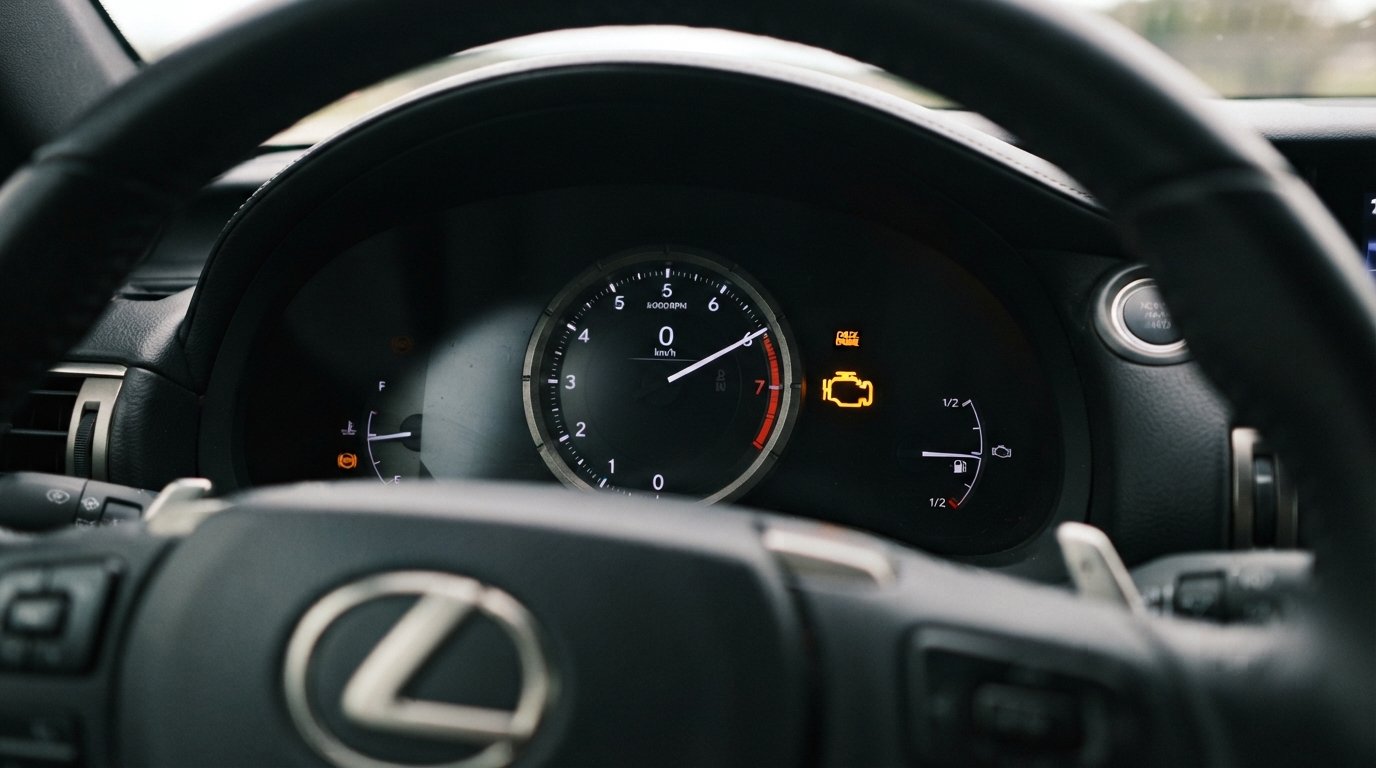
14. Diesel DPF, Glow Plug, DEF, or Emissions Warning Light
Diesel vehicles may show warning lights for the diesel particulate filter, glow plug system, DEF system, or emissions control system.
Possible causes include:
- DPF soot buildup
- Interrupted regeneration
- Glow plug fault
- DEF level low
- DEF quality issue
- NOx sensor fault
- EGR or emissions fault
What to do first:
- Read the exact dashboard message.
- Do not ignore countdown warnings.
- Scan diesel-specific codes with a compatible scanner.
Some diesel emissions warnings can lead to limp mode or a no-start countdown if ignored. A generic scanner may not show all manufacturer-specific diesel data.
If the warning is related to emissions readiness or inspection, this guide on how to pass an OBD-II emissions test is relevant. You may also need to understand OBD monitor readiness time after clearing codes or completing repairs.
Which Dashboard Warning Lights Can an OBD2 Scanner Read?
Not all Dashboard Warning Lights are readable with the same scanner. This is where many drivers get confused.
| Warning Light | Basic OBD2 Scanner | Full-System Scanner |
|---|---|---|
| Check engine light | Usually yes | Yes |
| ABS light | Usually no | Yes, if ABS supported |
| Airbag/SRS light | Usually no | Yes, if SRS supported |
| Transmission warning | Sometimes limited | Better support |
| TPMS light | Usually no | Sometimes, but TPMS tool may be needed |
| Battery/charging light | Voltage data sometimes | More system data |
| Coolant temperature light | Live coolant temp often | More complete data |
| Brake warning light | Usually no | Depends on vehicle |
| Traction control light | Usually no | Yes, if ABS/ESC supported |
A basic OBD2 scanner is useful for engine and emissions codes. But if you want to diagnose ABS, airbag, transmission, steering, TPMS, or body control warnings, you need a scanner that can access those modules.
This is also where generic vs enhanced OBD2 codes matter. Generic codes are not always enough when the warning light belongs to ABS, SRS, transmission, steering, or body systems.
If you want a tool for deeper diagnostics, a professional automotive diagnostic scanner is usually more useful than a basic code reader.
Stop Driving Now If These Warning Lights Appear
Some car dashboard warning lights are not worth gambling with.
Stop driving as soon as safely possible if you see:
- Oil pressure warning light
- Engine overheating light
- Red brake warning light with braking symptoms
- Flashing check engine light
- Transmission temperature warning
- Power steering warning with heavy steering
- Battery light with belt failure or electrical failure
- Any warning light with smoke, burning smell, loud knocking, or loss of control
If the car feels unsafe, do not try to “make it home.” Pull over and get help.
Warning Lights You May Be Able To Drive With Carefully
Some Dashboard Warning Lights allow cautious driving for a short distance if the car feels normal.
Examples include:
- Solid check engine light with no symptoms
- ABS light alone
- TPMS light after checking tire pressure
- Traction control light stuck on
- Low fuel light
- Master warning light with a non-critical message
But “can drive” does not mean “ignore.” It means you may have time to scan, inspect, and plan the repair before the problem gets worse.
Scanner Data To Save Before Clearing a Warning Light
Before clearing any warning light, save the information that helps with diagnosis.
Check:
- Current codes
- Pending codes
- Stored codes
- Permanent codes
- Freeze frame data
- Live data
- Module scan report
- Battery voltage
- I/M readiness status
Freeze frame data shows what was happening when the fault was stored. Live data shows what the car is doing right now. If you are not sure how they differ, this freeze frame vs live data guide explains it clearly.
You can also read this practical guide on how to read freeze frame data before clearing a code.
This matters because a code does not always name the failed part. It points to the system or condition the vehicle detected.
For example, an ABS wheel speed sensor code could be a bad sensor, broken wire, corroded connector, damaged tone ring, or wheel bearing problem. Good diagnosis uses the code as the starting point, not the final answer.
Common Mistakes Drivers Make With Dashboard Warning Lights
The biggest mistake is clearing the light before understanding why it came on.
Other common mistakes include:
- Ignoring red warning lights because the car still moves
- Driving with an overheating engine
- Replacing parts based only on a code name
- Using a basic scanner for ABS or airbag lights
- Assuming “no code found” means no problem
- Forgetting to check battery voltage when several lights appear
- Ignoring freeze frame data
- Treating a flashing light like a normal warning
If you do clear a code, do it after saving the data and fixing the cause. This guide explains how to clear OBD2 codes the right way.
Also, disconnecting the battery is not a real diagnosis. The light may come back if the fault is still there. Here is why a check engine light may or may not stay off after disconnecting the battery.
Multiple warning lights at the same time can also be caused by low voltage. A weak battery, bad alternator, loose ground, or poor battery cable can make several modules act strangely at once.
Best Scanner Features for Dashboard Warning Lights
If you are buying a scanner mainly for Dashboard Warning Lights, look for more than simple code reading.
Useful features include:
- Full-system scan
- ABS support
- SRS/airbag support
- Transmission support
- Live data
- Freeze frame data
- Battery voltage display
- Graphing
- Permanent code reading
- I/M readiness
- Vehicle-specific coverage
The best scanner is not always the most expensive one. The right scanner is the one that covers the systems on your vehicle.
If you only need check engine light diagnosis, a basic OBD2 scanner may be enough. If you want to diagnose ABS, airbag, transmission, steering, and body system warnings, choose a full-system scanner.
For advanced diagnostics, you may also see the term bidirectional control. This is different from only reading codes. This guide explains what a bidirectional scan tool is and when that feature matters.
If you are deciding between connection types, this Bluetooth vs wired OBD2 scanner comparison can also help.
FAQ About Dashboard Warning Lights
What is the most serious dashboard warning light?
Oil pressure, engine overheating, red brake warning, flashing check engine light, and transmission temperature warnings are among the most serious. These can lead to engine damage or safety problems if ignored.
Can I drive with dashboard warning lights on?
It depends on the light. A green or blue light is usually informational. A solid amber warning may allow cautious driving for a short time. A red or flashing light should be treated as urgent.
Why did many dashboard lights come on at once?
Several lights can appear because systems share data. For example, one bad wheel speed sensor can trigger ABS, traction control, and stability control lights. Low voltage can also trigger multiple warning lights.
Will a basic OBD2 scanner read all warning lights?
No. A basic OBD2 scanner usually reads engine and emissions codes. ABS, airbag, transmission, TPMS, steering, and body control lights often require an enhanced or full-system scanner. This is one of the limits explained in what an OBD2 scanner cannot do.
Is it safe to clear a warning light?
Only after saving the code and diagnosing the issue. Clearing a light without fixing the cause can hide useful information and allow the problem to return. Some permanent codes also will not disappear immediately, which is why this guide on why a permanent code won’t clear is useful.
Are dashboard warning symbols the same in every car?
Not always. Many symbols are similar across vehicles, but exact designs and messages can vary by brand, model, and year. Always check the owner’s manual if you are unsure.
Final Thoughts
Dashboard Warning Lights are not just small icons on the dash. They are early warnings from systems that monitor the engine, brakes, battery, tires, airbags, steering, transmission, and emissions controls.
The smart approach is simple.
Check the color. Notice if it is flashing. Watch for symptoms. Stop driving for serious red warnings. Scan the correct system before replacing parts. And remember that a basic OBD2 scanner cannot diagnose every warning light on the dash.
When you understand what the light means and use the right scanner, you can avoid panic, avoid guessing, and catch problems before they become more expensive.