
When a car jerks when accelerating, it usually means the engine, transmission, or drivetrain is struggling when extra power is needed. The car may feel fine at idle, then suddenly buck, hesitate, stutter, or surge the moment you press the gas.
That jerking feeling can be light, like a quick stumble. Or it can be strong enough to make highway merging feel unsafe. Either way, do not assume it is automatically a transmission problem. Many times, a car jerks when accelerating because of a misfire, weak spark, fuel delivery problem, dirty MAF sensor, vacuum leak, or throttle response issue.
The key is to pay attention to when it happens. Does it jerk from a stop? During hard acceleration? Uphill? During gear shifts? At highway speed? That timing can tell you which system to check first.
Quick Answer: Why Does My Car Jerk When Accelerating?
The most common reasons a car jerks when accelerating are worn spark plugs, weak ignition coils, dirty fuel injectors, low fuel pressure, a dirty MAF sensor, vacuum leaks, throttle body or TPS problems, transmission issues, and a clogged catalytic converter.
If the check engine light is flashing, treat it seriously. A flashing light often points to an active misfire, and driving with a severe misfire can damage the catalytic converter.
If there is no warning light, the problem can still be real. Some early fuel, ignition, sensor, or transmission issues may not set a code right away. This is why a check engine light on but no codes situation can still need live data, pending codes, and road testing.
Start With the Moment It Happens
Before replacing parts, write down the driving situation where the jerk happens most.
| When It Jerks | More Likely Area |
|---|---|
| From a stop | Throttle body, injector, transmission engagement |
| Low-speed acceleration | Spark plugs, coils, vacuum leak |
| Hard acceleration | Fuel pressure, ignition coil, MAF sensor |
| Uphill or under load | Misfire, weak fuel pump, clogged cat |
| During gear change | Transmission, torque converter, clutch |
| Highway acceleration | Fuel delivery, MAF, exhaust restriction |
| With flashing check engine light | Active misfire, stop driving |
That small pattern check can prevent a lot of wasted money.
Car Jerks When Accelerating: Causes You Should Check First
A car jerks when accelerating because something interrupts smooth power delivery. That interruption may come from combustion, airflow, fuel pressure, sensor data, transmission shifting, or exhaust flow. Start with the most common and easiest checks before moving to expensive repairs.
1. Worn Spark Plugs
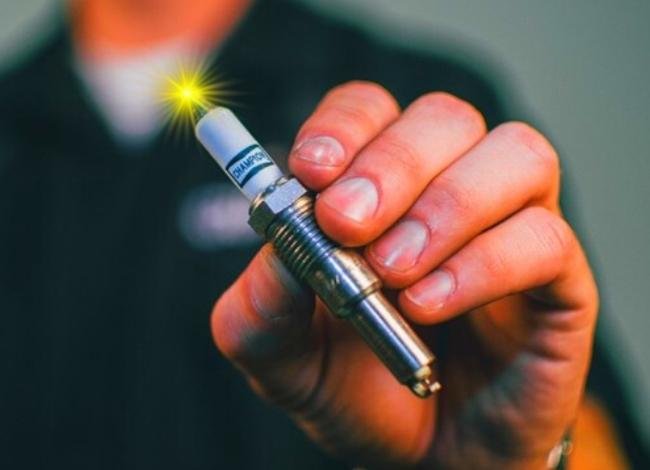
Spark plugs ignite the air-fuel mixture inside each cylinder. When they wear out, become fouled, or have the wrong gap, the spark can get weak. Under acceleration, the engine needs a stronger, cleaner burn. If one cylinder cannot fire properly, the car may jerk, hesitate, or shake.
Bad spark plugs often show up under load first. The car may idle slightly rough, feel weak when climbing a hill, or jerk when you press the gas harder than usual. You may also notice poor fuel economy, hard starting, or a fuel smell from unburned fuel.
An OBD2 scanner may show P0300 for random misfire or P0301 to P0308 for a cylinder-specific misfire. If you are unsure what a code means, compare it with an OBD2 codes list and meaning guide before buying parts.
What to check first: plug age, plug gap, fouling, oil on the plug, and misfire codes. If the plugs are overdue, replacing them with the correct type is a smart first step.
2. Weak Ignition Coil or Plug Wire
Ignition coils create the high voltage needed for spark. A weak coil may work at idle but break down during acceleration. That is why a car may feel normal while cruising slowly, then buck or jerk when you ask for more power.
This is one of the most common reasons a car jerks when accelerating under load. The jerk may feel sharper than a fuel issue, almost like the engine is missing a beat. If the check engine light flashes, the misfire is serious enough that you should stop driving and diagnose it.
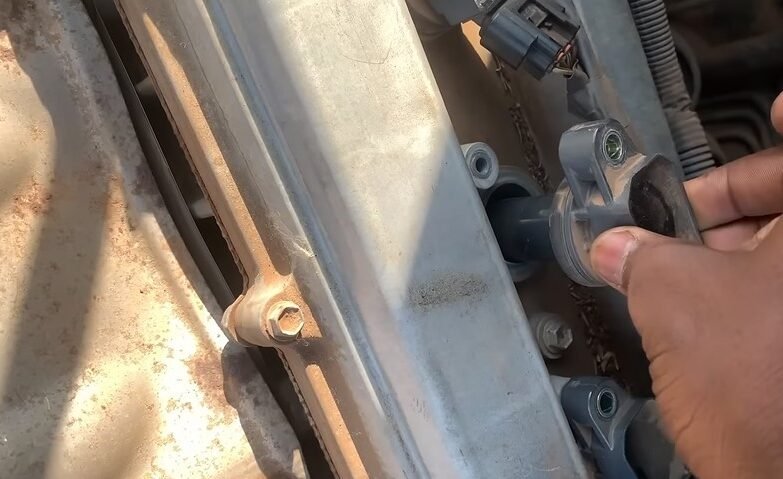
On older vehicles with plug wires, cracked or worn wires can cause a similar problem. Moisture can make it worse, especially after rain or in cold damp weather.
What to check first: scan for misfire codes, inspect coil connectors, look for oil in the spark plug tube, and use a coil swap test if one cylinder is named. If your scanner supports it, Mode 6 on a scan tool can sometimes show misfire information before the problem becomes obvious.
3. Dirty or Clogged Fuel Injectors
Fuel injectors spray fuel into the engine in a controlled pattern. When an injector gets dirty, clogged, or weak, that cylinder may not receive fuel evenly. The result can be hesitation, stuttering, rough idle, poor fuel economy, or jerking during acceleration.
A dirty injector does not always fail completely. Sometimes it sprays poorly only under certain load conditions. That is why the car may drive normally at light throttle but jerk when you accelerate harder.

Fuel injector cleaner may help with light deposits, but it will not fix a failed injector, wiring problem, low fuel pressure, or internal mechanical issue. If one cylinder keeps misfiring after spark checks pass, the injector needs closer testing.
What to check first: fuel trims, injector balance, cylinder-specific misfire data, and fuel pressure. If the same cylinder keeps showing a problem, compare spark, fuel, and compression before replacing the injector.
4. Low Fuel Pressure or Weak Fuel Pump
When you accelerate, the engine needs more fuel. If the fuel pump is weak, the fuel filter is restricted, or the pressure regulator is not working correctly, the engine may run lean under load. That lean condition can make the vehicle stumble, surge, jerk, or lose power.
This problem often feels worse during hard acceleration, uphill driving, or highway merging. The engine may also crank longer than normal before starting. In some cases, the car drives fine around town but struggles when more fuel volume is needed.
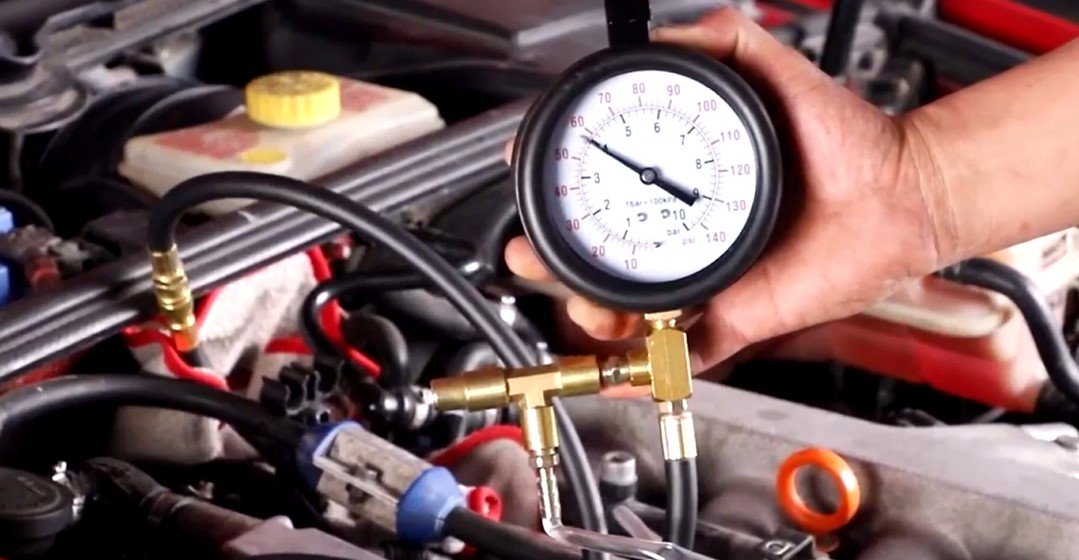
A scanner may show lean codes like P0171 or P0174, but pressure testing is still important. A code can point you in a direction, but it does not prove the fuel pump is bad.
What to check first: fuel pressure under load, fuel trims, fuel filter condition, pump noise, and whether the problem gets worse when the fuel level is low.
5. Dirty MAF Sensor or Airflow Reading Problem
The mass airflow sensor tells the engine computer how much air is entering the engine. If the MAF sensor is dirty or reading incorrectly, the computer may calculate the wrong amount of fuel. That can make the engine hesitate, surge, or jerk when you press the gas.
A dirty MAF sensor can make a car jerks when accelerating problem feel random. Some days the car may only hesitate slightly. Other times it may stumble badly, especially when the throttle opens quickly.
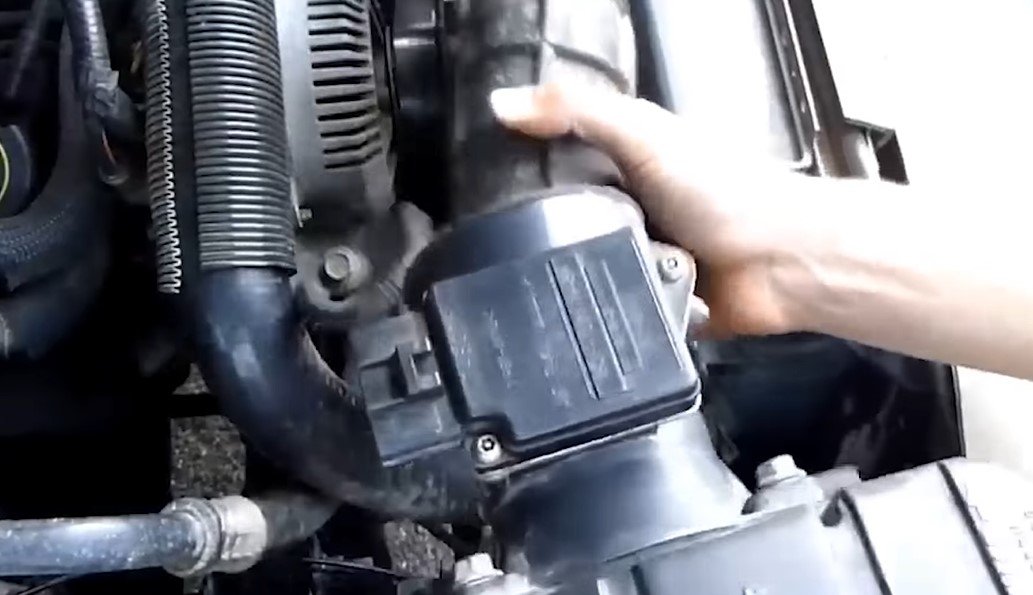
But be careful. A MAF code does not always mean the MAF sensor is bad. A cracked intake hose after the MAF can let in unmetered air and make the sensor data look wrong. Replacing the MAF without checking for intake leaks is a common mistake.
What to check first: MAF live data, intake tube cracks, loose clamps, dirty sensor wire, air filter condition, and codes like P0101. If you are new to scanner data, this guide on how to read live data from OBD-II scanners will help you understand fuel trims, MAF readings, and sensor values.
6. Vacuum Leak or Cracked Intake Hose
A vacuum leak lets extra air enter the engine without being properly measured. This can lean out the air-fuel mixture and make the engine stumble, especially at low speed or light acceleration.
A cracked intake boot, loose vacuum hose, leaking PCV hose, or intake gasket leak can cause jerking, rough idle, high idle, poor fuel economy, and lean codes. Sometimes you may hear a hissing sound, but small leaks are not always obvious.
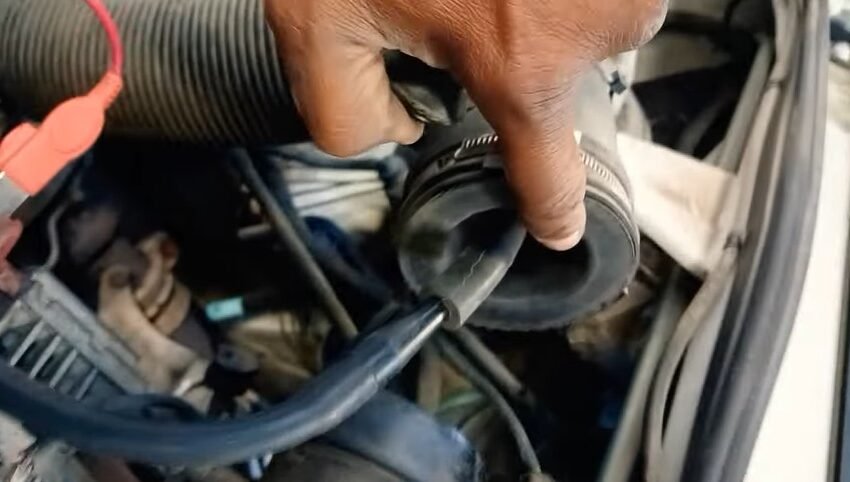
If the car jerks from a stop and also idles rough, check for vacuum leaks early. This is often cheaper and easier than replacing sensors.
What to check first: intake hose between the MAF and throttle body, vacuum hoses, PCV connections, brake booster hose, fuel trims, and smoke test results.
7. Dirty Throttle Body, Bad TPS, or Accelerator Cable Issue
The throttle body controls airflow into the engine. If carbon builds up around the throttle plate, airflow may not respond smoothly when you press the gas. This can cause a delay, stumble, or jerk during takeoff.
The throttle position sensor, or TPS, tells the computer how far the throttle is open. If that signal jumps or drops out, the engine computer may respond with uneven fuel and timing adjustments. On newer cars, accelerator pedal position sensors also matter.
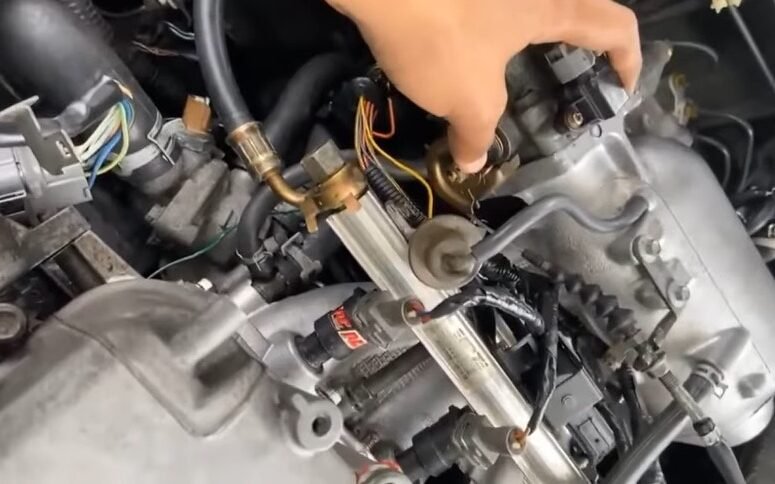
Older vehicles may use a physical accelerator cable. A worn or sticking cable can create a delay, stiff pedal, or jerky response. Most newer vehicles use electronic throttle control, so the diagnosis is more about live data than cable condition.
What to check first: throttle plate carbon, TPS or pedal position live data, throttle response, idle relearn needs, and cable movement on older cars.
8. Transmission, Torque Converter, or Clutch Problem
Not every acceleration jerk is an engine problem. If the jerk happens exactly during a gear change, the transmission deserves attention. Low or dirty transmission fluid, delayed engagement, worn internal parts, or torque converter problems can cause a hard lurch.
The clue is timing. Engine-related jerking often feels like a stumble or misfire. Transmission-related jerking often feels like a harsh shift, delayed engagement, or RPM flare before the car catches.
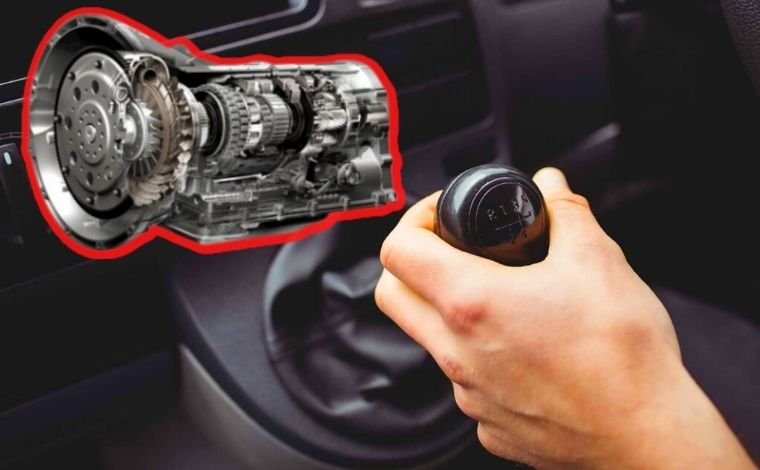
A basic code reader may not show transmission module codes. If you suspect a transmission-side issue, read this guide on whether an OBD2 scanner can read transmission codes. It also helps to understand the difference between a code reader vs scan tool before assuming your scanner checked everything.
In manual transmission cars, clutch chatter or clutch slip can feel like jerking during takeoff. If the engine revs but the car does not accelerate normally, clutch or transmission slip becomes more likely.
What to check first: fluid level and condition if serviceable, shift timing, RPM behavior, transmission codes, clutch feel on manuals, and whether the jerk only happens during shifts.
9. Clogged Catalytic Converter or Exhaust Restriction
A clogged catalytic converter can restrict exhaust flow. When the engine cannot breathe out properly, it struggles to accelerate. This may feel like hesitation, power loss, or jerking at higher speeds.
A clogged converter usually does not feel like a single sharp misfire at low speed. It often feels like the engine is being held back, especially as RPM rises. You may notice poor acceleration, rotten egg smell, extra heat under the car, or catalyst efficiency codes like P0420 or P0430.
Misfires, rich fuel mixtures, oil burning, or coolant entering the exhaust can damage the converter over time. So even if the converter is clogged, you still need to find out why.
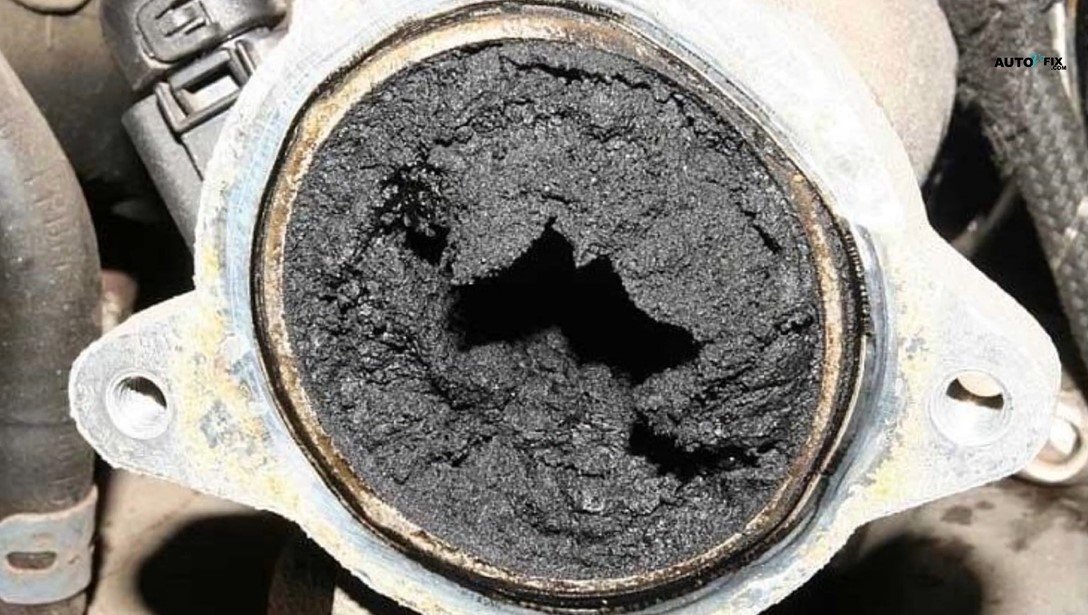
What to check first: catalyst codes, O2 sensor behavior, exhaust backpressure, vacuum test, and whether power loss gets worse at higher RPM. If oxygen sensor data looks confusing, this guide on how to test an O2 sensor with OBD2 and this breakdown of bad O2 sensor live data readings can help you avoid replacing the wrong part.
Engine Jerking vs Transmission Jerking
When a car jerks when accelerating, separating engine jerk from transmission jerk saves time.
| Clue | More Likely Engine | More Likely Transmission |
|---|---|---|
| Rough idle also present | Yes | Usually no |
| Flashing check engine light | Yes | Usually no |
| Happens during gear shift | Sometimes | Yes |
| RPM jumps but speed does not | Less likely | Yes |
| Misfire code present | Yes | No |
| Burnt fluid smell | No | Yes |
| Jerk gets worse uphill | Often | Sometimes |
If the engine is misfiring, you may feel shaking, hesitation, and poor power even before the transmission shifts. If the transmission is slipping or shifting harshly, the jerk usually lines up with gear changes.
OBD2 Codes That Can Help Diagnose Acceleration Jerking
A scanner cannot magically say, “replace this part,” but it can point you toward the right system. When a car jerks when accelerating, check current, pending, stored, and permanent codes before clearing anything. This guide on pending vs stored vs permanent codes explains why the code type matters.
Useful codes may include:
| Code | Possible Direction |
|---|---|
| P0300 | Random/multiple misfire |
| P0301-P0308 | Cylinder-specific misfire |
| P0171/P0174 | Lean condition |
| P0172 / P0175 | Rich condition |
| P0101 | MAF sensor range/performance |
| P0120-P0123 | Throttle position sensor issue |
| P0420/P0430 | Catalytic converter efficiency |
| Transmission codes | Shift, solenoid, torque converter, or module issue |
If your scanner supports live data, look at misfire counters, fuel trims, MAF readings, throttle position, pedal position, O2 sensor behavior, fuel pressure data if available, RPM, and vehicle speed. Freeze frame data is especially useful because it shows what was happening when the code set. If you are not sure how it differs from live data, read this comparison of freeze frame vs live data.
What To Check First Before Replacing Parts
The best diagnostic order is simple. First, scan the car and save the codes and freeze frame. If you need a step-by-step scan process, this guide on how to check engine light with a scanner is a good starting point.
Then check whether the jerk feels like an engine stumble or a transmission shift. After that, inspect spark plugs, coils, intake hoses, and vacuum lines. These are common failure points and do not require guessing.
Next, check fuel trims and MAF data. If trims are strongly positive, the engine may be lean from a vacuum leak, low fuel pressure, or incorrect airflow reading. If trims are strongly negative, look for a rich condition, leaking injector, or bad sensor input.
Then test fuel pressure. If fuel delivery is good and ignition checks pass, look at throttle body, TPS, accelerator pedal data, transmission behavior, and exhaust restriction.
Do not start with the catalytic converter or transmission unless the symptoms clearly point there. Those repairs can be expensive, and many acceleration jerks are caused by simpler ignition, fuel, or air problems.
Can You Drive If Your Car Jerks When Accelerating?
A mild occasional jerk may let you drive a short distance, but it should still be diagnosed soon. Acceleration problems can become dangerous when merging, passing, or climbing hills.
Do not keep driving if the check engine light is flashing, the engine is shaking badly, there is a strong fuel smell, the car loses power suddenly, the engine overheats, or the transmission is slipping. Those signs can lead to catalytic converter damage, stalling, unsafe acceleration, or a much larger repair.
If the jerk is severe, drive as little as possible and get the car checked.
Common Mistakes Drivers Make
One common mistake is blaming the transmission immediately. Transmission problems can cause jerking, but spark, fuel, air, and sensor problems are also very common.
Another mistake is replacing spark plugs without checking coils or injectors. If the misfire stays on the same cylinder after new plugs, something else is still wrong.
Some drivers replace the MAF sensor because of a MAF code, but the actual issue is a cracked intake hose. Others keep pouring fuel injector cleaner into the tank when the real problem is low fuel pressure.
The biggest mistake is clearing codes too early. Once you clear codes, you may lose freeze frame data that shows when the jerk happened and what the engine was doing at that moment. If the repair is complete and you need to erase codes, follow a proper how to clear OBD2 codes process and then confirm the problem does not return.
FAQ About Car Jerking During Acceleration
Why does my car jerk when I press the gas?
Your car may jerk when you press the gas because of a misfire, weak spark, clogged injector, low fuel pressure, dirty MAF sensor, vacuum leak, throttle issue, transmission shift problem, or exhaust restriction.
Can bad spark plugs make a car jerk when accelerating?
Yes. Worn or fouled spark plugs can misfire under load. That misfire can feel like bucking, hesitation, or jerking when you accelerate.
Can low fuel pressure cause jerking?
Yes. If the engine does not get enough fuel during acceleration, it can run lean and stumble. This may happen with a weak fuel pump, restricted fuel filter, or pressure regulator problem.
Why does my car jerk but no check engine light comes on?
Some problems do not trigger a code right away. Early ignition problems, small vacuum leaks, dirty throttle body issues, weak fuel pressure, or transmission problems may cause symptoms before a warning light appears.
Is jerking during acceleration always a transmission problem?
No. A car jerks when accelerating for many reasons, and many are engine related. Transmission problems are more likely when the jerk happens during shifts, RPM flares, or engagement is delayed.
Can a dirty MAF sensor cause car jerking?
Yes. A dirty or inaccurate MAF sensor can cause wrong fuel calculations, leading to hesitation, surging, or jerking during acceleration.
Can a clogged catalytic converter cause jerking?
Yes, but it often feels more like weak acceleration or power loss at higher RPM. A clogged converter may also cause sulfur smell, poor fuel economy, heat buildup, or catalyst codes.
Can an OBD2 scanner confirm the exact cause?
It can guide you, but it cannot confirm everything by itself. Scanner data can show codes, fuel trims, misfire data, freeze frame, and sensor readings, but physical checks like fuel pressure, smoke testing, compression testing, or transmission inspection may still be needed. This guide on what an OBD2 scanner cannot do explains those limits well.
Final Thoughts
When a car jerks when accelerating, do not guess from the feeling alone. The same symptom can come from spark plugs, coils, injectors, fuel pressure, MAF sensor data, vacuum leaks, throttle issues, transmission behavior, or exhaust restriction.
Start with the moment it happens. Then scan the codes, save freeze frame data, check misfire information, inspect ignition parts, look for intake leaks, read fuel trims, and test fuel pressure. If the jerk happens during gear changes, compare engine data with transmission behavior.
A smooth acceleration problem is usually fixable, but the fastest way to fix it is to diagnose the system that is actually failing, not the part that sounds familiar.