
A bad EGR valve can make your engine act like it has a completely different problem.
The idle may shake like a misfire. The car may hesitate like it has a fuel delivery issue. It may ping under load like you used bad gas. The check engine light may come on with an EGR code, but that still does not mean the EGR valve itself is the only part to blame.
That is where many drivers waste money.
The EGR valve is part of a larger exhaust gas recirculation system. Depending on the vehicle, that system may include the valve, passages, vacuum lines, solenoids, wiring, pressure sensors, temperature sensors, an EGR cooler, and the engine computer’s command strategy.
So when you notice Bad EGR Valve Symptoms, the goal is not to guess the part. The goal is to figure out whether the EGR valve is stuck open, stuck closed, clogged with carbon, not being commanded correctly, or being blamed because of a sensor or wiring issue.
An OBD2 scanner can help a lot. Even a basic scanner can read EGR-related trouble codes. A better scanner can show freeze-frame vs live data. An advanced scan tool may show EGR command, EGR position feedback, MAP or MAF changes, and sometimes even let you command the valve for testing.
Before replacing the valve, here is what the symptoms actually mean and what you should check first.
Quick Answer: Common Bad EGR Valve Symptoms
The most common Bad EGR Valve Symptoms include a check engine light, rough idle, stalling at idle, hesitation when accelerating, poor acceleration, engine knocking or pinging, poor fuel economy, failed emissions test, hard starting, and a strong exhaust or fuel smell.
A stuck-open EGR valve usually causes rough idle, stalling, hesitation, hard starting, and low-speed drivability problems.
A stuck-closed EGR valve, clogged EGR passages, or low EGR flow usually causes pinging, knocking, higher NOx emissions, and emissions test failure.
That difference matters because the same system can fail in opposite ways.
What Does The EGR Valve Do?
EGR stands for Exhaust Gas Recirculation.
The EGR system sends a controlled amount of exhaust gas back into the intake side of the engine. Exhaust gas has already been burned, so it does not support combustion the same way fresh air does. When a small amount is mixed into the incoming air charge at the right time, it lowers peak combustion temperature.
That helps reduce NOx emissions.
On many gasoline engines, the EGR valve is normally closed at idle and may open during light-to-moderate load or cruising. Diesel systems can behave differently, and some newer engines may use internal EGR through valve timing instead of a traditional external EGR valve.
So before going too far, remember this: not every vehicle has the same EGR layout.
But when a vehicle does use an EGR valve, and the flow is wrong, Bad EGR Valve Symptoms can show up quickly.
Bad EGR Valve Symptoms You Should Not Ignore
1. Check Engine Light Comes On
The check engine light is often the first warning.
You may not feel any major drivability issue at first. The engine may start, idle, and drive normally, but the computer has detected that EGR flow, EGR position, or the EGR control circuit is not behaving as expected.
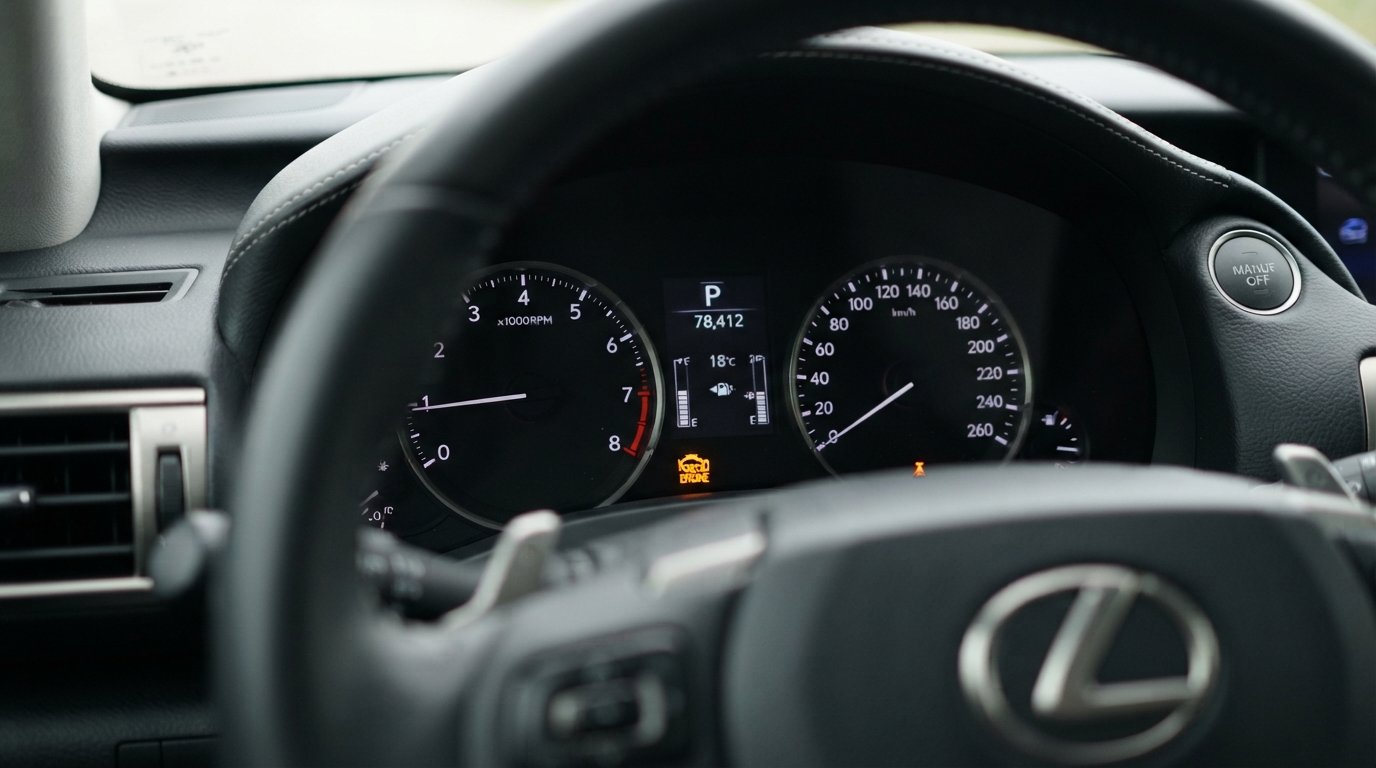
If you are not sure where to start, here is a simple guide on how to check the engine light with a scanner.
Common EGR-related codes include:
P0400EGR flow malfunctionP0401EGR flow insufficientP0402EGR flow excessiveP0403EGR control circuit malfunctionP0404EGR range/performance problemP0405EGR sensor low inputP0406EGR sensor high input
Do not clear the code right away. Read the code, save the freeze-frame data, and check if there are related codes for misfire, MAF sensor, MAP sensor, oxygen sensor, fuel trim, or catalyst efficiency. If you want a broader explanation of code types and diagnosis, see this guide on OBD2 codes list and meaning.
An EGR code is a clue, not a final diagnosis.
2. Rough Idle Or Engine Shaking
Rough idle is one of the most common Bad EGR Valve Symptoms when the valve is stuck open.
At idle, many gasoline engines need the EGR valve closed. If exhaust gas enters the intake at the wrong time, the engine may stumble, shake, surge, or feel like it has a misfire.

This can feel very similar to bad spark plugs, a weak ignition coil, a vacuum leak, dirty throttle body, or clogged fuel injector.
That is why you should not replace ignition parts only because the engine shakes. If the rough idle comes with P0402, P0404, or an EGR position issue, the EGR system should be checked.
3. Engine Stalls At Idle
If the EGR valve is stuck open enough, the engine may stall when it returns to idle.
This can happen at stoplights, in parking lots, while shifting into gear, or shortly after starting. The engine may restart normally, then stall again when RPM drops.
A stuck-open EGR valve can act like a controlled vacuum leak mixed with exhaust gas. The engine cannot maintain a stable idle because the intake charge is being diluted when it should not be.

Stalling can also come from crankshaft position sensor issues, dirty throttle body, idle air control problems, low fuel pressure, purge valve problems, or vacuum leaks. If you are comparing other causes, this guide on bad crankshaft position sensor symptoms can help separate sensor-related stalling from EGR-related stalling.
But if stalling appears with EGR excessive-flow symptoms, test the EGR system before buying random parts.
4. Hesitation When Accelerating
A faulty EGR valve can cause hesitation when you press the gas.
The car may pause, stumble, or feel weak for a second before it starts moving normally. Some drivers describe it as bogging down. Others feel it as a flat spot during light acceleration.
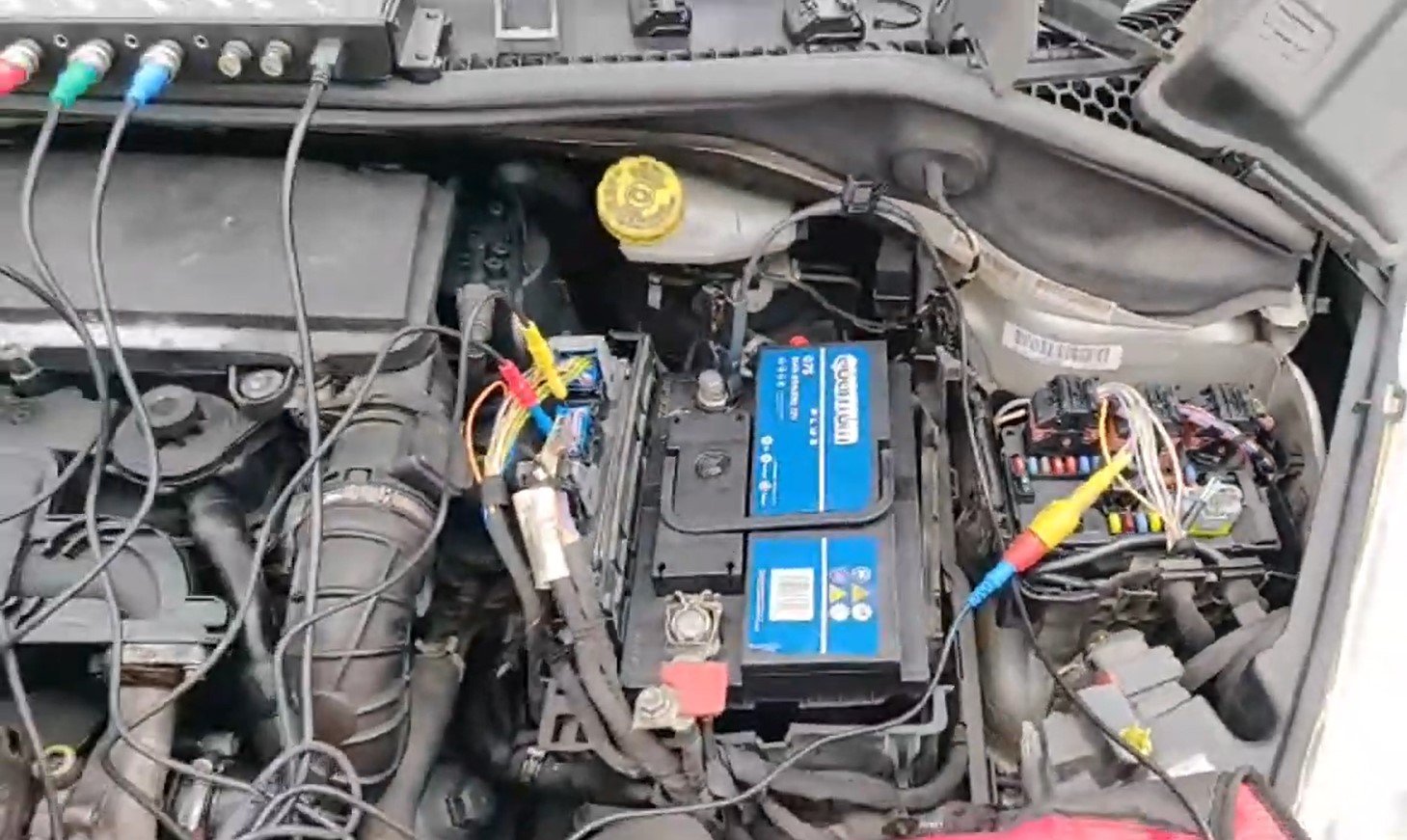
This often happens when the EGR valve opens at the wrong time, stays open too long, or does not close properly. The engine gets exhaust gas when it needs a clean air-fuel charge for acceleration.
Hesitation is not always an EGR problem. MAF sensor issues, fuel pump weakness, dirty injectors, throttle body problems, and transmission issues can feel similar. But hesitation plus EGR codes should not be ignored.
5. Poor Acceleration Or Loss Of Power
A bad EGR valve can make the engine feel lazy.
You may notice weak throttle response, slow acceleration, poor hill-climbing power, or a general lack of pull under load. This can happen when the valve is stuck open and disrupts combustion.

It can also happen if the EGR system is clogged and the engine starts pinging or running inefficiently under load.
Poor acceleration is one of those Bad EGR Valve Symptoms that overlaps with many other systems. That is why scanner data matters. If the computer is commanding EGR flow but the expected MAP or MAF change does not happen, the problem may be restricted flow. If the valve position does not match command, the valve, sensor, or wiring may be involved.
6. Engine Knocking Or Pinging
A stuck-closed EGR valve or clogged EGR passage can cause knocking or pinging under load.
This usually happens during acceleration, hill climbing, highway merging, towing, or hot weather. The sound may be a metallic rattle or light tapping noise when the engine is working harder.
EGR helps lower combustion temperature. If the system does not flow when commanded, combustion temperature can rise and contribute to spark knock.

Do not ignore this symptom. Pinging can also come from low octane fuel, overheating, carbon buildup, lean mixture, or timing-related issues. If lean codes also appear, compare the EGR issue with this guide on the P0171 code.
But if pinging appears with P0401, clogged EGR passages or a valve that is not opening should be high on the checklist.
7. Poor Fuel Economy
A bad EGR valve can reduce fuel economy.
If the valve is stuck open, combustion may become unstable. If the valve is stuck closed or passages are clogged, combustion temperature and efficiency can change. The engine computer may also adjust fuel trims while trying to keep the engine running smoothly.
The result can be worse MPG than normal.
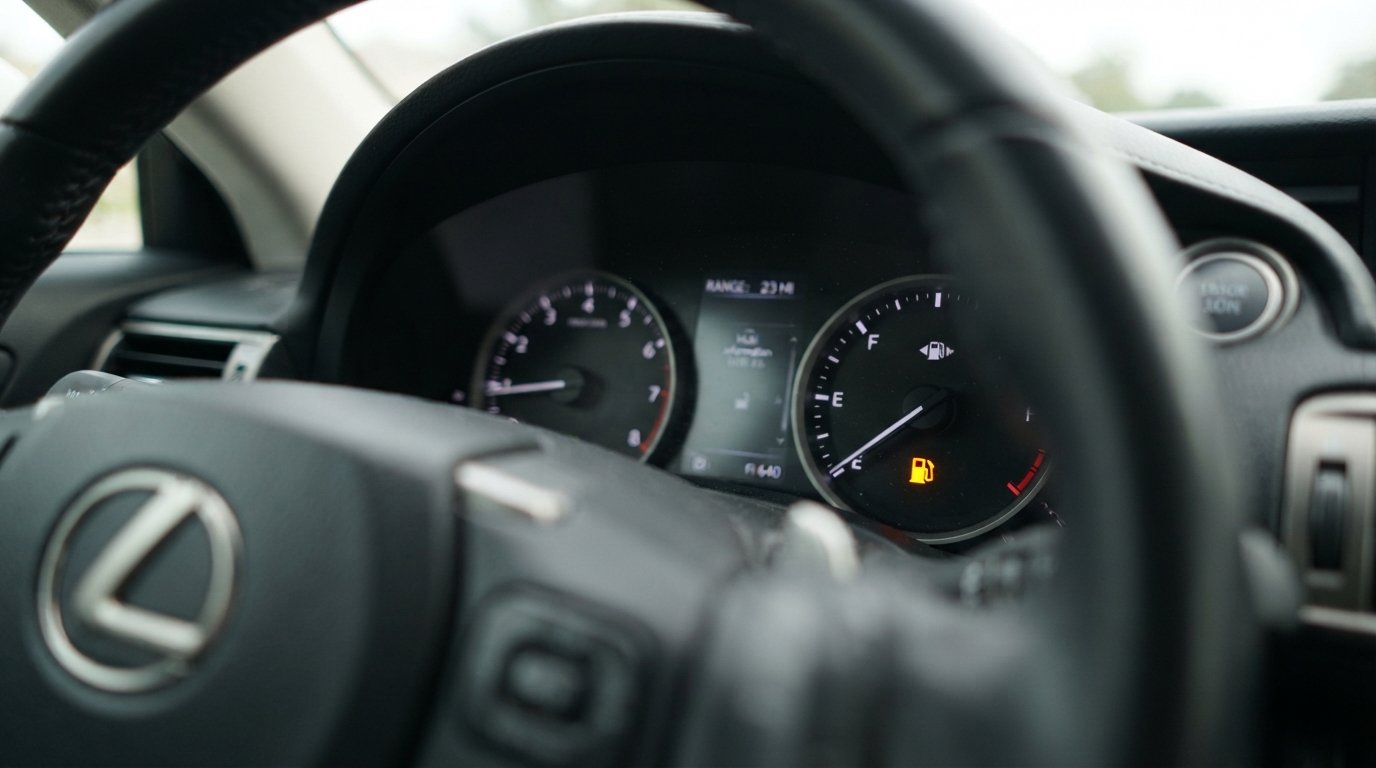
Poor fuel economy alone does not prove the EGR valve is bad. Tire pressure, oxygen sensors, MAF readings, thermostat behavior, dragging brakes, and driving habits can all affect fuel use. If oxygen sensor data looks suspicious, this guide on bad O2 sensor live data readings is useful for comparison.
Poor MPG with rough idle, EGR codes, hesitation, or failed emissions makes the EGR system worth checking.
8. Failed Emissions Test
The EGR system’s main job is emissions control.
If it does not work, the vehicle may fail an emissions test because of high NOx emissions or because the check engine light is on.
A stuck-closed valve, clogged EGR passage, failed sensor, bad solenoid, vacuum problem, or wiring issue can all cause emissions problems. On diesel engines, EGR cooler and soot buildup issues may also be involved.
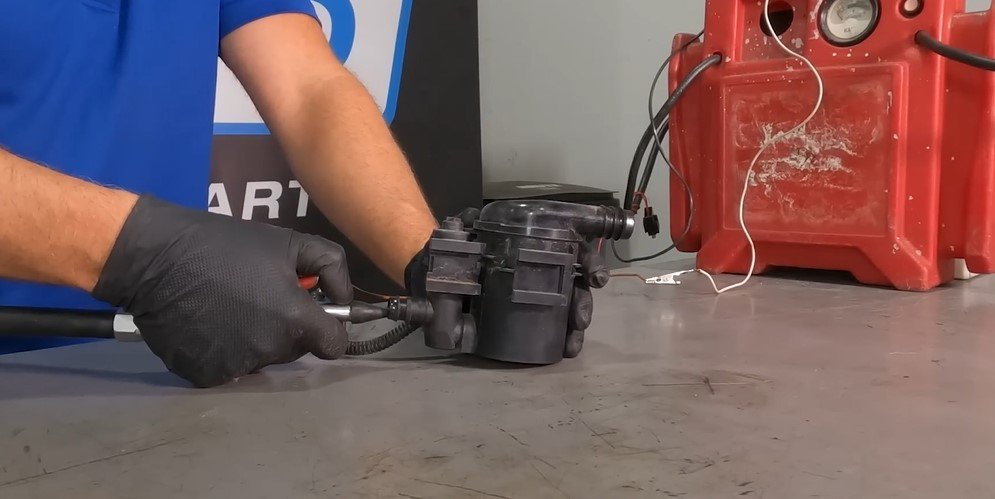
If your car fails emissions with an EGR-related code, do not assume a new valve will automatically fix it. The passages, command signal, feedback sensor, and related components need to be checked too. You may also want to review how to pass an OBD-II emissions test before clearing codes or going back for inspection.
9. Hard Starting Or Long Crank
A stuck-open EGR valve can cause hard starting on some vehicles.
If exhaust gas enters the intake during startup when it should not, the engine may crank longer, start roughly, stumble, or need a little throttle to stay running.

This may be more noticeable during warm restart, but it depends on the vehicle.
Hard starting has many possible causes, including weak battery, low fuel pressure, bad purge valve, crank sensor problems, coolant temperature sensor issues, and ignition problems. But hard starting with rough idle and EGR excessive-flow codes can point toward an EGR valve that is not closing properly.
10. Strong Exhaust Smell, Fuel Smell, Or Dirty Running
A bad EGR system can sometimes create a stronger exhaust smell, fuel-like odor, or dirty-running condition.
This is not the strongest EGR symptom by itself, but it can support the diagnosis when it appears with other signs. If combustion becomes unstable, exhaust odor may change. On some diesel vehicles, soot-related EGR problems can also be linked with smoke, poor power, or intake carbon buildup.
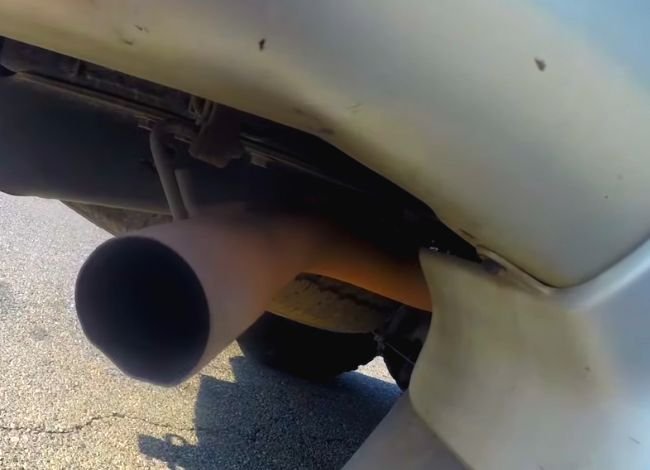
Still, smell is only a clue.
Fuel smell can come from EVAP faults, fuel leaks, rich running, bad injectors, exhaust leaks, or catalytic converter problems. If rich-running codes appear with fuel smell, compare the symptoms with this P0172 code guide.
Treat smell as supporting evidence, not proof.
Stuck Open vs Stuck Closed EGR Valve
A lot of confusion comes from treating every EGR problem the same way.
But a stuck-open EGR valve and a stuck-closed EGR valve can create very different symptoms.
| EGR Condition | Common Result |
|---|---|
| EGR stuck open | Rough idle, stalling, hard start, hesitation |
| EGR stuck closed | Pinging, knocking, high NOx, failed emissions |
| Clogged EGR passages | P0401, poor flow, emissions failure |
| Excessive EGR flow | P0402, stumble, rough idle, possible stalling |
| EGR circuit fault | P0403, control/wiring/solenoid issue |
| EGR position fault | P0404, P0405, P0406, feedback or sensor issue |
This table is important because it stops you from treating every EGR code as “replace the valve.”
Sometimes the valve is bad. Sometimes the path is blocked. Sometimes the control side is the real issue.
OBD2 Codes Related To Bad EGR Valve Symptoms
An OBD2 code can tell you what the computer noticed. It cannot always tell you which part failed.
| Code | Meaning | What To Check First |
|---|---|---|
P0400 |
EGR flow malfunction | General EGR flow, valve operation, passages |
P0401 |
EGR flow insufficient | Clogged passages, stuck closed valve, vacuum issue, sensor issue |
P0402 |
EGR flow excessive | Stuck open valve, control problem, sensor error |
P0403 |
EGR control circuit malfunction | Wiring, connector, solenoid, electronic valve circuit |
P0404 |
EGR range/performance | Valve movement, carbon buildup, position feedback |
P0405 |
EGR sensor low input | Sensor, wiring, connector, signal issue |
P0406 |
EGR sensor high input | Sensor, wiring, connector, signal issue |
The most common mistake is seeing P0401 and replacing the EGR valve immediately.
But P0401 can mean the passages are clogged, the valve is not opening, the vacuum supply is missing, the sensor feedback is wrong, or the computer is not seeing the expected flow change.
Use the code as a starting point, not the whole diagnosis. Also remember that stored, pending, and permanent codes do not mean the same thing. If you are not sure what type of code you are seeing, this guide on pending vs stored vs permanent codes explains the difference.
What To Check With A Scanner Before Replacing The EGR Valve
If you have a basic OBD2 scanner, start by reading all codes. Look for current, pending, and history codes.
Then save freeze-frame data.
Freeze-frame tells you what was happening when the code was stored. Was the engine cold or warm? Was the car idling? Was it cruising? Was the engine under load? Was the vehicle moving?
That matters because an EGR code at idle may point differently than an EGR code during steady cruise. If you need a deeper walkthrough, read this guide on how to read freeze-frame data.
If your scanner supports live data, check:
- EGR command
- EGR position feedback
- MAP sensor response
- MAF sensor response
- Short-term fuel trim
- Long-term fuel trim
- Engine load
- RPM
- Coolant temperature
Live data can help you see whether the engine computer is commanding EGR flow and whether the sensor feedback changes the way it should. This guide on how to read live data from OBD-II scanners can help if you are new to live data.
If an advanced scanner supports bidirectional control, a technician may command the EGR valve and watch how the engine responds. On many engines, opening EGR at idle should cause the engine to stumble or nearly stall. If nothing changes, there may be no flow, a clogged passage, or a valve that did not open.
If you are not sure what that feature means, this guide explains what a bidirectional scan tool is.
Not every car reports the same EGR data. But even limited scanner information can prevent blind guessing. Just remember: a scanner has limits too. It can show clues, but it cannot always name the failed part. This is why understanding what an OBD2 scanner cannot do matters before replacing parts.
What Causes EGR Valve Failure?
The most common cause is carbon buildup.
The EGR system handles exhaust gas, so soot and carbon deposits are part of the environment. Over time, those deposits can collect on the valve, pintle, passages, intake ports, EGR cooler, or related tubes.
Common causes include:
- Carbon buildup on the valve
- Clogged EGR passages
- Valve stuck open or closed
- Cracked vacuum hose
- Bad EGR solenoid
- Damaged wiring
- Loose connector
- Failed EGR position sensor
- Faulty differential pressure sensor
- MAP or MAF feedback issue
- Intake carbon buildup
- EGR cooler restriction on some diesel vehicles
- Short-trip driving and poor maintenance
Some vehicles are known for EGR clogging. Others rarely have problems. Repair difficulty also changes a lot depending on access.
On one vehicle, cleaning the EGR valve may be simple. On another, the intake manifold or cooler may need removal to clean the passages properly.
Diagnosis Flow: What To Check First
Start with the scanner.
Read the codes, save freeze-frame data, and check related codes. If you see misfire codes, fuel trim codes, MAF codes, or MAP codes, do not ignore them. They may be related.
Next, match the symptom pattern.
If the engine stalls at idle and the code suggests excessive EGR flow, think stuck open. If the engine pings under load and the code suggests insufficient flow, think clogged passage, stuck closed valve, or missing command.
Then inspect the simple things.
Check the EGR connector. Look for broken wires, corrosion, loose pins, cracked vacuum hoses, disconnected lines, or obvious carbon buildup.
If the vehicle uses vacuum-operated EGR, confirm the valve is getting vacuum when it should. If it uses an electronic EGR valve, check power, ground, signal, and position feedback according to service information.
After that, inspect the valve and passages.
Cleaning may help if carbon is the problem. Replacement may be needed if the motor, sensor, diaphragm, pintle, or internal circuit has failed.
After a repair, clear the code only after saving the original data. If you are not sure about the right way to clear codes, see this guide on how to clear OBD2 codes. If the code returns later as a permanent code or after a drive cycle, this guide on how many drive cycles to clear a code can help explain what is happening.
Bad EGR Valve vs Similar Problems
Bad EGR Valve Symptoms can copy other engine problems.
| Symptom | EGR Could Cause It? | Other Possible Causes |
|---|---|---|
| Rough idle | Yes | Spark plugs, coils, vacuum leak, throttle body |
| Stalling | Yes | Crank sensor, purge valve, idle control, low fuel pressure |
| Hesitation | Yes | MAF sensor, fuel injector, fuel pump, throttle body |
| Knocking/pinging | Yes | Low octane, lean mixture, overheating, carbon buildup |
| Poor fuel economy | Yes | O2 sensor, MAF sensor, thermostat, tire pressure |
| Failed emissions | Yes | Catalyst, oxygen sensor, EVAP, fuel control |
| Check engine light | Yes | Many systems |
This is why the EGR system should be diagnosed instead of guessed.
If you replace the EGR valve and the same symptoms remain, the real issue may be clogged passages, wiring, vacuum, sensor feedback, or another engine system entirely.
When Cleaning Helps And When Replacement Is Better
Cleaning can help when carbon buildup is the problem.
If the valve pintle is stuck, the valve seat is dirty, or the EGR passage is restricted, cleaning may restore movement and flow. On many older systems, this can make a noticeable difference.
But cleaning will not fix every EGR issue.
Replacement is usually better when the electronic motor fails, the position sensor is bad, the diaphragm leaks, the valve is physically damaged, or the internal circuit has failed.
Also, cleaning only the valve may not be enough. If the ports or passages are clogged, a clean valve can still trigger an EGR flow code.
Be careful with electronic EGR valves. Do not soak electrical parts. Use the correct cleaner, avoid forcing delicate parts, and follow service information for your vehicle.
Can You Drive With A Bad EGR Valve?
Sometimes you can drive briefly, but it depends on the symptoms.
If the only issue is a stored code and the engine runs normally, you may be able to drive carefully until you can diagnose it. But you should not ignore it for weeks or months.
Avoid driving if the engine stalls, hesitates badly, knocks under load, loses power, misfires heavily, or the check engine light flashes.
A stuck-open EGR valve that causes stalling can be unsafe in traffic. A clogged or stuck-closed EGR system that causes pinging can increase engine stress under load. An emissions fault can also cause inspection failure.
Short trips to get the vehicle diagnosed may be reasonable. Long-term driving with strong Bad EGR Valve Symptoms is not a good idea.
Common Mistakes To Avoid
Do not replace the EGR valve just because the code says EGR.
Do not ignore clogged passages.
Do not clean only the valve if the intake ports or EGR tube are blocked.
Do not clear codes before saving freeze-frame data.
Do not assume rough idle is always spark plugs.
Do not assume hesitation is always fuel pump or MAF sensor.
Do not ignore vacuum lines on older systems.
Do not ignore wiring and connector problems on electronic systems.
And do not delete the EGR system on a road vehicle. In many places, EGR delete is illegal, can trigger check engine lights, and can cause emissions inspection failure.
The right repair is the one that matches the symptoms, code, scanner data, and physical inspection.
FAQ About Bad EGR Valve Symptoms
What are the first signs of a bad EGR valve?
The first signs are often a check engine light, rough idle, hesitation, poor acceleration, or failed emissions test. Some vehicles may also stall at idle or ping under load.
Can a bad EGR valve cause rough idle?
Yes. A stuck-open EGR valve can allow exhaust gas into the intake at idle, causing shaking, stumbling, low idle, or stalling.
Can a bad EGR valve cause stalling?
Yes. Stalling is usually more likely when the EGR valve is stuck open or opens at the wrong time. The engine may stall at stoplights or parking speeds.
Can a bad EGR valve cause knocking?
Yes. A stuck-closed EGR valve or clogged EGR passage can contribute to higher combustion temperature and pinging under load.
What code shows a bad EGR valve?
Common EGR-related codes include P0400, P0401, P0402, P0403, P0404, P0405, and P0406. These codes point to the EGR system, but they do not always prove the valve itself is bad.
Can I clean an EGR valve instead of replacing it?
Yes, if carbon buildup is the problem and the valve is not electrically or mechanically damaged. But if the sensor, motor, diaphragm, or circuit has failed, replacement may be needed.
How long can I drive with a bad EGR valve?
It depends on the severity. If the vehicle drives normally with only a stored code, short-term driving may be possible. If it stalls, knocks, hesitates badly, or misfires, diagnose it quickly and avoid unnecessary driving.
Is EGR delete a good idea?
For a street-driven vehicle, no. Removing or disabling the EGR system can violate emissions laws, trigger check engine lights, fail inspection, and create other drivability issues.
Final Thoughts
Bad EGR Valve Symptoms can be frustrating because they look like other engine problems.
A rough idle may look like bad spark plugs. Hesitation may feel like a fuel issue. Poor acceleration may seem like a MAF sensor problem. Knocking may make you think of low-quality fuel.
But if those symptoms appear with EGR codes, emissions failure, or scanner data showing wrong EGR flow, the EGR system needs a proper diagnosis.
Start with the code. Save freeze-frame data. Check live data if available. Compare the symptoms with stuck-open and stuck-closed patterns. Inspect wiring, connectors, vacuum lines, valve movement, carbon buildup, and EGR passages.
Then decide whether cleaning or replacement makes sense.
That approach helps you fix the real problem instead of replacing a good EGR valve and wondering why the check engine light came back.